

Are you tired of those stubborn oil stains ruining the look of your kitchen walls? You’re not alone.
Many homeowners face the same frustrating issue. Those greasy splatters can make even the most beautiful kitchen feel grimy and uninviting. But don’t worry; there’s good news. You can restore your walls to their original glory without spending a fortune or using harsh chemicals.
In this guide, you’ll discover simple and effective solutions to tackle those pesky oil stains once and for all. Imagine walking into your kitchen and seeing spotless walls that look brand new. Ready to find out how? Let’s dive in and get your kitchen looking pristine again!
Credit: www.nobroker.in
Causes Of Oil Stains
Oil stains on kitchen walls appear from everyday cooking activities. These stains not only look ugly but can also be hard to clean. Understanding what causes oil stains helps prevent and remove them effectively.
Common Sources In The Kitchen
- Frying food in oil or butter
- Grilling or sautéing near walls
- Steam carrying oil droplets during cooking
- Accidental splashes while handling oily utensils
- Using oil sprays close to walls
How Oil Stains Form On Walls
Hot oil releases tiny droplets into the air during cooking. These droplets float and settle on nearby walls. Over time, the oil builds up and sticks to the wall surface.
Grease mixes with dust and dirt in the air. This creates a sticky, dark layer that is hard to remove. The longer it stays, the deeper it seeps into paint or wallpaper.
Essential Cleaning Tools
Cleaning oil stains from kitchen walls needs the right tools for effective results. Using proper supplies makes the job easier and protects your walls. Safety matters too. Wearing protective gear keeps you safe from harsh cleaners and dirt.
Recommended Cleaning Supplies
- Soft sponges or microfiber cloths for gentle scrubbing
- Mild dish soap to break down grease without damage
- Baking soda to absorb and lift tough oil stains
- White vinegar for natural grease cutting power
- Spray bottles for easy application of cleaning solutions
- Warm water to rinse and remove residue
- Soft-bristle brushes for textured or stubborn areas
Protective Gear To Use
- Rubber gloves to protect your hands from chemicals
- Safety goggles to shield your eyes from splashes
- Old clothes or an apron to keep your clothes clean
- A mask if you use strong-smelling cleaners
Prepping The Wall
Prepping the kitchen wall is essential before tackling oil stains. This step ensures better cleaning results and protects the wall surface. Proper preparation removes dirt and checks how the wall reacts to cleaning solutions. Take your time to prep well for easier stain removal later.
Removing Loose Dirt And Dust
Start by wiping the wall with a dry cloth or soft brush. This removes dust and loose dirt that can block cleaning agents. Use gentle strokes to avoid spreading the dirt. Cleaning this layer first helps the stain cleaner work directly on the oil mark.
Testing Cleaning Solutions
Apply a small amount of your chosen cleaner on a hidden wall spot. Wait a few minutes to see any color change or damage. This test protects your wall from harmful effects. Use mild solutions first and only increase strength if safe. Testing avoids surprises and keeps your wall safe.
Home Remedies For Oil Stains
Oil stains on kitchen walls can be stubborn and unsightly. Instead of reaching for harsh chemicals, you might find effective solutions right in your pantry. Home remedies offer a gentle yet powerful way to tackle those greasy marks without damaging your paint or wallpaper.
Using Baking Soda And Vinegar
Baking soda and vinegar create a fizzing action that helps lift oil stains from surfaces. Sprinkle baking soda directly on the stain, then spray or pour a small amount of white vinegar over it. Let it bubble for a few minutes before scrubbing gently with a soft cloth or sponge.
This combination not only breaks down the grease but also deodorizes your kitchen walls. Have you ever noticed how baking soda absorbs odors in your fridge? It works similarly here, leaving your kitchen fresh as well as clean.
Lemon And Salt Method
The natural acidity of lemon cuts through oil, while salt acts as an abrasive to scrub away the residue. Cut a lemon in half and dip the juicy side into coarse salt. Rub this mixture over the oil stain using gentle circular motions.
This approach brightens the stained area and removes grease without harmful chemicals. Plus, the fresh citrus scent can uplift your kitchen atmosphere. Could a simple fruit and common salt become your best cleaning allies?
Commercial Cleaning Products
Commercial cleaning products are designed to tackle tough kitchen oil stains that regular soap and water often can’t remove. They offer powerful solutions that save you time and effort while protecting your wall surfaces. Using the right product can make your kitchen walls look fresh and clean again without much hassle.
Degreasers And Their Effectiveness
Degreasers are the heavy hitters in the battle against oily kitchen walls. They break down grease molecules quickly, making stains easier to wipe away. Many degreasers contain enzymes or solvents that dissolve stubborn oil residues without damaging paint or wallpaper.
However, not all degreasers work the same. Some are water-based and gentle, ideal for delicate surfaces, while others are solvent-based and more aggressive. You might find that a water-based degreaser cleans light splatters perfectly but struggles with thicker grime. Testing on a small hidden area first can save your walls from unexpected damage.
Choosing The Right Product For Your Wall
Your kitchen wall material matters when picking a cleaning product. For painted drywall, choose a mild degreaser or a product labeled safe for painted surfaces to avoid peeling or discoloration. Tiles and glass can handle stronger cleaners, so you have more options there.
Think about your wall’s finish and texture before buying. Matte paint, for example, may show streaks if you use a glossy cleaner. Glossy surfaces usually wipe clean easily but can become slippery if residue remains. Consider products with added conditioners or rinsing instructions to maintain your wall’s look and feel.
Have you ever used a cleaning product that promised a miracle but left stains worse? Share your experience and see if others have found better commercial options for kitchen walls. Picking the right product is key to keeping your kitchen bright and inviting without extra work.
Step-by-step Cleaning Process
Removing oil stains from kitchen walls requires a careful and clear cleaning process. Following the right steps helps restore your walls without damage. This guide breaks down the cleaning into easy actions.
Applying The Cleaner
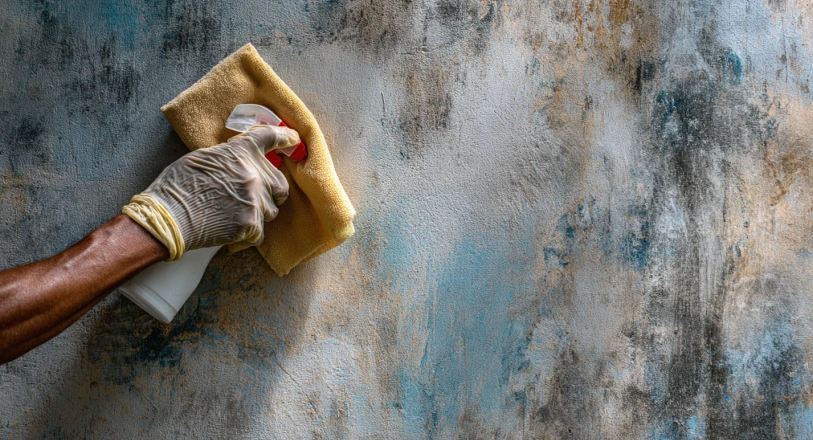
Choose a gentle yet effective cleaner like dish soap or a vinegar solution. Mix warm water with the cleaner in a bucket. Use a soft cloth or sponge to dip into the solution. Dab the stained area carefully, covering all oily spots. Avoid soaking the wall to prevent damage.
Scrubbing Techniques
Use a soft brush or sponge to scrub the stain gently. Move in small circular motions to lift the oil. Be patient and avoid harsh scrubbing that can peel paint. For tough stains, apply more cleaner and let it sit briefly before scrubbing again.
Rinsing And Drying
Wipe the wall with a clean damp cloth to remove soap residue. Rinse the cloth frequently to keep it clean. After rinsing, dry the wall with a soft towel or microfiber cloth. Proper drying stops moisture from causing mold or damage.
Preventing Future Stains
Preventing future oil stains on your kitchen walls is just as important as cleaning the existing ones. Taking simple, proactive steps can save you time and effort later. What if you could keep your kitchen looking fresh without constant scrubbing?
Installing Splash Guards
Splash guards are an effective barrier between your stove and the walls. They catch oil splatters before they reach the paint or wallpaper. You can find easy-to-install options made from stainless steel, glass, or acrylic.
These guards are not only practical but also stylish. They come in various designs that can match your kitchen decor. Imagine cooking without worrying about oil stains ruining your walls!
Installing a splash guard is straightforward. Most come with adhesive backing or simple mounts. If you prefer a DIY approach, you can even make one using tempered glass or tile panels.
Regular Maintenance Tips
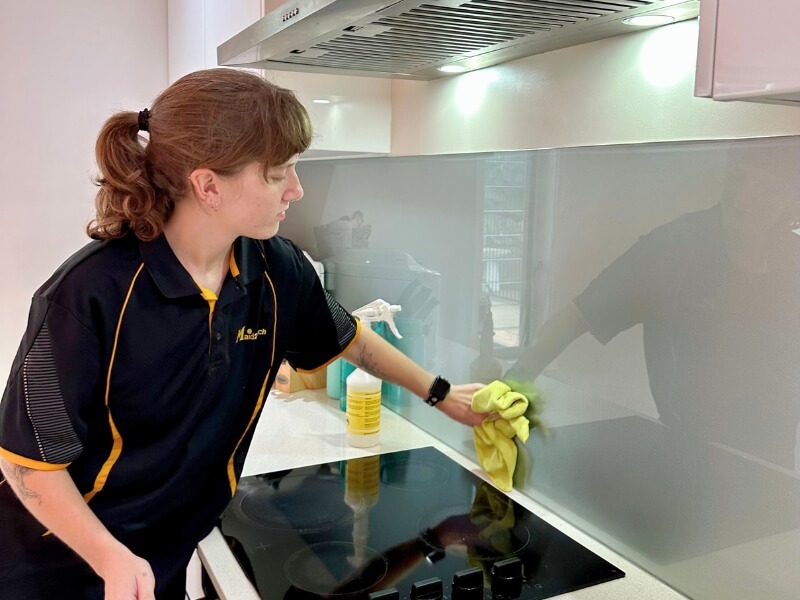
Cleaning your kitchen walls regularly prevents buildup and stubborn stains. Wiping down the walls after cooking can make a big difference. Use a gentle cleaner or a mix of water and vinegar to remove fresh splashes quickly.
Keep a microfiber cloth or sponge handy near your cooking area. This way, you can address spills immediately before they dry. Have you noticed how small, consistent actions reduce long-term cleaning stress?
- Ventilate the kitchen well to reduce grease accumulation.
- Use an exhaust fan or range hood during and after cooking.
- Deep clean your walls monthly with a mild detergent.
These habits protect your walls and improve your kitchen’s air quality. With regular attention, oil stains won’t stand a chance.
Credit: www.maid2match.com.au
When To Seek Professional Help
Knowing when to call in a professional can save you time, frustration, and even prevent further damage to your kitchen walls. Oil stains often seem manageable at first, but some signs indicate that expert help is needed to restore your walls properly and safely.
Signs You Need Expert Cleaning
If the oil stains have deeply penetrated the paint or wallpaper, simple scrubbing might not be enough. Are the stains spreading or causing discoloration that doesn’t fade after cleaning attempts? Persistent odors that linger despite your efforts also suggest a deeper problem.
Another red flag is if the stains have led to sticky residue buildup or attract dirt and grime quickly after cleaning. If your usual cleaning products don’t work or you notice damage to the wall surface, it’s time to consider professional services. Professionals have specialized tools and cleaning agents that can handle tough stains without harming your walls.
Cost Considerations
Professional cleaning might seem expensive upfront, but it can be more cost-effective than repeated DIY attempts that fail. Think about the value of your time and the risk of damaging your walls further, which could lead to costly repairs or repainting.
Prices for professional cleaning vary depending on the severity of the stains and the wall material. Some services offer spot treatments, while others might suggest repainting or sealing for long-term protection. Before hiring, ask for a detailed quote and compare it with the costs of buying cleaning products and materials if you do it yourself.

Credit: www.burgoscleaning.com
Frequently Asked Questions
How Can I Remove Fresh Oil Stains From Kitchen Walls?
To remove fresh oil stains, blot the area gently with paper towels. Then, apply warm soapy water and scrub lightly with a sponge. Rinse with clean water and dry. Acting quickly prevents stains from setting and makes cleaning easier.
What Household Items Effectively Clean Oil Stains On Walls?
Common items like baking soda, vinegar, and dish soap work well. Mix dish soap with warm water to break down grease. Baking soda acts as a mild abrasive, while vinegar helps dissolve oil residues. These natural solutions are safe and effective.
Can I Use Commercial Cleaners On Kitchen Wall Stains?
Yes, commercial degreasers and all-purpose cleaners are effective. Choose products labeled safe for painted surfaces. Always test on a small area first to avoid damage. Follow instructions carefully for best results and to maintain your wall’s finish.
How Often Should I Clean Kitchen Walls To Prevent Oil Stains?
Regular cleaning every 1-2 weeks helps prevent buildup. Wipe walls near cooking areas after each use if possible. This routine reduces grease accumulation and keeps your kitchen looking fresh and clean over time.
Conclusion
Cleaning oil stains on kitchen walls can be simple with the right steps. Use gentle cleaners and soft cloths to protect your paint. Act quickly to prevent stains from setting. Regular wiping helps keep your kitchen walls fresh and bright.
Small efforts make a big difference in your home’s look. Keep these tips handy for a cleaner kitchen space. A clean kitchen feels welcoming and healthy. Easy habits save time and avoid tough stains later.
