

Grease on your kitchen walls can be stubborn and frustrating. You try to clean it, but it just won’t come off easily.
If you want your kitchen to look fresh and clean again, you need the right approach. You’ll discover simple, effective ways to remove grease from your walls without damaging the paint or wallpaper. Keep reading, and you’ll learn how to make your kitchen shine like new in no time.

Credit: www.youtube.com
Causes Of Grease Buildup
Grease buildup on kitchen walls happens from cooking oils and food fats. These oily particles float in the air during frying and sautéing. They settle on walls, creating sticky layers over time.
This buildup makes walls look dirty and can damage paint or wallpaper. Understanding the causes helps prevent and clean it effectively.
Cooking Smoke And Oil Vapors
High heat cooking releases smoke with tiny oil droplets. These droplets stick to surfaces near the stove. Over time, they form a greasy film on walls.
Poor Ventilation
Kitchens without good airflow trap cooking fumes inside. Without ventilation, grease particles stay in the air longer. This increases the chance of buildup on walls and ceilings.
Frequent Frying And Sautéing
Oily cooking methods produce more grease smoke. If frying happens often, grease accumulates faster. Walls near the stove get coated quickly.
Lack Of Regular Cleaning
Grease layers grow thicker if not cleaned early. Skipping quick wipe-downs lets oil harden on surfaces. This makes removal harder later.
Credit: www.realhomes.com
Essential Cleaning Supplies
Getting grease off kitchen walls requires more than just elbow grease—it demands the right tools. Having essential cleaning supplies on hand makes the task easier and more effective. Let’s look at what you need to tackle greasy walls without hassle.
Cleaning Solutions
You’ll want a cleaner that cuts through grease efficiently without damaging your wall paint or wallpaper. A mild dish soap mixed with warm water often works wonders and is gentle on surfaces.
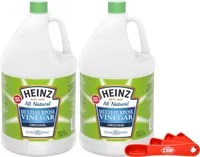
If the grease is stubborn, consider a vinegar and water solution or a commercial degreaser designed for kitchen use. Avoid harsh chemicals that might cause discoloration or leave residue.
Scrubbing Tools
Soft sponges or microfiber cloths are your best friends for scrubbing without scratching. They trap grease and dirt effectively while being gentle on walls.
For tougher spots, a non-abrasive scrub brush can help lift grease without damaging the paint. Remember, rough scrubbing tools can harm delicate surfaces, so choose wisely.
Protective Gear
Don’t overlook gloves to protect your hands from irritation caused by cleaning agents. Wearing rubber gloves keeps your skin safe and allows you to clean longer without discomfort.
Also, use old towels or drop cloths on the floor to catch drips and keep your kitchen tidy during the cleaning process.
Additional Tools
- Spray bottle:Handy for evenly applying your cleaning solution on walls.
- Bucket:Useful for mixing and carrying your cleaning solution around.
- Step stool:Helps you reach higher spots without stretching dangerously.
Have you ever struggled with greasy walls and thought the right supplies might make a difference? Gathering these essentials first can transform an overwhelming chore into a manageable one. What’s your go-to cleaning tool for kitchen messes?
Quick Cleaning Methods
Quick cleaning methods are your best friends when grease splatters on kitchen walls unexpectedly. They save time and effort, letting you restore your kitchen’s fresh look without harsh chemicals. These simple solutions often use items you already have at home, making cleanup both efficient and budget-friendly.
Using Dish Soap And Warm Water
Dish soap is designed to cut through grease on your dishes, so why not use it on your walls? Mix a few drops of dish soap with warm water in a bucket.
Dip a soft cloth or sponge into the solution, wring it out, and gently scrub the greasy spots. You’ll notice the grease lifting away quickly without damaging paint or wallpaper. Rinse the area with clean water and dry it with a towel to prevent streaks.
Vinegar And Baking Soda Solution
Vinegar and baking soda form a powerful duo for removing grease and odors. Start by sprinkling baking soda directly on the greasy area. Then spray or dab white vinegar over the baking soda to create fizzing action that loosens grime.
After the fizz calms down, scrub gently with a damp sponge. This combo is especially handy if soap and water don’t do the trick. Plus, it’s non-toxic and safe for most surfaces.
Lemon Juice For Stubborn Stains
Have grease stains that just won’t budge? Lemon juice’s natural acidity can break down tough grease. Squeeze fresh lemon juice onto a clean cloth and rub it directly on the stain.
Let it sit for a few minutes, then wipe away with a damp cloth. The fresh scent is a bonus, making your kitchen smell clean and inviting. Would you try this natural cleaner instead of chemical sprays next time?
Deep Cleaning Techniques
Deep cleaning kitchen walls removes stubborn grease that regular wiping cannot. It restores the original look and keeps the kitchen fresh. These techniques target tough grease layers and sanitize surfaces effectively. Using the right tools and products makes cleaning easier and faster.
Degreaser Products
Degreaser products break down thick grease quickly. Choose one made for kitchen use to avoid damage. Spray the product on greasy spots and let it sit for a few minutes. Use a soft cloth or sponge to scrub gently. Rinse with warm water and dry with a clean towel.
- Look for biodegradable and non-toxic options.
- Test on a small wall area before full use.
- Repeat the process for heavy grease buildup.
Steam Cleaning Approach
Steam cleaning uses hot vapor to loosen grease and dirt. It sanitizes without harsh chemicals and is safe for most wall surfaces. Hold the steam cleaner close to the wall but avoid soaking it. Move slowly over greasy areas to lift grime effectively.
- Use a microfiber cloth to wipe loosened grease.
- Allow walls to air dry after cleaning.
- Regular steam cleaning prevents grease buildup.
Preventing Future Grease Buildup
Preventing grease buildup on kitchen walls saves time and effort. It keeps your kitchen looking clean and fresh. Simple daily habits can stop grease from sticking to surfaces. Clean walls reduce odors and keep your cooking space healthy.
Regular Wiping Routine
Wipe kitchen walls often to stop grease from hardening. Use a soft cloth with warm water and mild soap. Focus on areas near the stove and cooking spots. Dry the walls after wiping to avoid streaks. Set a schedule for cleaning, such as twice a week. Quick cleaning prevents grease from forming thick layers.
Proper Ventilation Tips
Good airflow lowers grease buildup in the kitchen. Use an exhaust fan or range hood while cooking. Keep windows open if possible to let fresh air in. Ventilation removes smoke and steam that carry grease particles. Clean the fan filters regularly to keep them effective. Proper ventilation helps keep walls cleaner longer.

Credit: maggymaid.com
Safety Tips While Cleaning
Cleaning grease off kitchen walls requires care and attention to safety. Grease and cleaning products can cause slips, skin irritation, and harmful fumes. Taking simple safety steps protects your health and makes cleaning easier.
Wear Protective Gloves
Gloves protect your hands from harsh chemicals and grease. Choose waterproof gloves to keep your skin safe. Change gloves if they tear or get dirty.
Ensure Proper Ventilation
Open windows and doors to let fresh air in. Ventilation helps remove strong smells from cleaning products. Avoid breathing in fumes to protect your lungs.
Use Safe Cleaning Products
Pick cleaners labeled non-toxic or safe for indoor use. Avoid mixing different chemicals as it can create dangerous gases. Test a small wall area before full cleaning.
Keep Floors Dry And Clear
Wipe spills immediately to stop slips and falls. Remove rugs or obstacles near the cleaning area. Wear shoes with good grip to stay steady.
Protect Your Eyes
Wear safety goggles if using sprays or strong cleaners. Avoid touching your face during cleaning. Rinse eyes with water if cleaner gets in them.
Frequently Asked Questions
How Do I Remove Grease Stains From Kitchen Walls?
Use a mixture of warm water, dish soap, and vinegar. Apply with a soft cloth, scrub gently, then rinse and dry.
What Household Items Clean Kitchen Grease Effectively?
Vinegar, baking soda, lemon juice, and dish soap are effective for cutting kitchen grease on walls safely.
Can I Use Commercial Cleaners On Painted Kitchen Walls?
Yes, but choose non-abrasive, grease-specific cleaners to avoid damaging paint or finish on kitchen walls.
How Often Should I Clean Grease Off Kitchen Walls?
Clean grease buildup every 1-2 weeks to prevent stains and maintain a fresh kitchen environment.
Conclusion
Cleaning kitchen walls can be easy with the right approach. Regular maintenance prevents grease buildup. Use gentle cleaners to protect wall surfaces. Always test a small area first. Wipe walls with a soft cloth or sponge. Avoid harsh scrubbing to prevent damage.
Consistent cleaning keeps your kitchen fresh. Remember, a clean kitchen enhances cooking joy. Follow these tips for a grease-free kitchen. Happy cleaning!
