

Have you ever noticed that pesky gap between your kitchen countertop and the wall? It not only looks unappealing but can also become a hotspot for crumbs, spills, and even pests.
You’re not alone in this frustration. Many homeowners struggle with this common issue, but the good news is that you don’t have to live with it forever. Imagine a seamless, clean, and polished kitchen space where every inch of your countertop meets the wall perfectly.
Sounds ideal, right? In this guide, we’ll walk you through simple, effective solutions to bridge that gap, ensuring your kitchen stays as beautiful and functional as you dream it to be. Keep reading to discover how you can easily fix this problem and transform your kitchen into the pristine space you’ve always wanted.
Causes Of Countertop Gaps
Gaps between the kitchen countertop and the wall can be frustrating. They affect the look and can let dirt or moisture slip through. Understanding why these gaps appear helps to fix them properly. Several factors cause these spaces to form over time.
Material Shrinkage And Expansion
Materials like wood and laminate change size with temperature and humidity. They expand when warm and shrink when cold. This natural movement can create gaps between the countertop and wall. Constant changes make the gap bigger or smaller throughout the year.
Installation Errors
Improper installation often leads to gaps. If the countertop is not measured or cut correctly, spaces can appear. Poor alignment or not securing the countertop tightly against the wall also causes gaps. Even small mistakes during installation create visible spaces.
Wall Irregularities
Walls are rarely perfectly straight or flat. Small bumps, curves, or uneven surfaces cause gaps. Countertops installed against uneven walls cannot sit flush. These irregularities make sealing the edge difficult, leaving gaps behind.
Countertop Movement Over Time
Over time, countertops may shift due to house settling or frequent use. Heavy appliances or pressure can slowly move the countertop away from the wall. This movement widens existing gaps or creates new ones, especially in older kitchens.

Credit: www.reddit.com
Tools And Materials Needed
Fixing the gap between the kitchen countertop and wall needs the right tools and materials. This helps make the repair clean and long-lasting. Using proper supplies also improves the overall look of your kitchen.
Gathering everything before starting saves time. Below are key items you will need for this task.
Sealants And Caulking
Sealants fill gaps to stop water and dirt from entering. Silicone caulk is best for kitchen use because it resists moisture and mold. Choose a color that matches your countertop or wall for a neat finish.
Backer Rods
Backer rods are foam strips used to fill large gaps before applying caulk. They provide a base for the sealant and prevent it from sinking. Pick the right size to fit snugly into the gap.
Trim And Molding
Trim and molding cover gaps and add style. They come in wood, plastic, or PVC. Choose one that matches your kitchen décor. These pieces attach to the wall or countertop edge to hide imperfections.
Basic Hand Tools
- Caulking gun for applying sealant smoothly.
- Utility knife to cut backer rods and trim.
- Putty knife to smooth sealant and remove old caulk.
- Measuring tape to check gap size accurately.
- Sandpaper to prepare surfaces before sealing or trimming.
Cleaning And Preparing The Gap
Cleaning and preparing the gap between the kitchen countertop and the wall is essential for a smooth fix. Proper preparation ensures the new sealant or filler sticks well and lasts longer.
Start by clearing out old materials and dirt. This makes the surface ready for the new application. Next, the area must be completely dry. Moisture can cause the sealant to fail or peel off.
Accurate measurement of the gap is necessary. It helps in choosing the right filler or caulk size. This step avoids using too much or too little material, ensuring a neat finish.
Removing Old Caulk Or Debris
Use a utility knife or scraper to remove old caulk carefully. Scrape away any dirt, grease, or loose particles inside the gap. Clean the area with a mild detergent and a sponge. Rinse and wipe dry with a cloth. Removing all residue helps the new sealant bond properly.
Drying The Area
After cleaning, let the gap dry completely. Use a fan or open windows for faster drying. Moisture can weaken the seal and cause mold growth. Make sure the surface feels dry to the touch before moving forward.
Measuring The Gap Size
Use a ruler or measuring tape to check the width and depth of the gap. Note the measurements carefully. This step guides you in selecting the right caulk or filler type. Proper sizing prevents gaps or overfilling and gives a smooth, professional look.
Using Caulk For Small Gaps
Using caulk to fill small gaps between your kitchen countertop and wall is a simple and effective way to improve both the look and cleanliness of your space. Caulk acts as a flexible sealant that prevents dirt, moisture, and crumbs from sneaking into those narrow spaces. It’s a quick fix that doesn’t require major tools or skills, making it a go-to choice for many homeowners.
Choosing The Right Caulk
Not all caulks are created equal. For kitchen areas, you want a caulk that is waterproof and mold-resistant to handle humidity and spills. Silicone or acrylic-latex caulks are popular options because they stick well to both tile and countertop materials.
Look for caulks labeled for kitchens or bathrooms. These usually offer added durability. Have you checked the label to ensure it matches your countertop and wall material? This small step can save you from caulk peeling off prematurely.
Applying Caulk Smoothly
Before you start, clean the gap thoroughly to remove dust and grease. This helps the caulk stick better. Cut the tip of the caulk tube at a 45-degree angle for controlled application, aiming for a bead size that matches your gap width.
Apply steady pressure on the caulk gun and move smoothly along the gap. It’s okay if you don’t get it perfect the first time—practice makes a difference. Have you tried running your finger or a smoothing tool over the bead right after applying it? This helps create a neat line and pushes the caulk deep into the gap.
Finishing And Cleaning Excess
Once you smooth the caulk, clean off any excess immediately with a damp cloth before it dries. Dried caulk can be tricky to remove and might leave ugly marks. If you notice any gaps or thin spots after drying, simply add a second layer.
Proper finishing not only improves appearance but also extends the life of the seal. Do you see how a little extra attention here can make your kitchen look professionally done? It’s all about the details.
Filling Larger Gaps With Backer Rod
When you notice a large gap between your kitchen countertop and the wall, simply applying caulk might not be enough. Filling these wider spaces requires something more substantial to provide support and ensure a smooth, lasting finish. That’s where a backer rod comes in handy—it acts as a filler that supports the caulk, preventing it from cracking or sinking over time.
Selecting The Correct Size
Choosing the right size of backer rod is crucial. It should be slightly wider than the gap to fit snugly without stretching too much. Too small, and it won’t provide enough support; too large, and it might be difficult to insert properly.
To find the right size, measure the width and depth of your gap. Backer rods typically come in diameters ranging from 1/8 inch to 1/2 inch. Pick one that matches your gap’s width closely for the best results.
Inserting The Backer Rod
Once you have the correct size, gently press the backer rod into the gap using your fingers or a blunt tool like a putty knife. Avoid pushing it too deep—aim to leave about 1/4 inch of space between the top of the rod and the surface.
If the rod resists, try warming it slightly with your hands to make it more flexible. This step is important because the backer rod forms the base that will hold your caulk firmly in place.
Caulking Over The Rod
After the backer rod is in place, apply a bead of caulk directly over it. Use a caulking gun to ensure a smooth and consistent line. Then, smooth the caulk with a damp finger or a caulk finishing tool to blend it seamlessly with the countertop and wall.
Are you leaving too much or too little caulk? The right amount seals the gap and hides the rod without overflowing. This method not only improves the look but also prevents water and debris from getting trapped in that space.

Credit: www.reddit.com
Installing Trim Or Molding
Installing trim or molding is a simple and effective way to cover gaps between your kitchen countertop and wall. It creates a clean, finished look and prevents dirt or water from getting into the space. This solution works well for gaps of various sizes and adds a decorative touch to your kitchen.
Types Of Trim Options
- Quarter Round:A small, curved molding that fits neatly into corners.
- Backsplash Molding:Designed to match or complement your countertop.
- Baseboard Molding:Wider trim that offers a bold look and covers larger gaps.
- Flexible Trim:Made from soft materials to fit uneven surfaces.
- Wood or PVC:Choose wood for a classic feel or PVC for water resistance.
Measuring And Cutting Trim
Measure the length of the gap carefully using a tape measure. Write down each measurement clearly. Use a miter box or saw to cut the trim at a 45-degree angle for corners. Cut slowly and steadily to avoid splintering. Double-check measurements before cutting to prevent mistakes.
Attaching Trim Securely
Apply a thin line of construction adhesive to the back of the trim. Press the trim firmly against the gap. Use finishing nails or brad nails to hold the trim in place. Countersink nails slightly below the surface. Fill nail holes with wood filler or caulk for a smooth finish. Wipe away excess adhesive before it dries.
Preventing Future Gaps
Preventing gaps between the kitchen countertop and wall saves time and keeps your kitchen neat. Small gaps can grow larger due to natural movements and changes in temperature. Taking simple steps can stop gaps from forming or getting worse.
Proper Installation Techniques
Correct installation reduces the chance of gaps appearing later. Ensure the wall and countertop surfaces are clean and level. Measure carefully before cutting materials to fit tightly. Use shims behind the countertop if walls are uneven. Secure the countertop firmly to prevent shifting over time.
Using Flexible Materials
Flexible materials fill small spaces and adjust with movement. Silicone caulk is ideal as it expands and contracts. Use it between the countertop and wall for a seamless seal. Avoid rigid fillers that crack easily. Choose materials that resist moisture to prevent damage.
Regular Maintenance Checks
Inspect the gap area often to catch issues early. Look for cracks, loose caulk, or signs of movement. Reapply caulk if it starts to peel or dry out. Tighten any loose screws or fasteners securing the countertop. Routine care keeps gaps from worsening and extends countertop life.
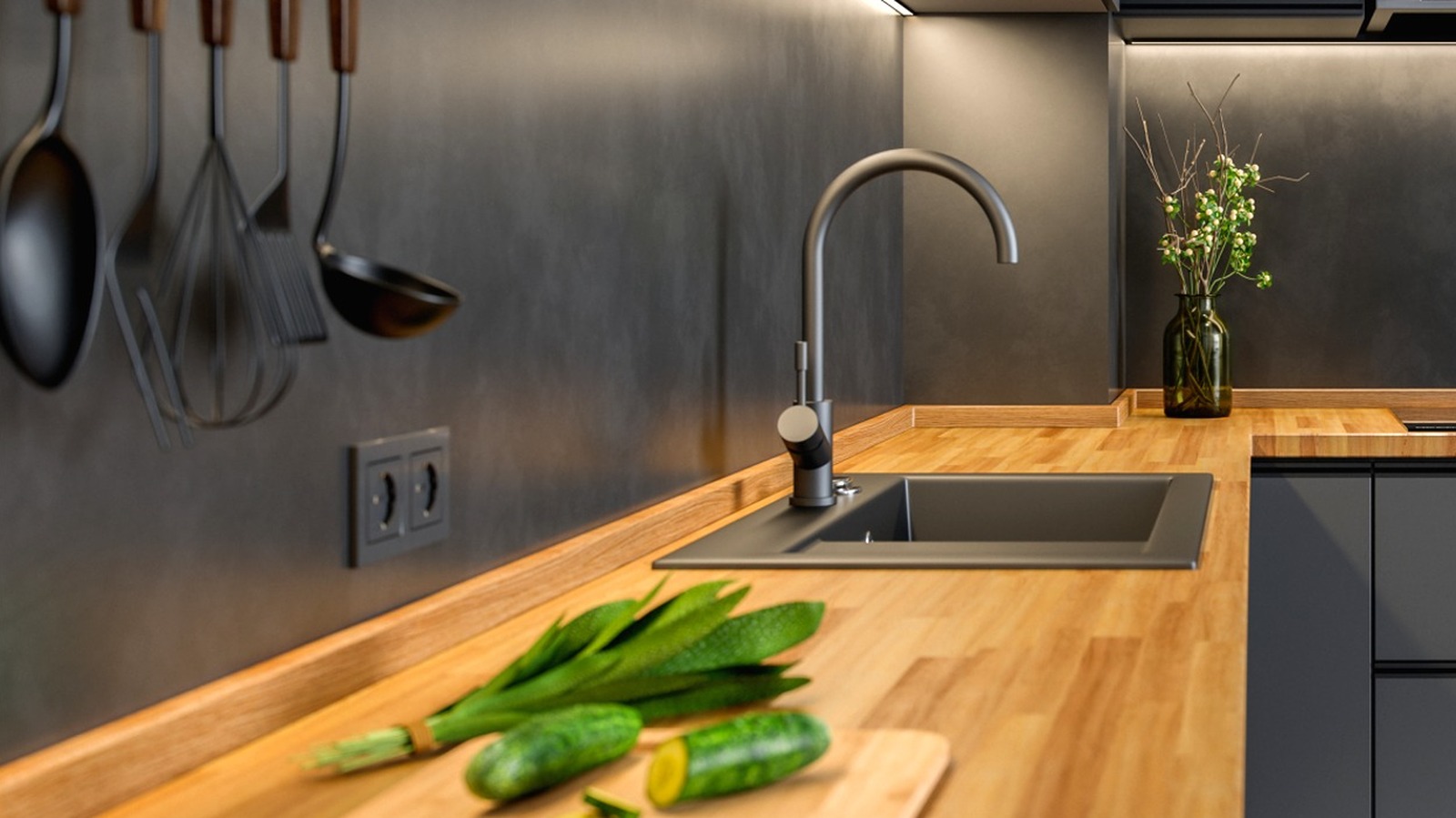
Credit: www.housedigest.com
When To Call A Professional
Knowing when to call a professional can save time and prevent further damage. Small gaps might seem easy to fix, but some problems need expert attention. Understanding the signs helps decide if a DIY approach is enough or if a pro’s skill is needed.
Complex Structural Issues
Gaps caused by uneven walls or floors require more than simple filling. Structural problems can affect the stability of your kitchen. Professionals assess and fix these issues safely and correctly. Trying to fix complex problems alone can cause bigger damage.
Extensive Damage Or Movement
If the gap grows over time or parts of the countertop move, this signals a serious issue. Water damage or shifting foundations often cause such problems. Professionals can identify the root cause and offer long-term solutions. Ignoring movement may lead to costly repairs later.
Custom Countertop Adjustments
Custom countertops need precise fitting and finishing. Gaps in these cases might require special tools and skills. A professional ensures the countertop fits perfectly against the wall. This avoids gaps, improves appearance, and maintains countertop durability.
Frequently Asked Questions
How Do I Fix Gaps Between Countertop And Wall?
To fix gaps, clean the area first. Use caulk or foam backer rod to fill small to medium gaps. For larger gaps, install a filler strip or trim. This prevents dirt buildup and improves the kitchen’s appearance.
What Materials Seal Gaps Between Countertop And Wall?
Common materials include silicone caulk, acrylic latex caulk, and foam backer rods. Silicone caulk is waterproof and flexible, ideal for kitchens. Foam rods fill wider gaps before caulking. Choose color-matched caulk for a seamless finish.
Can I Use Caulk To Close Countertop Gaps?
Yes, caulk is the easiest solution for small countertop gaps. It seals gaps against moisture and debris. Use kitchen-grade silicone caulk for durability. Smooth the caulk bead with a wet finger for a clean look.
Why Is There A Gap Between My Countertop And Wall?
Gaps often occur due to uneven walls or countertop installation errors. Natural material expansion or settling can also create spaces over time. Addressing these gaps improves hygiene and aesthetic appeal in your kitchen.
Conclusion
Fixing the gap between your kitchen countertop and wall is simple. Use the right tools and materials for a clean look. Seal the gap well to keep dirt and moisture out. A neat finish improves your kitchen’s appearance and hygiene.
Small repairs save money and avoid bigger problems later. Take your time and work carefully for best results. Your kitchen will feel fresher and more comfortable. Now, enjoy a smooth, gap-free countertop every day.
