

You rely on your kitchen’s exhaust fan to keep the air fresh and free from smoke and odors. But what happens when it stops working?
A malfunctioning exhaust fan can turn your cooking space into a stuffy, unpleasant environment. You might be tempted to call a professional, but what if you could fix it yourself? Imagine the satisfaction of restoring your kitchen’s comfort with your own hands.
In this guide, you’ll discover simple, effective steps to fix that exhaust fan on your kitchen wall. Not only will you save money, but you’ll also gain a handy new skill. Ready to transform your kitchen back into a breezy haven? Let’s dive into the solutions.
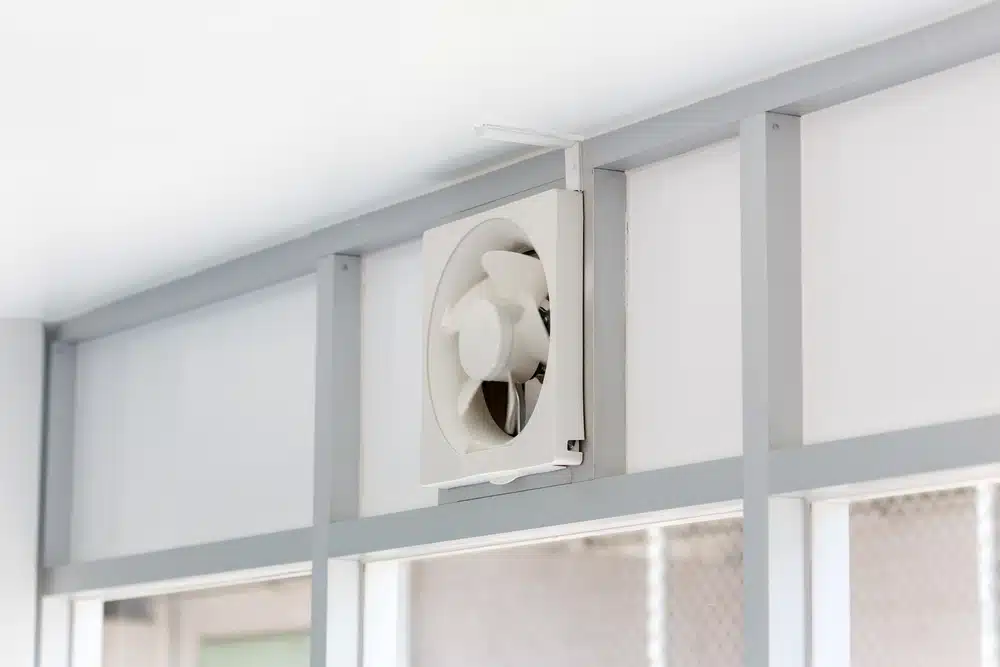
Credit: www.i-sells.co.uk
Tools And Materials Needed
Fixing an exhaust fan in your kitchen wall requires the right set of tools and materials to get the job done efficiently. Having everything prepared before you start saves time and helps avoid frustration. You’ll want to gather items that suit both electrical work and mechanical adjustments.
Essential Hand Tools
- Screwdrivers:Both flathead and Phillips screwdrivers are necessary for removing the fan cover and securing screws.
- Pliers:Needle-nose pliers can help you grip small parts or wires safely.
- Utility Knife:Useful for cutting through caulk or insulation around the fan housing.
- Wire Strippers:Needed if you have to reconnect or replace wiring inside the fan.
Without the right hand tools, you might struggle to open the fan casing or handle delicate wiring. Have you ever tried fixing something only to realize you’re missing the simplest tool?
Electrical Testing Devices
- Voltage Tester:This device helps you safely check if the power is off before touching any wires.
- Multimeter:Useful for measuring electrical continuity and voltage to diagnose fan motor issues.
Electrical safety should never be overlooked. Testing devices not only protect you but also pinpoint where the problem lies. Can you imagine how risky it would be to work on the fan without confirming the power is off?
Replacement Parts And Materials
- Replacement Fan Motor or Blades:If the motor is burnt out or blades are damaged, you’ll need the exact parts for your fan model.
- Electrical Tape:For securing wire connections safely.
- Caulk or Sealant:To reseal the fan housing and prevent air leaks after repair.
- Cleaning Supplies:A vacuum or brush to clear dust and debris before reinstalling the fan.
Having these parts ready means you won’t have to stop midway through the repair. Ever started fixing something only to realize you don’t have the replacement part? Frustrating, right?
Safety Precautions
Safety is the top priority when fixing an exhaust fan in a kitchen wall. Taking the right precautions protects you from electric shocks, injuries, and damage. It also ensures the repair work goes smoothly without any accidents.
Before starting, make sure you understand the risks involved. Kitchen fans connect to electrical wiring and sometimes to sharp parts. Careful steps reduce hazards and keep the work area safe.
Turn Off Power Supply
Always switch off the circuit breaker that controls the exhaust fan. Confirm no electricity flows by testing the fan switch. Working on a live circuit can cause serious electric shock.
Use Proper Tools
Choose insulated tools designed for electrical work. Avoid using damaged or worn-out tools. Proper tools make the job easier and safer.
Wear Protective Gear
Wear gloves to protect your hands from sharp edges and electrical parts. Safety glasses shield your eyes from dust and debris. Dress in clothes that cover your skin fully.
Work In A Well-lit Area
Good lighting helps you see wires and screws clearly. It reduces mistakes and accidents. Use a portable lamp if kitchen lighting is weak.
Keep The Work Area Clear
- Remove any obstacles or clutter near the fan.
- Keep children and pets away from the repair site.
- Have a clean surface to place screws and parts.
Follow Manufacturer Instructions
Read the fan’s manual before starting repairs. Follow all guidelines and warnings carefully. Manufacturer advice helps avoid damage and safety issues.
Diagnosing Common Issues
Diagnosing common issues with a kitchen wall exhaust fan helps save time and money. Knowing what causes the problem guides you to the right fix. It also prevents further damage to the fan or kitchen wall.
Start by observing the fan’s behavior closely. Check for power issues, sounds, and airflow. Each symptom points to a different cause. This simple diagnosis can reveal if you need a quick repair or a part replacement.
Fan Not Turning On
Check if the fan has power. Look at the circuit breaker or fuse box for any tripped switches or blown fuses. Examine the power cord and plug for damage. Test the wall switch to make sure it works properly.
Sometimes, dust and grease build-up can block the motor or wiring. Clean the fan and wall area carefully. If the fan still does not turn on, the motor or switch might need replacement.
Unusual Noise
Strange sounds like rattling, grinding, or buzzing often come from loose parts or dirt. Tighten screws and check if the fan blades are balanced. Clean any dust or grease that covers the blades or motor.
Worn-out motor bearings or damaged blades can cause noise too. Listen closely to find the exact source. Replacing faulty parts will restore quiet operation.
Poor Airflow
Weak airflow can be caused by a blocked vent or dirty fan blades. Inspect the vent outside the kitchen for debris or bird nests. Clear any blockages to improve air movement.
Check the fan blades for grease or dust build-up and clean them thoroughly. Also, ensure the fan blades are not bent or broken. Proper cleaning and maintenance usually fix airflow problems.

Credit: www.kitchenaid.com
Removing The Exhaust Fan
Removing the exhaust fan from your kitchen wall is the first step in fixing it. This task requires care and basic tools. You need to disconnect the power to avoid any accidents. The process involves unscrewing and gently pulling out the fan assembly. Proper removal helps protect the fan parts for repair or replacement.
Turn Off The Power
Safety is the top priority. Find the circuit breaker and switch off the power to the kitchen exhaust fan. Double-check by trying to turn on the fan. No power means it is safe to work on the fan.
Remove The Fan Cover
Most exhaust fans have a cover or grille on the wall or ceiling. Use a screwdriver to remove the screws holding the cover. Keep the screws in a safe place. Gently pull off the cover to expose the fan blades and motor.
Disconnect The Wiring
Find the wiring connections behind the fan motor. Use a voltage tester to confirm no electricity flows. Unscrew the wire nuts or connectors carefully. Separate the wires and make sure none touch each other. Label the wires to ease reinstallation.
Unscrew The Fan Assembly
Look for screws or bolts holding the fan to the wall. Use the right screwdriver to loosen all fasteners. Support the fan with one hand while removing the last screw. Slowly pull the fan out from the wall cavity.
Inspect The Fan Components
Check the fan blades, motor, and housing for dirt or damage. Clean dust and grime with a soft brush or cloth. Look for broken parts or burnt wires. This inspection helps decide if repair or replacement is needed.
Cleaning The Fan Components
Cleaning the fan components is a crucial step to restore your kitchen exhaust fan’s performance. Over time, grease and dust build-up can reduce airflow and cause unpleasant odors. Taking the time to clean each part carefully will help your fan run smoothly and extend its lifespan.
Removing The Fan Cover And Blades
Start by unplugging the fan or turning off the circuit breaker for safety. Carefully remove the fan cover, which often snaps or screws off. Then, detach the fan blades by loosening the screws or clips holding them in place.
Keep track of all screws and small parts; losing them can make reassembly frustrating. Handling the blades gently prevents bending or damaging them, which could cause noise or imbalance later.
Cleaning Grease And Dust Build-up
Use a degreaser or a mixture of warm water and dish soap to tackle the sticky grease on the blades and cover. A soft brush or cloth works well to scrub away grime without scratching surfaces.
Don’t forget to clean the fan motor housing carefully. Avoid spraying water directly onto electrical parts—use a damp cloth instead to wipe down accessible areas.
Drying And Reassembling The Components
After washing, let all parts dry completely to avoid moisture damaging the motor or causing rust. Placing components on a towel in a well-ventilated area speeds up drying.
Once dry, reattach the blades and cover securely. Double-check that everything fits well and spins freely before powering the fan back on.
Replacing Faulty Parts
Replacing faulty parts is key to fixing a kitchen wall exhaust fan. Parts wear out or break over time, causing the fan to stop working properly. Replacing these parts can restore the fan’s function and improve air circulation. This section covers how to replace the motor, blades, and electrical components safely and effectively.
Motor Replacement
The motor is the heart of the exhaust fan. A faulty motor stops the blades from spinning. First, disconnect the power to avoid shocks. Remove the fan cover and locate the motor. Unscrew and gently pull out the motor assembly. Install the new motor by reversing these steps. Ensure all screws are tight and wires connected properly. Test the fan before reattaching the cover.
Blade Replacement
Fan blades can become bent or damaged. This reduces airflow and causes noise. To replace blades, turn off the power and remove the fan cover. Loosen the blade screws or clips holding them in place. Carefully take out the old blades. Attach new blades, making sure they are secure and balanced. Spin the blades by hand to check for smooth movement before restoring power.
Electrical Components
Faulty wiring or switches can stop the exhaust fan from turning on. Turn off the main power switch before working on any electrical parts. Inspect wires for breaks or burns. Replace damaged wires with similar gauge wire. Test the switch with a multimeter for continuity. Replace the switch if it does not work. After replacing parts, secure all connections and test the fan’s operation.
Reinstalling The Exhaust Fan
Reinstalling the exhaust fan is a crucial step after fixing any issues or replacing parts. It ensures your kitchen stays ventilated and free from smoke or odors. Doing it right can save you from future headaches and improve the fan’s efficiency.
Preparing The Mounting Area
Before reinstalling, clean the wall area where the fan will sit. Remove any dust, old sealant, or debris that could interfere with a tight fit. This makes sure the fan seals properly and prevents air leaks.
Check the wall opening for any damage. If the hole is too large or uneven, patch it with appropriate filler or trim to create a solid frame. A secure base helps the fan stay stable and reduces vibration noise.
Connecting Electrical Wiring Safely
Turn off power at the circuit breaker before touching any wires. Confirm wires are not frayed or damaged. If you spot any issues, replace them before proceeding.
Match the fan’s wires to the corresponding house wires — usually black to black (hot), white to white (neutral), and green or bare copper to ground. Use wire nuts to secure connections and wrap them with electrical tape for extra safety.
Securing The Fan In Place
Line up the fan with the mounting holes on the wall. Use the screws provided or heavy-duty anchors if the wall material is weak. Tighten screws evenly to avoid warping the fan housing.
Do not overtighten, as this can crack the plastic or metal frame. The fan should feel snug but not stressed. If your fan has a gasket or seal, make sure it’s properly positioned to prevent air leaks.
Testing The Exhaust Fan
Restore power and turn on the fan. Listen carefully for unusual noises like rattling or buzzing, which may indicate loose parts. Check if air flows smoothly outside through the vent.
If the fan doesn’t work or sounds off, double-check your wiring and mounting. Sometimes a simple wiring mistake or loose screw can cause problems. Have you noticed any particular sounds or issues with your fan before reinstalling?
Testing The Fan
Testing the kitchen wall exhaust fan helps find the problem fast. It checks if the fan works well or needs repair. Follow clear steps to test safely and correctly.
Visual Inspection Of The Fan
Start by looking at the fan and its parts. Check for dust or dirt on the blades. Look for any broken or loose pieces. Clean the fan if dirty before testing.
Power Supply Check
Ensure the fan is connected to power. Use a voltage tester to check the outlet. No power means checking the circuit breaker or fuse box next.
Switch Operation Test
Turn the fan switch on and off. Listen for sounds or vibrations. No sound or movement means a switch or wiring issue.
Blade Movement Test
Try to spin the fan blades by hand. They should move freely without resistance. Stiff or stuck blades may need lubrication or replacement.
Use A Multimeter For Electrical Testing
Test the fan motor with a multimeter. Measure the resistance to find electrical faults. Zero or infinite readings indicate motor problems.
Check Fan Speed Settings
Test all speed settings on the fan. Each speed should work smoothly. A faulty speed control switch may cause issues.
Preventive Maintenance Tips
Keeping your kitchen wall exhaust fan running smoothly doesn’t have to be a struggle. Preventive maintenance can save you time, money, and the hassle of dealing with unexpected breakdowns. Simple, regular care helps your fan work efficiently and lasts longer.
Clean The Fan Blades Regularly
Dust and grease buildup on fan blades reduce airflow and force the motor to work harder. Use a soft cloth or a brush with mild detergent to wipe the blades every few weeks. You’ll notice your fan runs quieter and more effectively with this easy step.
Check And Replace The Filter
Not all exhaust fans have filters, but if yours does, keeping it clean is crucial. A clogged filter blocks air and strains the motor. Clean or replace the filter monthly, especially if you cook often or use strong oils.
Inspect The Motor And Wiring
Loose wiring or a worn motor can cause your fan to stop working or make unusual noises. Look for any frayed wires or signs of overheating around the motor. If you spot issues, tighten connections or consider professional help before it gets worse.
Lubricate Moving Parts
Some exhaust fans have parts that need occasional lubrication. Check your fan’s manual to see if oiling is necessary. Using a few drops of machine oil can keep the motor and blades moving smoothly and quietly.
Test The Fan Operation Frequently
After maintenance, always test your fan to ensure it runs properly. Listen for unusual sounds and watch for consistent airflow. If performance drops, you might need to repeat cleaning or look deeper into potential problems.
Have you ever ignored a small noise from your exhaust fan, only to face a complete breakdown later? Paying attention to these signs early can prevent that frustration.

Credit: www.youtube.com
Frequently Asked Questions
How Do I Troubleshoot A Kitchen Wall Exhaust Fan?
Start by checking the power supply and circuit breaker. Clean the fan blades and motor. Inspect the wiring for damage. Test the switch and replace faulty parts. Regular maintenance prevents common issues.
What Tools Are Needed To Fix An Exhaust Fan?
You’ll need a screwdriver, voltage tester, wire stripper, and cleaning brush. A ladder and replacement parts like fan blades or motor might be necessary. Having these tools ready simplifies the repair process.
How Often Should I Clean My Kitchen Exhaust Fan?
Clean your exhaust fan every 3 to 6 months. Regular cleaning prevents grease buildup and improves efficiency. This routine helps maintain air quality and extends the fan’s lifespan.
Can I Replace The Exhaust Fan Motor Myself?
Yes, if you have basic electrical skills. Turn off power before starting. Remove the old motor carefully, then install the new one following the manufacturer’s instructions. Safety is crucial during this task.
Conclusion
Fixing a kitchen wall exhaust fan can improve air quality quickly. Clean the fan and check for loose parts first. Tighten screws and replace any broken components. Test the fan to see if it runs smoothly. Regular maintenance helps avoid future problems.
A working exhaust fan keeps your kitchen fresh and safe. Simple steps can save you time and money. Try these easy fixes before calling a professional. You can enjoy a better cooking space with less hassle.
