

Designing a kitchen cabinet layout is fun. It makes your kitchen look nice. It also helps you use space well. A good layout makes cooking easy and enjoyable.
Why Kitchen Layout Matters
The layout is important. It affects how you move in the kitchen. A good layout saves time. It makes cooking and cleaning easier. A bad layout can be frustrating.
Step 1: Measure Your Kitchen Space
First, measure your kitchen. Use a tape measure. Write down the length and width. Measure the height, too. This helps you know how much space you have.
Remember to measure windows and doors. They affect where cabinets go. Don’t forget to measure the space between walls. This helps you fit cabinets correctly.
Step 2: Decide on Cabinet Style
There are many cabinet styles. Some are modern. Some are traditional. Choose a style that you like. Think about your home decor. The style should match your home.
Here are some popular styles:
- Shaker: Simple and clean lines.
- Flat-panel: Modern and sleek.
- Inset: Classic and elegant.
Think about the color too. Light colors make a kitchen feel bigger. Dark colors look rich and cozy.
Step 3: Plan Your Work Triangle
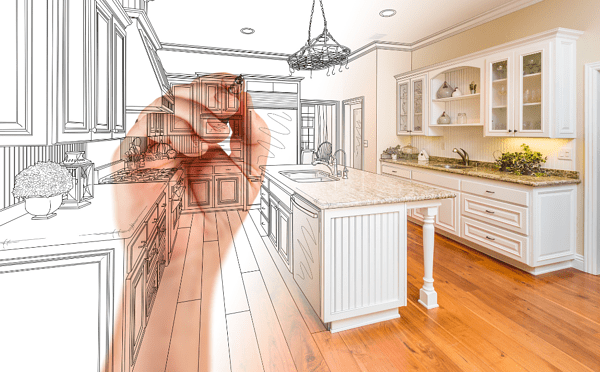
The work triangle is important. It connects the stove, sink, and fridge. These are the most used places. A good triangle makes cooking easy.
Keep the sides of the triangle between 4 and 9 feet. This distance is comfortable. It saves steps. It makes cooking fast.
Credit: www.mkdkitchenandbath.com
Step 4: Choose Cabinet Types
There are different types of cabinets. Each type has a use. Choose the ones you need.
- Base cabinets: They are on the floor. They hold pots and pans.
- Wall cabinets: They hang on the wall. They store plates and glasses.
- Tall cabinets: They are tall. They store pantry items.
Think about the items you have. Choose cabinets that fit them well.
Step 5: Plan Cabinet Placement
Now, decide where to place each cabinet. Put base cabinets below counters. Place wall cabinets above counters.
Consider the work triangle. Don’t block the path with cabinets. Keep the triangle clear.
Leave space for appliances. Your fridge, stove, and dishwasher need room. Make sure cabinets do not block them.

Credit: www.kitchen-design-nyc.com
Step 6: Include Special Features
Special features can make your kitchen better. They add convenience.
- Lazy Susans: They spin. They make corner cabinets easy to use.
- Pull-out shelves: They slide out. They make reaching items easy.
- Built-in spice racks: They save space. They keep spices organized.
Choose features that help you. They make cooking more fun.
Step 7: Consider Lighting
Good lighting is important in the kitchen. It helps you see clearly. It makes cooking safe.
Under-cabinet lights are helpful. They shine on counters. They make chopping and mixing easy.
Recessed lights are in the ceiling. They light up the whole kitchen. Choose lights that are bright but not harsh.
Step 8: Think About Ventilation
Ventilation keeps your kitchen fresh. It removes smoke and smells. A range hood is a good choice. It fits above the stove.
Make sure the hood is powerful. It should match the size of your stove. Good ventilation makes cooking pleasant.
Step 9: Review and Adjust
Look at your plan again. Check if everything fits. Make sure the layout is practical. It’s okay to change things. Adjust until you are happy.
Ask family or friends for advice. They might see things you miss. Two heads are better than one.
Step 10: Finalize Your Plan
Once you are happy, finalize your plan. Write down all the details. Include measurements and cabinet types.
Double-check everything. Make sure you didn’t forget anything. A well-planned layout makes installation easy.
Frequently Asked Questions
What Is The Best Kitchen Cabinet Layout For Small Spaces?
A U-shaped or L-shaped layout saves space and offers good storage in small kitchens.
How Do I Measure My Kitchen For Cabinet Layout?
Measure wall lengths, ceiling height, and window/door locations accurately before planning cabinets.
What Is The Work Triangle In Kitchen Design?
It is the space between sink, stove, and fridge for easy cooking flow.
Should I Use Upper Or Lower Cabinets More?
Use a mix of both for balanced storage and easy access to items.
Conclusion
Designing a kitchen cabinet layout is simple. Follow these steps for a beautiful kitchen. A good layout makes cooking fun. Enjoy your new kitchen!

Ethan Cole is a kitchen innovation enthusiast and food technology writer at DiningGadgets.com. With over 8 years of experience reviewing cookware, smart kitchen tools, and design trends, he helps readers discover gadgets that make cooking easier and dining more enjoyable. When he’s not testing the latest kitchen appliances, Ethan enjoys experimenting with recipes and sharing practical tips for modern homes.