

Laboratory glassware is very important for science work. It holds chemicals, liquids, and helps us see results clearly. But glassware must be clean before use. Dirty glassware can cause wrong results. It can be dangerous too. So, learning how to clean laboratory glassware is very useful.
Why Clean Laboratory Glassware?
Clean glassware gives correct test results. Dirty glassware can mix chemicals. This can cause bad reactions. It can also harm people using the glassware. Clean glassware keeps experiments safe and correct.
Credit: www.zealway.us
Types of Laboratory Glassware
Before cleaning, know what kind of glassware you have. Some types are:
- Beakers: Open containers for mixing.
- Flasks: Narrow neck, holds liquids.
- Test tubes: Small tubes for tests.
- Pipettes: For moving small liquid amounts.
- Graduated cylinders: For measuring liquids.
Each type may need special cleaning care.
Basic Steps to Clean Laboratory Glassware
Cleaning glassware is easy if you follow these steps:
- Rinse with water: Use tap water to rinse right after use.
- Use detergent: Use a gentle soap or lab detergent.
- Scrub gently: Use a brush or sponge to clean inside.
- Rinse again: Rinse well with tap water.
- Final rinse with distilled water: Removes any soap or dirt left.
- Dry the glassware: Air dry or use a clean cloth.
Following these steps keeps glassware clean and safe to use.
Cleaning Methods for Different Stains
Sometimes, stains or chemicals stick to glassware. Different stains need special care.
1. Removing Oil Or Grease
Oil and grease are hard to remove with water only. Use warm water with soap. If still dirty, use alcohol or acetone to clean. Wear gloves while using these chemicals.
2. Removing Acid Or Base Residue
If glassware held acids or bases, rinse with plenty of water first. Then soak in a neutralizing solution if needed. For acid, use baking soda solution. For base, use vinegar solution. Finally, rinse with distilled water.
3. Removing Protein Or Biological Material
Biological materials can stick inside tubes or pipettes. Use enzyme detergents designed for biology labs. Let the glassware soak for some time. Then scrub gently and rinse well.
4. Removing Permanent Stains
Some stains are tough, like rust or mineral deposits. Use acid solutions like dilute hydrochloric acid very carefully. Always wear gloves and eye protection. Rinse very well after cleaning.
Cleaning Glassware with Brushes
Brushes help clean glassware inside. Use brushes that fit the size of glassware.
- Test tube brush: For small tubes.
- Beaker brush: For bigger containers.
- Pipette brush: Thin brushes for narrow pipettes.
Brushes remove dirt where sponges cannot reach.
How to Handle Fragile Glassware
Some glassware is thin and breaks easily. Handle with care. Do not use hard brushes or strong chemicals on fragile items. Use mild soap and soft brushes. Always rinse gently.
Drying Laboratory Glassware
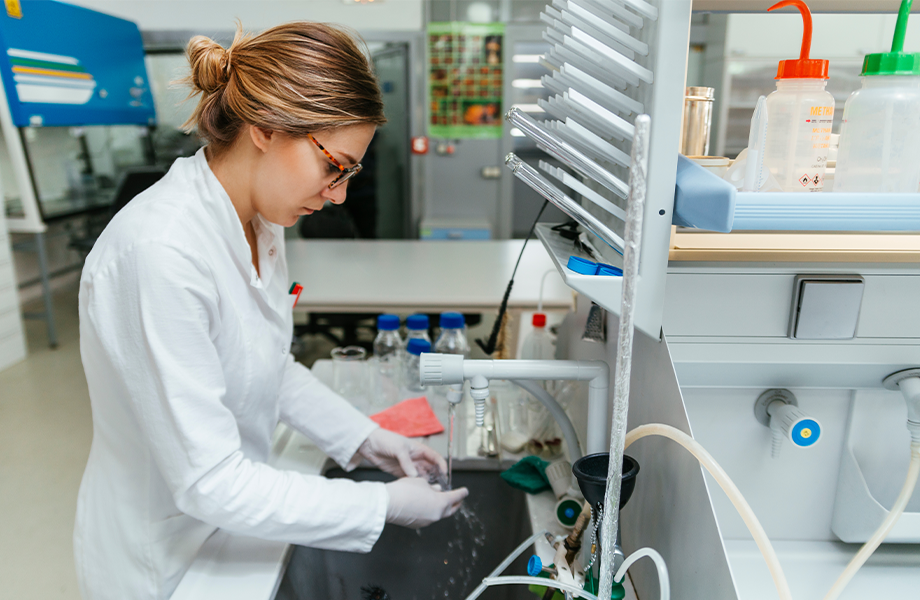
After cleaning, drying is important. Wet glassware can collect dust or germs.
Here are drying tips:
- Use a clean drying rack.
- Place glassware upside down to drain water.
- Use clean cloth or paper towels to dry outside.
- Do not use cloth inside narrow tubes.
- Air dry in a clean place.
Credit: www.borer.swiss
Safety Tips While Cleaning Glassware
Cleaning glassware may involve chemicals. Follow these safety rules:
- Wear gloves to protect skin.
- Wear safety goggles to protect eyes.
- Work in a well-ventilated area.
- Handle acids and bases carefully.
- Never mix cleaning chemicals.
- Dispose of waste properly.
Safety keeps everyone healthy and safe.
Summary Table of Cleaning Steps
| Step | Action | Purpose |
|---|---|---|
| 1 | Rinse with tap water | Remove loose dirt and chemicals |
| 2 | Wash with detergent and brush | Clean stuck dirt and stains |
| 3 | Rinse with tap water again | Remove soap and dirt |
| 4 | Final rinse with distilled water | Remove any leftover impurities |
| 5 | Dry with air or cloth | Prepare glassware for next use |
Tips for Keeping Glassware Clean Longer
- Clean glassware soon after use.
- Store in a clean, dry place.
- Avoid using harsh chemicals often.
- Use proper brushes for each glassware type.
- Inspect glassware before use for dirt.
Frequently Asked Questions
How Often Should Laboratory Glassware Be Cleaned?
Clean glassware after every use to avoid contamination and ensure accurate results.
What Is The Best Detergent For Cleaning Glassware?
Use a mild, non-abrasive laboratory detergent designed for glassware cleaning.
Can Hot Water Damage Laboratory Glassware?
No, but avoid sudden temperature changes to prevent glass breakage.
How To Remove Stubborn Stains From Glassware?
Soak glassware in warm detergent solution or use a gentle scrubbing brush.
Conclusion
Cleaning laboratory glassware is simple but very important. It helps keep experiments safe and results correct. Always rinse, wash, and dry glassware carefully. Use the right tools and chemicals for cleaning. Follow safety rules. Clean glassware is key for good science work.

Sophia Martinez is a culinary lifestyle writer and product reviewer for DiningGadgets.com. Passionate about blending style with functionality, she explores the latest dining essentials, kitchen décor, and cleaning hacks that transform everyday cooking spaces. With a background in home organization and design, Sophia brings readers expert advice on creating beautiful, practical kitchens that truly feel like the heart of the home.