

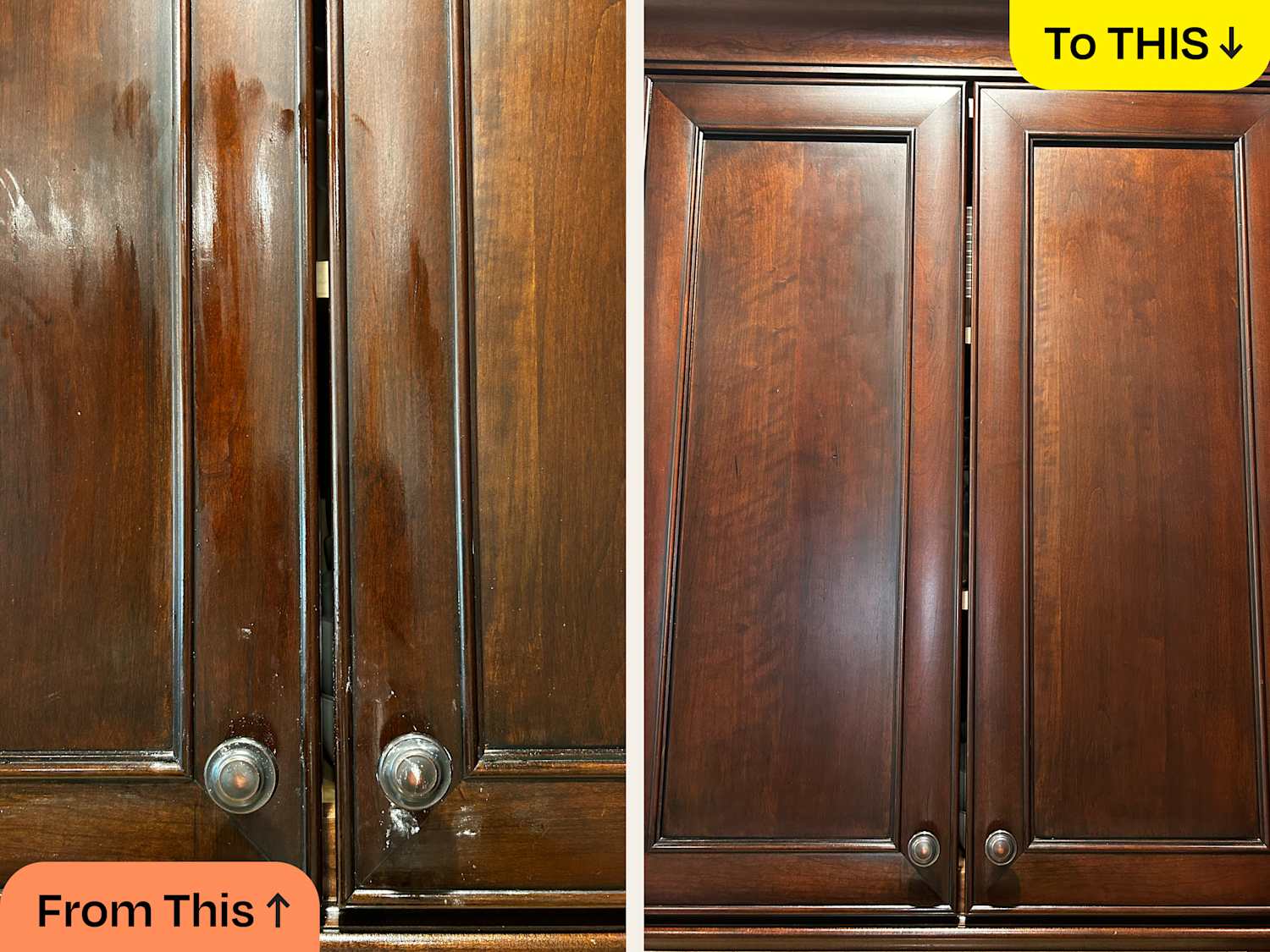
Are your kitchen walls and cabinets looking a bit dull or stained? Don’t worry; you’re not alone.
Over time, cooking splatters, grease, and everyday grime can build up, making your kitchen look less than its best. But here’s the good news: with the right techniques, you can restore them to their former glory. Imagine walking into your kitchen and seeing spotless walls and gleaming cabinets, transforming the entire space into a more inviting and enjoyable area to cook and entertain.
The secret lies in using effective cleaning methods that are simple yet powerful. Stick around, and you’ll discover step-by-step strategies to make your kitchen shine, all without spending a fortune or breaking a sweat. Ready to give your kitchen the makeover it deserves? Let’s dive in!
Credit: www.thekitchn.com
Preparing Your Cleaning Supplies
Getting your kitchen walls and cabinets sparkling clean starts long before you pick up a sponge. Preparing your cleaning supplies carefully can save you time and protect your surfaces from damage. Are you ready to gather exactly what you need for a successful cleaning session?
Choosing The Right Cleaners
Not all cleaners are safe for kitchen walls and cabinets. Some harsh chemicals can strip paint or ruin wood finishes. Look for gentle, non-abrasive cleaners labeled safe for painted surfaces or wood.
For greasy spots, a mix of warm water and mild dish soap works wonders. If you prefer natural options, white vinegar diluted with water can tackle grime without harsh fumes. Avoid bleach unless you’re dealing with mold, as it can discolor surfaces.
Gathering Tools And Materials
Having the right tools makes cleaning easier and more effective. You’ll want soft microfiber cloths, a bucket for your cleaning solution, and a gentle scrub brush for stubborn stains. Avoid rough sponges that might scratch your cabinets or walls.
Consider using a step stool to reach high places safely. Don’t forget gloves to protect your hands, especially if you use any chemical cleaners. Organizing everything before you start keeps you moving smoothly from one task to the next.
Clearing And Protecting The Area
Before you start cleaning your kitchen walls and cabinets, it’s crucial to clear and protect the area properly. This step prevents damage to your belongings and keeps your cleaning process smooth and efficient. Taking time to organize your workspace saves you from unexpected messes and lost items later.
Removing Items From Walls And Cabinets
Start by carefully taking down anything hanging on your kitchen walls, such as artwork, clocks, or shelves. These items can get wet or damaged during cleaning, so set them aside in a safe, dry spot.
Next, empty your cabinets completely. This not only protects your dishes and pantry items but also gives you better access to clean every corner thoroughly. Think about how much easier it was to clean your kitchen counter when it was clear—your cabinets deserve the same attention.
- Take out spices, dishes, and small appliances from cabinets.
- Remove magnets, hooks, and lightweight fixtures from walls.
- Store removed items on a table or countertop away from the cleaning zone.
Covering Floors And Nearby Surfaces
Protect your floors and nearby surfaces by covering them with drop cloths, old towels, or plastic sheets. This step prevents water drips, cleaning solution spills, and dirt from causing stains or damage.
Make sure the covering extends a few feet beyond the immediate cleaning area to catch any splashes. If you’ve ever had to scrub your floor after a cleaning project, you know how valuable this protection can be.
- Use waterproof covers to avoid soaking the floor.
- Secure covers with tape if needed to prevent slipping.
- Protect nearby furniture or appliances with plastic wrap or cloths.
Have you noticed how small preparations like these make cleaning less stressful and more effective? Clearing and protecting your kitchen area sets the stage for a deep clean without surprises.
Cleaning Kitchen Walls
Cleaning kitchen walls is essential to keep your space fresh and hygienic. Walls catch grease, food splashes, and dust easily. Regular cleaning prevents stains and damage. It also helps avoid mold growth in damp areas. A clean wall brightens the kitchen and improves the overall look.
Removing Grease And Stains
Grease and stains stick to kitchen walls after cooking. Use a mild dish soap mixed with warm water for cleaning. Dip a soft cloth or sponge into the solution. Wring out excess water to avoid soaking the wall. Gently wipe the stained areas in circular motions. For tough grease, add a small amount of baking soda to the soap mixture. Avoid harsh scrubbing to protect paint or wallpaper. Rinse with a clean damp cloth and dry the wall with a towel.
Dealing With Mold And Mildew
Mold and mildew appear in humid kitchens or near sinks. Mix equal parts of water and white vinegar in a spray bottle. Spray the affected areas and let it sit for 10 minutes. Scrub gently with a soft brush or cloth. Vinegar kills mold without harmful chemicals. For stubborn mold, use a paste made from baking soda and water. Apply the paste, scrub, and rinse well. Always wear gloves and ventilate the room during cleaning.
Drying And Ventilating Walls
Dry walls quickly after cleaning to prevent mold and damage. Use a dry towel or cloth to absorb moisture. Open windows and doors to increase air flow. Use fans to speed up drying if needed. Keep kitchen vents clean and working. Good ventilation reduces humidity and keeps walls dry. Regularly airing out the kitchen helps maintain clean, fresh walls.
Cleaning Kitchen Cabinets
Cleaning kitchen cabinets keeps your kitchen fresh and inviting. Cabinets collect dust, grease, and food splashes. Regular cleaning prevents damage and keeps surfaces bright. Focus on both the outside and inside for thorough care.
Cleaning Cabinet Surfaces
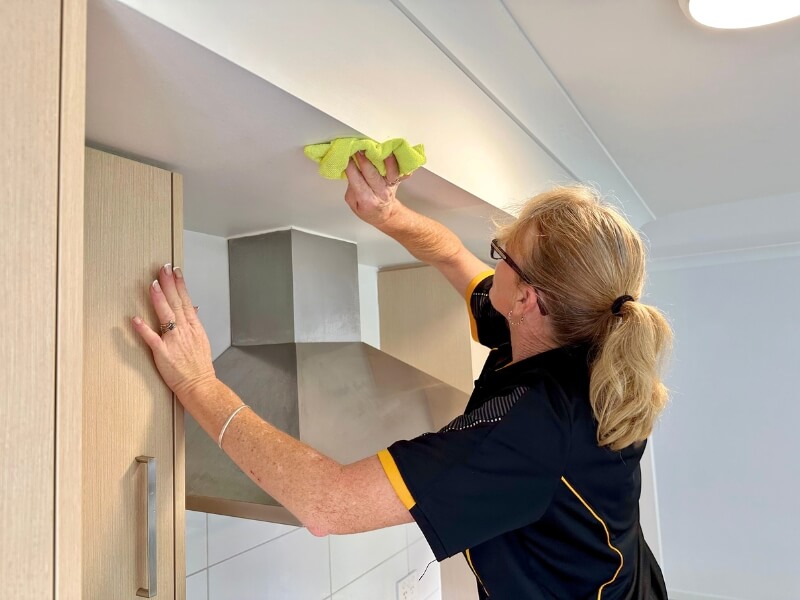
Start by wiping cabinet doors and frames with a soft cloth. Use warm water mixed with mild dish soap. Avoid harsh chemicals that can damage the finish. For tough stains, try a paste of baking soda and water. Gently scrub with a soft sponge. Dry the surface with a clean towel to prevent water spots.
Cleaning Cabinet Interiors
Empty cabinets before cleaning inside. Remove crumbs and dust with a vacuum or brush. Wipe shelves with a damp cloth and mild soap solution. Pay attention to corners and edges where dirt hides. Allow cabinets to dry completely before replacing items. Use shelf liners to protect surfaces from spills.
Polishing And Maintaining Cabinets
Polish wooden cabinets to restore shine and protect the wood. Use a wood polish or a mix of olive oil and vinegar. Apply with a soft cloth and buff gently. For painted cabinets, use a gentle polish made for painted surfaces. Clean handles and knobs with a disinfectant wipe. Regular upkeep extends the life of your cabinets.
Preventing Future Dirt Buildup
Preventing future dirt buildup on kitchen walls and cabinets makes cleaning easier and keeps your kitchen fresh. Small habits and protective steps help reduce grease, dust, and stains. Consistency is key to maintaining a clean kitchen environment.
Regular Cleaning Schedule
Set a regular cleaning routine to stop dirt from piling up. Wipe walls and cabinets weekly with a mild cleaner and soft cloth. Pay attention to areas near the stove and sink where grease and water spots form fast.
Use these tips for a simple schedule:
- Quick wipe every few days to remove surface dust
- Deep clean once a week for tough stains and grease
- Spot clean spills immediately to prevent permanent marks
Keeping up with this routine prevents buildup and keeps surfaces shiny.
Using Protective Coatings
Protective coatings create a barrier against dirt and stains on walls and cabinets. Use products like clear varnish, polyurethane, or special kitchen sealants. These coatings make cleaning faster and protect surfaces from moisture and grease.
Before applying, clean surfaces thoroughly and allow them to dry. Follow product instructions carefully for the best results. Reapply coatings as needed to maintain protection over time.
These coatings keep your kitchen looking fresh and reduce the effort needed for cleaning.

Credit: lifehacker.com
Tips For Tough Stains And Damage
Tough stains and damage on kitchen walls and cabinets need special care. They can make your kitchen look old and dirty. Using the right methods helps restore their original look. Some stains need more effort than regular cleaning. Scratches and chips can be fixed with simple tools. This section shares easy tips to handle these problems.
Removing Sticky Residue
Sticky residue comes from spills, tape, or labels. It can be hard to remove. Use warm soapy water and a soft cloth first. Rub gently to avoid damaging surfaces.
If residue stays, try these options:
- Apply a small amount of vinegar on a cloth and rub the spot.
- Use a baking soda paste (mix baking soda and water) to scrub gently.
- Try rubbing alcohol on a cotton ball for stubborn sticky areas.
Always test on a small hidden spot before full cleaning. Avoid harsh chemicals that can ruin paint or finish.
Repairing Scratches And Chips
Scratches and chips reduce the beauty of cabinets. Fixing them is simple with the right products. For minor scratches, use a colored wood marker or crayon that matches your cabinet color.
For deeper chips, try this:
- Clean the damaged area to remove dust and grease.
- Fill the chip with wood filler or putty using a small spatula.
- Let it dry completely, then sand lightly for smoothness.
- Apply matching paint or stain to blend the repair with the rest.
Regular care prevents further damage. Avoid sharp objects near cabinets.
Credit: www.maid2match.com.au
Frequently Asked Questions
How Often Should I Clean Kitchen Walls And Cabinets?
Clean kitchen walls and cabinets monthly to prevent grease buildup. Wipe spills immediately to avoid stains. Regular cleaning maintains hygiene and appearance.
What Is The Best Cleaner For Kitchen Walls?
Use a mild detergent or vinegar solution for most kitchen walls. Avoid harsh chemicals to protect paint and surfaces. Test cleaner on a small area first.
How Do I Remove Grease From Kitchen Cabinets?
Mix warm water with dish soap and a bit of vinegar. Use a soft cloth or sponge to gently scrub grease spots. Rinse and dry thoroughly.
Can I Use Bleach To Clean Kitchen Cabinets?
Bleach can damage wood and finishes, so use it cautiously. Dilute bleach properly and test on a hidden spot. Prefer mild cleaners for regular use.
Conclusion
Cleaning kitchen walls and cabinets keeps your space fresh and healthy. Use gentle cleaners to avoid damage. Regular wiping stops dirt and grease build-up. Small efforts lead to a cleaner kitchen every day. Remember, consistency matters more than deep scrubs.
Enjoy a neat kitchen that feels welcoming and bright. Simple steps make cleaning easy and quick. Keep your kitchen walls and cabinets shining with little work. A clean kitchen helps improve your home’s overall look and feel.
