

Are you tired of looking at those dull and greasy kitchen wall tiles? You’re not alone.
Keeping your kitchen spotless can feel like a never-ending battle, especially when it comes to those hard-to-reach tiles. But what if I told you that with a few simple tricks, you can make your kitchen walls shine like new? Imagine walking into your kitchen and feeling proud of how clean and fresh it looks.
In this guide, we’ll reveal the secrets to effortlessly cleaning your kitchen wall tiles, turning this chore into a breeze. Ready to transform your kitchen into the sparkling heart of your home? Let’s dive in and discover how you can achieve a pristine look that will make you smile every time you step into your kitchen.
Choosing The Right Cleaning Supplies
Choosing the right cleaning supplies is essential for keeping kitchen wall tiles spotless. The right products help remove grease and dirt without damaging the tiles or grout. Using harsh chemicals can cause discoloration or weaken the tile surface. Selecting safe cleaners and proper tools makes the cleaning process easier and more effective.
Safe Cleaners For Tiles
Opt for gentle cleaners designed for kitchen tiles. Mild dish soap mixed with warm water works well for daily cleaning. Vinegar diluted with water is great for removing light stains and grease. Avoid bleach or ammonia, as they can harm grout and tile finishes. Commercial tile cleaners labeled as non-abrasive offer safe and thorough cleaning. Always test any cleaner on a small tile area first.
Tools You’ll Need
Gather the right tools to clean tiles efficiently. Use a soft sponge or microfiber cloth to wipe surfaces without scratching. A soft-bristle brush helps scrub grout lines and textured tiles. A spray bottle aids in applying cleaning solutions evenly. Have a bucket for mixing cleaners and rinsing tools. Avoid steel wool or abrasive pads that can damage tile surfaces.

Credit: www.youtube.com
Preparing The Area
Getting your kitchen wall tiles ready for cleaning is more important than you might think. Proper preparation helps you avoid damage and makes the cleaning process smoother. Let’s look at how to prepare your space effectively.
Removing Surface Dirt
Start by wiping the tiles with a dry cloth or a soft brush to remove loose dust and crumbs. This step stops dirt from spreading when you add water or cleaning solutions. If you skip this, you might end up rubbing grit into the tiles, causing scratches.
Use a microfiber cloth for best results—it traps dust better than regular cloth. Pay close attention to corners and grout lines where dirt tends to gather. Have you noticed how much grime hides in those small gaps?
Protecting Surrounding Surfaces
Before you bring out any cleaning liquids, cover nearby countertops, appliances, and floors with old towels or plastic sheets. This prevents accidental spills and stains from soaking into surfaces that are harder to clean.
Masking tape can help seal edges near cabinets or switches to keep water out. Taking these simple precautions saves you from extra work later and keeps your kitchen looking fresh throughout the cleaning process.
Cleaning Techniques For Different Tile Types
Cleaning kitchen wall tiles effectively depends on the type of tile you have. Different materials react differently to cleaning products and techniques. Knowing the right approach not only keeps your tiles sparkling but also protects them from damage.
Ceramic And Porcelain Tiles
Ceramic and porcelain tiles are popular because they are durable and easy to maintain. Use a mild detergent mixed with warm water for routine cleaning. Avoid abrasive tools that can scratch the surface.
If you notice stubborn stains, try a mixture of baking soda and water applied gently with a soft cloth. Rinse thoroughly with clean water to avoid residue buildup. A quick tip: dry the tiles after cleaning to prevent water spots.
Have you ever tried vinegar on these tiles? While it might seem like a good natural cleaner, avoid using vinegar regularly on porcelain, as its acidity can dull the finish over time.
Natural Stone Tiles
Natural stone tiles, like marble or granite, require more care because harsh chemicals can cause etching or discoloration. Use pH-neutral cleaners specifically designed for stone surfaces.
After cleaning, wipe the tiles dry immediately to prevent water absorption and staining. Sealing your natural stone tiles annually can also protect them from spills and grime.
Think about the last time you cleaned stone tiles—did you notice any dull spots afterward? That’s often a sign the cleaner was too strong or acidic. Sticking to gentle products preserves the stone’s natural beauty.
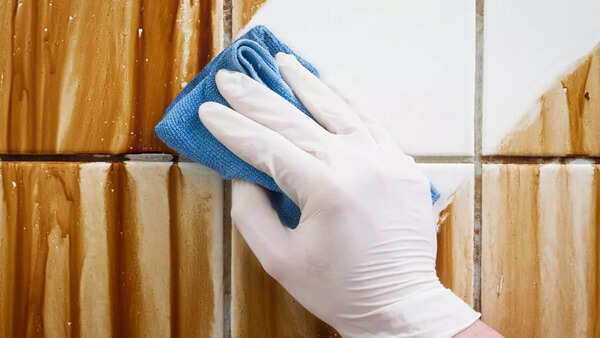
Credit: timesofindia.indiatimes.com
Dealing With Stubborn Stains
Stubborn stains on kitchen wall tiles can test your patience. These marks often resist simple wiping, making the cleaning task feel overwhelming. Yet, with the right approach, you can restore your tiles to their original shine without harsh chemicals or excessive scrubbing.
Grease And Oil Marks
Grease and oil stains cling tightly to tile surfaces, especially near cooking areas. To tackle these, start with a mixture of warm water and dish soap. Dish soap is designed to cut through grease, making it an effective first step.
Use a soft sponge or cloth soaked in the soapy water and gently scrub the stained areas. If the marks persist, sprinkle baking soda directly on the stain and then scrub with a damp sponge. Baking soda acts as a mild abrasive and absorbs oil, helping to lift the grease without damaging your tiles.
Rinse with clean water and dry with a soft cloth to avoid water spots. Have you noticed how a little patience and the right household ingredients can outperform expensive cleaners?
Mold And Mildew Removal
Mold and mildew often develop in grout lines where moisture lingers. A simple and effective solution is a blend of white vinegar and water in equal parts. Spray this mixture onto the affected areas and let it sit for about 10 minutes.
After waiting, scrub the grout gently with a small brush or an old toothbrush. Vinegar’s natural acidity breaks down mold spores and prevents regrowth. If the smell of vinegar bothers you, try wiping the tiles afterward with a damp cloth dipped in water and a few drops of essential oil.
For tougher mold, a paste made from baking soda and water can be applied directly to grout lines before scrubbing. Are you surprised that common kitchen staples can handle mold without turning your space into a chemical zone?
Maintaining Tile Shine
Maintaining the shine of kitchen wall tiles keeps your space bright and fresh. Clean tiles reflect light better and make your kitchen look inviting. Consistent care prevents dullness and staining over time. Simple habits help preserve that glossy, new look.
Regular Cleaning Routine
Wipe tiles with a soft cloth or sponge daily. Use warm water mixed with mild soap for gentle cleaning. Avoid harsh chemicals that can damage the tile surface. Dry tiles after cleaning to prevent water spots. Clean grout lines with a soft brush to stop dirt buildup. Regular cleaning stops grime from settling in.
Sealing And Polishing Tips
Seal tiles and grout to protect from stains and moisture. Use a sealant suitable for your tile type. Apply sealant every six months for best results. Polish tiles with a tile-safe product to restore shine. Use a microfiber cloth for polishing to avoid scratches. Polishing enhances the tile’s natural gloss and makes cleaning easier.
:max_bytes(150000):strip_icc()/GettyImages-1543972551-262a8d8a3129466c9c1a98e6cda506c7.jpg "How to Clean Kitchen Wall Tiles: Easy Tips for a Sparkling Shine 3")
Credit: www.marthastewart.com
Avoiding Common Mistakes
Cleaning kitchen wall tiles might seem straightforward, but it’s easy to make mistakes that can cause more harm than good. Avoiding these common errors will save you time, effort, and money. Let’s look at key pitfalls to steer clear of and how to protect your tiles and grout during cleaning.
Harsh Chemicals To Skip
Many people reach for strong cleaners like bleach or ammonia to tackle tough stains. However, these harsh chemicals can damage the tile surface and dull its finish over time.
Instead, opt for gentle solutions like diluted vinegar or baking soda paste. These natural options clean effectively without risking discoloration or etching.
Have you ever noticed a strange film left on your tiles after cleaning? That’s often leftover residue from aggressive cleaners. Avoid this by rinsing well or using milder products from the start.
Preventing Damage To Grout
Grout is vulnerable during cleaning and can easily crack or erode if treated improperly. Avoid scrubbing grout with hard brushes or abrasive tools that can wear it down.
Use a soft toothbrush or sponge and apply cleaner gently. Sealing grout regularly also helps protect it from moisture and stains.
Think about the last time your grout looked fresh and intact. What cleaning habits helped maintain it? Consistency and care make a big difference here.
Frequently Asked Questions
How Often Should I Clean Kitchen Wall Tiles?
Clean kitchen wall tiles at least once a week. Regular cleaning prevents grease and grime buildup. Wipe spills immediately to keep tiles looking fresh and hygienic.
What Is The Best Cleaner For Kitchen Wall Tiles?
A mild detergent mixed with warm water works well. For tough stains, use a vinegar and water solution. Avoid harsh chemicals that can damage tile surfaces.
How Do I Remove Grease From Kitchen Wall Tiles?
Use a mixture of baking soda and water to scrub grease. Alternatively, a vinegar solution helps dissolve oily residues. Rinse thoroughly and dry with a soft cloth.
Can I Use Bleach To Clean Kitchen Wall Tiles?
Bleach can be used sparingly for mold or mildew. Always dilute bleach with water and ventilate the area well. Avoid frequent use to prevent tile discoloration or damage.
Conclusion
Cleaning kitchen wall tiles keeps your space fresh and bright. Use gentle cleaners to avoid damage. Regular wiping prevents tough stains and buildup. A little effort each week saves big scrubbing later. Clean tiles improve your kitchen’s look and feel.
Try these simple steps to keep tiles spotless. Enjoy a cleaner, healthier kitchen every day.
