

Is your kitchen wall exhaust fan looking a bit grimy lately? You might not realize it, but this hardworking appliance plays a vital role in keeping your kitchen fresh and free from lingering odors.
Over time, grease, dust, and grime can build up, reducing its efficiency and turning a once powerful fan into a sluggish mess. But don’t worry—cleaning it doesn’t have to be a daunting task. With a few simple steps, you can restore your kitchen exhaust fan to its former glory, improving both its performance and the air quality in your home.
Ready to breathe new life into your kitchen space and ensure your fan is working at its best? Let’s dive into the easy, effective methods that will have your exhaust fan sparkling in no time.
Tools And Materials Needed
Cleaning your kitchen wall exhaust fan requires some basic tools and materials. Having everything ready makes the process smooth and efficient. Prepare these items before you start to save time and avoid interruptions.
Cleaning Supplies
- Mild dish soap to remove grease and dirt
- Warm water for rinsing
- White vinegar to break down stubborn grime
- Baking soda for extra scrubbing power
- Microfiber cloths for gentle wiping
- Soft-bristle brush or old toothbrush to reach tight spots
Tools For Disassembly
- Screwdriver set to remove fan cover and screws
- Step ladder or sturdy stool to reach the exhaust fan safely
- Small container or bowl to keep screws and small parts
Safety Equipment
- Protective gloves to keep hands clean and safe
- Face mask to avoid inhaling dust or grease particles
- Safety goggles if needed to protect eyes during scrubbing
Safety Precautions
Cleaning your kitchen wall exhaust fan involves working with electrical components and grease build-up, which can be risky if you’re not cautious. Taking the right safety precautions protects you from accidents and ensures the cleaning process goes smoothly. Let’s go over essential safety steps you should never skip before you start.
Turn Off The Power Supply
Always switch off the power to the exhaust fan at the circuit breaker. Just unplugging the fan won’t guarantee safety because some wall exhaust fans are hardwired. Double-check by trying to turn the fan on after shutting off the breaker—no noise means it’s safe to proceed.
Use Protective Gear
Wear gloves to shield your hands from sharp edges and sticky grease. Safety goggles are also a must to protect your eyes from dust and cleaning sprays. I once skipped goggles and ended up with cleaner in my eyes—trust me, it’s not worth the risk.
Work In A Well-ventilated Area
Cleaning sprays and degreasers release fumes that can irritate your nose and throat. Open windows or turn on a nearby fan to keep fresh air circulating. This simple step makes the whole cleaning experience more comfortable and safer.
Handle Components Carefully
Exhaust fans have delicate parts like the motor and wiring. Avoid pulling or twisting these components too hard. If something feels stuck, pause and reassess rather than forcing it; this prevents damage and potential injury.
Keep A Stable Ladder Or Step Stool
Many wall exhaust fans are positioned high, requiring you to climb. Use a sturdy ladder or step stool that won’t wobble. Make sure the ladder is on a flat surface and never overreach while cleaning—your safety depends on stable footing.
Preparing The Exhaust Fan
Preparing the kitchen wall exhaust fan is key before cleaning. Proper preparation ensures safety and effective cleaning. This process involves cutting off power and removing the fan cover carefully. Taking these steps helps avoid accidents and damage. Follow these simple actions to prepare your exhaust fan for cleaning.
Turning Off The Power
Safety is the top priority. Locate the circuit breaker or switch controlling the exhaust fan. Turn it off to cut the power supply. Double-check the fan to confirm it is not running. This prevents any electrical shocks or injuries during cleaning. Never start cleaning without disconnecting the power first.
Removing The Fan Cover
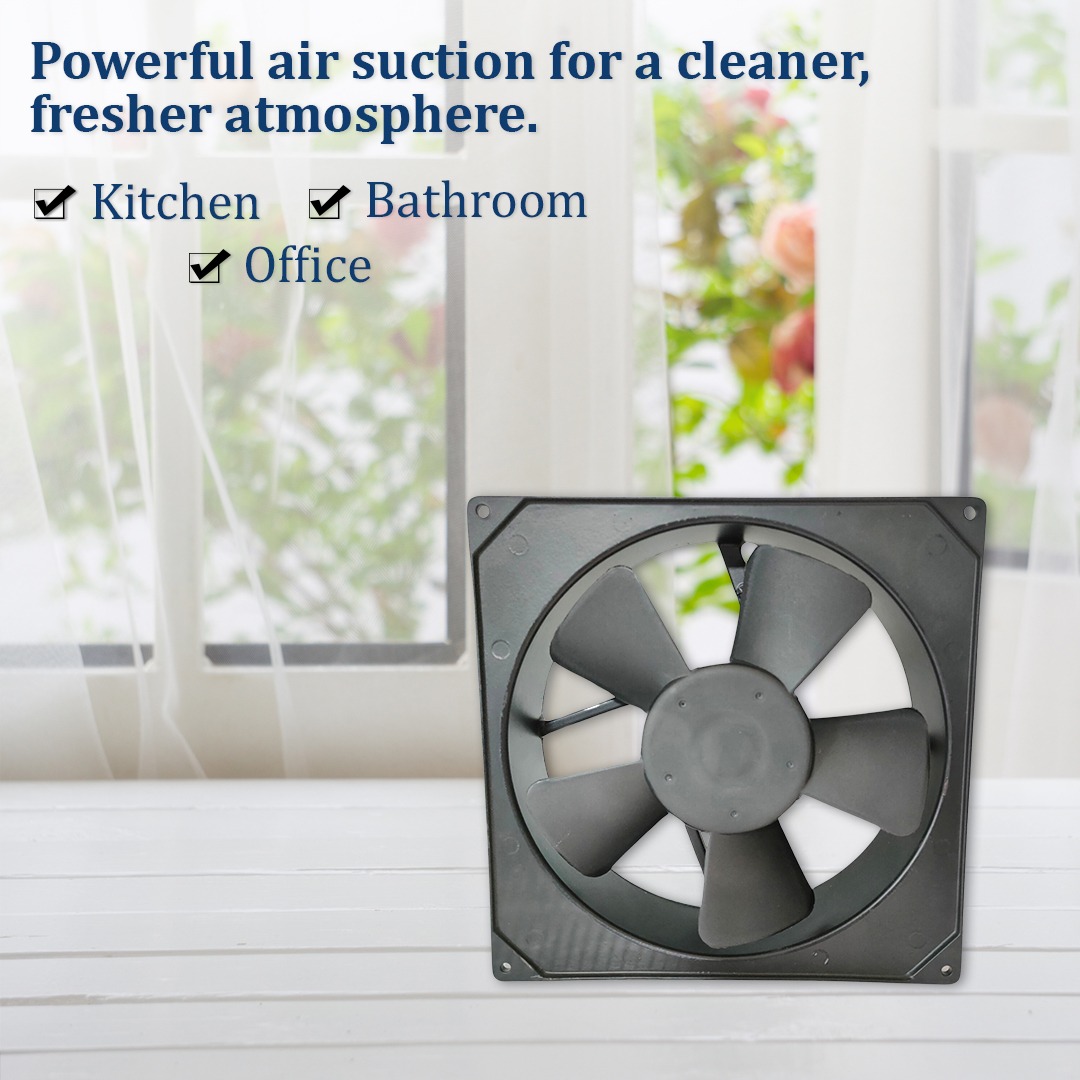
Fan covers collect grease and dust, so they need cleaning. Use a screwdriver if screws hold the cover in place. Keep screws safe to avoid losing them. Gently pull or slide the cover off. Avoid forcing it to prevent damage. Place the cover on a flat surface ready for cleaning. This step exposes the fan blades and inner parts for thorough cleaning.
Credit: www.indiaorbit.in
Cleaning The Fan Blades
Cleaning the fan blades of your kitchen wall exhaust fan is essential for maintaining its efficiency and air quality. Over time, grease, dust, and grime build up, reducing airflow and making your kitchen less comfortable. Taking time to clean these blades not only improves performance but also extends the life of your fan.
Dust Removal
Start by turning off the power to your exhaust fan for safety. Use a soft brush or a microfiber cloth to gently wipe off loose dust and debris from each blade. You can also use a vacuum cleaner with a brush attachment to reach tight spots without spreading dust around.
Don’t rush this step; dust can hide in corners and edges. Are you surprised by how much dust accumulates on blades you rarely notice? Regular dust removal keeps your fan running smoothly and prevents allergens from circulating in your kitchen.
Deep Cleaning Methods
If your fan blades look sticky or coated with grease, it’s time for a deeper clean. Prepare a solution of warm water mixed with mild dish soap or vinegar. Dampen a cloth or sponge in the solution and carefully wipe down each blade, focusing on greasy areas.
For stubborn grime, use a soft-bristled toothbrush to scrub gently without damaging the blade surface. Avoid soaking the blades or using harsh chemicals that might harm the fan’s motor or finish. After cleaning, dry the blades thoroughly with a clean towel to prevent rust or damage.
Have you ever noticed how much better your kitchen smells and feels after a thorough fan blade cleaning? It’s a small task that makes a big difference in your cooking environment.
Cleaning The Fan Cover And Surroundings
Cleaning the fan cover and the area around your kitchen wall exhaust fan is essential to keep your kitchen fresh and free from grease buildup. This part of the fan is often overlooked but tends to collect a lot of dust, grease, and grime that can affect the fan’s efficiency and your kitchen’s air quality. Taking the time to clean these surfaces not only improves the fan’s performance but also enhances the overall cleanliness of your cooking space.
Removing The Fan Cover Safely
Before you start cleaning, make sure to turn off the power to the exhaust fan to avoid any accidents. Most fan covers can be removed by gently pulling them off or unscrewing a few screws, but check your model’s manual if you’re unsure. Handling the cover carefully prevents damage and makes the cleaning process easier.
Cleaning Techniques For The Fan Cover
Use warm, soapy water and a soft cloth or sponge to wipe down the fan cover. Avoid harsh chemicals that could damage the finish or plastic parts. If grease is stubborn, a mixture of baking soda and water can help lift the grime without scratching the surface.
Wiping Down The Surrounding Wall Area
Don’t forget the wall area around the fan, as it often gathers grease splatters and dust. Use a mild degreaser or vinegar solution with a soft cloth to clean this space. Regular wiping prevents buildup that can discolor walls and affect air quality.
Drying And Reassembling The Fan Cover
After cleaning, allow the fan cover to dry completely to avoid moisture-related issues like mold. Use a clean towel or let it air dry in a well-ventilated area. Once dry, reattach the cover securely before turning the power back on.

Credit: www.electriciantalk.com
Reassembling The Exhaust Fan
Reassembling the kitchen wall exhaust fan is a crucial part of the cleaning process. It ensures that your fan works smoothly and safely after thorough cleaning. Taking your time here will save you from future hassles and keep your kitchen air fresh.
Check All Parts For Damage Before Reassembly
Before putting anything back, inspect each component carefully. Look for cracks, rust, or wear on the fan blades, housing, and screws. If you spot any damage, consider replacing the part to avoid breakdowns or safety risks later.
Reattach The Fan Blades Securely
Align the fan blades with the motor shaft carefully. Tighten the screws or bolts firmly but avoid over-tightening, which can strip threads or warp parts. A loose blade can cause noise and reduce efficiency, so make sure it sits stable and balanced.
Position The Motor And Housing Correctly
Slide the motor back into its housing, ensuring it fits snugly without forcing it. Check that any wiring is correctly routed and not pinched or stretched. Proper positioning helps the fan run quietly and prevents motor strain.
Replace The Grill And Filters With Care
Attach the grill over the fan, lining up the screw holes or clips. If your fan has a filter, place it in the correct slot before securing the grill. This step keeps dust out and ensures your fan maintains good airflow.
Test The Fan Before Finalizing
Turn on the fan briefly to check for unusual noises or vibrations. If something feels off, turn it off and adjust the parts again. Testing early saves you the trouble of disassembling it once more later.
Have you ever rushed reassembly only to find the fan rattling noisily? Taking these careful steps really makes a difference in performance and longevity. Your kitchen deserves a fan that runs smoothly and quietly.
Maintaining Your Exhaust Fan
Maintaining your kitchen wall exhaust fan keeps your kitchen air fresh and clean. It helps the fan work efficiently and lasts longer. Regular care prevents grease buildup and bad smells. Simple habits make a big difference in fan performance.
Regular Cleaning Schedule
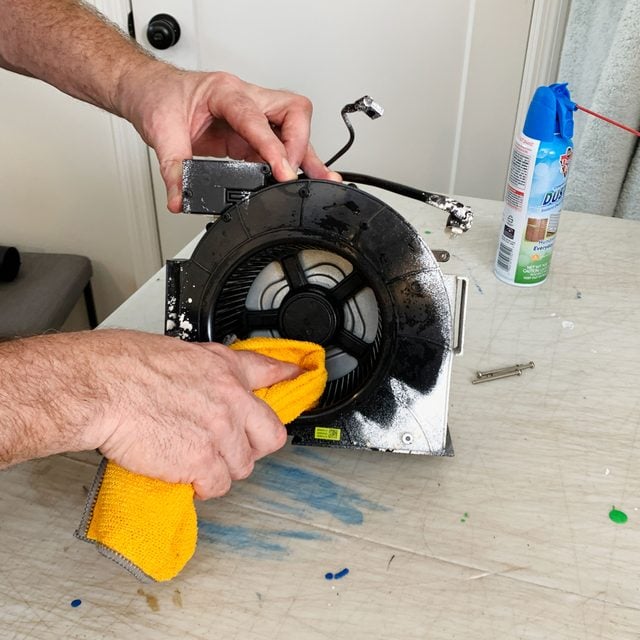
Set a weekly or biweekly cleaning routine. Wipe the fan blades and exterior with a damp cloth. Remove and clean the filter every month. Use warm, soapy water to wash the filter. Dry it completely before putting it back. Regular cleaning stops grease from hardening and blocking airflow.
Tips To Prevent Grease Buildup
- Cook with lids on pots and pans to reduce grease spread.
- Turn on the exhaust fan before cooking starts.
- Clean spills on the stove immediately to avoid splatter.
- Use a degreaser spray on the fan surface once a month.
- Check the ductwork for blockages or dirt yearly.
Credit: www.familyhandyman.com
Frequently Asked Questions
How Often Should I Clean My Kitchen Wall Exhaust Fan?
Clean your kitchen wall exhaust fan every 3 to 6 months. Frequent cleaning prevents grease buildup and improves airflow. Regular maintenance extends the fan’s lifespan and keeps your kitchen fresh and odor-free.
What Tools Are Needed To Clean An Exhaust Fan?
You need a screwdriver, brush, mild detergent, microfiber cloth, and warm water. These tools help remove grease and dust safely. Avoid harsh chemicals to protect the fan’s surface and motor.
Can I Clean The Exhaust Fan Without Removing It?
Yes, you can clean the fan’s surface and grill without removal. Use a damp cloth and mild detergent for easy cleaning. However, deep cleaning requires removing the fan for thorough maintenance.
Is It Safe To Clean The Exhaust Fan Myself?
Yes, it is safe if you turn off the power first. Follow the manufacturer’s instructions and use proper tools. If unsure, consider professional cleaning to avoid damage or injury.
Conclusion
Cleaning your kitchen wall exhaust fan keeps air fresh and kitchen safe. Regular cleaning stops grease build-up and bad smells. Use simple tools and safe cleaners for best results. Take time to clean all parts carefully and often. A clean fan works better and lasts longer.
Keep your kitchen healthy with this easy habit. Try these steps today and enjoy a cleaner kitchen space.
