

Are your kitchen walls stained with stubborn grease, making your painting project feel impossible? You’re not alone.
Grease can cling to walls, ruining paint and leaving your kitchen looking dull. But don’t worry—before you grab that brush, there’s a simple way to clean those greasy spots and ensure your new paint sticks perfectly. You’ll discover easy, effective steps to get your kitchen walls spotless and ready for a fresh, flawless coat of paint.
Keep reading—your dream kitchen makeover starts here!
Prepare The Area
Preparing the area is the first key step to clean grease off kitchen walls before painting. This stage helps make cleaning easier and protects your kitchen from damage. Taking time to set up properly saves effort later and ensures good results.
Clear The Kitchen Walls
Remove all items hanging on the walls. Take down pictures, clocks, and shelves. Clear countertops near the walls to avoid splashes. This gives full access to greasy spots. It also prevents dirt from spreading to your belongings.
Gather Cleaning Supplies
Collect all necessary tools before starting. You will need:
- Warm water
- Dish soap or degreaser
- Sponge or soft cloth
- Bucket
- Rubber gloves
- Old towels or rags
Having supplies ready helps you work smoothly and fast.
Protect Surrounding Surfaces
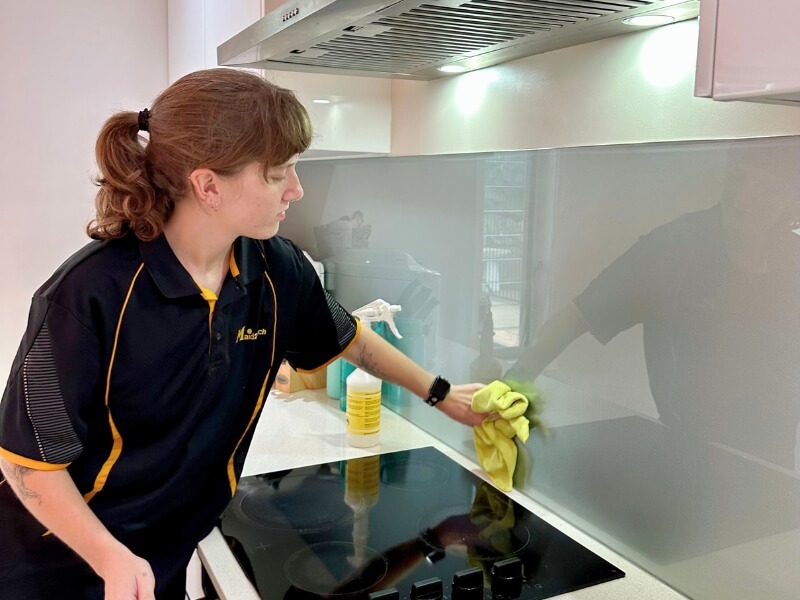
Cover nearby areas to avoid damage. Use painter’s tape to protect edges of cabinets and countertops. Lay down old towels or plastic sheets on the floor. This stops water or cleaning solution from spreading. Protecting surfaces keeps your kitchen clean and safe during cleaning.
Credit: www.maid2match.com.au
Choose The Right Cleaner
Choosing the right cleaner is key to removing grease effectively from kitchen walls. The right product breaks down oily residues without damaging the paint or surface. Cleaners vary in strength and ingredients, so select one that suits your wall material and personal preferences.
Some cleaners offer fast action but contain strong chemicals. Others use natural ingredients that are safer but may need more effort. Knowing the options helps you pick the best cleaner for a smooth painting process.
Commercial Degreasers
Commercial degreasers are made specifically to cut through tough grease. They often come in spray or liquid form and work quickly on kitchen walls. Look for products labeled safe for painted surfaces to avoid damage.
- Powerful grease removal
- Easy to apply and rinse off
- Available in most hardware stores
- May contain harsh chemicals
Homemade Cleaning Solutions
Homemade solutions use common household items to tackle grease. Mixing vinegar, dish soap, and warm water creates a strong cleaner. This option is budget-friendly and easy to prepare.
- Mix 1 cup vinegar, 1 tablespoon dish soap, 1 gallon warm water
- Apply with a sponge or cloth
- Rinse well with clean water
- Gentle on most surfaces
Natural Alternatives
Natural cleaners use ingredients like baking soda or lemon juice. These work well on light grease and are eco-friendly. They suit those who want to avoid chemicals and keep the kitchen safe for kids and pets.
- Baking soda paste removes grease gently
- Lemon juice cuts grease and leaves a fresh scent
- Safe for painted walls and delicate surfaces
- Requires some scrubbing effort
Clean The Walls
Cleaning grease off your kitchen walls before painting is essential to ensure the new paint sticks well and looks fresh. Grease can prevent paint from adhering properly, leading to peeling or uneven finishes. Taking the time to clean your walls thoroughly can save you from frustrating touch-ups later on.
Test A Small Area
Before applying any cleaner, pick a small, hidden spot on your wall to test it. This helps you check if the cleaner damages the paint or wall surface. Always wait a few minutes after applying to see the reaction.
Have you ever ruined a wall by rushing to clean it? Testing first prevents that mistake.
Apply Cleaner Effectively
Use a degreasing cleaner or a mix of warm water and dish soap to tackle the grease. Apply the solution with a sponge or soft cloth, focusing on greasy spots. Avoid soaking the wall; a damp cloth is enough.
Don’t forget to wear gloves if you’re using strong cleaners—your skin will thank you later.
Scrub Gently
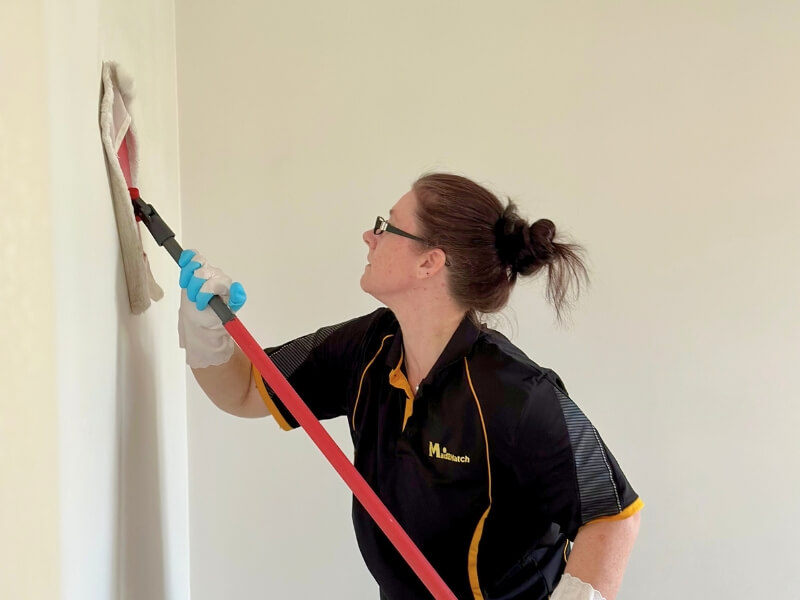
Scrub the wall gently using circular motions to lift the grease without damaging the surface. Use a soft-bristle brush or sponge to avoid scratching. If the grease is stubborn, let the cleaner sit for a few minutes before scrubbing again.
Have you noticed how gentle scrubbing often works better than harsh rubbing? It protects the wall and still gets the job done.
Rinse And Dry
After scrubbing, rinse the walls with clean water to remove any leftover cleaner or grease. Use a clean cloth or sponge dampened with water for this step. Finally, dry the walls thoroughly with a towel or let them air dry before painting.
Skipping the rinse can leave residue that affects paint adhesion—do you want your hard work to go to waste?
Remove Stubborn Grease
Removing stubborn grease from kitchen walls is essential before painting. Grease creates a sticky layer that prevents paint from sticking well. Cleaning it thoroughly ensures a smooth, fresh surface. Use gentle but effective methods to avoid damaging the wall. Here are some simple ways to tackle tough grease spots.
Use Baking Soda Paste
Baking soda is a natural cleaner that cuts through grease. Mix baking soda with a little water to make a thick paste. Apply the paste to greasy areas using a soft cloth or sponge. Let it sit for 10 to 15 minutes. Then, scrub gently in circular motions. Wipe clean with a damp cloth to remove residue. Baking soda is safe and won’t harm paint or wallpaper.
Try Vinegar Solutions
White vinegar breaks down grease and cleans walls effectively. Mix equal parts of white vinegar and warm water in a spray bottle. Spray the solution on the greasy spots and let it sit for 5 minutes. Use a soft sponge or cloth to wipe the area. Rinse with clean water and dry with a towel. Vinegar also helps remove odors, leaving the kitchen fresh.
Use A Magic Eraser
Magic erasers work well on stubborn grease stains. Dampen the eraser slightly with water. Gently rub the greasy spots in small circles. Avoid using too much pressure to protect the paint. The eraser lifts grease without chemicals or harsh scrubbing. After cleaning, wipe the wall with a damp cloth to remove any leftover residue.
Prepare Walls For Painting
Preparing kitchen walls before painting is essential for a smooth, lasting finish. Cleaning grease is just the first step. The walls need proper treatment to ensure paint sticks well and looks even. This process involves sanding, filling, and priming the surface. Each step helps fix imperfections and creates a strong base for new paint.
Sand The Surface
Sanding removes any leftover grease, dirt, or rough patches. Use fine-grit sandpaper to lightly sand the entire wall. Focus on areas with peeling paint or stains. Sanding also helps the primer and paint stick better. After sanding, wipe the walls with a damp cloth to remove dust.
Fill Cracks And Holes
Cracks and holes can ruin the paint job. Use a putty knife to apply spackle or wall filler to damaged spots. Smooth the surface and let it dry completely. Once dry, sand the filled areas to blend them with the rest of the wall. This creates a clean, even surface for painting.
Prime The Walls
Priming seals the wall and blocks stains from showing through paint. Choose a stain-blocking primer, especially after cleaning greasy walls. Apply a thin, even coat with a brush or roller. Allow the primer to dry fully before painting. Priming improves paint adhesion and enhances the color’s brightness.
Credit: www.maid2match.com.au
Credit: www.maid2match.com.au
Frequently Asked Questions
How Do I Remove Grease Before Painting?
To remove grease, use a mixture of warm water and dish soap. Apply it with a sponge, scrub gently, and rinse with clean water. For stubborn stains, consider using a degreaser or vinegar solution. Ensure the wall is completely dry before proceeding with painting.
Can Vinegar Clean Kitchen Walls Effectively?
Yes, vinegar is an effective natural cleaner for grease. Mix equal parts of vinegar and water, apply with a cloth, and scrub gently. Rinse with water to remove any vinegar residue. This method is eco-friendly and safe for most surfaces.
What Products Remove Grease From Walls?
Common products include dish soap, vinegar, baking soda, and commercial degreasers. Dish soap mixed with warm water is ideal for light grease. For tougher stains, a commercial degreaser or vinegar solution works well. Always test a small area first to ensure compatibility.
Is Baking Soda Good For Grease Removal?
Yes, baking soda is effective for grease removal. Make a paste with water and apply to the grease spot. Let it sit for a few minutes, then scrub gently with a sponge. Rinse thoroughly with water to remove any residue.
Conclusion
Cleaning grease off kitchen walls takes time and care. Use gentle cleaners and soft cloths to avoid damage. Test any cleaner on a small spot first. Rinse walls well to remove all residue. Let walls dry completely before painting. Clean walls help paint stick better and last longer.
A clean surface also makes your kitchen look fresh. Follow these steps to prepare your walls right. Your paint job will turn out smooth and neat. Simple effort now saves you trouble later.
