

Cleaning chemistry glassware is very important. Clean glassware helps make good results. Dirty glassware can cause mistakes. It can mix chemicals and give wrong answers.
In this article, you will learn how to clean your chemistry glassware the right way. The steps are easy to follow. We use simple language. So, anyone can understand it.
Why Clean Chemistry Glassware?
Before we start, let’s talk about why cleaning glassware is needed.
- Remove old chemicals: Some chemicals can stay on the glass. They can mix with new chemicals.
- Prevent contamination: Dirty glassware can change results in experiments.
- Keep glassware safe: Cleaning keeps glassware in good condition.
- Good lab practice: Clean tools show you are careful and professional.
Types of Chemistry Glassware
Different glassware needs different cleaning methods. Here are common types:
| Glassware | Use |
|---|---|
| Beakers | Hold liquids and mix chemicals |
| Flasks (Erlenmeyer, Volumetric) | Mix and measure liquids |
| Test tubes | Hold small amounts of chemicals |
| Graduated cylinders | Measure liquid volume |
| Glass pipettes | Move small amounts of liquid |
Basic Steps to Clean Chemistry Glassware
Follow these steps to clean most glassware:
- Rinse with water: Start by rinsing glassware with tap water. This removes loose dirt.
- Use detergent: Add a small amount of lab-safe detergent. Use a brush or cloth to scrub.
- Rinse well: Rinse again with tap water to remove detergent and dirt.
- Rinse with distilled water: This removes any minerals left by tap water.
- Dry: Let glassware air dry or use a clean towel.
Detailed Cleaning for Different Glassware
Some glassware needs special care. Here is how to clean each type well.
Beakers And Flasks
These are easy to clean because they have wide openings.
- Rinse with tap water.
- Add warm water and detergent inside.
- Use a brush to scrub all sides.
- Rinse with tap water thoroughly.
- Rinse with distilled water to avoid spots.
- Place upside down on a rack to dry.
Test Tubes
Test tubes are narrow. Cleaning is trickier.
- Rinse with tap water immediately after use.
- Use a test tube brush with detergent inside.
- Scrub well but gently to avoid breakage.
- Rinse with tap water thoroughly.
- Rinse with distilled water.
- Let air dry upside down in a rack.
Graduated Cylinders
These are used for measuring liquids. Clean carefully.
- Rinse with tap water.
- Fill with warm water and detergent.
- Swirl the solution to clean inside.
- Use a long brush if needed.
- Rinse with tap water well.
- Finish with distilled water rinse.
- Dry by placing on a rack or towel.
Glass Pipettes
Pipettes need special care. They are thin and delicate.
- Rinse immediately after use with water.
- Use pipette brush or run detergent solution through.
- Rinse with tap water several times.
- Rinse with distilled water to avoid spots.
- Allow to air dry vertically with tip down.
Tips for Cleaning Chemistry Glassware
- Clean glassware right after use. It is easier and better.
- Use gloves. Protect your hands from chemicals and detergent.
- Do not use strong acids or bases unless needed. They can damage glassware.
- Use brushes that fit well. Different glassware needs different brush sizes.
- Handle glassware carefully. Glass can break and cause injury.
- Do not use abrasive pads. They scratch glass and make it weak.
- Use distilled water for final rinse. It helps stop spots and residue.
- Store dry glassware properly. Avoid dust and dirt.
How to Remove Tough Stains and Residues
Sometimes, glassware has tough stains. Here are ways to clean them:
Using Acid Cleaning Solution
Acid solutions help remove mineral or metal stains.
- Prepare a dilute acid solution (like 10% hydrochloric acid).
- Wear gloves and goggles for safety.
- Soak the glassware in acid for 10-30 minutes.
- Rinse well with tap water.
- Rinse again with distilled water.
Warning: Handle acids carefully. Follow lab safety rules.
Using Chromic Acid Solution
Chromic acid is strong but dangerous. Use only if allowed.
- Prepare chromic acid carefully.
- Soak glassware for several hours.
- Rinse many times with tap water.
- Rinse finally with distilled water.
Note: Many labs do not use chromic acid now. It is toxic.
Using Soap And Baking Soda Paste
Baking soda helps remove organic stains.
- Make a paste with baking soda and water.
- Apply paste on the stain.
- Scrub gently with a brush.
- Rinse with water and detergent.
- Rinse with distilled water.
Using Hot Water Soaking
Hot water helps dissolve some residues.
- Fill glassware with hot water.
- Add some detergent.
- Let soak for 30 minutes or more.
- Scrub and rinse as normal.

Credit: pobel.com
How to Dry Chemistry Glassware
Drying glassware is important to avoid water spots.
- Air drying is best. Place glassware upside down.
- Use clean drying racks.
- Do not use towels that leave lint.
- For fast drying, use warm air or drying ovens.
- Make sure glassware is completely dry before use.
Safety Tips When Cleaning Glassware
- Wear gloves: Protect skin from chemicals and detergent.
- Wear goggles: Protect eyes from splashes.
- Work in a well-ventilated area: Avoid breathing fumes.
- Handle glassware gently: Avoid breakage and cuts.
- Know chemical hazards: Read labels before using acids or strong cleaners.
- Dispose of waste properly: Follow lab rules for chemical waste.
Summary Table: Cleaning Chemistry Glassware
| Glassware Type | Cleaning Method | Drying |
|---|---|---|
| Beakers and Flasks | Rinse, detergent wash, rinse, distilled water rinse | Air dry upside down |
| Test Tubes | Rinse, brush with detergent, rinse well, distilled rinse | Air dry upside down |
| Graduated Cylinders | Rinse, detergent soak and swirl, brush, rinse, distilled rinse | Air dry or towel dry |
| Glass Pipettes | Rinse, detergent wash with brush or flow, rinse, distilled rinse | Air dry vertically, tip down |
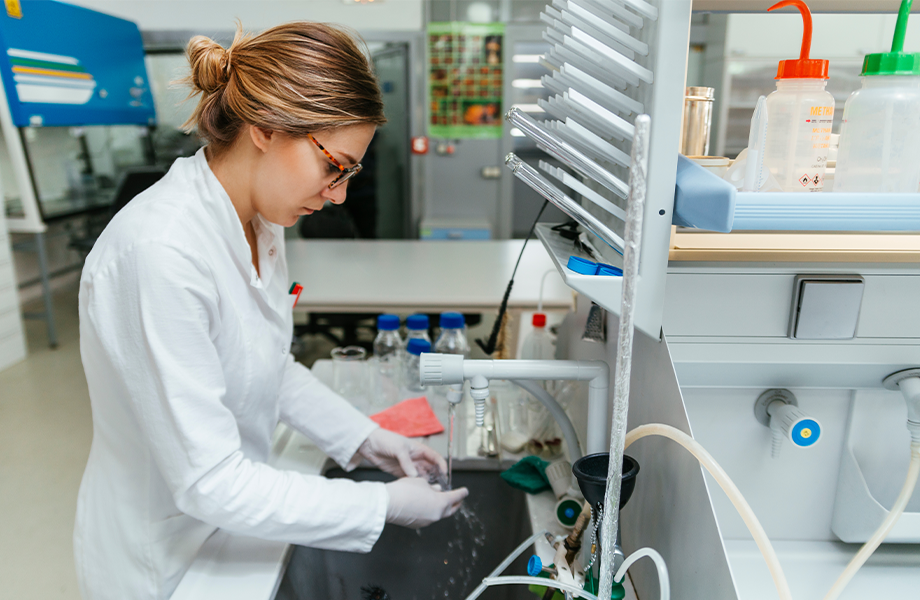
Credit: www.borer.swiss
Frequently Asked Questions
How Do I Remove Chemical Stains From Glassware?
Use warm water, mild detergent, and a soft brush to scrub stains gently.
Can I Use Bleach To Clean Chemistry Glassware?
Bleach can damage some glassware. Use only if recommended for specific stains.
What Is The Best Way To Dry Cleaned Glassware?
Air dry on a clean rack or use lint-free cloths to avoid spots.
How Often Should Chemistry Glassware Be Cleaned?
Clean glassware immediately after use to prevent residue build-up and contamination.
Conclusion
Cleaning chemistry glassware is a simple but important task. It helps keep experiments correct and safe. Always clean glassware after use. Use the right tools and methods. Be careful with strong chemicals. Dry your glassware well. Follow safety rules at all times.
With this guide, you can keep your chemistry glassware clean. Good cleaning means better experiments and safe labs.

Sophia Martinez is a culinary lifestyle writer and product reviewer for DiningGadgets.com. Passionate about blending style with functionality, she explores the latest dining essentials, kitchen décor, and cleaning hacks that transform everyday cooking spaces. With a background in home organization and design, Sophia brings readers expert advice on creating beautiful, practical kitchens that truly feel like the heart of the home.