

Are you tired of cluttered countertops and bottles scattered everywhere? Building your own wine rack can change that instantly.
Imagine having a stylish, custom space to store your favorite wines right at home. Not only does it keep your collection organized, but it also adds a personal touch to your living space. In this guide, you’ll discover simple steps to create a wine rack that fits your style and needs perfectly.
Ready to turn your wine storage into a beautiful display? Let’s get started!

Credit: www.ryobitools.com
Choosing The Right Materials
Choosing the right materials is key to building a sturdy and attractive wine rack. The materials affect the rack’s strength, look, and lifespan. Picking durable wood and having the correct tools ensures a smooth building process. Safety gear protects you while working with wood and tools.
Types Of Wood For Durability
Wood choice impacts how long your wine rack lasts. Hardwoods are tough and resist dents. Softwoods are easier to cut but less durable. Popular hardwoods include:
- Oak – strong and classic-looking
- Maple – smooth and resistant to wear
- Cherry – rich color and sturdy
Softwoods like pine are cheaper but less strong. For a lasting rack, hardwood is the best pick.
Tools You’ll Need
Having the right tools makes building easier and more precise. Basic tools include:
- Measuring tape for accurate cuts
- Handsaw or power saw for cutting wood
- Hammer and nails or a drill with screws
- Sandpaper or a sander to smooth edges
- Wood glue for extra hold
These tools help create a neat and strong wine rack.
Safety Equipment Essentials
Protect yourself during woodworking. Use safety gear such as:
- Safety goggles to shield your eyes
- Work gloves to protect your hands
- Ear protection if using loud power tools
- A dust mask to avoid inhaling sawdust
Safety gear lowers risks and keeps you safe while working.
Credit: m.youtube.com
Designing Your Wine Rack
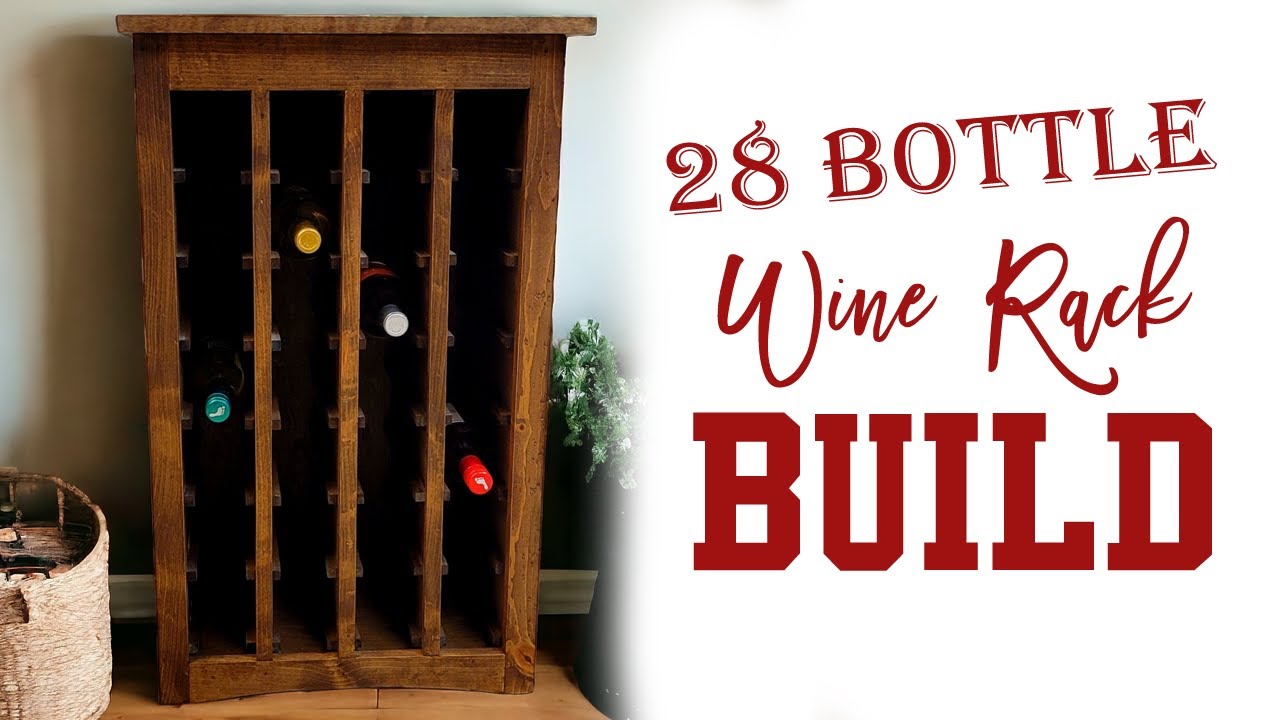
Designing your wine rack is the first step toward creating a perfect storage solution. A well-thought design ensures your wine collection stays organized and easy to access. It also matches your space and style preferences. Consider the room size and how many bottles you want to store. A clear design plan saves time and materials during building.
Determining Size And Capacity
Measure the space where the rack will go. Think about the number of wine bottles to store now and later. Plan for extra space to add more bottles over time. Wine bottles come in different shapes and sizes. Make sure the rack fits standard bottles or your special collection. A compact rack suits small spaces, while larger racks work for big collections.
Selecting A Style
Choose a style that matches your room décor. Popular styles include wall-mounted, freestanding, and tabletop racks. Wall-mounted racks save floor space and look modern. Freestanding racks offer more storage and move easily. Tabletop racks are small and good for quick access. Pick materials like wood, metal, or acrylic based on style and durability.
Sketching Your Plan
Draw your wine rack design on paper or use a digital tool. Include exact measurements and bottle slots. Sketching helps visualize the final product. Mark where shelves, dividers, and supports will go. Plan for airflow around bottles to keep wine fresh. A clear sketch guides you during construction and reduces mistakes.
Preparing The Workspace
Before you dive into building your wine rack, setting up your workspace is crucial. A well-prepared area can save time, reduce mistakes, and keep you safe. It also makes the entire process more enjoyable and less stressful.
Organizing Tools And Materials
Start by gathering all the tools and materials you will need. This might include wood planks, screws, a drill, measuring tape, sandpaper, wood glue, and a saw.
Lay everything out where you can easily reach it. Organize items by task—cutting tools together, fasteners in one spot, and finishing supplies grouped.
Think about what you might need next and keep it handy. This prevents constant interruptions and keeps your focus sharp.
Setting Up A Safe Work Area
Safety should be your top priority. Clear the workspace of any clutter that might cause trips or falls.
Make sure your area is well-lit so you can see clearly. Good lighting helps avoid errors and accidents.
Use protective gear like safety glasses and gloves. Have a first aid kit nearby just in case.
Have you checked if your tools are in good condition? Dull blades or loose handles can lead to injuries.
Cutting And Sanding Wood Pieces
Cutting and sanding wood pieces are crucial steps in building a sturdy and visually appealing wine rack. These actions shape the foundation of your project, ensuring each part fits perfectly and feels smooth to the touch. Taking your time here can save you from frustration later and give your wine rack a professional finish.
Measuring Accurately
Accurate measurements are the backbone of a well-built wine rack. Use a reliable tape measure and mark your wood carefully with a pencil or marking knife. Double-check each measurement before cutting—have you ever cut a piece too short and wished for a time machine?
Mark all pieces clearly, so you know which cut corresponds to which part of the rack. If your design includes repeating sections, creating a simple template can help maintain consistency across all pieces.
Making Precise Cuts
Precise cuts ensure your wine rack pieces fit together without gaps or wobbles. Use a sharp saw suited to your wood type—whether it’s a handsaw, circular saw, or miter saw. Slow and steady cutting beats rushing every time.
Consider clamping your wood to a stable surface to prevent movement during cutting. If you’re new to cutting wood, practicing on scrap pieces can boost your confidence and improve accuracy.
Sanding For Smooth Edges
Sanding transforms rough, splintered edges into smooth, safe surfaces. Start with medium-grit sandpaper to remove major imperfections, then finish with fine-grit for a polished feel. Your hands will thank you later when handling the rack.
Don’t forget to sand both edges and faces of each piece—uneven surfaces can affect how the rack fits together. Have you noticed how a perfectly sanded edge can elevate the overall look of a simple project?
Assembling The Wine Rack
Assembling your wine rack is where your project starts to take shape. This phase requires attention to detail and a steady hand to ensure all parts fit perfectly. How you join the components affects not only the appearance but also the rack’s durability and safety.
Joining Techniques
You have several options to connect the pieces of your wine rack, each with its own benefits. Wood glue offers a clean look and strong bond, but it’s best paired with mechanical fasteners for extra security. Dowel joints create neat, hidden connections that improve alignment and strength.
Think about how often you might move the rack. Would you prefer joints that can be disassembled, like pocket screws, or permanent ones like glued dovetails? Choosing the right technique helps maintain the rack’s integrity over time.
Using Nails And Screws
Nails and screws are the most common fasteners for assembling wine racks. Screws provide a tighter hold and are less likely to loosen, which is important if your rack holds heavy bottles. Use screws designed for wood to avoid splitting the material.
Consider pre-drilling holes before inserting screws to keep the wood intact. Nails are quicker to use but offer less holding power, so they’re better for smaller, decorative parts. Always countersink screws for a smooth finish you can easily sand and paint over.
Ensuring Stability
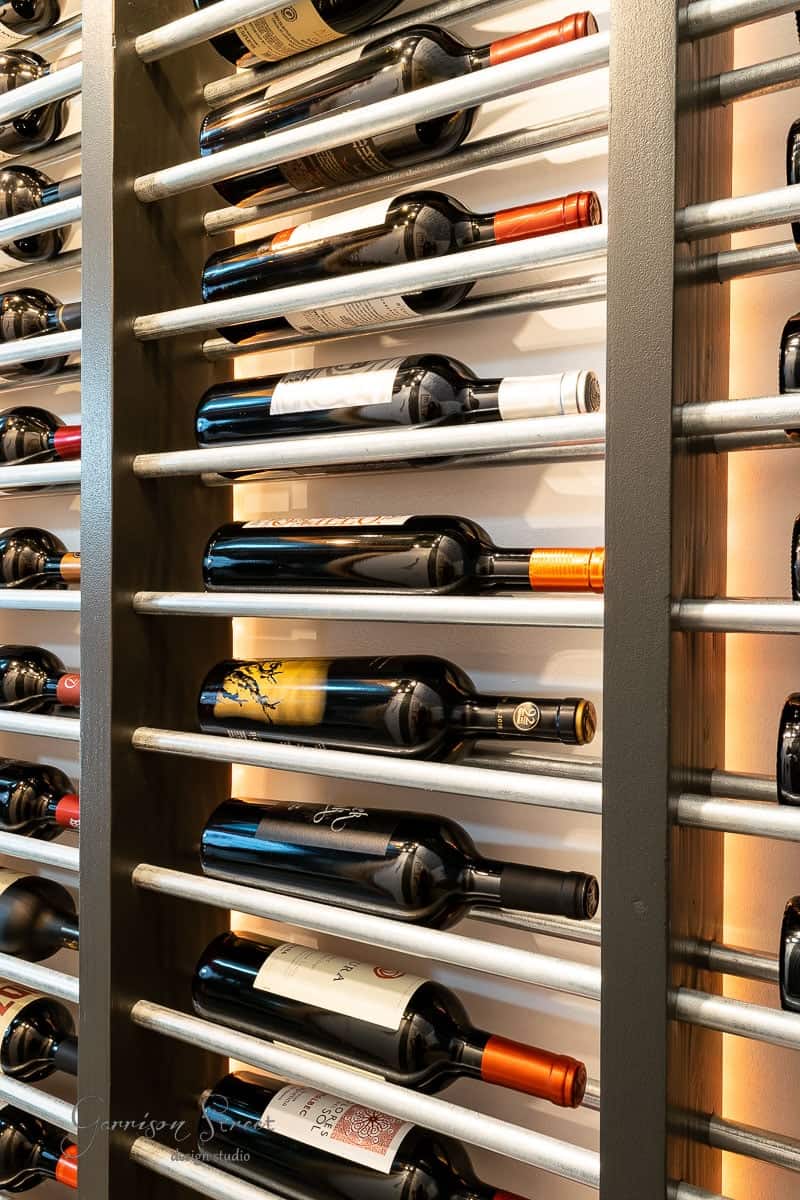
Stability is crucial because a wobbly wine rack risks damage to your bottles. Make sure every joint is flush and tight to prevent shifting. Adding corner braces or cross supports can dramatically improve strength without adding bulk.
Check the level frequently during assembly to avoid a crooked rack. Have you tested your structure by gently pressing on different areas? This simple check can save you from future accidents and give peace of mind.
Credit: garrisonstreetdesignstudio.com
Finishing Touches
Finishing touches bring your wine rack to life. They protect the wood and enhance its look. These final steps make your project durable and stylish. Take time to apply them carefully for the best results.
Applying Stain Or Paint
Choose a stain or paint that matches your room’s decor. Stain shows the wood grain and adds warmth. Paint offers bold color and hides imperfections. Use a brush or cloth to apply evenly. Let it dry fully before moving to the next step.
Sealing For Protection
Seal your wine rack to guard against spills and scratches. Clear polyurethane or varnish works well. It creates a strong, shiny barrier on the wood. Apply thin coats and let each coat dry. Lightly sand between coats for smoothness.
Adding Decorative Elements
Decorate your wine rack to fit your style. Add metal handles, label holders, or small hooks. Use stencils or decals for creative patterns. Attach cork or rope for a rustic touch. These extras give your rack a unique personality.
Mounting And Placement Tips
Choosing the right mounting and placement for your wine rack is crucial for both its functionality and the safety of your bottles. Your wine collection deserves a spot that not only looks great but also preserves the quality of your wine. Think about the space you have, how often you access your bottles, and the environmental conditions around the rack.
Wall Mounting Options
Wall-mounted wine racks save floor space and can become a stylish feature in your room. You can choose from floating racks, metal grid styles, or wooden cubbies that attach directly to the wall. Make sure to use heavy-duty anchors or studs to securely hold the weight of your wine collection.
Mount the rack at a height that’s easy for you to reach but keeps bottles away from direct sunlight. Have you checked if the wall is sturdy enough? Drywall alone might not support a fully loaded rack without reinforcement.
Free-standing Rack Setup
If wall mounting isn’t an option, free-standing racks offer flexibility in placement and capacity. These can be moved around to find the perfect spot or to make room for new bottles. Choose a rack with a wide, stable base to prevent tipping, especially if you have kids or pets.
Place your free-standing rack away from heavy foot traffic and doors to avoid accidental bumps. Consider assembling it in a corner or against a solid wall for extra support. Do you have enough space for future additions?
Optimal Wine Storage Conditions
Where you put your wine rack affects how well your wine ages. Avoid areas with temperature swings, such as near ovens, heaters, or windows with direct sunlight. Ideal storage temperature is around 55°F (13°C), with humidity between 50-70% to keep corks moist and prevent mold.
Vibration can disturb your wine’s sediment, so keep the rack away from appliances like washers or speakers. Think about your wine habits—do you want quick access or long-term storage? Position your rack accordingly to make your wine experience enjoyable every time.
Maintenance And Care
Maintaining your wine rack ensures it stays strong and looks great over time. Simple care keeps the wood healthy and protects your bottles. Regular attention prevents damage and extends the rack’s life.
Cleaning Techniques
Dust the rack often with a soft cloth. Use a damp cloth for sticky spots. Avoid harsh chemicals that can harm the wood finish. Dry the surface immediately to stop water damage.
Inspecting For Wear
Check the rack monthly for cracks, loose joints, or splinters. Look for signs of wood warping or fading. Early detection helps prevent bigger problems. Pay special attention to corners and joints.
Repairing Minor Damages
Fill small cracks with wood filler and sand smooth once dry. Tighten loose screws or nails carefully. Replace broken parts if needed. Use wood glue for small splits to strengthen the wood.
Frequently Asked Questions
What Materials Do I Need To Build A Wine Rack?
You need wood planks, screws, wood glue, sandpaper, and a saw. Optionally, use varnish or paint for finishing. Choose sturdy wood like pine or oak for durability and aesthetics.
How Much Time Does Building A Wine Rack Take?
Building a basic wine rack typically takes 2 to 4 hours. Time varies depending on design complexity and your woodworking skills. Preparing materials beforehand can speed up the process.
Can I Build A Wine Rack Without Professional Tools?
Yes, simple wine racks can be built with basic tools like a handsaw, drill, and screwdriver. Avoid complex joinery if you lack advanced tools. Focus on straightforward designs for ease.
How Do I Ensure Wine Rack Stability And Safety?
Use strong joints and quality screws to ensure stability. Sand edges to prevent splinters and secure the rack to a wall if tall. Proper construction avoids tipping and bottle damage.
Conclusion
Building a wine rack is a fun and rewarding project. You can show off your creativity while organizing your wine collection. Start by gathering materials and tools. Follow each step carefully for best results. Make sure to measure accurately. A well-built wine rack adds style to any room.
Plus, it keeps bottles safe and accessible. Enjoy the satisfaction of completing a DIY project. Share your creation with friends and family. They’ll surely appreciate your hard work. Happy building and enjoy your well-deserved glass of wine!

Ethan Cole is a kitchen innovation enthusiast and food technology writer at DiningGadgets.com. With over 8 years of experience reviewing cookware, smart kitchen tools, and design trends, he helps readers discover gadgets that make cooking easier and dining more enjoyable. When he’s not testing the latest kitchen appliances, Ethan enjoys experimenting with recipes and sharing practical tips for modern homes.