

Are you ready to transform your kitchen with sleek and stylish Ikea cabinets? Attaching these cabinets to your wall might seem daunting, but it’s easier than you think.
Imagine walking into your kitchen and seeing perfectly aligned cabinets that not only look great but also hold all your essentials securely. By the end of this guide, you’ll have the confidence and know-how to install your Ikea kitchen cabinets like a pro.
You’ll discover simple steps and insider tips that make the process smooth and satisfying. So, roll up your sleeves, grab your tools, and let’s make your kitchen dreams a reality. Your perfect kitchen awaits!
Tools And Materials Needed
Before you start attaching your Ikea kitchen cabinets to the wall, gathering the right tools and materials is crucial. Having everything ready will save you time and keep the process smooth. It also helps avoid frustrating interruptions when you realize you need a tool halfway through the job.
Essential Tools
- Drill:A cordless drill makes driving screws easier and faster. It’s your best friend for making pilot holes and securing cabinets.
- Stud Finder:This tool helps you locate the wooden studs behind your drywall, which are the safest places to attach cabinets.
- Level:Ensures your cabinets hang straight. Even a slight tilt can cause doors to swing open or close improperly.
- Measuring Tape:Accurate measurements prevent gaps and misalignment.
- Screwdriver Set:Useful for fine adjustments and tightening screws where a drill might be too bulky.
- Clamps:Helpful to hold cabinets in place temporarily while you secure them to the wall.
- Pencil:For marking measurements and stud locations on the wall.
Required Materials
- Mounting Brackets or Rails:Ikea cabinets often require specific mounting hardware to attach securely to the wall.
- Wood Screws:Use screws long enough to go through the cabinet back and into the wall studs, usually 2.5 to 3 inches.
- Wall Anchors:If you can’t hit a stud, strong anchors designed for drywall are a must to keep cabinets from pulling away.
- Shims:These small wedges help level cabinets if your wall isn’t perfectly flat.
- Protective Gloves:Keep your hands safe while handling tools and hardware.
Have you ever started a project only to find you’re missing a key tool? That’s why I always double-check my toolkit before beginning. What’s one tool you think is absolutely essential that others might overlook?
Preparing The Wall
Preparing the wall is a crucial step before attaching your Ikea kitchen cabinets. This stage sets the foundation for a secure installation and ensures your cabinets will stay put for years. Skipping or rushing this part can lead to wobbly cabinets or damage to your walls.
Locating Wall Studs
Finding the wall studs is essential because these wooden beams provide the strength needed to support heavy kitchen cabinets. You can use a stud finder, which is a simple tool that detects changes behind the wall surface. Alternatively, tap the wall and listen for a solid sound indicating a stud’s location.
Mark each stud with a pencil line. Studs are usually spaced 16 or 24 inches apart, so once you find one, you can predict where the others are. Have you ever tried hanging something heavy without knowing if it was anchored properly? This step prevents that frustration.
Marking Cabinet Placement
After locating the studs, it’s time to mark where the cabinets will go. Start by measuring the height from the floor to the bottom of your cabinets, considering countertop thickness. Use a level to draw a straight line across the wall at this height.
Next, mark the vertical edges of each cabinet along this line. Double-check your measurements and make sure your markings line up with the studs you found earlier. This way, you avoid surprises during installation and make the process smoother and faster.
Assembling Ikea Cabinets
Assembling Ikea cabinets might seem daunting at first, but breaking down the process into manageable tasks makes it much easier. Taking your time with each step ensures the cabinets will be sturdy and fit perfectly on your wall. Let’s focus on two important aspects: unboxing and checking parts, followed by some practical assembly tips.
Unboxing And Checking Parts
Start by opening the box carefully to avoid damaging any components. Lay out all the pieces on a clean, flat surface where you have plenty of room to work. Check each part against the instruction manual’s list to make sure nothing is missing or damaged.
Missing screws or panels can stop your progress and cause unnecessary frustration. Have a flashlight handy to inspect smaller hardware pieces closely. It’s better to discover any issues before you begin assembling rather than halfway through the process.
Have you ever started building something only to find you’re missing a key piece? Taking this moment seriously can save you hours later.
Basic Assembly Tips
Before you start screwing pieces together, organize all hardware by type and size. Use small bowls or containers to keep screws, dowels, and fittings separate. This simple habit speeds up assembly and helps avoid confusion.
Follow the manual step-by-step but don’t rush. Ikea instructions rely heavily on visuals, so study each diagram carefully. If a step seems unclear, pause and look for online videos or forums where others have shared their experience.
Using a power drill with a screwdriver bit can speed things up, but be gentle to avoid stripping screws or cracking panels. Tighten screws just enough to hold parts firmly; overtightening can damage the wood.
- Double-check alignment before final tightening.
- Keep your workspace clean to avoid losing small parts.
- Ask a friend to help hold pieces steady if needed.
What’s one assembly challenge you’ve faced with Ikea furniture? Share it next time you’re working on your kitchen—solutions might be easier than you think.

Credit: www.familyhandyman.com
Mounting Cabinets To The Wall
Mounting Ikea kitchen cabinets to the wall requires care and precision. Proper attachment ensures safety and durability. It also helps maintain cabinet alignment and appearance over time.
Start by preparing the wall. Locate the studs with a stud finder. Mark their positions clearly. Studs provide strong support for heavy cabinets. Avoid mounting directly on drywall alone.
Securing The First Cabinet
Choose the corner or end cabinet as the first to mount. This cabinet sets the foundation for all others. Use a level to ensure it is perfectly vertical and horizontal. Adjust shims behind the cabinet if needed.
- Drill pilot holes through the cabinet’s mounting rail.
- Fasten the cabinet to the wall studs using long screws.
- Check the cabinet’s position again with a level.
- Tighten screws securely but avoid over-tightening.
The first cabinet must be stable and straight. It guides the placement of all remaining cabinets.
Aligning And Attaching Additional Cabinets
Bring the next cabinet close to the first one. Use clamps or temporary screws to hold cabinets together. Ensure the cabinet faces align perfectly.
- Check for level and plumb alignment on each cabinet.
- Fasten cabinets together through their side panels using screws.
- Secure the second cabinet to wall studs as with the first.
- Repeat this process for all other cabinets.
Keep checking alignment often. Consistent spacing and level cabinets create a clean, professional look.
Leveling And Adjusting Cabinets
Leveling and adjusting Ikea kitchen cabinets is essential for a clean, professional look. Uneven cabinets can cause doors to misalign and gaps to appear. Proper leveling ensures smooth operation and a balanced appearance. Adjustments help fit cabinets together tightly and align them with your kitchen walls.
Using A Level
Place a carpenter’s level on top of each cabinet. Check for a bubble centered between the lines. Adjust the cabinet until the bubble is perfectly centered. Use shims under the cabinet base to raise low corners. Tighten mounting screws after leveling to hold the position. Verify the level again to ensure stability.
Making Height And Gap Adjustments
Measure the distance between cabinets and walls. Use a tape measure to check for uneven gaps or misaligned heights. Adjust cabinet heights by loosening screws and shifting the cabinet up or down. Insert shims to fill gaps and prevent movement. Tighten screws securely after adjustments. Check door alignment and make hinge tweaks if needed.
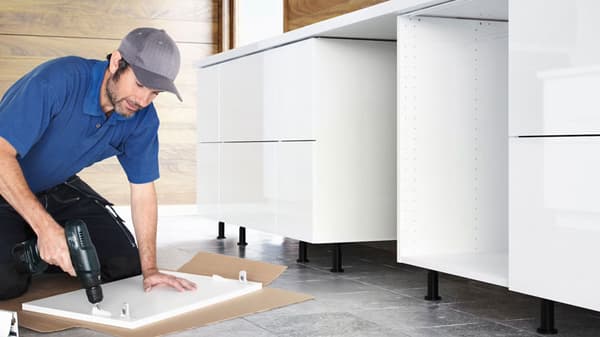
Credit: www.ikea.com
Safety Tips And Common Mistakes
Securing your Ikea kitchen cabinets to the wall is a task that demands care and attention. Ignoring safety tips or making common mistakes can lead to wall damage or poorly aligned cabinets. Understanding these pitfalls helps you avoid costly repairs and ensures your kitchen looks great and functions well.
Avoiding Wall Damage
Before drilling, identify the wall type and locate the studs using a stud finder. Attaching cabinets directly into drywall without hitting studs can cause the cabinets to fall, damaging both the wall and your cabinets.
Use appropriate anchors if you cannot find studs, but remember they might not hold as well as screws into studs. Also, avoid over-tightening screws; this can crack drywall or strip the screw holes.
Have you ever had a wall crack after hanging something heavy? That’s often because the fasteners weren’t matched to the wall type. Take your time to choose the right hardware for your wall material.
Preventing Cabinet Misalignment
Leveling is crucial. Start by using a spirit level to mark a straight line along the wall where the cabinets will hang. This ensures the first cabinet sits perfectly level, preventing a domino effect of misaligned units.
Secure the first cabinet fully before attaching the next. Clamping cabinets together while screwing them side by side helps maintain consistent spacing and alignment.
Don’t rush this step. A small misalignment might seem minor at first but will become obvious once all cabinets are installed. Are you willing to redo the entire setup because of a crooked start?

Credit: www.reddit.com
Frequently Asked Questions
How Do I Securely Attach Ikea Kitchen Cabinets To The Wall?
Use a stud finder to locate wall studs. Drill pilot holes through the cabinet mounting rail. Secure cabinets with long screws into the studs for strong support. Avoid attaching only to drywall to prevent cabinet collapse.
What Tools Are Needed To Mount Ikea Kitchen Cabinets?
You will need a drill, level, stud finder, screwdriver, tape measure, and screws. These tools help ensure cabinets are aligned and securely fastened to the wall studs.
Can I Install Ikea Cabinets On Drywall Only?
No, drywall alone cannot support cabinet weight. Always anchor cabinets into wall studs to ensure stability and safety. Use drywall anchors only for light shelving, not heavy kitchen cabinets.
How High Should Ikea Kitchen Cabinets Be Mounted?
Upper cabinets are typically mounted 54 inches from the floor. This allows 18 inches of space above standard countertops. Adjust height based on user comfort and countertop thickness.
Conclusion
Attaching Ikea kitchen cabinets to the wall is simple with the right steps. Start by finding wall studs and marking them clearly. Use a level to keep cabinets straight and steady. Secure each cabinet tightly to avoid any movement. Take your time and double-check each screw and bracket.
This careful approach ensures your kitchen looks neat and stays safe. Enjoy your well-installed cabinets that fit perfectly in your space. Trust the process and feel proud of your work.
