

Crystal glassware looks beautiful and shines brightly. But how is it made? Making crystal glassware is a careful and special process. It takes many steps. Each step helps the glass become strong and clear. In this article, we will learn how crystal glassware is made. We will see the materials, the shaping, and the finishing. Let’s begin!
What Is Crystal Glassware?
Crystal glassware is a type of glass. It is different from regular glass. Crystal glass has a special ingredient called lead oxide. This makes the glass heavier and shinier. It also helps the glass reflect light like a rainbow. Because of this, crystal glassware looks very pretty. People use it for glasses, bowls, vases, and decorations.
Main Materials Used in Crystal Glassware
To make crystal glassware, you need a few materials. Here are the main ones:
- Silica Sand: This is the main ingredient. It is a type of sand that melts to form glass.
- Lead Oxide: This makes the glass heavy and shiny. It is the key to crystal glass.
- Soda Ash: Helps lower the melting point of the sand.
- Limestone: Adds strength to the glass.
- Other Minerals: Sometimes small amounts of other minerals are added to change color or strength.
The Crystal Glass Making Process
Making crystal glassware takes many steps. Each step is important. We will look at each step carefully.
Step 1: Mixing The Ingredients
First, all the ingredients are measured carefully. Silica sand, lead oxide, soda ash, and limestone are mixed together. This mixture is called the batch. It looks like powder or small grains. The maker must get the right amounts. Too much or too little of one thing can change the glass quality.
Step 2: Melting The Mixture
Next, the batch goes into a very hot furnace. The furnace is like a big oven. It heats the mixture to about 1400 to 1600 degrees Celsius (2550 to 2900 degrees Fahrenheit). At this high heat, the mixture melts and becomes liquid glass. This liquid is very thick and shiny. It can flow slowly like honey.
Step 3: Cooling The Glass
After melting, the liquid glass is cooled down a little. It is still hot but not too runny. The glass stays soft so it can be shaped. If it cools too much, it will become hard and break easily.
Step 4: Shaping The Glass
This is the step where the glass takes form. There are different ways to shape crystal glassware:
- Blowing: Glassmakers blow air into the hot glass to create bowls or glasses. They use a long pipe to do this.
- Molding: The glass is poured into molds. The molds have the shape of the final product.
- Cutting and Carving: After cooling, some glassware is cut or carved to make designs.
Skilled workers carefully handle the glass. They use tools to make sure the shapes are perfect.
Step 5: Annealing
After shaping, the glass is very hot inside. To make it strong, it must cool slowly. This process is called annealing. The glass moves through a special oven called an annealer. It cools down over many hours. This slow cooling stops cracks and makes the glass strong.
Step 6: Cutting And Polishing
Once the glass is cool and strong, it is time to add details. Many crystal glassware pieces have beautiful cuts and patterns. These are made by skilled cutters. They use wheels and tools to cut designs into the glass surface.
After cutting, the glass is polished. Polishing makes the glass smooth and shiny. Sometimes, polishing is done by hand. This step brings out the sparkle of the crystal.
Why Use Lead in Crystal Glass?
Lead oxide is very important in crystal glass. It changes the glass in many ways:
- Shine: Lead makes the glass sparkle more.
- Weight: Crystal glass is heavier than regular glass.
- Sound: When tapped, crystal glass makes a nice ringing sound.
- Workability: Lead glass is easier to cut and shape.
Because of these qualities, lead is used. However, some modern crystal glassware uses other materials instead of lead. These are called lead-free crystal glasses.
Different Types of Crystal Glassware
Crystal glassware comes in many types. Here are some common ones:
| Type | Description | Uses |
|---|---|---|
| Lead Crystal | Contains lead oxide, very clear and heavy. | Fine glasses, vases, chandeliers. |
| Lead-Free Crystal | Uses other minerals instead of lead. | Safe for food, decorative pieces. |
| Cut Crystal | Has decorative cuts on the surface. | Glasses, bowls, ornaments. |
| Pressed Crystal | Made by pressing molten glass into molds. | Everyday glassware, cheaper options. |

Credit: www.theworldismadeofglass.co.uk
Care for Crystal Glassware
Crystal glassware is beautiful but needs care. Here are some tips:
- Wash gently with warm water and mild soap.
- Do not use very hot water or harsh chemicals.
- Dry with a soft cloth to avoid spots.
- Handle carefully to avoid chips or cracks.
- Store in safe places away from other hard objects.
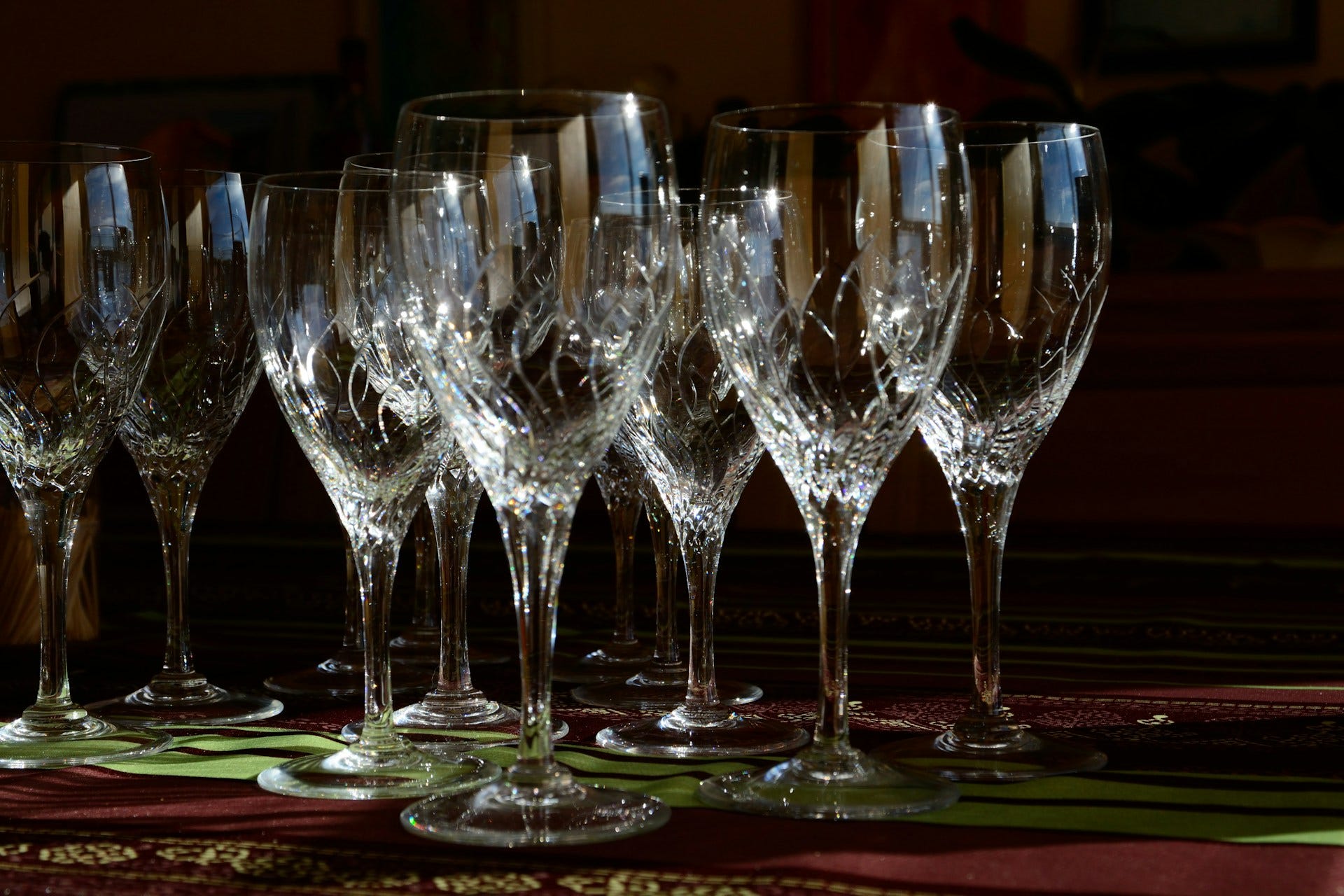
Credit: leahmcclellan.medium.com
Why Is Crystal Glassware Special?
Crystal glassware is special because of its beauty and skill needed. Each piece is made with care. The clear shine and weight feel good in hand. The glass catches light and sparkles. This makes crystal glassware a favorite for celebrations and decorations.
Summary
Making crystal glassware is a long process. It starts with mixing special ingredients. Then the mixture melts into liquid glass. The glass is shaped by blowing, molding, or cutting. After shaping, it cools slowly to become strong. Skilled workers cut and polish the glass. Lead oxide makes crystal heavy and shiny. There are many types of crystal glassware. Caring for crystal helps keep it beautiful. Now you know how crystal glassware is made!
Frequently Asked Questions
What Materials Are Used To Make Crystal Glassware?
Crystal glassware is made from silica, lead oxide, potash, and soda ash.
How Does Lead Affect Crystal Glass Quality?
Lead increases weight, clarity, and sparkle in crystal glassware.
What Is The Difference Between Crystal And Regular Glass?
Crystal glass is clearer, heavier, and more reflective than regular glass.
How Is The Glass Melted During Crystal Production?
Raw materials are heated in a furnace until they melt into liquid glass.

Sophia Martinez is a culinary lifestyle writer and product reviewer for DiningGadgets.com. Passionate about blending style with functionality, she explores the latest dining essentials, kitchen décor, and cleaning hacks that transform everyday cooking spaces. With a background in home organization and design, Sophia brings readers expert advice on creating beautiful, practical kitchens that truly feel like the heart of the home.