

Are your How High Should Kitchen Wall Cabinets Be too high or too low? Finding the perfect height can make a big difference in how comfortable and efficient your kitchen feels.
If your cabinets are out of reach or crowding your space, it’s frustrating every time you cook or clean. You deserve a kitchen that works with you, not against you. You’ll discover the ideal height for your kitchen wall cabinets—so you can enjoy a space that’s both beautiful and practical.
Keep reading to learn how to get it just right for your home.
Standard Cabinet Height
Setting the right height for your kitchen wall cabinets impacts both the look and functionality of your space. Standard cabinet height offers a reliable starting point that fits most kitchens well. Understanding this standard helps you decide if adjustments are needed for your unique kitchen setup.
Common Measurements
The most common height for wall cabinets is between 30 and 42 inches. This range works for typical ceiling heights of 8 to 9 feet. A 30-inch cabinet leaves enough space above the countertop for easy reach and good counter lighting.
Here’s a quick breakdown of popular wall cabinet heights:
| Cabinet Height | Best For |
|---|---|
| 30 inches | Standard kitchens with 8-foot ceilings |
| 36 inches | Kitchens with 9-foot ceilings or for more storage |
| 42 inches | Taller ceilings or when ceiling height matches cabinet height |
Have you ever struggled to reach the top shelf? Choosing a cabinet height that feels comfortable for you can make daily tasks easier.
Factors Influencing Height
Several factors change the ideal height for your wall cabinets. Your ceiling height is the first consideration—tall ceilings can handle taller cabinets without crowding the room.
Think about your own reach too. If you’re shorter, you might want cabinets mounted slightly lower for easy access. Conversely, taller users may prefer cabinets mounted higher to maximize storage without strain.
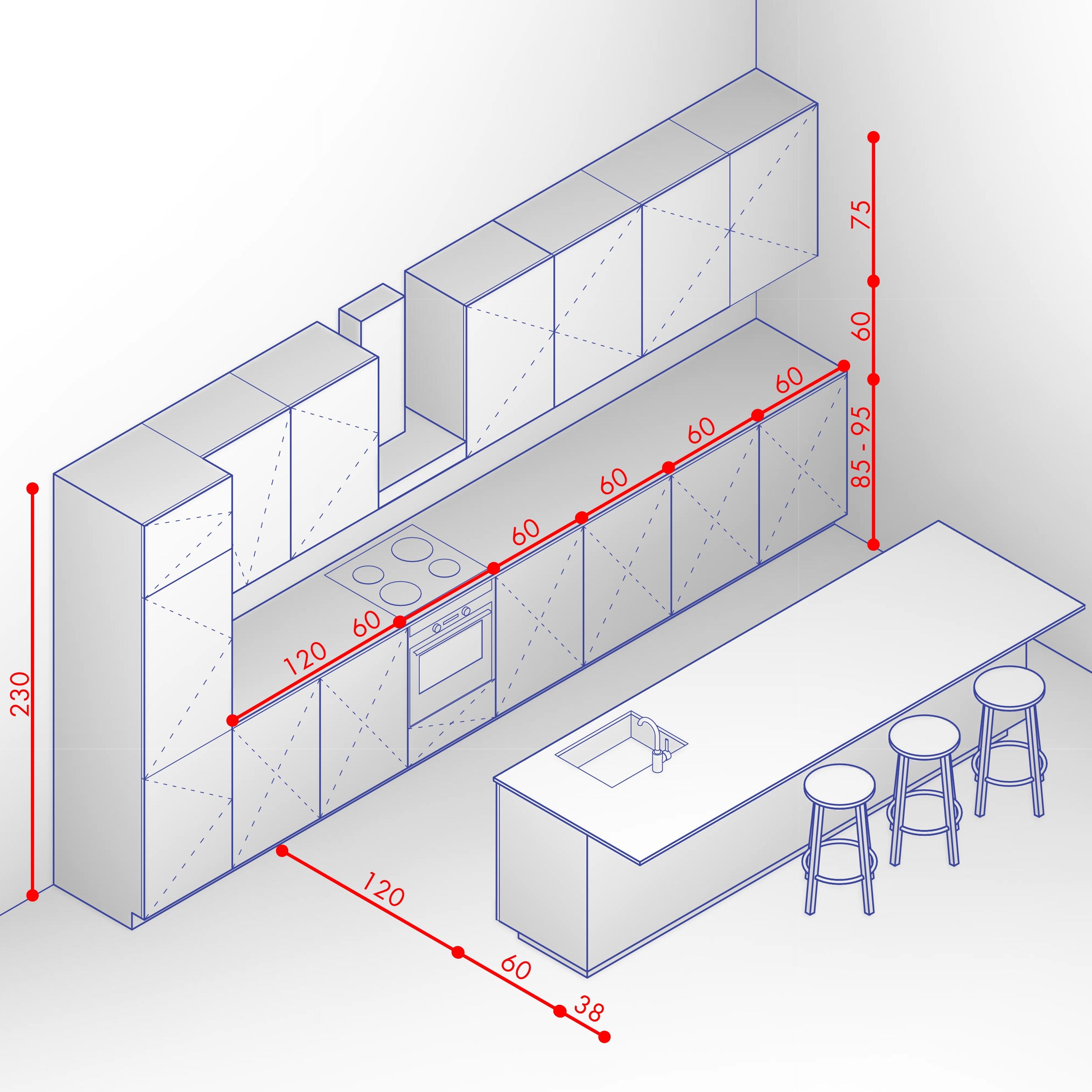
Also, consider what goes below the cabinets. The countertop and backsplash height affect the space between them and the cabinets. Standard countertop height is about 36 inches, so wall cabinets usually start 18 inches above that. But if you use a taller backsplash or want extra lighting under cabinets, this distance might need adjusting.
How often do you use the upper shelves? If they hold items you rarely access, you might place cabinets higher. For everyday items, keeping them within easy reach is key.
Measuring Wall Height
Measuring the height of kitchen wall cabinets starts with knowing the total wall height. This measurement sets the foundation for cabinet placement. It helps balance the look and function of your kitchen. Accurate measuring ensures your cabinets fit well without crowding or wasted space.
Ceiling Height Impact
Ceiling height affects how high cabinets can go. Standard ceilings are usually 8 feet tall. Taller ceilings give more room for taller cabinets or extra storage on top. Lower ceilings limit cabinet height but keep the kitchen cozy. Measure from the floor to the ceiling before planning cabinet height. This guides your choices and creates a better layout.
Space Above Countertops
Space between countertops and cabinets matters for usability. A common distance is 18 inches from countertop to cabinet bottom. This gap allows enough room for small appliances and workspace. Too little space feels cramped and hard to work in. More space can make the kitchen look open and airy. Measure from the countertop surface up to where cabinets will start to ensure comfort and style.
User Comfort And Accessibility
Setting the right height for your kitchen wall cabinets directly affects how comfortable and easy it is to use your kitchen every day. Cabinets that are too high or too low can cause strain or make it difficult to reach essential items. Understanding user comfort and accessibility helps you create a kitchen space that works smoothly for everyone who uses it.
Average Reach Range
Most adults can comfortably reach between 48 and 52 inches from the floor without stretching or bending. This range is a practical starting point for positioning your kitchen wall cabinets. If your cabinets start around 54 inches from the floor, the lower shelves will be easy to access.
Think about how often you use the items stored in these cabinets. Items you grab every day should be placed within this average reach range. Less frequently used items can go higher, where you might need a small step stool.
Accommodating Different Heights
Not everyone in your household is the same height, and that can be a challenge for cabinet placement. If kids or shorter family members use the kitchen, placing some cabinets lower can make a big difference. Alternatively, adding pull-down shelves or adjustable racks can help everyone reach items comfortably.
Have you noticed how some kitchens feel awkward for guests to use? This is often because cabinet heights don’t consider a range of users. Think about who will use your kitchen most and design for their comfort to avoid frustration and accidents.
Cabinet Depth And Storage
Cabinet depth plays a key role in kitchen wall cabinet height decisions. It affects storage space and how easily you can reach items. Choosing the right depth balances usability and storage capacity. Too deep cabinets can make items hard to reach. Too shallow cabinets reduce storage options.
Balancing Depth And Height
Standard wall cabinets usually measure 12 inches deep. This depth fits most kitchens and allows easy access. Taller cabinets might need less depth to avoid crowding the kitchen. Shorter cabinets can have deeper shelves for extra storage.
Consider the height above your countertop. Cabinets should not be too deep if they hang low. This prevents bumping your head or blocking light. Balance cabinet height and depth for comfort and safety.
Maximizing Storage Efficiency
Use cabinet depth to organize kitchen items by size and use. Deep cabinets store large pots and pans easily. Shallow cabinets work well for spices and small containers.
- Install adjustable shelves to fit different items.
- Use pull-out trays to reach deep corners.
- Store frequently used items in easier-to-reach cabinets.
Properly planned cabinet depth and height increase kitchen storage without clutter. It keeps the kitchen neat and functional.
Custom Vs. Standard Cabinets
Choosing between custom and standard kitchen wall cabinets significantly affects both the look and functionality of your space. Standard cabinets come in fixed sizes and heights, designed to fit most kitchens, while custom cabinets allow you to tailor dimensions to your specific needs and preferences. Understanding the differences can help you decide which option fits your lifestyle and budget best.
Benefits Of Custom Heights
Custom cabinets let you set the height that works best for you. If you’re tall or short, you can avoid awkward reaching or bending by adjusting cabinet height. This means your kitchen feels more comfortable and efficient every day.
Custom heights also help maximize your kitchen’s storage. You can add extra space above standard height cabinets, creating room for larger items or decorative displays. This flexibility can transform your kitchen from ordinary to perfectly suited for your habits.
Have you ever struggled to reach the top shelf or found wasted space above your cabinets? Custom heights can solve these problems and make your kitchen truly yours.
Cost Considerations
Standard cabinets usually cost less because they’re mass-produced in common sizes. This makes them a budget-friendly option if you want a quick and straightforward kitchen update.
Custom cabinets, on the other hand, require more time and craftsmanship. This typically means higher prices, but you’re paying for personalized design and better use of space. Think of it as an investment in your daily comfort and kitchen efficiency.
Before deciding, ask yourself: Is the extra cost worth the improved fit and functionality? Sometimes, spending a bit more upfront saves frustration and remodeling costs later.

Credit: penniesforafortune.com
Design Styles And Trends
Design styles play a huge role in deciding how high your kitchen wall cabinets should be. The height isn’t just about practicality; it also shapes the entire look and feel of your kitchen space. Different styles have their own trends that influence cabinet placement, so understanding these can help you make a choice that fits your kitchen’s vibe perfectly.
Modern Minimalist Heights
Modern minimalist kitchens often favor sleek, clean lines with a focus on simplicity. Cabinets in this style are usually mounted higher on the wall, sometimes starting 18 to 24 inches above the countertop, creating an open and airy feel. This extra space between the countertop and cabinets makes your kitchen look less cluttered and gives you room to add stylish backsplashes or lighting.
You might notice that many minimalist designs use full-height wall cabinets that reach close to the ceiling, maximizing storage without interrupting the streamlined look. This approach keeps everything within reach but avoids overcrowding the visual space. Have you considered how raising your cabinets might change the flow and openness of your kitchen?
Traditional Cabinet Heights
Traditional kitchens usually stick to a more classic height, with cabinets mounted about 18 inches above the countertop. This standard height works well with decorative crown moldings and allows space for under-cabinet lighting to illuminate the workspace. It’s a familiar setup that feels cozy and practical.
Unlike modern designs, traditional styles often feature cabinets that don’t extend all the way to the ceiling, leaving room for decorative touches or open shelves above. This can add personality and warmth but might reduce storage space. Think about whether you prefer the charm of a traditional look or the efficiency of a more contemporary setup in your kitchen.
Installation Tips
Installing kitchen wall cabinets correctly ensures a functional and attractive kitchen space. Proper installation supports cabinet durability and usability. Following key tips helps achieve the right height and alignment for your cabinets.
Ensuring Level Alignment
Start by marking a level line on the wall to guide the cabinet height. Use a laser level or a long spirit level for accuracy. Check the wall for uneven spots and adjust the cabinets accordingly. Secure the cabinets tightly to wall studs to prevent sagging. Double-check each cabinet’s level before finalizing installation. This step helps cabinets look straight and fit well together.
Spacing For Appliances And Fixtures
Measure space around appliances like microwaves, ovens, and refrigerators. Leave enough clearance for doors to open freely without hitting cabinets. Consider the height of fixtures such as faucets and light switches. Keep a gap of at least 18 inches above countertops for ease of use. Plan cabinet placement to avoid blocking vents or electrical outlets. Proper spacing ensures a safe and practical kitchen layout.

Credit: www.designcafe.com
Credit: postdigitalarchitecture.com
Frequently Asked Questions
How High Should Kitchen Wall Cabinets Be Installed?
Kitchen wall cabinets are typically installed 18 inches above the countertop. This height allows easy access and enough workspace between the counter and cabinets. Adjustments can be made based on ceiling height and user preferences.
What Is The Standard Height For Upper Kitchen Cabinets?
The standard height for upper kitchen cabinets is 54 inches from the floor. This measurement assumes a 36-inch base cabinet height plus 18 inches of space above the countertop. It balances accessibility and visual appeal.
Can Kitchen Wall Cabinets Be Installed Higher Than Standard?
Yes, wall cabinets can be installed higher for a more spacious feel. However, ensure the height remains reachable for daily use. Taller installations may require a step stool for convenience and safety.
Why Maintain 18 Inches Space Between Countertop And Cabinets?
An 18-inch gap provides sufficient workspace and prevents bumping into cabinets while cooking. It also allows room for appliances like coffee makers and toasters. This space enhances kitchen functionality and comfort.
Conclusion
Choosing the right height for kitchen wall cabinets is crucial. It impacts both functionality and aesthetics. Aim for a balance that suits your space. Consider your ceiling height and your reach. Standard heights work well for most kitchens. Custom heights can cater to unique needs.
Think about how often you use upper shelves. Ensure easy access to frequently used items. A well-planned cabinet height enhances kitchen efficiency. Also, it adds to the overall look. Make informed decisions for a kitchen that’s both practical and beautiful.
