

Have you ever stood in your kitchen, craning your neck up at those towering wall cabinets and wondered if they’re really at the right height? You’re not alone.
Many homeowners grapple with the question: “How high should kitchen wall cabinets be? ” It’s not just about aesthetics; it’s about creating a space that works seamlessly for you. Whether you’re reaching for that elusive spice jar or storing your favorite dinnerware, the height of your cabinets can make or break your kitchen experience.
In this guide, we’ll unlock the secrets to getting your kitchen wall cabinets at the perfect height, ensuring they’re both functional and stylish. Stay with us to discover how to transform your kitchen into a more convenient and beautiful space.

Credit: penniesforafortune.com
Benefits Of High Kitchen Cabinets
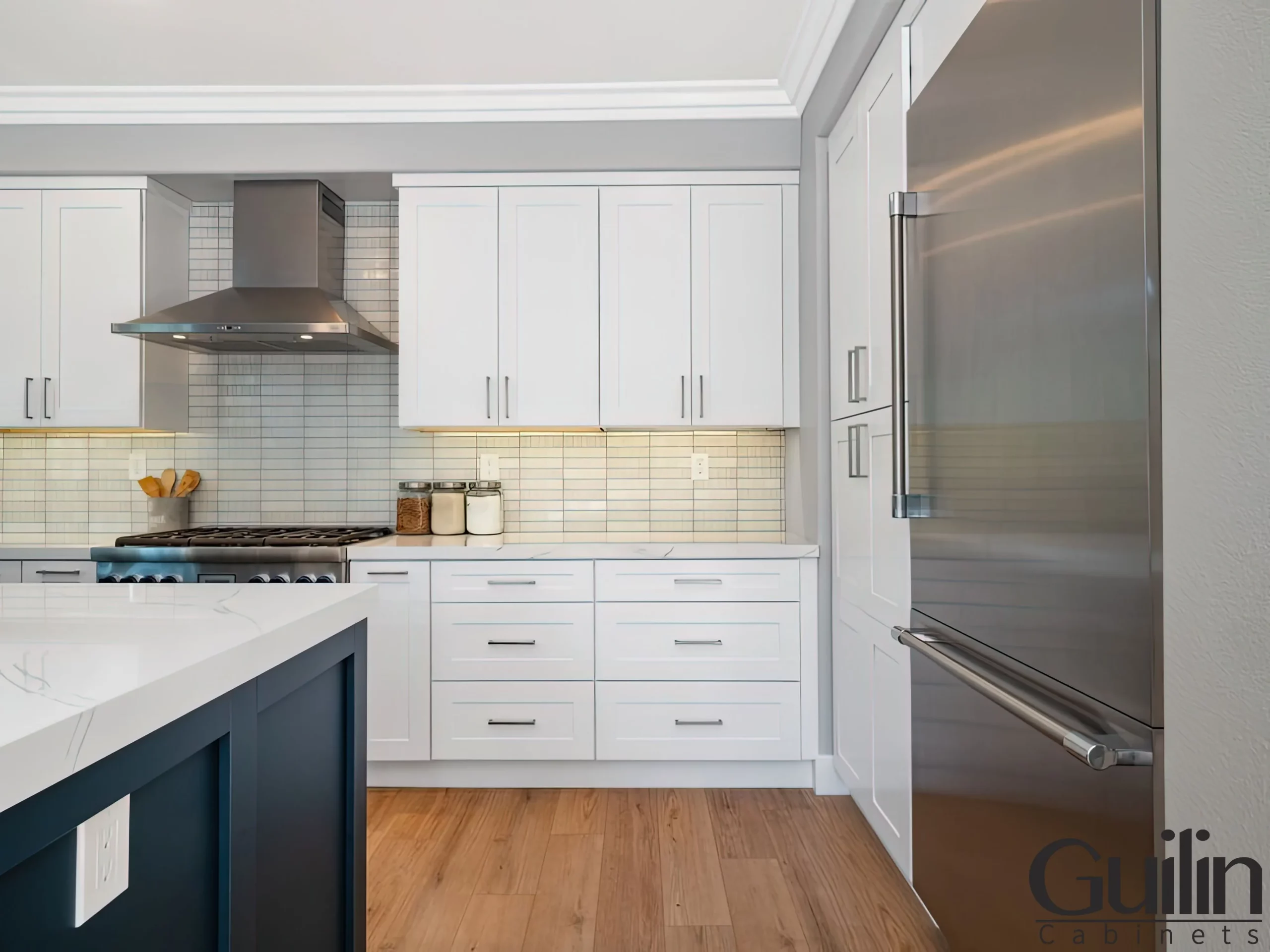
High kitchen wall cabinets offer many benefits that improve both function and style. They make kitchens more practical and visually appealing. These cabinets add valuable storage space while keeping your kitchen organized. They also enhance the overall look by adding height and depth to the room.
Increased Storage Capacity
High kitchen cabinets provide extra storage above standard cabinets. This space is perfect for seldom-used items. You can store large pots, holiday dishes, or bulk supplies out of sight. This helps keep counters and lower cabinets clutter-free. More storage means a tidier, more efficient kitchen.
Enhanced Kitchen Aesthetics
Taller cabinets create a sense of height in the kitchen. They draw the eye upward, making the room feel larger. These cabinets can fill empty wall space, adding balance to the design. They also allow for stylish crown molding or lighting to boost visual appeal. Overall, they contribute to a polished, well-thought-out kitchen look.
Improved Organization
High cabinets encourage better kitchen organization. You can separate everyday items from occasional use items. This separation reduces clutter and speeds up meal prep. Using baskets or clear containers inside makes it easy to find things. A well-organized kitchen saves time and reduces stress.
Credit: pelicancr.com
Choosing The Right Height
Choosing the right height for high kitchen wall cabinets affects both style and function. The height impacts storage space, accessibility, and the overall look of your kitchen. Selecting the correct height ensures your cabinets fit well with your kitchen’s design and your daily needs.
Standard Vs. Custom Heights
Standard kitchen wall cabinets usually range from 12 to 42 inches in height. These sizes fit most kitchens and offer easy installation. Custom cabinets can be made taller or shorter to match unique spaces. Custom heights help maximize storage or create a specific style.
Considering Ceiling Height
Ceiling height plays a key role in cabinet height choice. For ceilings 8 feet or lower, cabinets between 30 and 36 inches work well. Taller ceilings allow for cabinets up to 42 inches or more. Cabinets that reach the ceiling reduce dust and create a clean look.
Ergonomics And Accessibility
Cabinet height should be easy to reach. Too high means difficulty accessing items. Too low wastes vertical space. Consider the height of people using the kitchen most. Adding step stools or pull-down shelves helps reach higher cabinets safely.
Design Styles For High Cabinets
High kitchen wall cabinets come in various design styles. Choosing the right style can enhance your kitchen’s look and feel. Each design offers unique features and benefits. Explore popular styles that suit different tastes and home decors.
Modern Minimalist Options
Modern minimalist high cabinets focus on clean lines and simple shapes. Flat-panel doors and smooth finishes are common. Colors often include white, black, or gray. Hardware is sleek and subtle, like hidden handles or simple knobs. These cabinets create a neat, spacious kitchen feel. They work well in contemporary homes.
Traditional And Classic Looks
Traditional high cabinets feature detailed moldings and raised panels. Warm wood tones like cherry or oak are popular. These cabinets bring a timeless, elegant touch to kitchens. Decorative trims and glass inserts add charm. They fit perfectly in classic or formal kitchen designs. The style feels cozy and inviting.
Rustic And Farmhouse Designs
Rustic high cabinets highlight natural wood textures and distressed finishes. They often include beadboard or plank-style doors. Earthy colors like beige, cream, or soft green are typical. These cabinets add warmth and character. They suit farmhouse and country-style kitchens well. The look is casual, friendly, and charming.
Materials And Finishes
Choosing the right materials and finishes for your high kitchen wall cabinets can make a significant difference in both style and functionality. The options you pick will affect durability, maintenance, and the overall vibe of your kitchen. Understanding the strengths and weaknesses of different materials helps you make choices that last and look great.
Wood Types And Durability
Wood is a classic choice for kitchen cabinets, but not all wood is created equal. Hardwoods like oak, maple, and cherry stand up well to daily wear and tear, making them ideal if you want cabinets that last for years.
Softwoods like pine are less expensive but can dent and scratch more easily. Think about your kitchen’s traffic and how much use the cabinets will see before settling on the wood type.
Have you considered engineered wood? Materials like plywood or MDF offer good durability and resist warping, especially in humid kitchens. They’re often a budget-friendly alternative to solid wood.
Paints And Stains
Paint can completely change the look of your cabinets, giving you endless color options. A matte finish offers a modern, understated look, while gloss adds a sleek shine that’s easier to wipe clean.
Stains highlight the wood’s natural grain, adding warmth and texture. Dark stains work well with hardwoods, while lighter stains can brighten up a small kitchen.
Ask yourself: How much upkeep are you willing to do? Painted cabinets may need touch-ups over time, but stains generally hide scratches better and require less maintenance.
Glass And Open Shelving Elements
Glass inserts in cabinet doors add depth and break up solid surfaces, making your kitchen feel more open. Frosted or textured glass can keep things private while still adding style.
Open shelving is another way to showcase your favorite dishes or cookbooks, but it requires regular tidying. It invites you to keep your kitchen organized and can make the space feel larger.
Think about your lifestyle: Do you prefer a minimalist look, or do you want to display your kitchenware? Mixing glass and open shelves with solid cabinets can create a balanced and personalized design.
Maximizing Space With Accessories
Maximizing space in high kitchen wall cabinets turns unused areas into practical storage. Accessories enhance accessibility and organization. They help keep items visible and easy to reach. This improves kitchen workflow and reduces clutter. Small additions can create a big difference in storage efficiency.
Pull-out Shelves And Drawers
Pull-out shelves and drawers make deep cabinets accessible. They slide out smoothly, showing everything inside. No need to stretch or move items around. These accessories keep kitchen tools and ingredients organized. They save time and reduce frustration during cooking.
Built-in Lighting Solutions
Built-in lighting brightens dark, high cabinets. Lights reveal contents clearly, preventing forgotten items. LED strips or small spotlights work well. They improve visibility without taking extra space. Lighting also adds a modern touch to your kitchen.
Lazy Susans And Corner Units
Lazy Susans spin to show all items stored. Corner units use tricky spaces efficiently. Both help avoid wasted corners in high cabinets. They create easy access to jars, spices, and small appliances. These accessories keep your kitchen tidy and practical.
Installation Tips And Considerations
Installing high kitchen wall cabinets requires careful planning and the right approach. These tips and considerations help ensure strong support, safe installation, and long-lasting use. Proper techniques avoid damage and make your kitchen look great.
Wall Support And Anchoring
High cabinets are heavy and need solid wall support. Locate wall studs using a stud finder before installation. Secure cabinets directly to studs for better strength. Use heavy-duty anchors if studs are not available. Check the wall material to choose the correct anchors, such as toggle bolts for drywall. Proper anchoring prevents cabinets from falling or sagging.
Professional Vs. Diy Installation
Deciding between professional installation and DIY depends on skills and tools. Professionals have experience with measuring, leveling, and anchoring cabinets safely. They save time and reduce risk of mistakes. DIY can save money but requires precision and patience. Use a level, drill, and stud finder for best results. Measure twice to avoid errors. For large or complex kitchens, consider hiring a professional for a secure fit.
Safety And Maintenance
Safety is important during and after installation. Wear protective gear like gloves and goggles when drilling. Ensure cabinets are firmly attached before loading items inside. Regularly check screws and anchors for looseness. Clean cabinets with gentle products to avoid damage. Avoid overloading shelves to keep cabinets stable. Proper maintenance extends cabinet life and keeps your kitchen safe.
Combining Functionality With Style
High kitchen wall cabinets offer a unique chance to blend practical storage with eye-catching design. They make use of vertical space that often goes unnoticed, allowing you to keep your kitchen tidy without sacrificing style. But how do you ensure these tall cabinets enhance both function and the overall look of your kitchen?
Color Coordination With Kitchen Elements
Choosing the right color for your high wall cabinets can transform the entire kitchen atmosphere. Match cabinet colors with your countertops, backsplash, or even your appliances to create a cohesive look. If your kitchen has bold elements, opt for neutral cabinet colors to balance the space.
Consider softer shades if your kitchen is already bright and colorful. Have you noticed how a simple color shift can make a small kitchen feel larger or a large kitchen feel more inviting?
Balancing Open And Closed Storage
High wall cabinets don’t have to be all closed doors. Mixing open shelves with closed cabinets creates visual interest and adds convenience. Open shelves let you display beautiful dishes or frequently used items, making your kitchen more personal and functional.
Closed cabinets are perfect for less attractive or rarely used items. Think about what you reach for daily and what can stay tucked away. Would adding open shelves near your cooking zone make your routine smoother?
Decorative Hardware Choices
Hardware can be a small detail that makes a big difference in style and usability. Choosing handles or knobs that complement your kitchen’s theme can elevate the look of high wall cabinets. Sleek metal pulls work well in modern kitchens, while vintage knobs can add charm to rustic spaces.
Don’t forget comfort—hardware should feel good to use. Have you tried different styles to see which ones fit your grip and daily use better?

Credit: www.reddit.com
Frequently Asked Questions
What Is The Standard Height For Kitchen Wall Cabinets?
The standard height for kitchen wall cabinets is 30 to 42 inches. It depends on ceiling height and user preference. Taller cabinets offer more storage but may require a step stool.
How High Should I Install Kitchen Wall Cabinets?
Install kitchen wall cabinets 18 inches above the countertop. This height allows enough workspace and easy access to cabinets. Adjust height based on ceiling height and design style.
Can Kitchen Wall Cabinets Go Up To The Ceiling?
Yes, wall cabinets can extend to the ceiling. This maximizes storage and reduces dust on cabinet tops. Ceiling-height cabinets often require a ladder for access.
What Factors Affect The Height Of Kitchen Wall Cabinets?
Factors include ceiling height, countertop height, user reach, and kitchen design. Proper measurements ensure cabinets are functional and visually balanced. Personal needs and style preferences also influence height.
Conclusion
High kitchen wall cabinets add style and extra storage space. They keep your kitchen neat and organized. Choose the right height for easy reach and safety. Use strong materials to hold heavy items without worry. Proper installation is key to avoid accidents.
With careful planning, these cabinets improve your kitchen’s look and function. Small kitchens benefit from using vertical space wisely. Think about your daily needs before deciding. A good choice makes cooking and cleaning much easier. Simple upgrades can change how your kitchen feels every day.
