

Grease on kitchen walls can be a pesky problem that leaves you feeling frustrated every time you step into your kitchen. You might wonder how this sticky mess ended up there and, more importantly, how to get rid of it.
Imagine walking into your kitchen and being greeted by spotless, gleaming walls instead of stubborn grease stains. Sounds appealing, right? You’ll discover simple yet effective strategies to banish grease from your kitchen walls for good. These tips will not only make your kitchen look cleaner but also make you feel more at ease in a space you use every day.
Curious to find out how you can achieve this with minimal effort? Read on to transform your kitchen into a grease-free zone.

Credit: www.youtube.com
Causes Of Grease On Walls
Grease on kitchen walls is a common problem in many homes. It can make your kitchen look dirty and hard to clean. Understanding what causes grease buildup helps you prevent and clean it better.
Common Kitchen Sources
- Cooking oils and fats released during frying or sautéing
- Steam carrying tiny grease droplets from boiling or simmering
- Spills and splashes from greasy foods like bacon or burgers
- Grease from hands touching walls after cooking
- Oven and stovetop residue that spreads over time
How Grease Accumulates
Grease particles float in the air as you cook. They settle on nearby walls and surfaces. Over time, these droplets build up into sticky layers.
Heat and steam help grease stick to paint and wallpaper. Without regular cleaning, this layer thickens. It traps dirt and dust, making walls look grimy and dull.
Essential Cleaning Supplies
Cleaning grease off kitchen walls requires the right supplies to work well. Using safe and effective products protects your walls and your health. Having the proper tools makes the job easier and faster. Preparing your cleaning supplies before starting saves time and effort.
Safe Cleaning Agents
- Mild dish soap: Cuts grease without harsh chemicals.
- White vinegar: Natural and good for breaking down grease.
- Baking soda: Gentle scrubber to remove stuck-on grease.
- Warm water: Helps dissolve grease and rinse surfaces.
- Commercial degreasers: Use only those safe for painted walls.
Choose cleaners that do not damage paint or wallpaper. Avoid strong acids or bleach that may harm surfaces.
Tools You’ll Need
- Soft sponges: Gentle on walls and effective for scrubbing.
- Microfiber cloths: Great for wiping and drying surfaces.
- Spray bottles: For easy application of cleaning solutions.
- Bucket: Holds warm water and cleaning mixtures.
- Old toothbrush: Useful for corners and tight spots.
- Rubber gloves: Protect your hands from cleaning agents.
Preparation Steps
Cleaning grease off kitchen walls requires careful preparation. Proper preparation protects your kitchen and makes the cleaning easier. Taking time to prepare prevents damage and mess. Follow simple steps before starting to clean.
Protecting Surrounding Areas
Cover nearby surfaces to avoid splashes and stains. Use old towels or plastic sheets on countertops and floors. Tape edges to keep covers in place. Remove or cover any items on the walls or counters. Protect light switches and outlets with painter’s tape. Wear old clothes or an apron to protect your skin and clothes.
Ventilation Tips
Open windows and doors for fresh air circulation. Turn on kitchen fans or exhaust vents to remove odors. Good airflow helps dry walls faster after cleaning. Avoid strong chemical cleaners in closed spaces to prevent breathing problems. Use a fan if the kitchen lacks good natural ventilation. Proper ventilation ensures a safer and more comfortable cleaning process.
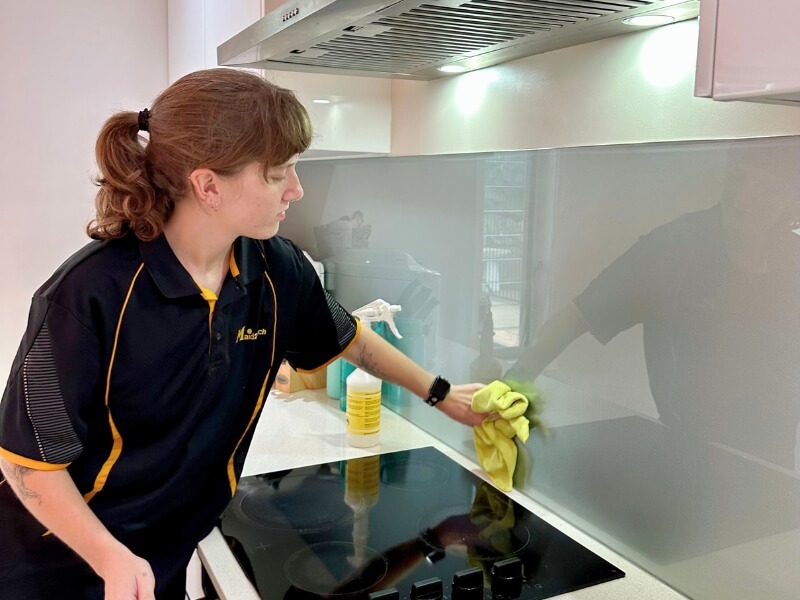
Credit: www.maid2match.com.au
Quick Cleaning Methods
Cleaning grease off kitchen walls can be quick and simple. Some common household items effectively cut through stubborn grease. These quick cleaning methods save time and effort. They restore your kitchen walls without harsh chemicals.
Using Dish Soap And Water
Dish soap breaks down grease easily. Mix a few drops of dish soap with warm water in a bucket. Dip a soft cloth or sponge into the solution. Wring out extra water to avoid drips. Gently scrub the greasy areas on the wall. Rinse the cloth often and keep changing the water if it gets dirty. After cleaning, wipe the wall with a damp cloth to remove soap residue. Dry the wall with a clean towel to prevent streaks.
Vinegar And Baking Soda Solution
Vinegar and baking soda create a natural, powerful cleaner. Sprinkle baking soda on the greasy spots first. Then spray or dab white vinegar over the baking soda. The mixture will fizz and lift grease from the surface. Let it sit for 5 to 10 minutes. Use a soft sponge to scrub the area in small circles. Wipe the wall with a clean, damp cloth to remove all residue. Dry the wall with a towel to finish the cleaning.
Deep Cleaning Techniques
Deep cleaning grease off kitchen walls can be tough, especially when regular wiping doesn’t do the trick. Grease builds up in layers and often hides in tiny cracks or textured surfaces. To truly restore your kitchen walls, you need powerful and effective techniques that reach beyond surface cleaning.
Commercial Degreasers
Commercial degreasers are designed specifically to break down stubborn grease quickly. These products contain strong ingredients that dissolve oily residues without damaging your paint or wallpaper.
When using a degreaser, spray it generously on the greasy areas and let it sit for a few minutes. This waiting time lets the chemicals work on the grease, making it easier to wipe away.
Wear gloves to protect your hands and always ventilate the kitchen well. Some degreasers have strong fumes, so open windows or use a fan while cleaning.
- Look for non-toxic options if you prefer eco-friendly cleaning.
- Test the product on a small hidden spot first to avoid discoloration.
- Use a soft cloth or sponge to avoid scratching the wall surface.
Steam Cleaning Approach
Steam cleaning uses hot steam to loosen grease from walls naturally. This method avoids harsh chemicals and is especially helpful for textured or painted walls.
Simply fill a handheld steam cleaner with water and direct the steam toward the greasy spots. The heat melts the grease, and the moisture softens it, making it easy to wipe off.
This technique also kills bacteria and reduces odors, which adds a fresh feeling to your kitchen.
- Move the steam cleaner slowly to cover all greasy areas evenly.
- Follow up with a microfiber cloth to absorb loosened grease and moisture.
- Be careful not to over-saturate the wall, especially if it’s drywall.
Have you tried steam cleaning on tough kitchen grease before? You might be surprised how effective it is without harsh chemicals. Combining these deep cleaning techniques can help you maintain spotless, grease-free walls that brighten up your cooking space.

Credit: www.youtube.com
Preventing Future Grease Build-up
Grease build-up on kitchen walls can quickly turn a bright cooking space into a dull, sticky mess. Preventing this problem before it starts saves you time and effort later. Small changes in your kitchen routine and setup can make a big difference in keeping your walls clean and grease-free.
Regular Maintenance Tips
Wiping your kitchen walls regularly with a mild detergent keeps grease from settling in. You don’t need to scrub hard every day; a quick wipe after cooking is enough to stop grease from building up.
Try using a spray bottle filled with warm water and a few drops of dish soap. Spray lightly and wipe with a soft cloth or sponge. This simple habit prevents grime from becoming stubborn stains.
How often do you check your walls for grease? Making it part of your cleaning routine—perhaps twice a week—can save you from tough scrubbing sessions later.
Installing Protective Barriers
Think about installing a backsplash or heat-resistant panels behind your stove and cooking areas. These barriers catch grease splatters before they reach your walls.
Materials like glass, stainless steel, or tile are easy to wipe down and much more resistant to grease than painted walls. Plus, they add a sleek look to your kitchen.
If a full backsplash isn’t an option, consider using removable adhesive sheets that you can replace when dirty. This small addition can protect your walls and make cleanup faster.
Troubleshooting Stubborn Stains
Stubborn grease stains on kitchen walls can test your patience. Sometimes, despite your best efforts, those greasy spots just won’t budge. Understanding how to handle these tough stains without damaging your walls is key to restoring your kitchen’s fresh look.
When To Reapply Cleaners
If a stain doesn’t come off after your first attempt, don’t rush to scrub harder. Sometimes, letting the cleaner sit for a few minutes can break down the grease more effectively. Think of it as giving the cleaner time to work rather than forcing it.
After waiting, gently wipe the area again with a soft cloth or sponge. If the grease persists, it’s okay to reapply the cleaner—but avoid overdoing it. Applying too much can saturate the wall and lead to peeling or discoloration.
Ask yourself: Is the stain really loosening, or is your cleaner just drying on the surface? This simple check helps you decide whether to reapply or try a different approach.
Avoiding Wall Damage
Cleaning stubborn grease is a balancing act. You want to remove the stain without harming your paint or wallpaper. Always test your cleaner on a small, hidden spot first.
Use soft cloths or sponges rather than abrasive scrubbers. Scrubbing too hard can strip paint or scratch surfaces, making the problem worse. Also, avoid harsh chemicals that aren’t made for walls—they can cause permanent damage.
Remember, your goal is to clean, not to strip. If you notice any discoloration or texture change, pause and rethink your strategy. Sometimes, gentle repeated cleaning beats aggressive single attempts.
Frequently Asked Questions
How Do I Remove Grease Stains From Kitchen Walls?
Use a mixture of warm water and dish soap. Apply with a sponge, scrub gently, then rinse with clean water. Repeat if needed until grease is gone.
What Household Items Clean Greasy Kitchen Walls Effectively?
White vinegar, baking soda, and dish soap are great for cleaning grease. Mix vinegar and water or make a baking soda paste for tough stains.
Can I Use Commercial Degreasers On Kitchen Walls?
Yes, commercial degreasers work well but choose one safe for painted surfaces. Follow instructions carefully to avoid damage or discoloration.
How Often Should I Clean Grease Off Kitchen Walls?
Clean grease buildup every few weeks to prevent stains. Regular cleaning maintains wall appearance and reduces sticky residue.
Conclusion
Cleaning grease from kitchen walls is easier than it seems. Use gentle cleaners and soft cloths for best results. Regular cleaning helps keep walls fresh and bright. Avoid harsh chemicals that can damage paint or wallpaper. Small efforts prevent big grease buildup over time.
Keep your kitchen walls looking clean and inviting. A little care goes a long way. Try these simple steps and enjoy a fresher kitchen space every day.
