

Are you redesigning your kitchen or moving into a new home and wondering, “How deep are kitchen wall cabinets?” You’re not alone.
Many homeowners find themselves puzzled by the dimensions of these essential kitchen components. Understanding the depth of your kitchen wall cabinets is crucial for maximizing space and ensuring everything fits perfectly, from your favorite dishes to those bulky kitchen gadgets.
Dive into this guide to discover everything you need to know about kitchen cabinet depths. With this knowledge, you’ll make informed decisions, transforming your kitchen into a more functional and aesthetically pleasing space. Keep reading, and let’s unlock the secrets of your kitchen’s potential!

Credit: www.ikea.com
Standard Cabinet Depths
Standard kitchen wall cabinets usually have a specific depth to fit well in most kitchens. These depths allow enough space to store dishes, glasses, and pantry items without sticking out too far. Understanding these sizes helps when planning or remodeling your kitchen.
Common Wall Cabinet Sizes
Most wall cabinets have a depth of 12 inches. This size fits nicely above countertops and leaves room for appliances below. The height varies from 12 to 42 inches depending on kitchen design and storage needs. Widths range from 9 to 48 inches, often in increments of 3 inches.
- Depth: 12 inches (standard)
- Height: 12 to 42 inches
- Width: 9 to 48 inches
Some kitchens use deeper wall cabinets of 15 inches to store larger items. However, 12 inches remains the standard depth for most kitchens.
Base Cabinet Depths Vs Wall Cabinets
Base cabinets are usually deeper than wall cabinets. Their standard depth is 24 inches to hold sinks and kitchen appliances. This extra depth helps support countertops and provides more storage space.
Wall cabinets at 12 inches depth sit above base cabinets without taking up too much room. This difference in depth creates a balanced kitchen workspace.
| Cabinet Type | Standard Depth |
|---|---|
| Wall Cabinets | 12 inches |
| Base Cabinets | 24 inches |

Credit: www.hth-kitchen.com
Factors Influencing Cabinet Depth
Choosing the right depth for kitchen wall cabinets depends on several important factors. These factors affect how functional and comfortable your kitchen will be. Understanding them helps you pick cabinets that fit your space and needs.
Kitchen Layout And Space
The size and shape of your kitchen impact cabinet depth. Small kitchens often need shallower cabinets to keep the space open. Large kitchens may allow deeper cabinets for extra storage. The placement of cabinets around doors and windows also matters. Cabinets should not block pathways or natural light.
Appliance And Fixture Clearance
Wall cabinets must fit well with appliances and fixtures. Cabinets above stoves, sinks, or refrigerators need proper clearance. Too deep cabinets can make using appliances difficult. Proper space ensures safety and ease of use. Measure the height and depth of appliances before choosing cabinet depth.
Storage Needs
Storage goals shape cabinet depth choices. Deeper cabinets provide more space for large items. Shallow cabinets work better for smaller items or display purposes. Consider the types of items you store most often. Customizing depth helps keep your kitchen organized and efficient.
Custom Vs. Prefabricated Cabinets
Choosing between custom and prefabricated kitchen wall cabinets often comes down to how deep you want your storage to be. The depth of these cabinets affects not only what you can store but also how your kitchen feels and functions. Understanding the differences between custom and standard options helps you make a choice that suits your space and needs.
Benefits Of Custom Depths
Custom cabinets allow you to design the exact depth that fits your kitchen’s layout and your storage needs. Want to store large pots or oversized plates? Custom depths can accommodate these items easily without wasting space.
They also let you match the cabinet depth with your appliances or countertops perfectly, creating a seamless look. If you’ve ever struggled with shallow cabinets that can’t hold your everyday items, custom depths can be a game-changer.
Another advantage is the ability to optimize every inch of available wall space. This means you can add deeper shelves in some areas while keeping others shallow to avoid a bulky appearance.
Limitations Of Standard Sizes
Prefabricated cabinets typically come in standard depths, often around 12 inches for wall cabinets. This size fits most kitchens but can limit what you store inside.
These cabinets might leave you with wasted space or force you to rearrange your kitchen tools to fit the shelves. Have you ever found yourself stacking items just to make them fit? Standard sizes can lead to that frustration.
Another issue is that fixed depths don’t always align with your kitchen’s design or appliances, which can make your space feel less cohesive. If your kitchen walls have unusual dimensions or if you want a unique layout, standard sizes may feel restrictive.
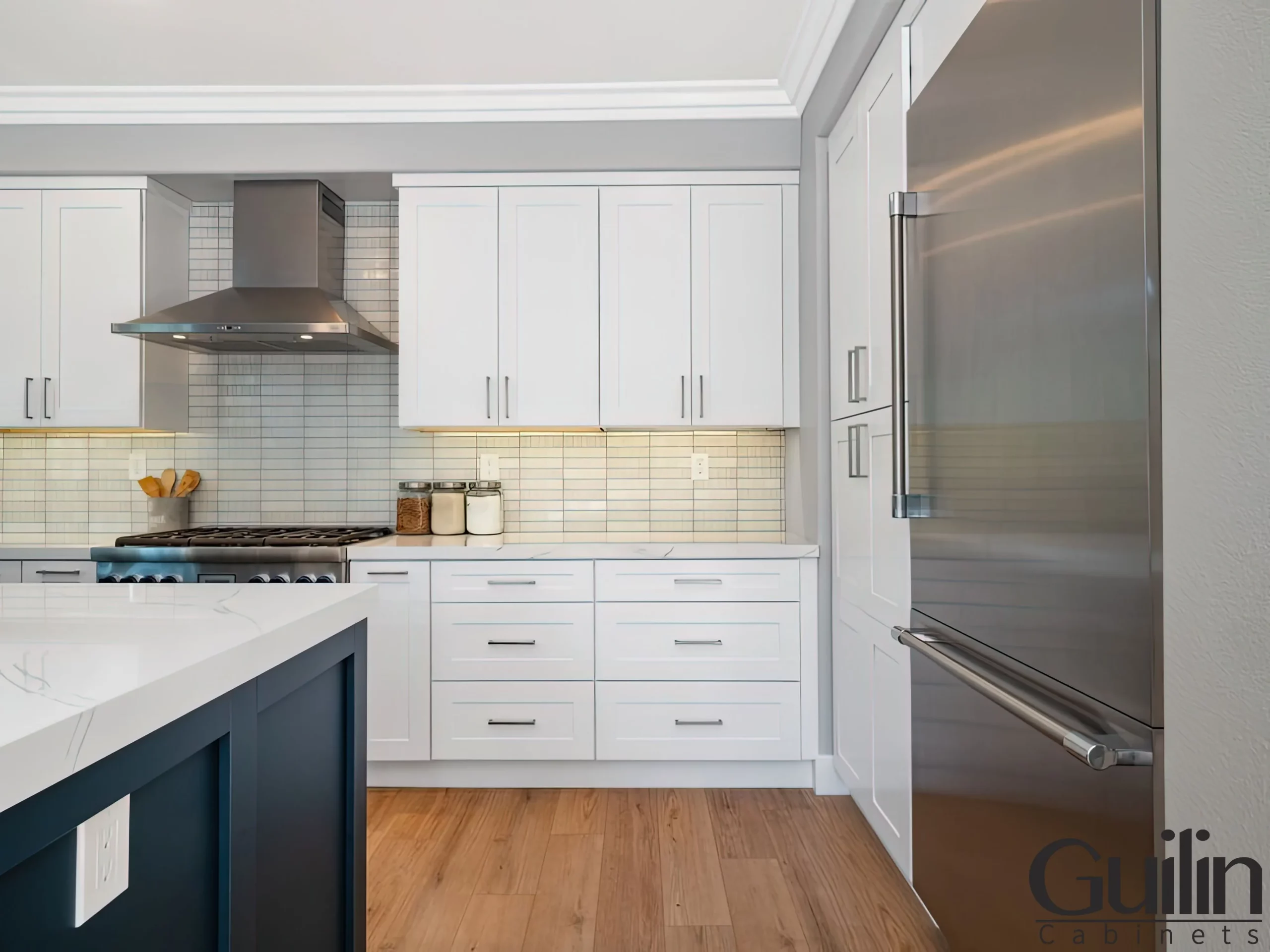
Credit: pelicancr.com
Measuring For Perfect Fit
Measuring kitchen wall cabinets correctly ensures they fit well and look great. Accurate measurements avoid costly mistakes and wasted time. Taking precise measurements helps you choose cabinets that match your kitchen space perfectly.
Tools Needed
- Tape measure – for accurate length and depth readings
- Level – to check if surfaces are even
- Pencil – to mark measurements clearly
- Notepad – to write down numbers and notes
- Step stool or ladder – to reach high spots safely
Step-by-step Measurement Tips
- Start by measuring the width of the wall where cabinets will hang.
- Measure the height from the countertop to the ceiling or upper limit.
- Check the depth of existing cabinets or space available for new ones.
- Note any obstacles like light switches or outlets that affect placement.
- Use a level to confirm the wall is straight and even.
- Write down all measurements clearly and double-check for accuracy.
- Compare your measurements with standard cabinet sizes to find a match.
Adjusting Depth For Functionality
Adjusting the depth of kitchen wall cabinets affects both style and utility. Choosing the right depth improves kitchen flow and storage options. Cabinets that fit well make cooking and cleaning easier. Consider your kitchen size and storage needs before deciding on cabinet depth.
Shallow Cabinets For Small Spaces
Shallow cabinets usually measure 12 inches deep or less. They work well in kitchens with limited space. These cabinets keep walkways clear and avoid crowding the room. Items stored here are easy to reach and see. Use shallow cabinets to store spices, dishes, or small appliances. They help maintain an open, airy kitchen feel.
Deep Cabinets For Extra Storage
Deep cabinets often range from 15 to 24 inches deep. They provide more room for larger items and bulk supplies. Store pots, pans, and serving dishes comfortably in deep cabinets. These cabinets help reduce clutter on countertops. Choose deep cabinets if you need extra storage without adding more pieces. They fit well above or near the cooking area for quick access.
Design Considerations
Choosing the right depth for your kitchen wall cabinets involves more than just measurements. It requires a careful look at how the depth affects your kitchen’s overall design, usability, and the space you have available. Let’s consider some key design factors that help you find the perfect balance.
Balancing Depth With Aesthetics
Too deep, and your cabinets might overpower the room, making it feel cramped. Too shallow, and they might look skimpy or fail to hold enough items.
Your goal is to match cabinet depth with the style and scale of your kitchen. For example, in a small kitchen, slimmer cabinets often look cleaner and keep the space open. In larger kitchens, deeper cabinets can add a sense of richness and offer more storage.
Think about the cabinet door style too. Flat panels with less depth can offer a sleek, modern look, while traditional raised panels might benefit from a deeper profile to highlight their design.
Impact On Counter Space And Workflow
The depth of your wall cabinets directly affects the counter space below. Deeper cabinets can cast shadows and reduce usable workspace, which might slow down your cooking process.
Ask yourself: How do you use your counters? If you often prep meals or place small appliances there, you’ll want cabinets that don’t intrude too far out.
Also, consider how cabinet depth influences your kitchen workflow. Shallow cabinets keep everything within easy reach, reducing unnecessary movement. Deeper cabinets might store more but can require extra effort to access items at the back.
In my own kitchen renovation, I chose 12-inch deep wall cabinets instead of the standard 15 inches. This gave me more counter space without sacrificing storage and made cooking more enjoyable. What depth will help you work smarter in your kitchen?
Installation Tips
Installing kitchen wall cabinets might seem straightforward, but a few key tips can make the process smoother and ensure your cabinets look and function perfectly. Paying attention to details during installation prevents common issues like misalignment and uneven mounting. Let’s look at practical advice that will help you get the job done right.
Ensuring Proper Alignment
Start by marking a level line on the wall where the top of your cabinets will sit. Use a laser level or a long spirit level to get this line perfectly straight. This line acts as your guide, helping you keep all cabinets aligned horizontally.
Check each cabinet’s alignment as you go. Clamp them together tightly and use shims behind the cabinets if needed to adjust height or tilt. Don’t rush—misaligned cabinets can cause doors to not close properly or gaps to appear.
Ask yourself: Have you double-checked the level before securing the cabinets? Taking a little extra time here saves you from frustration later.
Handling Uneven Walls
Uneven walls are common, especially in older homes. Instead of forcing cabinets flat against the wall, use shims to fill gaps and create a flush surface. This prevents stress on the cabinet frame and ensures doors open smoothly.
Measure the wall at multiple points and note where it bows in or out. Attach furring strips if the unevenness is severe; these strips create a new, flat surface for mounting.
Think about how you can adapt your installation rather than forcing a perfect fit. Have you noticed any odd bumps or dips in your wall? Addressing these early helps your cabinets last longer and look better.
Popular Materials And Their Impact On Depth
Choosing the right material for your kitchen wall cabinets affects more than just looks. It also changes the depth of the cabinets, which impacts how much storage you actually get. Different materials have different thicknesses and construction styles, so understanding these can help you pick cabinets that fit your kitchen perfectly.
Wood Vs. Laminate Thickness
Solid wood cabinets often use thicker panels compared to laminate options. Typically, wood panels range from 3/4 inch to 1 inch thick, giving them a sturdy feel. Laminate cabinets usually have thinner substrates, around 1/2 inch to 5/8 inch, covered with a plastic coating.
This difference in thickness means wood cabinets take up slightly more space on the wall. But they also provide a more durable surface that can be sanded or refinished. Laminate cabinets, while thinner, can offer a sleek look and are easier to clean but might not last as long under heavy use.
Effect On Overall Cabinet Size
Because wood panels are thicker, the overall depth of your cabinet could increase by about an inch or more compared to laminate versions. This extra depth can be an advantage if you want more storage inside, but it could also crowd your kitchen if space is tight.
Laminate cabinets, with their thinner construction, allow for a shallower depth without sacrificing outer dimensions. This can be helpful in small kitchens where every inch counts. However, you may need to consider the trade-off between storage space and cabinet durability.
Have you measured your kitchen walls and thought about how much depth you really need? Sometimes, a slightly deeper cabinet made from solid wood can save you trips to the pantry by holding more items in one place. What matters most is balancing your kitchen’s space with your storage needs and material preferences.
Budgeting For Cabinet Depth Choices
Choosing the right depth for your kitchen wall cabinets affects more than just storage space—it also impacts your budget. Understanding how different depths influence costs can help you make smart decisions without overspending. Let’s look at what you should expect when budgeting for cabinet depth choices.
Cost Differences In Custom Depths
Standard wall cabinet depths usually range from 12 to 15 inches. Cabinets deeper than 15 inches often come with higher price tags due to extra materials and more complex manufacturing. Custom depths might add anywhere from 10% to 30% more to your overall cabinet cost.
Think about it this way: if a standard 12-inch cabinet costs $200, a 16-inch custom depth could push the price to around $260. This increase might seem small for one cabinet, but it adds up quickly if you’re outfitting your entire kitchen.
Ask yourself: do you really need that extra space, or will it just make your kitchen feel crowded? Knowing this helps avoid spending on unnecessary depth that offers little practical benefit.
Value Considerations
Deeper cabinets can provide more storage, which might reduce the need for additional pantry space. This can add value to your kitchen by improving functionality and convenience. But the key is balance—too deep, and you could lose easy access to items, reducing usability.
Consider how much you’ll actually use the extra space. If your kitchen is small, deeper cabinets might dominate the room and make it feel cramped. On the other hand, if you often store large dishes or cookware, the added depth can be a smart investment.
Remember, value isn’t just about cost—it’s about how well the cabinets meet your daily needs. Would you prefer a kitchen that looks spacious or one packed with storage? Your answer guides your budgeting decisions.
Frequently Asked Questions
How Deep Are Standard Kitchen Wall Cabinets?
Standard kitchen wall cabinets are typically 12 inches deep. This depth provides enough space for plates, glasses, and small kitchen items. It also helps maintain a balanced look above countertops. Custom cabinets may vary, but 12 inches is the industry norm for wall cabinets.
Why Are Kitchen Wall Cabinets Usually 12 Inches Deep?
A 12-inch depth offers optimal storage without overwhelming kitchen space. It fits most dishware sizes and keeps items easy to reach. This depth also allows for uniform installation with countertops and appliances. It balances functionality with aesthetics in kitchen design.
Can Kitchen Wall Cabinets Be Deeper Than 12 Inches?
Yes, kitchen wall cabinets can be deeper, often up to 15 inches. Deeper cabinets provide more storage for bulky items. However, they may protrude more into the kitchen space. It’s important to consider room size and usability before choosing deeper cabinets.
How Does Cabinet Depth Affect Kitchen Design?
Cabinet depth impacts storage capacity and kitchen flow. Shallow cabinets save space but hold fewer items. Deeper cabinets increase storage but may reduce walkways. Choosing the right depth balances practicality with comfortable kitchen movement and visual appeal.
Conclusion
Kitchen wall cabinets usually range from 12 to 24 inches deep. Choosing the right depth affects storage and kitchen space. Shallower cabinets save room but hold less stuff. Deeper cabinets store more but can feel bulky. Think about your kitchen size and needs.
Measure carefully before buying or installing cabinets. This helps create a balanced and useful kitchen. Remember, cabinet depth matters for both function and style. Take your time to pick what works best for you.
