

When it comes to serving food, the plates you choose can make all the difference. Have you ever wondered why some meals feel more special just because of the plate they’re on?
The right dinnerware not only enhances the look of your food but also improves your dining experience. Whether you’re hosting a dinner party or enjoying a quiet meal at home, understanding the different types of plates can help you serve your dishes perfectly every time.
Keep reading to discover the essential dinnerware types and how to pick the best plates for your meals.
Common Plate Materials
Choosing the right plate material can change the way you experience your meals. Each material has its unique feel, durability, and care requirements. Understanding these differences helps you pick plates that suit your lifestyle and dining habits.
Porcelain Plates
Porcelain plates are known for their elegant, smooth surface and delicate appearance. Despite their fragile look, they are quite strong and resistant to chipping if handled carefully. These plates keep food warm longer, making them ideal for formal dinners or special occasions.
Have you noticed how porcelain plates make even simple meals feel more special? Their classic white finish also pairs well with any table setting, giving you plenty of style options.
Stoneware Plates
Stoneware plates offer a rustic, earthy charm that adds warmth to your dining table. They are thicker and heavier than porcelain, which makes them more durable for everyday use. Their natural textures and colors can vary, giving each plate a unique look.
If you enjoy casual dining with a touch of artistry, stoneware might be your best bet. Plus, these plates handle microwaves and ovens well, so reheating food is hassle-free.
Melamine Plates
Melamine plates are lightweight and virtually unbreakable, making them perfect for outdoor meals or households with kids. They come in a wide range of colors and patterns, allowing you to add fun and personality to your table. However, they should not be used in the microwave as they can warp or melt.
Have you ever found yourself juggling plates during a picnic? Melamine plates ease that stress with their durability and ease of cleaning.
Glass Plates
Glass plates bring a modern and sleek look to your dining experience. They are non-porous, so they don’t absorb stains or odors, keeping your plates fresh after every wash. Tempered glass options are strong and resistant to breakage, though they require gentle handling.
Do you appreciate seeing your food clearly plated? Glass plates highlight the colors and textures of your dishes, enhancing presentation.
Plastic Plates
Plastic plates are the go-to choice for casual, quick meals or large gatherings where convenience matters. They are affordable, disposable, and come in many designs, but they lack the durability and heat resistance of other materials. While perfect for one-time use, they don’t provide the elegance of ceramic or glass.
Ever hosted a backyard party and worried about broken plates? Plastic plates let you focus on fun without the cleanup stress.
Credit: hfcoors.com
Plate Shapes And Styles
Plate shapes and styles affect the presentation of any meal. They influence the dining experience by highlighting the food’s appearance. Different shapes offer various uses and aesthetics. Choosing the right style can enhance both casual and formal settings.
Round Plates
Round plates are the most common and traditional choice. Their smooth edges make them safe and easy to handle. These plates fit well in most dishwashers and storage spaces. Round plates work well for all types of meals, from salads to main courses.
Square Plates
Square plates bring a modern and stylish look to the table. Their sharp corners create a clean and elegant presentation. These plates often make food appear more artistic. They are excellent for serving appetizers or small portions.
Rectangular Plates
Rectangular plates offer a unique way to serve food. They provide more surface area to arrange dishes creatively. These plates suit meals with multiple components, like sushi or tapas. Rectangular plates give a contemporary feel to any dining setting.
Decorative Plates
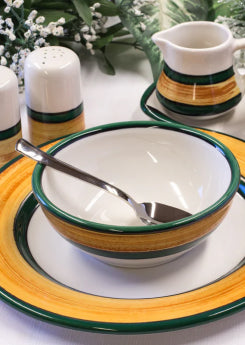
Decorative plates focus on style and design. They often feature patterns, colors, or textures. These plates can be used for special occasions or as display pieces. They add charm and personality to the dining experience without sacrificing function.
Plate Sizes And Uses
Understanding the different plate sizes and their uses can change the way you serve food and enhance your dining experience. Each plate type has a specific role, making your presentation more organized and practical. Knowing which plate to use helps you balance portions and create visually appealing meals.
Dinner Plates
These are the largest plates on the table, usually around 10 to 12 inches in diameter. They hold the main course and can handle a variety of foods, from steak to pasta. If you’ve ever felt cramped trying to fit everything on one plate, switching to a proper dinner plate can make a big difference.
Salad Plates
Smaller than dinner plates, salad plates measure about 7 to 9 inches. They are perfect for salads, side dishes, or smaller portions. Using the right size plate for salads keeps your meal balanced and prevents over-serving.
Dessert Plates
Dessert plates are usually about 6 to 7 inches wide. These are ideal for serving cakes, pastries, or fruit after your main meal. A well-sized dessert plate lets you enjoy your sweet treat without overwhelming your appetite.
Appetizer Plates
Appetizer plates are the smallest, often around 5 to 6 inches in diameter. They are designed for finger foods, small bites, or starters. Serving appetizers on the right plate size makes your guests feel welcome and sets the tone for the meal.
Specialty Plates
Specialty plates add a unique touch to your dining experience. They serve specific purposes that enhance both presentation and functionality. Knowing how to use each type can make your meals more enjoyable and visually appealing.
Charger Plates
Charger plates, also called service plates, are large decorative plates placed beneath the dinner plate. They don’t touch the food but create an elegant base for your meal. These plates can instantly elevate your table setting and impress your guests.
Think about a formal dinner you attended. The charger plates made every course feel special without getting in the way. Would you try adding charger plates to your next dinner party for that extra flair?
Soup Plates
Soup plates feature a wide rim and a deep center to hold liquids comfortably. Their design prevents spills and keeps the soup warm longer. Perfect for serving broths, stews, or creamy soups, they combine practicality with style.
If you often serve soup as a starter, a soup plate can improve your presentation and reduce mess. Have you noticed how a well-designed plate can change your dining experience?
Bread And Butter Plates
These small plates are designed specifically for bread and butter or small side items. They keep bread separate from the main plate, avoiding crowding and mixing flavors. Their size is just right for individual servings.
Using bread and butter plates shows attention to detail at the table. It’s a simple way to keep your meal organized and neat. Do you currently use separate plates for bread, or is everything served on one plate?
Partitioned Plates
Partitioned plates have built-in sections to keep different foods separate. They’re especially useful for picky eaters or meals with strong flavors that shouldn’t mix. These plates help maintain portion control and presentation.
Many parents find partitioned plates helpful for kids who prefer their foods not to touch. They can also be great for buffet-style meals at home. Could partitioned plates make your mealtime less stressful and more enjoyable?
Choosing Plates For Different Meals
Choosing the right plates for different meals can change how your food looks and feels. The type of plate you pick affects portion size, presentation, and even the dining mood. Are you picking plates that suit the occasion and the food you serve?
Casual Dining Plates
Casual dining plates are your everyday workhorses. They are usually made from durable materials like stoneware or melamine, perfect for family dinners or quick meals.
Look for plates that are easy to clean and resistant to chipping. A set of solid-colored plates can mix well with various table settings. Do you want plates that can handle everything from pasta to salad without fuss?
Formal Dinner Plates
Formal dinner plates add elegance to special occasions. Porcelain or bone china plates with fine details elevate the dining experience.
These plates often come in larger sizes to accommodate multiple courses. Consider plates with subtle patterns or gold rims to impress guests without overwhelming the food. How do you want your guests to feel when they see your table set?
Outdoor And Picnic Plates
Outdoor and picnic plates need to be practical and sturdy. Lightweight materials like bamboo or durable plastic are great choices here.
Choose plates that won’t break easily and are easy to carry. Bright colors or fun patterns add a playful touch to outdoor meals. Have you thought about how your plate choice can make outdoor dining more enjoyable and hassle-free?

Credit: www.purehomeandliving.com
Care And Maintenance Tips
Taking good care of your dinnerware plates not only keeps them looking fresh but also extends their lifespan. Proper care and maintenance ensure your plates remain safe for serving food and retain their beauty over time. Let’s dive into practical tips that will help you keep your plates in top shape.
Cleaning Techniques
Always start by rinsing plates immediately after use to prevent food from drying on the surface. Use warm water with a mild dish soap for regular cleaning. Avoid abrasive scrubbers that can scratch delicate surfaces—soft sponges or microfiber cloths work best.
If your plates have stubborn stains, soak them in warm soapy water for 15-20 minutes before scrubbing gently. For ceramic or porcelain plates, avoid using bleach or harsh chemicals as they can damage the glaze.
Storage Solutions
Stacking plates directly on top of each other can lead to scratches and chips. Place a soft cloth or paper towel between plates when stacking to protect their surfaces. Consider using plate racks or dividers to keep them upright and separated.
Store plates in a cool, dry place away from direct sunlight, which can cause fading or discoloration. Have you noticed how a simple change in storage can drastically reduce the risk of damage?
Handling And Durability
Handle plates with care, especially those made of glass or fine china. Hold them firmly but gently, supporting the base rather than just the edges. Dropping plates or bumping them into hard surfaces often leads to cracks or chips.
Some materials, like melamine or stoneware, are more durable and suitable for everyday use. Knowing the type of plate you have helps determine how much care it needs. What’s your experience with handling delicate versus sturdy plates?
Trends In Dinnerware Plates
Dinnerware plates have evolved far beyond their basic function of holding food. The latest trends reflect a blend of style, sustainability, and craftsmanship that can elevate your dining experience. Whether you’re hosting a casual meal or a formal dinner, the right plate can make a big difference in presentation and feel.
Eco-friendly Options
More people are choosing plates made from sustainable materials like bamboo, recycled glass, and biodegradable composites. These options reduce environmental impact without sacrificing durability or style.
Have you considered how your dinnerware choices affect the planet? Switching to eco-friendly plates can be a simple yet powerful step toward greener living.
Handcrafted Plates
Handmade plates offer uniqueness and a personal touch that mass-produced items often lack. Each piece tells a story through its imperfections and artistic details.
Supporting local artisans not only helps small businesses but also adds character to your table. Imagine serving meals on plates crafted by someone who poured their heart into every curve and color.
Modern Design Trends
Minimalist shapes, muted colors, and geometric patterns dominate current dinnerware design. These plates create a clean, contemporary look that highlights your food beautifully.
Mixing textures—like matte finishes with glossy accents—can add depth without overwhelming your table setting. Are you ready to update your collection with plates that make your meals pop visually?

Credit: www.purehomeandliving.com
Frequently Asked Questions
What Are The Main Types Of Dinnerware Plates?
Dinnerware plates include dinner plates, salad plates, dessert plates, and appetizer plates. Each serves a different meal course, enhancing presentation and portion control for a complete dining experience.
How To Choose The Right Plate Material?
Choose plate materials based on durability, style, and use. Common materials are porcelain, stoneware, glass, and melamine, each offering unique benefits like elegance, strength, or outdoor suitability.
What Size Plates Are Best For Serving Food?
Standard dinner plates range from 10 to 12 inches in diameter. Salad and dessert plates are smaller, around 7 to 9 inches, ideal for portion control and food presentation.
Why Use Specific Plates For Different Courses?
Using specific plates for courses improves meal flow and presentation. It helps separate flavors, portion meals appropriately, and enhances the overall dining experience.
Conclusion
Choosing the right plate can make meals more enjoyable. Different plates suit different foods and occasions. Porcelain, glass, or plastic each have their own benefits. Think about size, shape, and material when picking plates. Simple choices help your food look and taste better.
Try mixing types to find what fits your style. Serve meals with the best plate for each dish. Good dinnerware makes every meal feel special. Keep these tips in mind for your next dining experience.

Ethan Cole is a kitchen innovation enthusiast and food technology writer at DiningGadgets.com. With over 8 years of experience reviewing cookware, smart kitchen tools, and design trends, he helps readers discover gadgets that make cooking easier and dining more enjoyable. When he’s not testing the latest kitchen appliances, Ethan enjoys experimenting with recipes and sharing practical tips for modern homes.