

Are you tired of worrying whether your dinnerware can handle the microwave or dishwasher? Imagine the convenience of using plates and bowls that are safe for both, saving you time and effort every day.
Choosing dinnerware that is microwave and dishwasher safe means less hassle and more freedom to enjoy your meals. You’ll discover what to look for to make the best choice for your kitchen, so you can feel confident every time you heat or clean your dishes.
Keep reading to find out how simple it is to upgrade your dinnerware and make your life easier.

Credit: www.amazon.ca
Microwave Safe Dinnerware
Microwave safe dinnerware is a must-have in any modern kitchen. It lets you heat your meals quickly without worrying about damage or harmful chemicals leaching into your food. Choosing the right dinnerware not only protects your dishes but also keeps you safe.
Materials That Work Well
Certain materials handle microwave heat better than others. Glass and ceramic are popular choices because they absorb heat evenly and rarely crack. Many stoneware and porcelain items are microwave safe, but always check the label.
Plastic dinnerware can be microwave safe, but only if it’s labeled as such. Thin plastics or those not designed for microwaving may melt or warp. Avoid metal and dishes with metallic trims—they reflect microwave energy and can cause sparks.
Signs Of Microwave Safety
Look for clear labels on your dinnerware that say “microwave safe” or show a microwave symbol. These indicators mean the manufacturer has tested the item for microwave use. If you can’t find a label, test by heating a cup of water on the plate for 30 seconds; if the plate stays cool, it’s likely safe.
Also, check for any cracks or chips before microwaving. Damaged dishes can absorb heat unevenly, increasing the risk of breakage. A simple visual check can save you from unexpected accidents.
Risks Of Non-microwave Safe Items
Using non-microwave safe dinnerware can lead to dangerous outcomes. Plates may crack, warp, or even shatter, causing injury or mess. Some materials release harmful chemicals when heated, which can contaminate your food.
Have you ever noticed a strange smell or taste after microwaving food? That might be a warning sign that your dinnerware isn’t safe for microwave use. Protect yourself by choosing the right dishes and inspecting them regularly.

Credit: www.amazon.ca
Dishwasher Safe Dinnerware
Dishwasher safe dinnerware saves time and effort in daily cleaning. It allows you to place plates, bowls, and cups directly into the dishwasher without worry. This convenience makes mealtime cleanup faster and easier for busy households.
Choosing the right dinnerware that withstands dishwasher cycles is important. Not all materials handle heat and water pressure well. Understanding what makes dinnerware dishwasher safe helps protect your dishes and your dishwasher.
Durable Materials For Dishwashers
Certain materials perform better in dishwashers. Porcelain, stoneware, and tempered glass resist chipping and cracking. These materials handle high temperatures and strong water jets without damage.
Plastic dinnerware must be labeled dishwasher safe. Some plastics can warp or melt in the dishwasher. Melamine is durable but often not dishwasher safe at high temperatures.
Stainless steel dinnerware is also dishwasher safe. It resists rust and corrosion. Avoid hand-painted or delicate finishes that may fade or peel.
How To Identify Dishwasher Safe Marks
Look for dishwasher safe symbols on the bottom of dinnerware. A small icon of a dishwasher or water droplets usually indicates safe use. Some items have clear text stating “Dishwasher Safe.”
Check product packaging or labels for dishwasher compatibility. Manufacturer websites often provide care instructions. When uncertain, test on the lowest dishwasher setting first.
Common Mistakes To Avoid
- Placing non-dishwasher safe items in the dishwasher causes damage.
- Overloading the dishwasher prevents proper cleaning and may chip dishes.
- Using harsh detergents can fade colors and weaken materials.
- Not rinsing off heavy food residues can clog dishwasher filters.
- Ignoring manufacturer instructions leads to quicker wear and tear.
Combining Microwave And Dishwasher Safety
Choosing dinnerware that is both microwave and dishwasher safe can save you time and hassle. It means you can heat your food without changing plates and clean up quickly without worrying about damaging your dishes. But finding the right balance between safety, durability, and style can be tricky.
Best All-around Dinnerware Choices
Ceramic and porcelain dinnerware often top the list for microwave and dishwasher safety. These materials handle heat well and resist chipping when washed carefully. Brands like Corelle offer lightweight options that combine durability with classic designs.
Stoneware is another solid choice. It heats evenly and usually holds up well in the dishwasher, but it can be heavier and more prone to cracking if dropped. Look for pieces labeled explicitly as microwave and dishwasher safe to avoid surprises.
Trade-offs Between Durability And Design
Do you prioritize how your dinnerware looks or how long it lasts? Highly decorative plates with metallic trims often look stunning but aren’t microwave safe due to the metal. They may also require hand washing to preserve the design.
On the other hand, simple designs and solid colors tend to be more durable and less sensitive to heat and detergents. You might sacrifice some style, but you gain peace of mind knowing your dishes can handle everyday use.
Think about your daily routine and how much convenience matters. Are you okay with occasional hand washing if it means a beautiful set? Or do you want dishes that can go straight from microwave to dishwasher without worry?
Care Tips For Safe Dinnerware Use
Taking good care of your dinnerware keeps it safe for microwave and dishwasher use. Proper handling extends the life of your plates and bowls. Follow simple care tips to avoid damage and maintain their look.
Cleaning Without Damage
Use gentle dish soap and warm water for hand washing. Avoid harsh scrubbers that scratch the surface. Place dinnerware carefully in the dishwasher to prevent rubbing. Choose a mild dishwasher detergent to protect the finish.
Preventing Cracks And Chips
Do not expose dinnerware to sudden temperature changes. Let hot dishes cool before washing with cold water. Avoid stacking heavy items on top of fragile pieces. Handle plates and bowls with care to prevent drops.
Storage Recommendations
Store dinnerware in a dry, stable place. Use felt pads or paper towels between stacked items. Keep plates upright in racks to reduce pressure. Organize by size to avoid unnecessary shifting or collisions.
Popular Dinnerware Materials Compared
Choosing the right dinnerware material affects durability and convenience. Some materials handle heat better. Others resist dishwasher wear. This section compares popular options. It highlights microwave and dishwasher safety. You will understand which fits daily use best.
Ceramic Vs. Porcelain
Ceramic dinnerware is strong and affordable. It usually handles microwaves well but varies by brand. Most ceramic sets are dishwasher safe but check labels. Porcelain is a type of ceramic that is denser and smoother. Porcelain resists chipping and often suits microwave use. It cleans easily in dishwashers. Both types offer classic looks and lasting use.
Glass And Stoneware
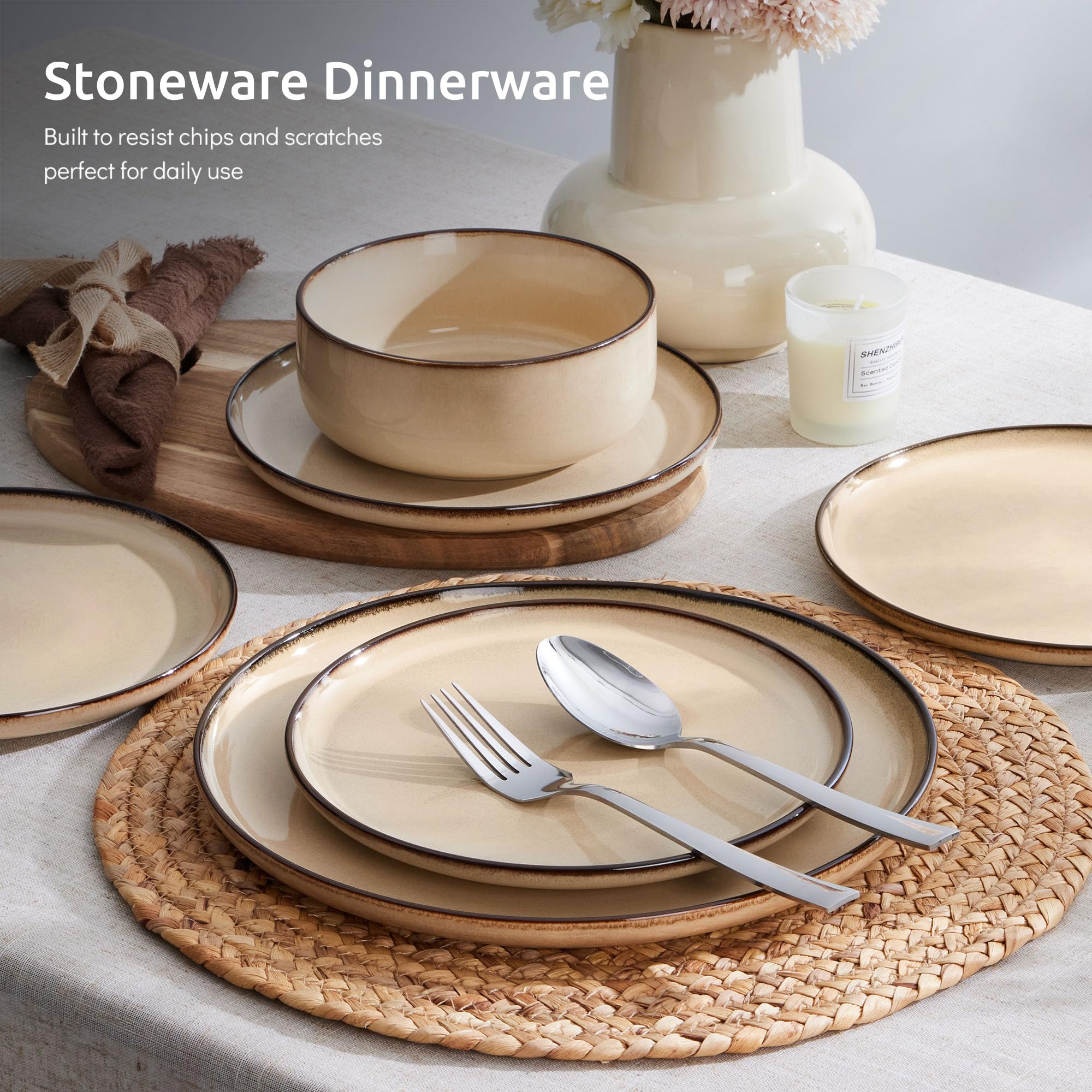
Glass dinnerware is microwave safe and resists stains. Tempered glass withstands heat changes well. It cleans easily in dishwashers but can break if dropped. Stoneware is heavier and has a rustic feel. It holds heat longer and is mostly microwave safe. Stoneware usually works in dishwashers but may fade over time.
Plastic And Melamine
Plastic dinnerware is lightweight and shatterproof. Many plastics are microwave safe but check for specific symbols. Melamine looks like ceramic but is more durable. It is dishwasher safe but not for microwave use. Plastic and melamine suit casual dining and outdoor meals. They offer easy cleanup but vary in heat resistance.
Credit: www.amazon.ca
Eco-friendly And Safe Options
Choosing dinnerware that is both microwave and dishwasher safe supports a healthier home and planet. Eco-friendly options reduce waste and use safer materials. These choices help protect your family from harmful chemicals and lessen environmental impact. Understanding the materials and coatings used makes it easier to pick safe, sustainable dinnerware.
Sustainable Material Choices
Sustainable dinnerware is made from natural or recycled materials. Bamboo, recycled glass, and stoneware are popular options. These materials use fewer resources and last longer. They break down naturally or can be reused. Choosing durable dinnerware cuts down on waste over time.
- Bamboo: Fast-growing and biodegradable.
- Recycled Glass: Reduces landfill waste.
- Stoneware: Long-lasting and non-toxic.
Non-toxic Coatings And Glazes
Coatings protect dinnerware and make it dishwasher safe. Non-toxic glazes contain no lead or cadmium. These chemicals can harm health and the environment. Look for labels that confirm safety and compliance with standards. Safe coatings keep food pure and dinnerware durable.
- Lead-free glazes avoid heavy metal contamination.
- Water-based coatings reduce toxic fumes.
- Ceramic finishes often use natural materials.
Frequently Asked Questions
Are All Dinnerware Sets Microwave Safe?
Not all dinnerware is microwave safe. Check for labels or manufacturer info. Materials like ceramic, glass, and some plastics are usually safe. Avoid metal or decorated with metallic paint as they can spark or damage your microwave.
How To Identify Dishwasher Safe Dinnerware?
Look for dishwasher safe symbols or labels on packaging. Durable materials like stoneware, porcelain, and tempered glass often are dishwasher safe. Avoid delicate hand-painted or fine china to prevent damage during washing cycles.
Can Microwave-safe Dinnerware Go In The Dishwasher?
Yes, many microwave-safe dinnerware pieces are dishwasher safe. However, verify manufacturer guidelines to avoid damage. Some materials can withstand both heat and water pressure without fading or cracking, making them convenient for everyday use.
Does Dishwasher Safe Mean Microwave Safe?
No, dishwasher safe does not always mean microwave safe. Dishwasher safe means it can handle water and detergent. Microwave safe means it can endure microwave heat without damage. Always check both labels for dual safety.
Conclusion
Choosing dinnerware that works well in microwaves and dishwashers saves time and effort. It keeps your meals safe and your cleanup easy. Always check labels to ensure your dishes meet these needs. Durable and practical dinnerware makes daily life simpler.
Enjoy your food without worries about damage or extra work. Simple choices bring big benefits to your kitchen routine.

Ethan Cole is a kitchen innovation enthusiast and food technology writer at DiningGadgets.com. With over 8 years of experience reviewing cookware, smart kitchen tools, and design trends, he helps readers discover gadgets that make cooking easier and dining more enjoyable. When he’s not testing the latest kitchen appliances, Ethan enjoys experimenting with recipes and sharing practical tips for modern homes.