

Imagine walking into your kitchen and feeling an immediate sense of sophistication and warmth. Dark kitchen cabinets can create this stunning effect, but choosing the perfect wall color to complement them can be a challenge.
You’ve invested in those beautiful dark cabinets, and now it’s time to make them shine by pairing them with the right wall color. This decision can transform your kitchen from ordinary to extraordinary, making it a space where you and your loved ones will want to gather and linger.
By the end of this article, you’ll have the insights you need to create a harmonious and inviting kitchen environment that reflects your unique style. Ready to discover the perfect wall colors for your dark cabinets? Let’s dive in!
Choosing Wall Colors For Dark Cabinets
Choosing wall colors for dark kitchen cabinets can transform your space from dull to dynamic. The right wall shade balances the depth of dark cabinetry and sets the tone for your entire kitchen. Think about how you want your kitchen to feel—bright and airy, calm and neutral, or bold and dramatic—before picking your color.
Balancing Dark Cabinets With Light Walls
Light walls create contrast against dark cabinets, making your kitchen feel larger and more open. Whites, soft creams, and pale grays are excellent choices that brighten the space without clashing. Have you noticed how a crisp white wall can turn black cabinets into a striking focal point?
Try pairing navy or espresso cabinets with walls in shades like off-white or light beige. This contrast adds freshness and prevents the room from feeling cramped or too heavy. If natural light is limited, light walls can counterbalance the darkness of the cabinets effectively.
Using Neutral Tones For A Sophisticated Look
Neutral walls in tones such as taupe, greige, or warm gray provide a subtle backdrop for dark cabinets. These colors add warmth without competing for attention, allowing your cabinets to shine. Have you ever walked into a kitchen where the walls just seem to harmonize perfectly with the cabinetry? That’s the power of neutrals.
Neutral tones also give you flexibility with accessories and decor. You can easily switch up your kitchen’s style without repainting walls. Consider soft neutrals if you want an elegant yet timeless kitchen look that ages well.
Bold Wall Colors To Complement Dark Cabinets
Don’t shy away from bold wall colors if you want to make a statement. Deep greens, rich blues, or even a vibrant terracotta can complement dark cabinets beautifully. Imagine a dark gray cabinet paired with emerald green walls—it creates an unexpected, stylish vibe.
Bold colors work best in well-lit kitchens or as accent walls to prevent overwhelming the space. Think about your personality—do you want your kitchen to inspire energy and creativity? Bold walls might be exactly what you need.
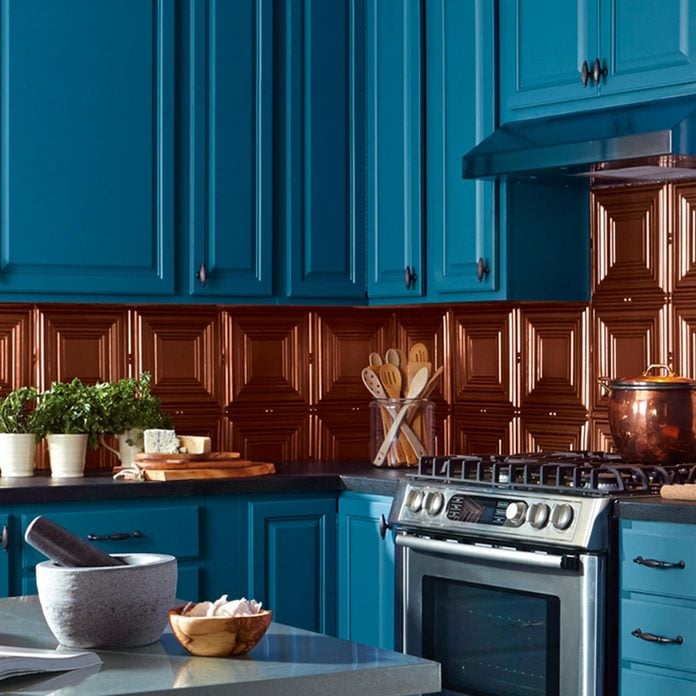
Credit: www.familyhandyman.com
Popular Wall Colors With Dark Cabinets
Choosing the right wall color to complement dark kitchen cabinets can transform your space from gloomy to stunning. The contrast or harmony between your cabinets and walls sets the tone for your kitchen’s style and mood. Let’s look at some popular wall color choices that work beautifully with dark cabinets and can help you achieve the look you want.
Soft Whites And Off-whites
Soft whites and off-whites are a classic choice that brightens the room and lets your dark cabinets stand out. These shades create a clean, fresh backdrop without overwhelming your space. If you want to keep things simple yet elegant, consider creamy tones like ivory or warm white.
They reflect natural light, making your kitchen feel more open. Have you noticed how even a slight change in white tones can shift the entire atmosphere of a room? Experiment with samples on your wall before deciding.
Warm Beige And Taupe Shades
Warm beige and taupe shades add a cozy, inviting feel to kitchens with dark cabinets. These earthy neutrals create a smooth transition between the rich darkness of your cabinetry and the rest of your decor. Shades like sandy beige or soft taupe keep the space grounded and warm.
This palette pairs well if you want a subtle, understated look without stark contrasts. Think about how these colors feel under different lighting during the day — they often reveal beautiful undertones that add depth.
Cool Grays And Blues
Cool grays and blues bring a modern, sophisticated vibe when paired with dark cabinets. Light gray walls can soften the heaviness of dark wood or painted cabinets, while blues introduce a touch of calm and freshness. Consider pale blue or dove gray for a balanced and stylish appearance.
These cooler tones work well if you prefer a sleek, contemporary kitchen. How might a splash of blue influence your mood while cooking or entertaining? It’s worth testing to see if it energizes or relaxes you.
Earthy Greens And Natural Hues
Earthy greens and natural hues connect your kitchen to nature and add a refreshing twist to dark cabinets. Olive green, sage, or moss tones complement dark wood beautifully, creating a harmonious, organic feel. These colors evoke a sense of calm and growth.
If you want your kitchen to feel like a peaceful retreat, these tones are worth considering. Have you tried pairing greenery or wooden accents with these wall colors to complete the natural look?
Creating Contrast And Depth
Creating contrast and depth in a kitchen with dark cabinets is key to avoiding a space that feels heavy or closed in. The right wall colors can make your dark cabinetry pop and add layers of interest that invite you to stay longer in the room. It’s about balancing darkness with light, texture, and visual intrigue to craft a kitchen that feels dynamic yet cozy.
Accent Walls For Visual Interest
An accent wall can transform your kitchen by drawing attention and breaking up the monotony of dark cabinetry. Choose a lighter color like soft gray, pale blue, or warm cream to contrast sharply with dark cabinets. This contrast immediately adds depth and prevents the space from feeling flat.
Think about where your eye naturally lands. A well-placed accent wall behind an open shelf or stove area makes the cabinets stand out even more. If you prefer bold choices, a deep emerald or rich mustard can also work as accent walls, offering contrast without overwhelming the room.
Combining Textures And Finishes
Walls don’t have to be flat and plain to add depth. Mixing textures like matte paint with glossy backsplashes or using plaster finishes can create subtle contrasts that catch the light differently throughout the day. This variation gives your kitchen a tactile quality that complements dark cabinets beautifully.
Consider materials such as textured wallpaper or wood paneling painted in lighter shades. These elements introduce warmth and personality, making the entire space feel more layered and inviting. Have you ever noticed how a little texture can make a room feel more alive? Try it in your kitchen walls for a similar effect.
Using Patterns To Enhance The Space
Patterns on your walls can add a surprising amount of depth and interest when paired with dark cabinets. Geometric shapes, subtle stripes, or even botanical prints can create movement that keeps the eye engaged. Choose patterns in lighter colors to ensure your cabinets remain the focal point.
Wallpaper is a fantastic option here, especially with washable finishes for a kitchen setting. If wallpaper feels too bold, stenciled patterns or tile backsplashes with intricate designs can achieve a similar effect. How could a patterned wall change the way you experience your kitchen every day?

Credit: www.decorpad.com
Lighting And Its Impact On Color Choices
Lighting plays a crucial role in deciding which wall colors pair best with dark kitchen cabinets. The way light interacts with color can either brighten up the space or make it feel heavy and confined. Understanding this interaction helps you choose wall shades that complement your cabinetry and create the atmosphere you want.
Natural Light Effects
Natural light changes throughout the day, affecting how colors appear on your walls. Morning sunlight tends to be cooler and can make colors look sharper, while afternoon light is warmer and softens hues.
If your kitchen has plenty of natural light, you can afford to pick cooler or mid-tone colors without worrying about the room feeling too dark. However, in spaces with limited natural light, lighter and warmer wall colors help counterbalance the darkness of the cabinets and prevent the kitchen from feeling cramped.
Artificial Lighting Tips
Artificial lighting varies widely—from warm incandescent bulbs to cooler LED lights—and each type shifts the perception of color differently. Warm lights can enhance cozy, earthy tones, while cooler lights bring out blues and grays more vividly.
Consider layering your kitchen lighting with ambient, task, and accent lights. This approach allows you to adjust the mood and see how your wall colors react in different lighting scenarios throughout the day.
Choosing Colors For Different Lighting Conditions
Ask yourself how much natural light your kitchen receives and what type of artificial lighting you use most. If the space is dimly lit, opt for warm, soft colors like creamy beige or pale peach to add warmth and contrast with dark cabinets.
In well-lit kitchens, cooler colors like soft grays or muted blues work well, creating a balanced and modern look without overwhelming the dark cabinetry.
Test paint samples on your walls and observe them at different times and lighting setups before making a final decision. This simple step prevents surprises and helps you select a color that complements your cabinets perfectly.
Styling Tips To Complement Wall And Cabinet Colors
Choosing dark kitchen cabinets sets a bold tone in your space, but pairing them with the right wall colors can make all the difference. Styling your kitchen to balance these strong hues requires thoughtful choices that create harmony and enhance the overall aesthetic. Here are some practical tips to help you complement both your wall and cabinet colors effectively.
Matching Backsplashes And Countertops
Your backsplash and countertops act as the bridge between dark cabinets and wall colors. Opt for lighter or neutral tones in these areas to prevent the space from feeling too heavy. For example, a white marble countertop with subtle gray veining can brighten the room and add texture without clashing with dark cabinetry.
Consider materials that reflect light, such as glossy tiles or quartz surfaces, to contrast the matte finish of dark cabinets. Have you tried using patterned backsplashes with hints of the wall color? This can tie the elements together in a subtle yet cohesive way.
Coordinating Hardware And Fixtures
Hardware and fixtures are small details that carry significant weight in your kitchen’s look. Choose finishes like brushed gold, matte black, or antique brass to complement the richness of dark cabinets. These options add warmth and personality without overpowering the color scheme.
Think about how your faucet, handles, and light fixtures interact with the wall color. For example, sleek black hardware pairs beautifully with soft gray walls, creating a modern and clean contrast. Have you experimented with mixing metals to add a layered and custom feel?
Incorporating Decorative Elements
Decorative pieces can soften or highlight the contrast between dark cabinets and walls. Add open shelving with plants or colorful ceramics to bring life and freshness into the space. Textured rugs or cushions in complementary hues also create visual interest and comfort.
Try displaying artwork or wall hangings that pick up tones from both the cabinets and walls. This creates a balanced flow and makes your kitchen feel intentional and inviting. What small decorative touch could transform your kitchen’s vibe right now?

Credit: www.reddit.com
Frequently Asked Questions
What Wall Colors Complement Dark Kitchen Cabinets?
Light and neutral tones like soft beige, pale gray, or creamy white work best. These colors create contrast and brighten the space, balancing the depth of dark cabinets effectively.
Can Bold Wall Colors Work With Dark Cabinets?
Yes, deep blues, rich greens, or warm terracotta can enhance dark cabinets. Use these bold colors sparingly to avoid overwhelming the kitchen and maintain a stylish, cohesive look.
Should Kitchen Walls Be Lighter Than Dark Cabinets?
Generally, yes. Lighter walls prevent the space from feeling cramped or dark. They help reflect natural light and make the kitchen appear larger and more inviting.
How Do Wall Colors Affect Kitchen Ambiance With Dark Cabinets?
Wall colors influence mood and perception. Soft, warm tones create coziness, while cool tones offer a modern, fresh feel. Choose colors based on the desired atmosphere and kitchen style.
Conclusion
Dark kitchen cabinets pair well with many wall colors. Light shades like white or cream brighten the space. Soft grays add a modern, calm feel. Warm tones like beige or pale yellow create coziness. Avoid dark walls that make the room feel small.
Choose colors that match your style and lighting. This balance makes your kitchen look fresh and inviting. Experiment with samples before painting. Your choice can change the whole room’s mood. Simple colors often work best with dark cabinets.
