

If you own a Craftsman tool chest, you know how important it is to keep your tools safe and secure. The lock bar is a small part that plays a big role in protecting everything inside.
Without a reliable lock bar, your tools could be at risk of theft or damage. You’ll discover why the Craftsman tool chest lock bar matters, how to spot problems early, and simple steps to fix or replace it. Keep reading to make sure your tools stay exactly where they belong—safe and sound.

Credit: www.searspartsdirect.com
Features Of Craftsman Tool Chest Lock Bar
The Craftsman Tool Chest Lock Bar offers more than just basic security for your tools. Its design is focused on durability, ease of use, and compatibility, ensuring your valuable equipment stays safe. Let’s break down what makes this lock bar stand out and how it can fit seamlessly into your workshop setup.
Material Quality And Build
The lock bar is crafted from high-grade steel, providing strong resistance to bending and breaking. This solid construction means it can handle frequent use without wearing down quickly. You’ll notice the smooth finish that prevents rust and corrosion, keeping the lock bar reliable over time.
Think about the last time you struggled with a flimsy lock that bent or jammed—this lock bar avoids those issues completely. Its robust build gives you peace of mind, especially if your tool chest gets moved around often.
Locking Mechanism Types
Craftsman offers different locking options to suit your preferences. The most common types include keyed locks and combination locks, both designed for quick operation and secure closure. The keyed lock provides straightforward security, while the combination lock eliminates the hassle of carrying keys.
Do you prefer having a key or remembering a code? Either way, the mechanisms are built to resist tampering, so you won’t have to worry about unwanted access. The smooth action of the lock also means you won’t spend extra time fiddling when you’re in a hurry.
Compatibility With Tool Chests
This lock bar is designed to fit a wide range of Craftsman tool chests, from small portable boxes to larger rolling chests. Its adjustable length and mounting points make installation straightforward on most models. You won’t need to drill extra holes or modify your chest, saving you time and effort.
If you have multiple tool chests, the lock bar’s versatility means it can serve across different units without hassle. Have you checked if your current tool chest supports this lock bar? Making sure compatibility is key to a smooth upgrade.
Benefits Of Using A Lock Bar
The lock bar on a Craftsman Tool Chest offers multiple benefits. It ensures your valuable tools stay safe and secure. This feature adds a layer of protection that every tool owner needs.
Enhanced Security Measures
A lock bar provides enhanced security for your tool chest. It prevents easy access to your tools by unauthorized persons. This simple addition makes a significant difference in safeguarding your equipment.
Preventing Unauthorized Access
Unauthorized access to your tools can lead to loss or damage. A lock bar effectively blocks intruders from getting inside. It acts as a reliable deterrent against potential theft.
Impact On Tool Chest Durability
Lock bars also contribute to the durability of your tool chest. They help maintain the structural integrity of the chest. This means your tool storage lasts longer, providing value over time.
Installation Tips For Lock Bars
Installing a Craftsman Tool Chest Lock Bar correctly keeps your tools safe and secure. Careful setup ensures smooth locking and prevents damage. Follow simple tips for a quick, effective installation.
Tools Needed For Installation
- Phillips screwdriver
- Flathead screwdriver
- Measuring tape
- Drill with drill bits
- Level tool
- Marker or pencil
- Wrench set
Step-by-step Installation Process
- Open the tool chest and remove any drawers blocking access.
- Use the measuring tape to find correct lock bar placement.
- Mark the drill points on the chest frame with a pencil.
- Drill holes carefully at the marked points, avoiding damage.
- Attach the lock bar using screws and bolts provided.
- Tighten all screws securely but avoid over-tightening.
- Check alignment with the level tool to ensure straight fit.
- Test the lock bar by closing and locking the chest.
- Reinsert drawers and confirm smooth operation of the lock.
Common Installation Mistakes To Avoid
- Skipping measurements leads to poor lock bar fit.
- Using wrong drill bit size causes loose or tight holes.
- Over-tightening screws can strip threads or crack parts.
- Ignoring level alignment results in uneven locking action.
- Not testing the lock bar before full assembly causes issues.
- Failing to remove drawers first blocks access and causes damage.

Credit: www.ebay.com
Maintenance And Care
Keeping your Craftsman Tool Chest Lock Bar in top shape is essential for security and ease of use. Proper maintenance prevents jams and extends the life of the lock bar. Let’s dive into some straightforward care tips that you can easily fit into your routine.
Regular Cleaning Practices
Dirt and dust can build up around the lock bar, making it harder to operate. Use a soft brush or a dry cloth to wipe away grime regularly. Avoid harsh chemicals that might damage the finish or internal parts.
If you notice stubborn debris, gently clean with a mild soap solution and a damp cloth, then dry thoroughly. Keeping the area clean prevents rust and ensures smooth locking action every time.
Lubrication For Smooth Operation
Lubrication is key to preventing sticking or grinding when you move the lock bar. Apply a small amount of silicone spray or graphite lubricant to the moving parts.
Oil-based lubricants can attract dust, so it’s best to steer clear of them. After applying lubricant, cycle the lock bar a few times to spread it evenly, making your lock bar glide effortlessly.
Troubleshooting Common Issues
If your lock bar sticks or won’t engage, check for dirt buildup or lack of lubrication first. Sometimes, simple cleaning and a fresh coat of lubricant fix the problem.
Is the lock mechanism still problematic? Inspect for bent or misaligned parts that might need gentle adjustment. Don’t force the lock; forcing can cause damage that’s harder to repair.
Have you ever ignored these maintenance steps and faced a jammed lock? Sharing your experience could help others avoid the same frustration.
Comparing Lock Bars With Other Security Options
Securing your Craftsman tool chest is vital to protect your tools from theft and damage. Various security options exist, each with unique benefits and drawbacks. Comparing lock bars with other methods helps you choose the best fit. This section explores how lock bars stack up against padlocks, built-in locks, and the balance between cost and security.
Padlocks Vs. Lock Bars
Padlocks are simple and common for tool chests. They offer basic protection but can be cut or picked. Lock bars cover the entire chest front, securing multiple drawers together. This makes it harder for thieves to access tools quickly. Lock bars often use stronger materials, boosting security. Padlocks may be cheaper but less reliable in high-risk areas.
Built-in Locks Vs. External Lock Bars
Built-in locks are integrated into the tool chest design. They keep the chest neat and easy to lock. However, built-in locks may be easier to tamper with. External lock bars add an extra layer of security outside the chest. They protect all drawers at once and resist forced entry better. External bars can be added to most chests, offering flexibility.
Cost Vs. Security Efficiency
Cost plays a big role in choosing a security option. Padlocks are usually low-cost but provide limited security. Built-in locks come with the chest price and may need replacement over time. Lock bars cost more but offer stronger protection and durability. Investing in a lock bar can save money by preventing tool theft. Consider your security needs before spending.
Upgrading Your Tool Chest Security
Upgrading your tool chest security protects valuable tools from theft and damage. A sturdy lock bar is a good start, but enhancing it adds extra safety. Small improvements make your tool chest harder to break into. It also keeps your workspace organized and secure.
Adding Additional Lock Bars
Adding extra lock bars strengthens your tool chest’s defense. More bars mean more locking points. This reduces the chance of forced entry. Install bars on different sides for balanced protection. Use quality materials to ensure durability. This simple upgrade improves your chest’s security instantly.
Integrating Electronic Locks
Electronic locks bring modern security to your tool chest. They use keypads or fingerprint scanners. This removes the need for physical keys. You can change codes easily to keep control. Some models alert you if tampered with. Electronic locks offer fast, reliable access and higher protection.
Customizing For Maximum Protection
Customizing your lock bar system fits your exact needs. Combine lock bars, electronic locks, and alarms for layered security. Use weather-resistant parts for outdoor use. Add internal reinforcements to protect hinges and corners. Tailor your setup to tool value and environment. A custom approach ensures the best protection possible.
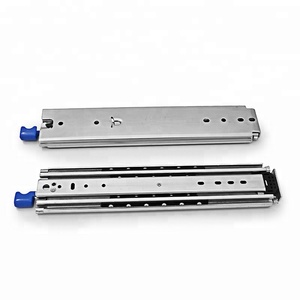
Credit: www.alibaba.com
Frequently Asked Questions
What Is A Craftsman Tool Chest Lock Bar?
A Craftsman Tool Chest Lock Bar is a security feature. It locks multiple drawers simultaneously. This prevents unauthorized access and keeps your tools safe. It is durable and designed specifically for Craftsman chests. The lock bar enhances tool organization and security.
How Does The Lock Bar Improve Tool Chest Security?
The lock bar secures all drawers with one lock. It prevents drawers from opening without the key. This reduces theft risk and tool loss. It ensures your tools stay organized and protected. The bar is sturdy and tamper-resistant.
Can I Replace A Broken Craftsman Lock Bar?
Yes, you can replace a broken lock bar. Replacement bars are available from Craftsman or third-party sellers. Ensure compatibility with your specific tool chest model. Follow installation instructions carefully for proper fit. Replacing the bar restores security and functionality.
Is Installation Of The Lock Bar Difficult?
No, installation is usually straightforward and user-friendly. Most lock bars come with clear instructions and necessary hardware. Basic tools like screwdrivers are often sufficient. If unsure, professional help can ensure proper installation. Proper setup maximizes security benefits.
Conclusion
A Craftsman Tool Chest Lock Bar adds security to your tools. It keeps your items safe and organized. This small part helps prevent unwanted access. Easy to install and use, it fits well. Choose a reliable lock bar for peace of mind.
Protect your tools every day without hassle. Simple steps make your tool chest stronger. A smart choice for any workshop or garage. Safety and order go hand in hand here. Trust this accessory to guard your valuable tools.
Ethan Cole is a kitchen innovation enthusiast and food technology writer at DiningGadgets.com. With over 8 years of experience reviewing cookware, smart kitchen tools, and design trends, he helps readers discover gadgets that make cooking easier and dining more enjoyable. When he’s not testing the latest kitchen appliances, Ethan enjoys experimenting with recipes and sharing practical tips for modern homes.