

Have you ever wondered how to turn fresh Concord grapes into your very own delicious wine? Making Concord grape wine at home is easier than you think, and the results can be incredibly rewarding.
Whether you’re new to winemaking or looking to try something different, this guide will walk you through every step. By the end, you’ll have the confidence and know-how to create a rich, flavorful wine that you can share with friends and family.
Ready to discover the secrets of Concord grape wine making? Let’s dive in!
Choosing Concord Grapes
Choosing the right Concord grapes is essential for making flavorful wine. The quality of grapes impacts the taste, aroma, and color of the final product. Proper selection ensures a balanced and enjoyable wine. Focus on ripeness, harvest timing, and overall grape quality to get the best results.
Selecting Ripe Grapes
Ripe Concord grapes have a deep purple color and a slight bloom on their skin. They should feel firm but slightly soft when gently squeezed. Taste a few grapes to check sweetness and flavor. Avoid grapes that are green or shriveled.
Harvest Timing
Harvest grapes at peak ripeness for the best sugar and acid balance. Test grapes regularly in late summer and early fall. Pick grapes on a dry day to prevent mold and spoilage. Early harvesting leads to sour wine, while late harvesting can cause overripe flavors.
Grape Quality Tips
- Choose grapes free from mold and damage.
- Avoid clusters with insects or rot.
- Look for uniform color across the bunch.
- Harvest grapes early in the morning for freshness.
- Handle grapes gently to avoid bruising.

Credit: www.tricitiesbusinessnews.com
Preparing Grapes For Wine
Preparing Concord grapes for wine is a crucial stage that sets the tone for the entire winemaking process. Handling the grapes with care impacts the flavor, aroma, and quality of your final product. Paying attention to details like cleaning, crushing, and managing the skins can make a noticeable difference in your homemade wine.
Cleaning And Destemming
Start by thoroughly cleaning your grapes to remove dirt, leaves, and any unwanted debris. This step ensures that no off-flavors or contaminants spoil your wine.
Destemming is equally important. Removing stems prevents bitterness from creeping into your wine, helping you maintain a smooth and pleasant taste.
Have you ever tasted wine with a harsh, green edge? That often comes from leaving too many stems in the mix. Take the time to destem carefully for a cleaner flavor.
Crushing Techniques
Crushing releases the juice from the grapes, setting the stage for fermentation. You can crush by hand for small batches or use a mechanical crusher for larger quantities.
Be gentle—over-crushing can release too many bitter compounds from seeds and skins. A light press is enough to break the grape skins without damaging the seeds inside.
Think about how pressure affects the juice extraction. Would a softer crush bring out more fruity notes in your Concord grape wine?
Handling Grape Skins
Concord grapes have thick skins packed with flavor and color, so how you manage them is key. Leaving skins in contact with the juice during fermentation intensifies the wine’s color and aroma.
However, too much skin contact can increase tannins and bitterness. Monitor the fermentation closely and decide when to press the skins to balance flavor and smoothness.
Ask yourself: do you prefer a bold, deeply colored wine or a lighter, more delicate one? Your answer will guide how long you keep the skins in the mix.
Fermentation Process
The fermentation process is the heart of making Concord grape wine. This is where the grape juice transforms into wine through the action of yeast converting sugars into alcohol. Managing fermentation carefully can make a noticeable difference in the flavor, aroma, and quality of your final product.
Choosing The Right Yeast
Picking the right yeast strain affects how your wine tastes and ferments. Some yeasts highlight the fruity notes of Concord grapes, while others might add spicy or floral hints.
Try using specialized wine yeasts like Lalvin EC-1118 for a clean, crisp finish or Red Star Montrachet for a fuller body. Have you ever thought about how yeast choice could change your wine’s personality?
Temperature Control
Keeping the fermentation temperature steady is crucial. Too hot, and the yeast might produce off-flavors; too cold, and fermentation can stall.
For Concord grape wine, aim to maintain temperatures between 60°F and 75°F (15°C–24°C). Using a temperature-controlled fermentation chamber or a cool basement space can help you keep your wine on track.
Monitoring Fermentation
Regularly check the fermentation progress to avoid surprises. Measuring specific gravity with a hydrometer tells you how much sugar has turned into alcohol.
Look for signs like bubbling airlocks or changes in the wine’s clarity. Are you ready to catch issues early before they affect your batch?

Credit: www.reddit.com
Pressing And Racking
Pressing and racking are crucial steps in making Concord grape wine. Pressing extracts the juice from the grapes, while racking helps clarify the wine by removing unwanted solids. Mastering these steps can enhance the quality and flavor of your homemade wine.
Pressing Methods
There are several ways to press Concord grapes, each affecting juice yield and flavor. You can use a traditional basket press, which gently squeezes the grapes and reduces bitterness. Alternatively, a bladder press inflates to press the grapes evenly, offering better control over pressure.
Hand pressing is an option for small batches and gives you close control, but it’s labor-intensive. Mechanical presses speed up the process and handle larger quantities. Consider your batch size and available tools to choose the right method for you.
Removing Sediment
Sediment, or lees, consists of grape skins, seeds, and dead yeast cells that settle at the bottom of your fermentation vessel. Leaving sediment in the wine too long can cause off-flavors and cloudiness. Racking helps separate the clear wine from this sediment.
Use a siphon hose to transfer the wine gently, avoiding stirring up the sediment. If you’ve noticed a strong yeasty smell or bitterness, it’s a sign you should rack soon. Keeping your wine clear not only improves taste but also enhances its visual appeal.
Timing For Racking
Knowing when to rack your wine is key. Too early, and the wine may still be fermenting actively, causing disturbance. Too late, and off-flavors can develop from sediment breakdown.
A good rule is to rack after primary fermentation slows down, usually 1 to 2 weeks in. Check the clarity of your wine and smell regularly. You might need to rack multiple times during aging to keep the wine clean and fresh.
Have you noticed how the wine’s aroma changes after racking? Paying attention to these subtle cues can guide you to the perfect timing and improve your winemaking skills dramatically.
Aging And Maturation
Aging and maturation are vital steps in Concord grape wine making. These processes improve flavor and texture. They help the wine gain complexity and smoothness. Proper aging turns fresh grape juice into a rich, enjoyable drink.
Selecting Aging Vessels
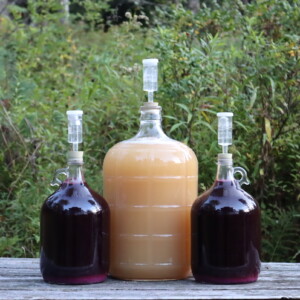
Choose the right vessel for aging. Oak barrels add vanilla and spice notes. Stainless steel tanks keep flavors fresh and fruity. Glass carboys prevent oxidation and preserve aroma. Each vessel type changes the wine differently.
Optimal Aging Period
Concord grape wine usually ages between 6 and 12 months. Shorter aging keeps fruity, bright flavors. Longer aging softens acidity and deepens taste. Watch the wine and taste it often. This helps find the perfect moment to bottle.
Flavor Development Tips
- Store wine in a cool, dark place.
- Keep a steady temperature around 55°F (13°C).
- Avoid exposure to light and air.
- Gently swirl the wine occasionally to mix flavors.
- Use clean vessels to prevent unwanted bacteria.
Bottling Your Wine
Bottling your Concord grape wine marks an important stage in the winemaking journey. This step seals in the flavor and aroma, preserving your hard work. Proper bottling ensures your wine stays fresh and ready to enjoy.
Sanitizing Bottles And Equipment
Cleanliness is key to good wine. Start by washing all bottles with warm water. Use a mild detergent to remove any dirt or residue. Rinse thoroughly to avoid soap traces.
Sanitize bottles using a solution made for winemaking or a mix of water and sulfite. Soak the bottles and equipment like funnels and tubing. Air dry them on a clean surface.
Filling And Sealing
Pour wine slowly into each bottle to prevent splashing. Leave about an inch of space at the top. This space allows the wine to expand without spilling.
Seal bottles with clean corks or screw caps. Use a corker to push corks in gently but firmly. Check each seal to avoid leaks or air entry.
Labeling Ideas
Choose simple labels with clear text. Include the wine name, vintage year, and grape type. Add a small story or tasting notes for a personal touch.
Use waterproof labels or cover them with clear tape. Print labels on quality paper for a neat look. Handwritten labels add charm and uniqueness.
Troubleshooting Common Issues
Making Concord grape wine can be a rewarding experience, but challenges often arise that can affect the final taste and quality. Identifying and fixing these common issues early helps you maintain control over your wine’s flavor profile and ensures a satisfying result. Let’s look at practical ways to troubleshoot problems you might encounter during the winemaking process.
Fixing Off-flavors
Off-flavors can ruin the joy of your homemade wine. They often come from fermentation problems or unwanted bacteria.
- Check fermentation temperature:Too high or too low can produce harsh or sour notes.
- Use clean, healthy yeast:Stressed yeast may create unpleasant tastes.
- Racking your wine:Separating wine from sediment early prevents bitterness.
Have you ever tasted a wine that smelled like nail polish remover? That’s often due to excessive volatile acidity, which you can reduce by controlling oxygen exposure and maintaining proper sanitation.
Preventing Contamination
Contamination is a silent enemy in winemaking. It can cause spoilage and off-aromas that ruin your batch.
- Sanitize every tool:From fermentation vessels to siphons, cleanliness is non-negotiable.
- Control exposure to air:Too much oxygen invites unwanted microbes.
- Keep your workspace clean:Dust, insects, and dirty surfaces introduce contaminants.
Even a small lapse in sanitation can lead to mold or sour smells. Are you confident in your cleaning routine? Improving it might save your next batch.
Adjusting Sweetness And Acidity
Balancing sweetness and acidity is key to a pleasant Concord grape wine. It shapes the wine’s character and drinkability.
- Measure sugar levels:Use a hydrometer to track fermentation progress and decide if you need to add sugar.
- Taste regularly:If your wine tastes too tart, consider adding a bit of sweetener like grape concentrate or sugar after fermentation.
- Manage acidity:Adding calcium carbonate can reduce excessive acidity, but use it sparingly.
Have you ever thought about how a slight tweak in sweetness changes the whole wine experience? Small adjustments can make your wine smoother and more enjoyable.
Tips For Perfect Flavor
Achieving the perfect flavor in Concord grape wine requires attention to detail and smart choices throughout the process. Small changes can affect taste deeply. Focus on blending, additives, and storage to bring out the best in your wine. These tips help create a balanced, rich flavor that pleases the palate.
Blending Techniques
Blending different batches or grape varieties enhances complexity and balance. Use a small test batch to try blends before final mixing.
- Mix sweeter and tart grapes for a rounded taste.
- Combine young and older wines to add depth.
- Adjust blends gradually, tasting after each change.
Blending allows correction of overpowering flavors. It creates a smooth finish and richer aroma.
Using Additives Wisely
Additives improve taste, clarity, and stability but must be used carefully. Overuse can ruin flavor.
- Sulfites prevent spoilage and oxidation. Use the minimum effective dose.
- Acid adjustments help balance sweetness and tartness.
- Yeast nutrients support a healthy fermentation process.
Follow recommended amounts and monitor changes closely. Keep notes for future batches.
Storage Recommendations
Proper storage preserves flavor and prevents spoilage. Store wine in a cool, dark place.
- Maintain a stable temperature between 50-60°F (10-15°C).
- Keep bottles away from direct sunlight and heat sources.
- Store bottles horizontally to keep corks moist.
- Avoid vibrations that disturb sediment and aging.
Good storage extends shelf life and maintains the wine’s fresh taste.
Credit: practicalselfreliance.com
Frequently Asked Questions
What Are The Best Concord Grapes For Wine Making?
The best Concord grapes for wine making are fully ripe, dark purple, and sweet. They should be fresh and free from mold or damage. Using high-quality grapes ensures rich flavor and balanced sweetness in your wine.
How Long Does Concord Grape Wine Fermentation Take?
Concord grape wine fermentation typically takes 7 to 14 days. This period allows yeast to convert sugars into alcohol. Temperature control between 65-75°F speeds up fermentation and preserves flavor quality.
Can Concord Grape Wine Be Made Without Added Sugar?
Yes, Concord grape wine can be made without added sugar if grapes are very ripe. Natural sugars in ripe grapes ferment into alcohol. However, adding sugar can increase alcohol content and sweetness.
What Equipment Is Needed For Concord Grape Wine Making?
Essential equipment includes a fermenting vessel, airlock, hydrometer, siphon, and bottles. Cleanliness is vital to prevent contamination. Proper tools ensure smooth fermentation and better wine quality.
Conclusion
Crafting your own Concord grape wine is a rewarding journey. The process is simple and enjoyable. Each step adds to the wine’s unique flavor. Patience is key, as good things take time. Home winemaking lets you control every detail. Plus, you can share your creation with friends.
A bottle of homemade wine tells a story. Yours. So, gather your grapes and get started. Enjoy the art of winemaking. Your taste buds will thank you. Cheers to your new adventure!
Ethan Cole is a kitchen innovation enthusiast and food technology writer at DiningGadgets.com. With over 8 years of experience reviewing cookware, smart kitchen tools, and design trends, he helps readers discover gadgets that make cooking easier and dining more enjoyable. When he’s not testing the latest kitchen appliances, Ethan enjoys experimenting with recipes and sharing practical tips for modern homes.