

Have you ever wondered if you can wash your lunch boxes safely without ruining them? You use your lunch box every day, and keeping it clean is key to staying healthy.
But how do you clean it properly? Can washing it wrong cause damage or make it less safe? You’ll discover the best ways to wash your lunch boxes, keep them fresh, and make them last longer. By the end, you’ll feel confident about cleaning your lunch box the right way every time.
Let’s dive in and clear up the confusion!
Types Of Lunch Boxes
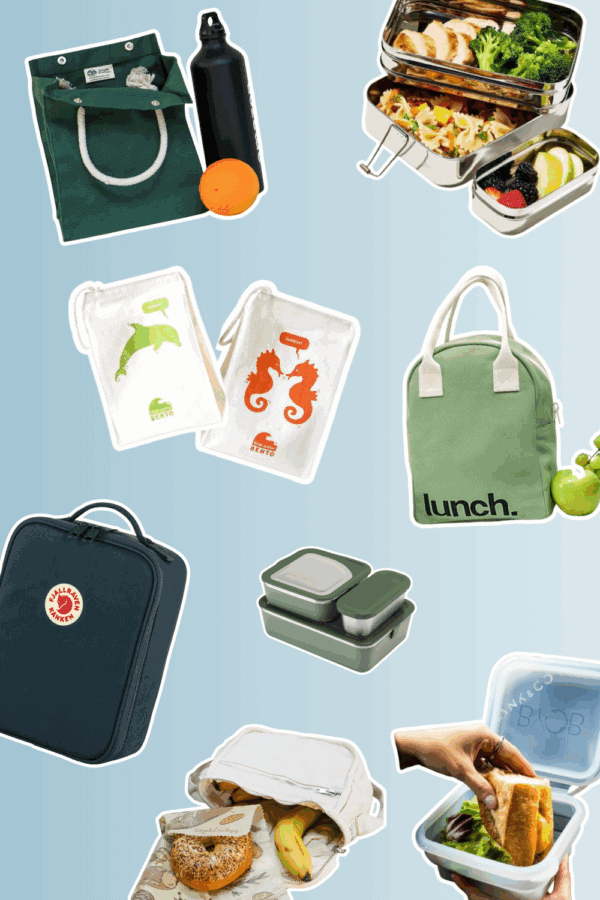
Lunch boxes come in different materials and styles. Each type has unique features. Knowing these types helps in proper cleaning and care. Some materials need gentle washing. Others handle scrubbing well. Understanding the lunch box type ensures longer use and hygiene.
Plastic Lunch Boxes
Plastic lunch boxes are popular and lightweight. They often come in bright colors and fun designs. Most are microwave and dishwasher safe. They can stain if used with strong sauces. Use mild soap and a soft sponge for cleaning. Avoid harsh scrubbing to prevent scratches.
Metal Lunch Boxes
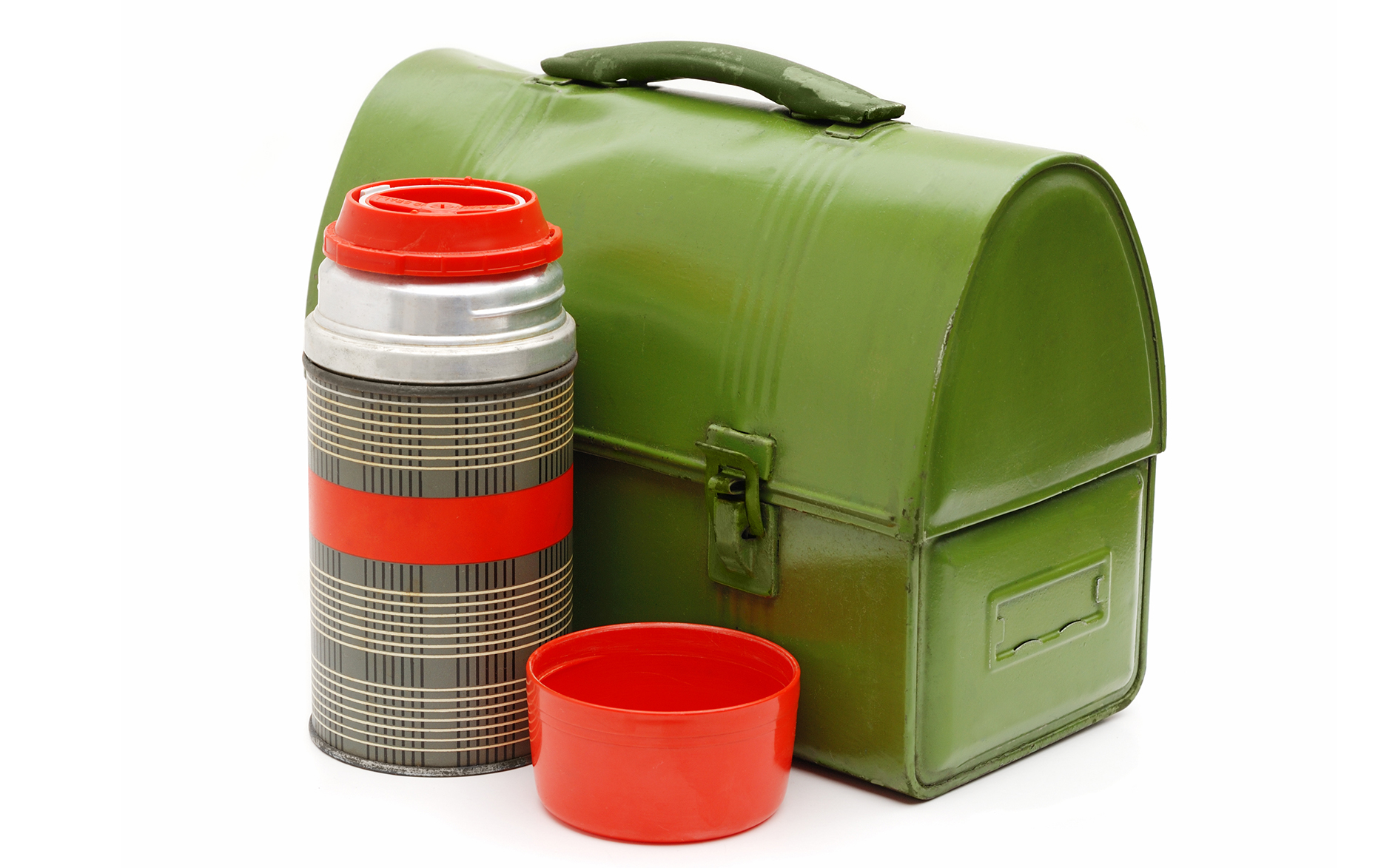
Metal lunch boxes are sturdy and durable. Stainless steel is common and rust-resistant. They keep food fresh for longer times. Avoid soaking metal boxes for too long. Dry them quickly to stop rusting. Use warm water and mild detergent for washing.
Insulated Lunch Boxes
Insulated lunch boxes keep food hot or cold. They have a layer of foam or gel inside. The outer material can be fabric or plastic. Clean the inside with a damp cloth and mild soap. Avoid immersing insulated boxes in water. Dry fully to prevent odors and mold.
Glass Lunch Boxes
Glass lunch boxes are safe and non-toxic. They resist stains and do not absorb smells. These boxes are heavier and breakable. Most are microwave and dishwasher safe. Wash with warm water and dish soap. Handle with care to avoid cracks or chips.
Credit: thefiltery.com
Daily Cleaning Techniques
Keeping your lunch box clean every day is essential for both hygiene and longevity of the container. Simple daily cleaning techniques can prevent stains, odors, and bacteria buildup. Let’s look at easy ways you can maintain your lunch box with minimal effort.
Hand Washing Methods
Hand washing your lunch box is a quick way to keep it fresh. Use warm soapy water and a soft sponge or cloth to gently scrub all surfaces.
Pay extra attention to corners and crevices where food particles often hide. Rinse thoroughly to avoid any soap residue that could affect taste or safety.
Have you noticed how a quick rinse sometimes doesn’t remove sticky food? Taking a minute to soak your lunch box in warm soapy water can make cleaning much easier.
Dishwasher Safety
Many lunch boxes are dishwasher safe, but not all. Check the manufacturer’s label before placing your lunch box in the dishwasher.
Use the top rack to avoid intense heat that could warp plastic containers. Avoid dishwasher detergent with bleach or harsh chemicals, which might damage the lunch box’s surface.
Wondering if your lunch box lid can handle the dishwasher? Sometimes lids with seals or special compartments require hand washing to maintain their integrity.
Cleaning Lunch Box Lids And Seals
Lids and seals can trap food and moisture, leading to odors or mold. Remove any detachable seals or silicone rings to clean them separately.
Use a small brush or toothbrush to reach into grooves and hard-to-clean areas. Dry all parts completely before reassembling to prevent bacteria growth.
Have you ever experienced a lunch box that smells even after washing? Focusing on the lid and seal can often solve this problem quickly.
Deep Cleaning Tips
Keeping your lunch box spotless isn’t just about appearance; it’s about health and enjoyment every time you eat. Deep cleaning helps remove hidden grime, unpleasant smells, and bacteria that regular washing might miss. Let’s dive into some practical tips that make your lunch box fresh and safe to use.
Removing Stubborn Stains
Have you noticed those tough stains from tomato sauce or curry that just won’t come off? Try a paste made from baking soda and water. Apply it directly on the stain, let it sit for 15 minutes, then scrub gently with a soft brush or sponge.
If stains persist, soak your lunch box in warm water mixed with a few drops of dish soap and a splash of white vinegar for 30 minutes. This combination helps break down the residue without damaging the material. Rinse thoroughly and dry completely before the next use.
Eliminating Odors
Lingering smells can make your lunch box less appealing. To freshen it up, place a small bowl of baking soda inside the lunch box and close the lid overnight. Baking soda naturally absorbs odors without leaving a scent behind.
You can also wipe the interior with lemon juice or a diluted vinegar solution. Both act as natural deodorizers and kill odor-causing bacteria. Do you find certain foods leave stronger smells? Consider cleaning your lunch box immediately after use to prevent odors from settling in.
Sanitizing For Food Safety
Sanitizing your lunch box is key to avoiding foodborne illnesses. After cleaning, rinse your lunch box with a solution of one tablespoon of bleach per gallon of water. Let it air dry completely to ensure any harmful germs are eliminated.
For plastic lunch boxes, check if they are dishwasher safe. Running them through a hot dishwasher cycle can kill many bacteria without extra effort. How often do you sanitize your lunch box? Making it a routine can protect you and your family from unwanted health risks.
Credit: simplegreen.com
Common Mistakes To Avoid
Cleaning your lunch box might seem straightforward, but many people make mistakes that can reduce its lifespan or leave it less than spotless. Avoiding these common errors ensures your lunch box stays fresh, safe, and ready to use every day.
Using Harsh Chemicals
Many assume that strong cleaners will do a better job. However, harsh chemicals can damage the material of your lunch box, especially if it’s plastic or silicone. They might also leave harmful residues that affect the taste of your food.
Instead, use mild dish soap and warm water. If you want extra cleaning power, a mixture of baking soda and water works well without the risks.
Ignoring Manufacturer Guidelines
Every lunch box is different. Some are dishwasher safe, while others need hand washing only. Ignoring these instructions can lead to warping, cracking, or loss of seal.
Check the label or packaging for cleaning tips. Have you ever thrown a lunch box in the dishwasher only to find it misshapen afterward? That’s a clear sign to follow the manufacturer’s advice.
Overlooking Drying Procedures
After washing, many people rush to close their lunch boxes immediately. This traps moisture inside, creating a perfect environment for mold and unpleasant odors. Leaving it open to air dry completely is key to preventing these issues.
Use a clean towel to remove excess water and then let it sit open in a well-ventilated area. Do you notice a bad smell in your lunch box after a day or two? Poor drying might be the culprit.
Maintaining Lunch Box Longevity
Maintaining lunch box longevity helps save money and reduce waste. Proper care keeps your lunch box clean and functional for a long time. Small habits make a big difference in durability and hygiene.
Proper Storage
Store lunch boxes in a dry, cool place after cleaning. Avoid leaving them in direct sunlight or damp areas. Use a clean, dry cloth to wipe moisture before storing. Keep lids and containers separate to air out fully.
Regular Inspections
Check your lunch box often for cracks or stains. Look inside corners where food particles hide. Early detection prevents bad smells and mold growth. Inspect seals and hinges for damage or wear.
Replacing Worn Parts
Replace broken lids, seals, or compartments quickly. Use original parts or compatible replacements only. Damaged parts reduce the lunch box’s ability to keep food fresh. Regular updates help maintain hygiene and function.
Credit: happykidskitchen.com
Frequently Asked Questions
Can You Wash All Types Of Lunch Boxes?
Yes, most lunch boxes can be washed. Check the material—plastic, stainless steel, or silicone. Use warm, soapy water or dishwasher if safe.
How Often Should Lunch Boxes Be Washed?
Wash lunch boxes after every use. This prevents bacteria build-up and keeps food fresh. Regular cleaning is essential for hygiene.
Is It Safe To Wash Lunch Boxes In A Dishwasher?
Many lunch boxes are dishwasher safe. Check the manufacturer’s instructions. Use the top rack to avoid heat damage and prolong their life.
What’s The Best Way To Remove Lunch Box Odors?
Use baking soda and warm water to soak the lunch box. Rinse thoroughly. This method neutralizes odors without harsh chemicals.
Conclusion
Washing lunch boxes keeps them clean and safe to use. Regular cleaning stops germs and bad smells. Use warm water and soap for best results. Avoid harsh scrubbing to protect the box’s surface. Let the lunch box dry fully before storing.
Clean lunch boxes help keep your food fresh. A simple wash after each use saves time later. Remember, clean lunch boxes mean healthier meals every day. Easy habits lead to better health. Take care of your lunch box, and it will last longer.
Ethan Cole is a kitchen innovation enthusiast and food technology writer at DiningGadgets.com. With over 8 years of experience reviewing cookware, smart kitchen tools, and design trends, he helps readers discover gadgets that make cooking easier and dining more enjoyable. When he’s not testing the latest kitchen appliances, Ethan enjoys experimenting with recipes and sharing practical tips for modern homes.