

Baking is fun and easy when you have the right tools. Many people use Pyrex glassware for cooking and baking. But can you bake Pyrex glassware safely? This article will help you understand how to use Pyrex in the oven. We will also share tips to keep your glassware safe.
What Is Pyrex Glassware?
Pyrex is a brand of glass containers. They are made to hold food. Pyrex glassware is popular because it can handle heat well. Many people use it for baking, storing food, and serving meals.
Pyrex glassware comes in many shapes and sizes. You can find bowls, baking dishes, and measuring cups. The glass is strong and clear. This makes it easy to see your food while baking.
Can You Put Pyrex in the Oven?
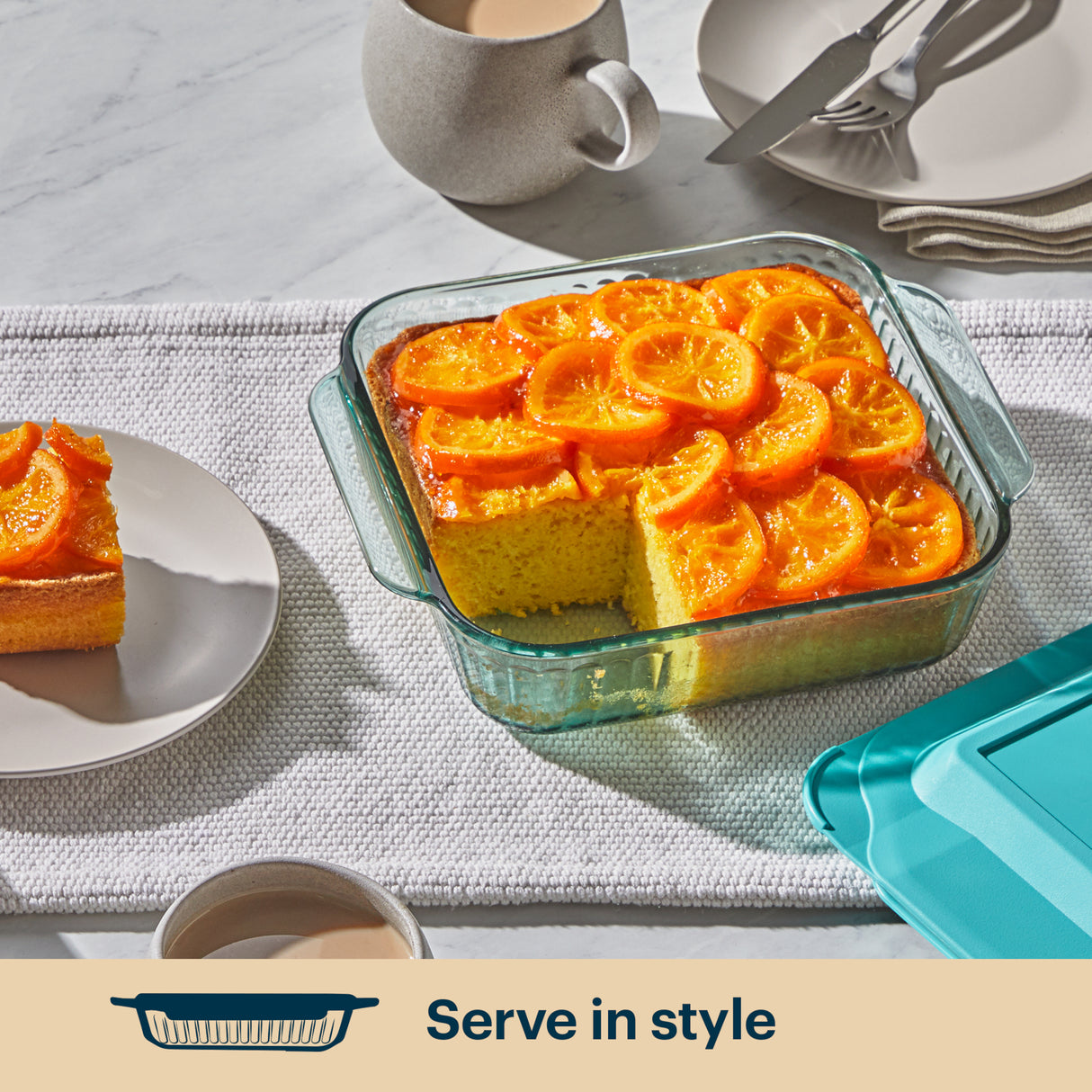
Yes, you can put Pyrex glassware in the oven. Pyrex glass is made to handle oven heat. It can take temperatures up to 425 degrees Fahrenheit (about 220 degrees Celsius). This means you can bake cakes, casseroles, and other dishes in Pyrex safely.
But be careful. Pyrex glass can break if it changes temperature very fast. For example, do not take the glass from the freezer and put it directly into a hot oven. The glass might crack or shatter.
Safe Oven Use Tips For Pyrex
- Always preheat the oven before placing Pyrex inside.
- Do not put cold Pyrex directly into a hot oven.
- Let Pyrex warm to room temperature first if it is cold.
- Use oven mitts when handling hot Pyrex.
- Place Pyrex on a baking sheet for easy handling.
Can You Use Pyrex on the Stove or Under the Broiler?
Pyrex glassware is not made for use on a stove or under the broiler. The direct heat can cause the glass to break. Always avoid putting Pyrex on a hot stove burner.
Also, do not use Pyrex under the broiler. The intense, direct heat from the broiler can damage the glass. If you want to brown the top of your food, use other safe cookware designed for broiling.
Can Pyrex Go in the Microwave?
Yes, Pyrex is safe to use in the microwave. The glass does not absorb microwave energy. This means it will not get hot from microwaving alone. But the food inside will get hot.
Make sure your Pyrex container does not have any metal parts. Metal can cause sparks in the microwave. Also, avoid sudden temperature changes when microwaving.
What Temperatures Are Safe for Pyrex?
Pyrex glassware can handle temperatures up to 425°F (220°C). Some newer Pyrex products can take up to 450°F (232°C). Always check the label on your Pyrex to know the safe temperature.
If you heat Pyrex above the safe temperature, it may break. Pyrex glass can also break if the temperature changes too quickly. For example, do not take Pyrex from the oven and put it on a cold surface.
Temperature Safety Table For Pyrex
| Use | Safe Temperature | Notes |
|---|---|---|
| Baking in Oven | Up to 425°F (220°C) | Preheat oven, avoid sudden temperature changes |
| Microwave | Any temperature | No metal parts, avoid sudden temperature changes |
| Stovetop | Not safe | Glass may crack or shatter |
| Broiler | Not safe | Direct heat can damage glass |
Credit: pyrexhome.com
How to Avoid Breaking Your Pyrex Glassware
Pyrex is strong but can break if not used well. Here are ways to keep your Pyrex safe:
- Do not put hot Pyrex on cold or wet surfaces.
- Use wooden or cloth pads under hot Pyrex.
- Avoid sudden temperature changes, like from freezer to oven.
- Do not use metal utensils that can scratch the glass.
- Check your Pyrex for cracks before use.
Common Mistakes to Avoid When Baking with Pyrex
Many people make simple mistakes with Pyrex. These can cause the glass to break or get damaged. Avoid these common errors:
- Placing cold Pyrex directly into a hot oven.
- Using Pyrex on the stovetop.
- Putting Pyrex under the broiler.
- Using Pyrex with metal lids in the microwave.
- Not checking for chips or cracks before baking.

Credit: www.costco.ca
What to Do If Your Pyrex Breaks in the Oven
If your Pyrex breaks in the oven, stay calm. Turn off the oven and let it cool. Do not touch the broken glass with bare hands. Use gloves or a thick cloth to clean up.
Throw away the broken glass carefully. Do not use broken Pyrex. It can be dangerous. Always check your glassware before use to avoid accidents.
Can You Bake with Pyrex Lids?
Most Pyrex lids are made from plastic or glass. Plastic lids are not safe for the oven. They can melt or release harmful chemicals. Only use Pyrex lids in the refrigerator or microwave if the label says so.
Some Pyrex glass lids are oven safe. But check the product label first. If the lid is not oven safe, remove it before baking.
Pyrex vs. Other Glassware for Baking
Pyrex is made from borosilicate or tempered soda-lime glass. Older Pyrex used borosilicate glass, which handles temperature changes better. Newer Pyrex in the US uses tempered soda-lime glass. It is strong but less tolerant of quick temperature changes.
Other glassware brands may not be as safe in the oven. Always check the label before baking. Pyrex is one of the safest glassware brands for baking when used right.
Summary
You can bake with Pyrex glassware safely. Pyrex is designed to handle oven heat up to 425°F (220°C). Avoid sudden temperature changes to prevent breakage. Do not use Pyrex on the stovetop or under the broiler.
Microwaving Pyrex is safe if it has no metal parts. Always check your Pyrex for cracks before use. Use oven mitts to handle hot glassware. Remove plastic lids before baking.
With simple care, your Pyrex will last for many baking sessions. Enjoy baking with your Pyrex glassware!
Frequently Asked Questions
Can Pyrex Glassware Safely Go In The Oven?
Pyrex glassware is designed to withstand oven heat safely up to certain temperatures.
What Temperature Is Safe For Baking Pyrex?
Most Pyrex glassware can handle oven temperatures up to 450°F (232°C).
Can Pyrex Glassware Crack In The Oven?
Sudden temperature changes can cause Pyrex to crack or shatter.
Is Pyrex Glassware Microwave Safe For Baking?
Pyrex glassware is microwave safe but not meant for baking in a microwave.

Sophia Martinez is a culinary lifestyle writer and product reviewer for DiningGadgets.com. Passionate about blending style with functionality, she explores the latest dining essentials, kitchen décor, and cleaning hacks that transform everyday cooking spaces. With a background in home organization and design, Sophia brings readers expert advice on creating beautiful, practical kitchens that truly feel like the heart of the home.