

Are you wondering if you can fry vegetarian sausages for your lunch box? You’re not alone.
Many people want a tasty, quick, and healthy option to pack for lunch. Frying vegetarian sausages can give you that crispy, flavorful bite that makes your meal more enjoyable. But is it the best way to prepare them? You’ll discover everything you need to know about frying vegetarian sausages for your lunch box, so you can make a delicious and satisfying meal every time.
Keep reading—you’ll never look at lunch the same way again!
Choosing Vegetarian Sausages
Choosing the right vegetarian sausages makes your lunch box tasty and healthy. Not all vegetarian sausages are the same. Some are soft, others have a firm texture. Some are spicy, while others taste mild. Picking the right type helps you enjoy your meal and stay full for longer.
Types Of Vegetarian Sausages
- Tofu-based sausages: Soft texture, mild flavor, high in protein.
- Seitan sausages: Chewy, meat-like texture, made from wheat gluten.
- Vegetable and grain sausages: Made from beans, lentils, or grains, often gluten-free.
- Soy protein sausages: Common and affordable, with a firm texture.
- Nut-based sausages: Rich in healthy fats, unique taste.
Ingredients To Look For
- Whole food ingredients like vegetables and grains.
- Minimal preservatives and artificial additives.
- High protein content for energy.
- Natural flavorings instead of chemical enhancers.
- Good fiber content for digestion.
Allergy Considerations
- Check for soy if allergic or sensitive.
- Watch out for gluten in seitan-based sausages.
- Nut allergies require avoiding nut-based options.
- Read labels carefully for hidden allergens.
- Choose hypoallergenic options when needed.

Credit: tiffycooks.com
Preparing Sausages For Frying
Preparing vegetarian sausages for frying ensures a tasty and satisfying lunch box meal. Proper preparation helps the sausages cook evenly and enhances their flavor. Simple steps before frying can make a big difference in texture and taste.
Thawing Frozen Sausages
Frozen vegetarian sausages must thaw before frying. Thaw sausages in the refrigerator overnight. This keeps them safe and prevents sogginess. For faster thawing, place sausages in a sealed bag and soak in cold water for 30 minutes. Avoid microwaving as it can cook unevenly.
Prepping With Marinades And Spices
Marinating sausages adds flavor and moisture. Use simple ingredients like soy sauce, garlic, or paprika. Let sausages soak in marinade for 15 to 30 minutes. Spices like black pepper, chili flakes, or dried herbs also work well. Keep flavors mild for lunch boxes to suit all tastes.
Cutting And Portioning Tips
Cut sausages to fit your lunch box size. Slice into bite-sized pieces or small rounds. This helps sausages cook faster and stay juicy. Use a sharp knife for clean cuts. Avoid squashing sausages to keep their shape intact during frying.
Frying Techniques
Frying vegetarian sausages for a lunch box is a quick and tasty option. Proper frying techniques ensure the sausages cook evenly and stay juicy. Pay attention to oil choice, pan temperature, and cooking time. These factors affect texture and flavor.
Best Oils For Frying
Choose oils with a high smoke point to avoid burning. Good options include:
- Canola oil
- Sunflower oil
- Vegetable oil
- Light olive oil
These oils help cook sausages evenly without changing their taste.
Ideal Pan Temperature
Heat the pan to medium or medium-high heat. Too hot, and sausages burn outside but stay raw inside. Too low, and they become greasy. The right temperature crisps the outside while cooking the inside well.
Cooking Time And Turning Tips
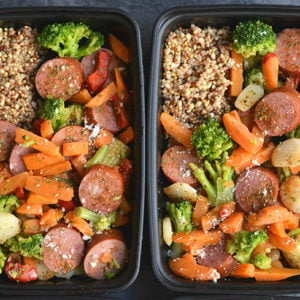
Cook vegetarian sausages for about 8 to 10 minutes. Turn them every 2 to 3 minutes to brown all sides evenly. Use tongs to avoid piercing and losing juices. Keep an eye on color and texture for best results.
Credit: skinnyfitalicious.com
Packing Sausages For Lunch Boxes
Packing vegetarian sausages for lunch boxes needs care. They must stay fresh and tasty. Proper packing also keeps the lunch appealing and easy to eat. Use smart methods to keep the sausages enjoyable throughout the day.
Keeping Sausages Fresh
Cook the sausages just before packing. Let them cool to room temperature. Wrap each sausage in parchment paper to avoid moisture. Use an ice pack in the lunch box to keep it cool. This stops bacteria growth and keeps flavors intact.
Combining With Other Lunch Items
Pair sausages with colorful veggies like carrot sticks or cherry tomatoes. Add a small portion of dip or sauce for extra taste. Include whole grain bread or crackers for a balanced meal. Avoid mixing wet and dry foods directly to prevent sogginess.
Using Containers And Wrappers
Choose airtight containers to hold the sausages firmly. Silicone lunch boxes work well for flexibility and sealing. Use beeswax wraps or reusable sandwich bags for eco-friendly packing. Label containers if packing multiple types of food for easy identification.
Healthy Frying Alternatives
Frying vegetarian sausages can sometimes mean added oils and fats that may not align with your health goals. Luckily, there are healthier alternatives that let you enjoy your lunch box without sacrificing taste or texture. These options reduce the need for excess oil while still delivering that satisfying bite you crave.
Baking Instead Of Frying
Baking vegetarian sausages is a great way to cut down on oil use. Simply preheat your oven to around 375°F (190°C) and place the sausages on a baking sheet lined with parchment paper. Baking allows the sausages to cook evenly and retain moisture without becoming greasy.
Have you tried baking your sausages with a light spray of olive oil? It adds a subtle crispness without overdoing the fat. Plus, baking frees up your stovetop, giving you more space to prepare other lunch box items simultaneously.
Air Frying Tips
Air fryers have become a popular kitchen tool for healthy cooking. They use hot air circulation to mimic the crispiness of frying but with little to no oil. This technique works wonderfully for vegetarian sausages, making them golden and crispy on the outside while keeping them tender inside.
To get the best results, preheat your air fryer and cook the sausages at 360°F (182°C) for about 10-12 minutes. Shake the basket halfway through to ensure even cooking. You’ll notice a delicious texture that rivals traditional frying but with fewer calories.
Grilling Options
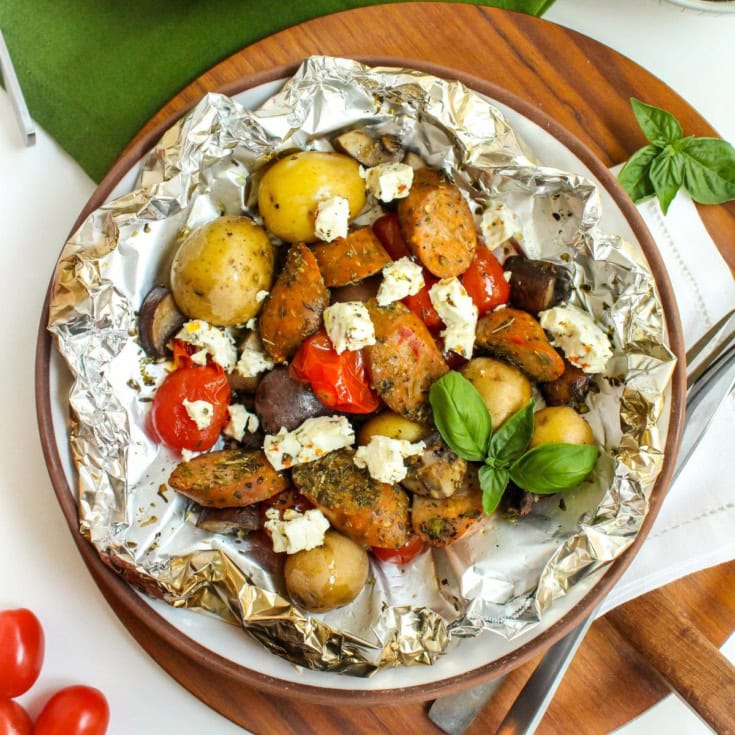
Grilling vegetarian sausages adds a smoky flavor that you can’t get from frying. Whether you use an outdoor grill or an indoor grill pan, this method allows excess fat to drip away, making your meal lighter. Grilling also creates appealing grill marks that make your lunch box visually inviting.
Try brushing your sausages lightly with a marinade or your favorite sauce before grilling to boost flavor without extra fat. Do you feel the difference when you eat something grilled versus fried? It’s a small change that can make your lunch feel fresher and more satisfying.
Credit: www.fannetasticfood.com
Troubleshooting Common Issues
Frying vegetarian sausages for a lunch box can sometimes bring challenges. Common issues include soggy textures, overcooking, and loss of flavor. Knowing how to tackle these problems helps create a perfect meal. Below are simple tips to improve your cooking process and enjoy tasty vegetarian sausages every time.
Avoiding Soggy Sausages
Use a hot pan to fry sausages. A hot surface seals the outside quickly. This stops juices from leaking out and keeps sausages firm. Avoid covering the pan while frying. Steam makes sausages soft and soggy. Drain sausages on paper towels after cooking. This removes extra oil and moisture.
Preventing Overcooking
Cook sausages on medium heat. High heat burns the outside while leaving the inside raw. Turn sausages often for even cooking. Check for a golden brown color, not black. Remove sausages from heat as soon as they are cooked through. Overcooking makes them dry and tough.
Maintaining Flavor And Texture
Use a little oil or butter to enhance flavor. Avoid too much oil which makes sausages greasy. Add herbs or spices while frying for extra taste. Let sausages rest for a few minutes before packing. This helps juices spread evenly inside. Store cooked sausages properly to keep their texture fresh.
Frequently Asked Questions
Can I Fry Vegetarian Sausages For A Lunch Box?
Yes, you can fry vegetarian sausages for a lunch box. Frying adds a crispy texture and enhances flavor. Use medium heat to cook evenly without burning. Let them cool before packing to avoid sogginess and maintain taste.
Are Fried Vegetarian Sausages Healthy For Lunch Boxes?
Fried vegetarian sausages can be healthy if cooked with minimal oil. Choose sausages made from natural ingredients. Balance your lunch box with vegetables and whole grains for a nutritious meal. Moderation is key to maintaining a healthy diet.
How Long Should I Fry Vegetarian Sausages?
Fry vegetarian sausages for 8-10 minutes on medium heat. Turn them frequently for even cooking and browning. Ensure they are heated through but not burnt. Cooking time may vary depending on sausage thickness and brand.
Can Fried Vegetarian Sausages Be Reheated In A Lunch Box?
Yes, fried vegetarian sausages can be reheated in a lunch box. Use a microwave or toaster oven for best results. Reheat until warm, avoiding overheating to keep texture intact. Store sausages properly to maintain freshness before reheating.
Conclusion
Frying vegetarian sausages makes a tasty lunch box option. They cook quickly and stay juicy inside. You can add vegetables or bread for a full meal. This method keeps flavors fresh and textures nice. It’s simple, fast, and suits many diets.
Try it for a warm, satisfying lunch anytime. Enjoying vegetarian sausages fried helps keep lunch exciting and healthy. Give it a go and see how easy it is!

Ethan Cole is a kitchen innovation enthusiast and food technology writer at DiningGadgets.com. With over 8 years of experience reviewing cookware, smart kitchen tools, and design trends, he helps readers discover gadgets that make cooking easier and dining more enjoyable. When he’s not testing the latest kitchen appliances, Ethan enjoys experimenting with recipes and sharing practical tips for modern homes.