

Imagine setting your table with dinnerware that instantly adds a touch of timeless beauty and elegance. Blue and white porcelain dinnerware isn’t just about looks—it brings a sense of calm, tradition, and sophistication to every meal you serve.
Whether you’re hosting a casual dinner or a special celebration, this classic style can make your dining experience feel more meaningful. If you want your table to stand out and create lasting impressions, keep reading to discover how blue and white porcelain dinnerware can transform your everyday meals into something truly special.
History Of Blue And White Porcelain
Blue and white porcelain dinnerware holds a special place in art and culture. Its history spans centuries and continents. This style blends beauty, craftsmanship, and tradition. Understanding its past reveals why it remains popular today.
Origins In Ancient China
Blue and white porcelain first appeared in China during the Tang Dynasty. Early pieces used cobalt blue pigment imported from Persia. Artisans painted delicate designs on white clay before firing. This technique created a striking contrast that caught attention. The style grew more refined during the Yuan Dynasty, setting the stage for future masterpieces.
Evolution Through Dynasties
The Ming Dynasty marked the peak of blue and white porcelain production. Craftsmen perfected the painting process and introduced new patterns. Dragons, flowers, and landscapes became common motifs. The Qing Dynasty continued this tradition but added more intricate details and brighter blues. Each dynasty brought new innovations while respecting old methods.
Global Influence And Trade
By the 16th century, blue and white porcelain reached Europe through trade. It fascinated collectors and inspired local potters. Dutch, English, and other European factories began creating their versions. The designs adapted to suit Western tastes but kept the signature blue and white look. This exchange helped spread the style worldwide and shaped decorative arts across cultures.

Credit: www.amazon.ca
Design Elements And Patterns
Blue and white porcelain dinnerware captivates with its timeless design. The artistry focuses on detailed patterns and elegant motifs. These elements create a striking contrast between deep blue and crisp white. Each piece tells a story through its shapes and colors.
Classic Motifs And Symbols
Traditional blue and white porcelain features iconic symbols. Common motifs include floral patterns, dragons, and phoenixes. These designs represent luck, strength, and beauty. Repeated geometric shapes add balance and harmony. Each symbol holds cultural meaning and history.
Color Techniques And Glazes
The blue pigment comes from cobalt oxide, known for its vibrant hue. Artisans paint the designs by hand before glazing. The glaze seals the colors and adds a glossy finish. This process enhances durability and richness of the blue tones. Each piece shines with a smooth, glass-like surface.
Modern Interpretations
Contemporary artists blend traditional patterns with new styles. Minimalist designs use blue accents on simple white backgrounds. Abstract shapes and asymmetrical layouts add freshness. Some pieces combine other colors, keeping blue as the highlight. These modern takes keep the tradition alive and relevant.
Craftsmanship And Production
The beauty of blue and white porcelain dinnerware lies in its detailed craftsmanship and careful production. Each piece showcases a blend of art and skill, passed down through generations. The process involves traditional techniques and modern methods to maintain quality and design precision.
Traditional Hand-painting Methods
Blue and white porcelain is famous for its hand-painted designs. Skilled artists use fine brushes to apply cobalt blue pigment. They carefully paint intricate patterns, often inspired by nature and history. Each stroke requires steady hands and deep focus. This method gives each piece a unique character and charm.
Materials And Quality
The porcelain starts with high-quality clay. This clay is pure and finely ground to ensure smooth texture. It is shaped and fired at very high temperatures for strength. The cobalt blue pigment is natural and safe for use. This combination creates durable and beautiful dinnerware that lasts for years.
Contemporary Manufacturing
Modern factories use advanced tools to speed up production. Machines help shape and fire porcelain with high precision. Some designs are still hand-painted, but others use printing techniques for detail. This mix of old and new methods keeps the tradition alive while meeting today’s demand.
Styling With Blue And White Dinnerware
Blue and white porcelain dinnerware brings timeless charm to any table. Styling these pieces creates a beautiful and inviting setting. Their classic colors work well with many styles and themes. Use them to enhance your dining experience and impress your guests.
Pairing With Table Settings
Blue and white dinnerware pairs beautifully with natural materials. Linen or cotton napkins in white or soft beige add warmth. Simple glassware keeps the focus on the porcelain’s design. Use silver or gold cutlery to add subtle elegance. Wooden chargers or placemats create a cozy, rustic feel.
Mixing With Other Dinnerware
Combine blue and white porcelain with solid-colored plates for contrast. Soft pastel plates highlight the blue patterns well. Avoid overly busy patterns to keep balance. Mixing textures adds interest, such as ceramic with smooth porcelain. Keep the color palette simple to maintain harmony.
Seasonal And Occasion Ideas
Blue and white dinnerware works for all seasons and events. In spring, add fresh flowers and light tablecloths. Summer calls for outdoor meals with simple, bright accessories. During fall, use warm-toned napkins and candles to complement the set. For winter holidays, add silver or deep blue accents for a festive look.
Caring For Porcelain Pieces
Blue and white porcelain dinnerware is both beautiful and delicate. Caring for these pieces helps keep their charm for years. Proper care prevents damage and preserves their unique patterns. Handle each item with care to avoid chips or cracks. Follow simple cleaning and storage tips to maintain their shine. Repair and restoration can bring life back to worn pieces. This guide offers easy steps for caring for your porcelain collection.
Cleaning Tips
- Use warm water and mild dish soap for washing.
- Avoid harsh chemicals or abrasive scrubbers that can scratch.
- Clean gently with a soft sponge or cloth.
- Rinse thoroughly to remove soap residue.
- Dry with a soft towel immediately to prevent water spots.
- Do not soak porcelain for long periods.
- Hand wash only; avoid dishwashers that can cause damage.
Handling And Storage
- Hold pieces firmly with both hands to avoid drops.
- Keep porcelain away from edges of tables or counters.
- Store plates and bowls with soft padding between them.
- Use felt or cloth liners in storage stacks.
- Place delicate items in secure cabinets with limited access.
- Avoid stacking heavy objects on top of porcelain.
- Keep away from extreme temperature changes that cause cracks.
Repair And Restoration
Minor chips and cracks can be repaired by professionals. Use porcelain repair kits for small fixes at home. Avoid glue that is not designed for ceramics. Restoration experts can match colors and patterns for seamless results. Do not attempt to repair valuable antiques without expert advice. Proper restoration increases the lifespan and value of pieces. Regular inspections help catch damage early and prevent further problems.

Credit: www.amazon.ca
Collecting And Investing
Collecting blue and white porcelain dinnerware offers both joy and potential financial gain. These pieces carry rich history and timeless beauty. Many collectors seek authentic items that hold or increase their value over time. Understanding the market and key details helps build a valuable collection. This guide covers how to identify genuine pieces, important brands, and current market trends.
Identifying Authentic Pieces
Authentic blue and white porcelain often shows fine craftsmanship and detailed designs. Look for these signs:
- Clear, crisp patterns with no blurring
- Consistent color tones, usually cobalt blue
- Smooth, glazed surface without bubbles or cracks
- Marks or stamps from well-known makers or dynasties
- Signs of age, such as slight wear or patina
Be cautious of reproductions. They may look similar but lack the quality and history.
Valuable Brands And Makers
Some brands and makers are highly prized by collectors. They include:
- Ming Dynasty porcelain – Known for classic designs and rarity
- Qing Dynasty pieces – Valued for intricate artwork and age
- Royal Copenhagen – Famous Danish brand with distinctive patterns
- Herend Porcelain – Hungarian maker known for hand-painted details
- Wedgwood – British brand with elegant blue and white sets
Pieces from these makers often fetch higher prices and attract serious collectors.
Market Trends And Pricing
The market for blue and white porcelain remains steady with occasional spikes. Key points to note:
- Antique pieces tend to appreciate over time
- Condition greatly affects value – flawless items command top prices
- Provenance or history can increase interest and price
- Limited edition or artist-signed sets are more valuable
- Online auctions and antique fairs provide pricing insights
Research current sales to understand fair market prices and demand.
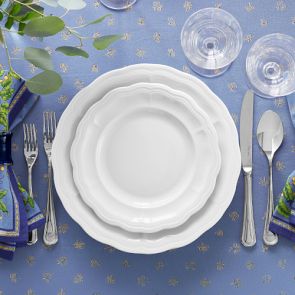
Credit: www.williams-sonoma.ca
Frequently Asked Questions
What Is Blue And White Porcelain Dinnerware?
Blue and white porcelain dinnerware features intricate blue designs on a white ceramic base. Originating in China, it combines elegance with durability. This style suits both casual and formal dining settings, adding a timeless charm to any table.
How To Care For Blue And White Porcelain Dinnerware?
Hand wash with mild detergent to preserve designs. Avoid abrasive scrubbers and sudden temperature changes. Some pieces are dishwasher safe, but check manufacturer guidelines. Proper care ensures longevity and maintains the vibrant blue and white patterns.
Is Blue And White Porcelain Dishwasher Safe?
Many modern blue and white porcelain pieces are dishwasher safe. However, delicate or antique items should be hand washed to prevent damage. Always verify the care instructions provided by the manufacturer to protect your dinnerware’s quality.
What Occasions Suit Blue And White Porcelain Dinnerware?
Blue and white porcelain dinnerware fits casual meals, formal dinners, and festive occasions. Its classic look complements various table settings. Use it to impress guests or enjoy everyday elegance with family.
Conclusion
Blue and white porcelain dinnerware adds charm to any table. Its timeless design suits both casual and formal meals. These pieces blend beauty with everyday use. They bring a classic feel without being outdated. Choosing this dinnerware means choosing style and function.
Perfect for families and special guests alike. A simple way to brighten your dining experience. Classic, elegant, and easy to care for. Blue and white porcelain never goes out of style.

Ethan Cole is a kitchen innovation enthusiast and food technology writer at DiningGadgets.com. With over 8 years of experience reviewing cookware, smart kitchen tools, and design trends, he helps readers discover gadgets that make cooking easier and dining more enjoyable. When he’s not testing the latest kitchen appliances, Ethan enjoys experimenting with recipes and sharing practical tips for modern homes.