

Are you ready to elevate your sangria game to new heights? Imagine hosting a gathering where every guest savors a perfect sip, and you bask in the glory of being the ultimate party maestro.
The secret lies in choosing the best wine for making sangria. Picking the right bottle can transform this fruity punch from ordinary to extraordinary, and we’re here to guide you every step of the way. Get ready to unlock the secrets of crafting a sangria that’s bursting with flavor, color, and zest.
Ready to impress your taste buds and your friends? Dive into the full article to discover your new go-to wine for unforgettable sangria.
Choosing The Right Wine
Choosing the right wine is key to making sangria that delights your taste buds and impresses your guests. The wine sets the foundation for the flavors that follow, so understanding what works best can elevate your sangria from ordinary to memorable. Let’s break down how to pick the perfect wine for your next batch.
Red Vs White Sangria
Are you leaning towards a classic red sangria or a lighter white version? Red wine offers bold, fruity flavors that blend beautifully with citrus and berries, making it a popular choice. On the other hand, white wine creates a fresher, crisper sangria with floral and tropical notes.
Think about your occasion and the season. Red sangria feels cozy for cooler evenings, while white sangria is refreshing on hot summer days. You don’t have to stick strictly to one color—rosé wines also make excellent sangria bases, offering a balance between fruity and crisp.
Dry Or Sweet Wines
Choosing between dry and sweet wine depends on your taste preference and the additional ingredients you plan to add. Dry wines give your sangria a clean, balanced base, allowing the fruits and any added sweeteners to shine. Sweet wines, however, can make the sangria taste richer and more dessert-like.
If you prefer to control the sweetness yourself, start with a dry wine and add sugar, honey, or fruit juices as you go. If you want a quicker prep, a naturally sweet wine can save time and add depth. Have you tried mixing both dry and sweet wines for a unique twist?
Affordable Options
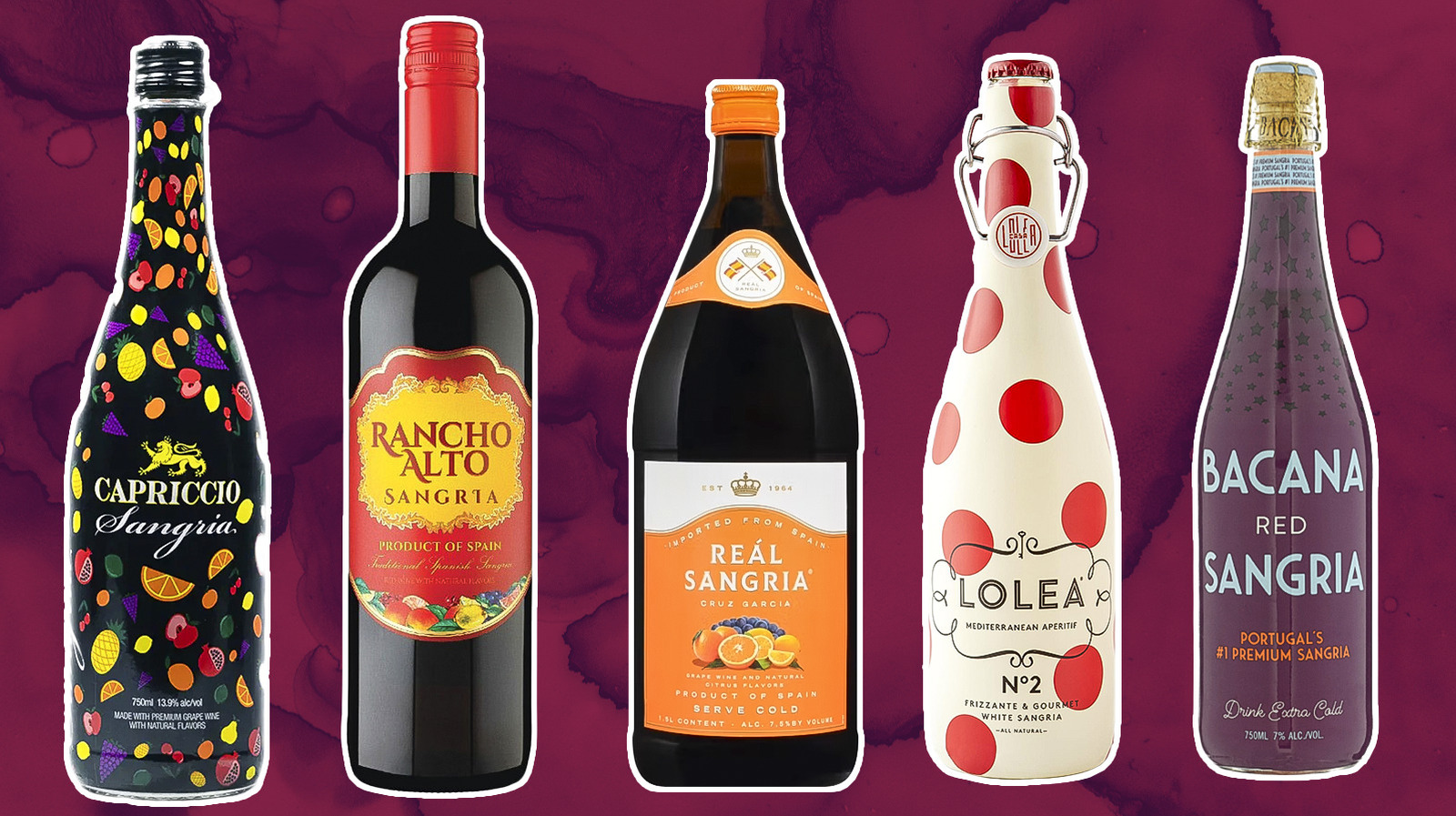
Good sangria doesn’t require expensive wine. In fact, budget-friendly wines often work better because they have straightforward flavors that mix well with fruit and other ingredients. Look for wines priced under $15 with vibrant fruit notes.
- For red sangria, try a young Tempranillo or Garnacha from Spain.
- For white sangria, Sauvignon Blanc or Verdejo offer crisp, lively flavors.
- Don’t overlook rosé options like a dry Provence rosé.
Next time you shop, don’t hesitate to ask for recommendations at your local wine store. You might discover a hidden gem that fits perfectly into your sangria recipe without breaking the bank.
Credit: www.chowhound.com
Top Red Wines For Sangria
Choosing the right red wine can transform your sangria from ordinary to unforgettable. The wine sets the foundation, influencing the drink’s depth, sweetness, and overall balance. Here are some top red wines that consistently bring out the best in sangria.
Tempranillo
Tempranillo is a classic choice for sangria lovers. Its medium body and balanced acidity make it a versatile base. You’ll notice flavors of cherry, plum, and subtle earthy notes that blend beautifully with fresh fruit.
If you’ve ever tasted sangria with Tempranillo, you know it holds up well against citrus and berries without overpowering them. It’s also budget-friendly, so you don’t need to splurge to get a great result.
Garnacha
Garnacha, also known as Grenache, offers a fruit-forward profile with hints of strawberry and raspberry. This wine adds a natural sweetness and a touch of spice that livens up your sangria.
Its lighter tannins make it a smooth choice, especially if you prefer your sangria less dry. Garnacha’s bright character pairs perfectly with orange slices and a splash of brandy or triple sec.
Merlot
Merlot brings a soft, velvety texture to sangria. Its flavors of blackberry, plum, and chocolate create a rich and comforting base. This wine is ideal if you want a deeper, more robust sangria experience.
Because Merlot is less acidic than Tempranillo or Garnacha, it balances well with sweeter fruits like peaches or mangoes. Have you tried adding a cinnamon stick to Merlot sangria? It’s an easy way to add warmth and complexity.
Best White Wines For Sangria
White wines bring a fresh, crisp flavor to sangria. They balance fruit sweetness with light acidity. Choosing the right white wine enhances your sangria’s taste and aroma. Here are some top white wine picks for sangria.
Sauvignon Blanc
Sauvignon Blanc offers bright citrus and green apple notes. Its high acidity keeps sangria refreshing. This wine pairs well with tropical fruits like pineapple and kiwi. It adds a zesty touch without overpowering other flavors.
Pinot Grigio
Pinot Grigio is light and crisp with subtle fruit flavors. It blends smoothly with berries and melon in sangria. This wine’s clean finish makes the drink easy to sip. It works well for those who prefer milder wine profiles.
Albariño
Albariño is a vibrant white wine from Spain. It brings peach and citrus hints with a touch of minerality. This wine complements sangria with stone fruits and herbs. Albariño adds depth while keeping the drink lively and bright.
Credit: abcfws.com
Fruity And Floral Wine Choices
Choosing the right wine can transform your sangria from ordinary to unforgettable. Fruity and floral wines bring a bright, aromatic quality that complements fresh fruit and spices perfectly. These wines often have natural sweetness and vibrant flavors that blend seamlessly with sangria ingredients, making every sip refreshing and lively.
Rosé Wines
Rosé wines offer a lovely balance between red and white wines. Their light berry flavors and floral notes add a subtle sweetness without overpowering the sangria. I once tried a sangria with a crisp rosé, and the result was a perfect mix of fruitiness and freshness that kept guests coming back for more.
Look for rosés with hints of strawberry, raspberry, or watermelon to enhance your sangria’s fruit profile. They also tend to be quite versatile, pairing well with citrus, peaches, and berries.
Moscato
Moscato is naturally sweet and aromatic, making it a top choice for fruity sangrias. Its floral bouquet, featuring notes of orange blossom and peach, adds a fragrant touch that lifts the entire drink. If you prefer a sweeter sangria, Moscato gives you that without needing extra sugar.
Try combining Moscato with tropical fruits like pineapple or mango. The wine’s light fizz can also add a fun, sparkling element to your sangria experience.
Gewürztraminer
Gewürztraminer is known for its intense floral aromas and spicy undertones. It brings a unique flavor profile that can make your sangria stand out from the usual blends. This wine pairs wonderfully with fruits like lychee, pear, and apple, creating a complex and layered drink.
Have you ever tasted sangria with a hint of ginger or cinnamon? Gewürztraminer’s natural spice notes can enhance those additions perfectly, giving your sangria a warm, inviting character.
Tips For Enhancing Sangria Flavor
Enhancing sangria flavor transforms a simple drink into a delicious treat. Small touches make a big difference. Focus on fresh ingredients and balanced tastes. Experiment with different additions to find your perfect mix.
Adding Fresh Fruits
Fresh fruits bring natural sweetness and vibrant colors. Choose citrus like oranges, lemons, and limes for brightness. Berries add a juicy, tart flavor. Apples and peaches offer mild sweetness and texture.
- Slice fruits thin for easy soaking.
- Use seasonal fruits for best taste.
- Let fruits sit in wine to blend flavors.
Using Spirits And Liqueurs
Spirits deepen sangria’s flavor and add complexity. Brandy is a classic choice for warmth. Triple sec or orange liqueur boosts citrus notes. Experiment with rum or flavored vodkas for variety.
- Add small amounts to avoid overpowering the wine.
- Mix spirits before combining with wine.
- Chill sangria to balance strong alcohol taste.
Sweeteners And Spices
Sweeteners balance acidity and bitterness. Use sugar, honey, or agave syrup sparingly. Spices add warmth and aroma. Cinnamon sticks and star anise are popular choices.
- Dissolve sweeteners in wine or juice first.
- Infuse spices gently to avoid bitterness.
- Adjust sweetness and spice to personal taste.
Credit: www.joshcellars.com
Popular Sangria Recipes
Sangria offers a world of flavor possibilities, and the type of wine you choose shapes the entire experience. Whether you prefer something fruity, crisp, or bubbly, popular sangria recipes highlight how versatile this drink can be. Let’s look at some favorites that bring out the best in your wine and fruit combinations.
Classic Red Sangria
This recipe uses a dry red wine like Tempranillo or Garnacha, which adds a rich base for the fruit. You’ll want to add orange slices, lemon wedges, and a handful of berries for a perfect balance of sweet and tart.
Adding a splash of brandy or orange liqueur gives it depth, while a touch of sugar brightens the flavors. Chill it for a few hours so the fruit infuses fully—have you noticed how the flavors seem to marry better with time?
White Sangria With Citrus
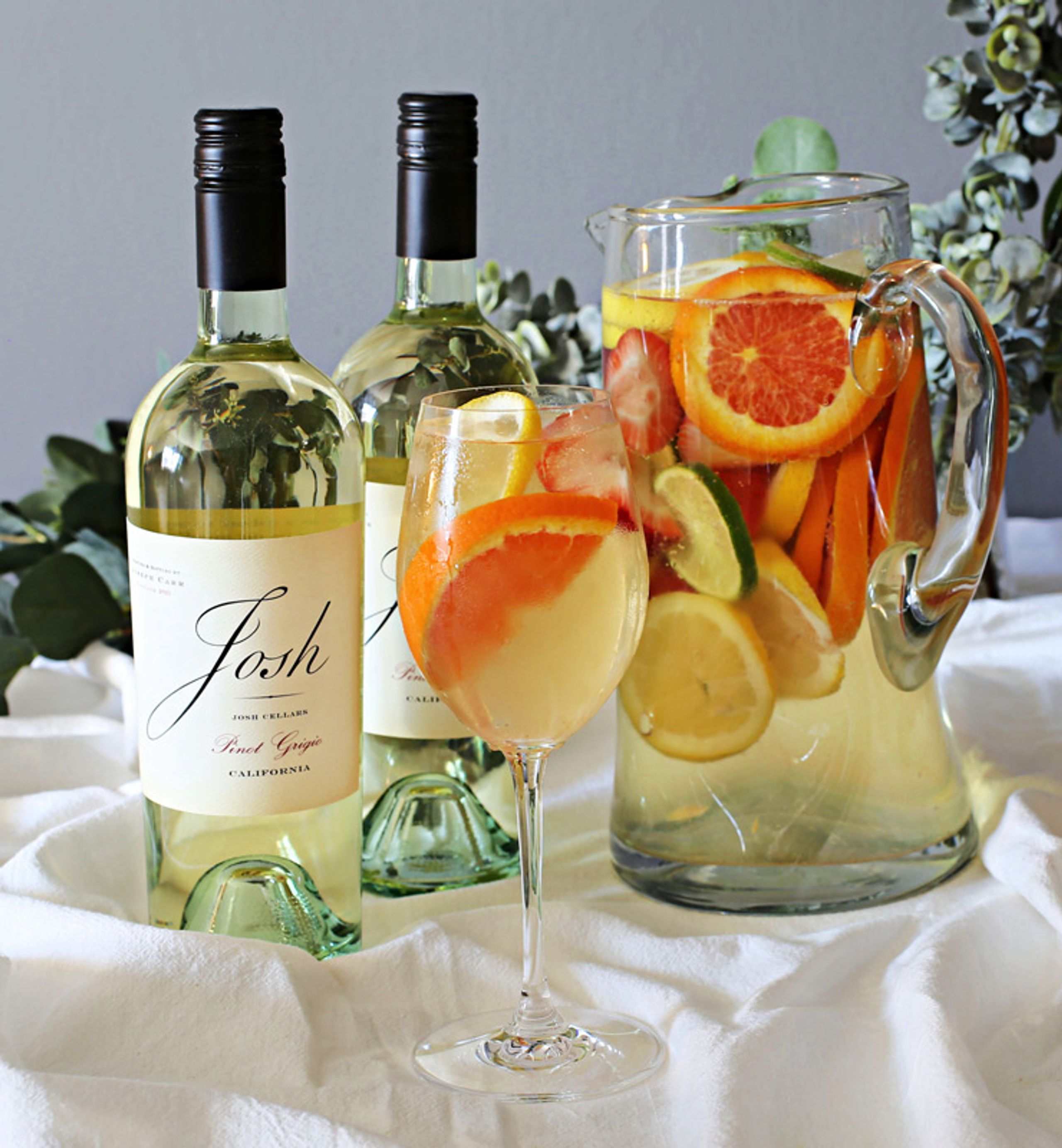
White sangria is crisp and refreshing, ideal for warm days or when you want something lighter. Use a dry white wine like Sauvignon Blanc or Pinot Grigio to keep the flavors fresh and vibrant.
Citrus fruits like lime, lemon, and orange are the stars here, often paired with green apple slices and fresh mint. Try adding a splash of peach schnapps or elderflower liqueur—it can elevate the drink without overpowering the delicate wine.
Sparkling Sangria
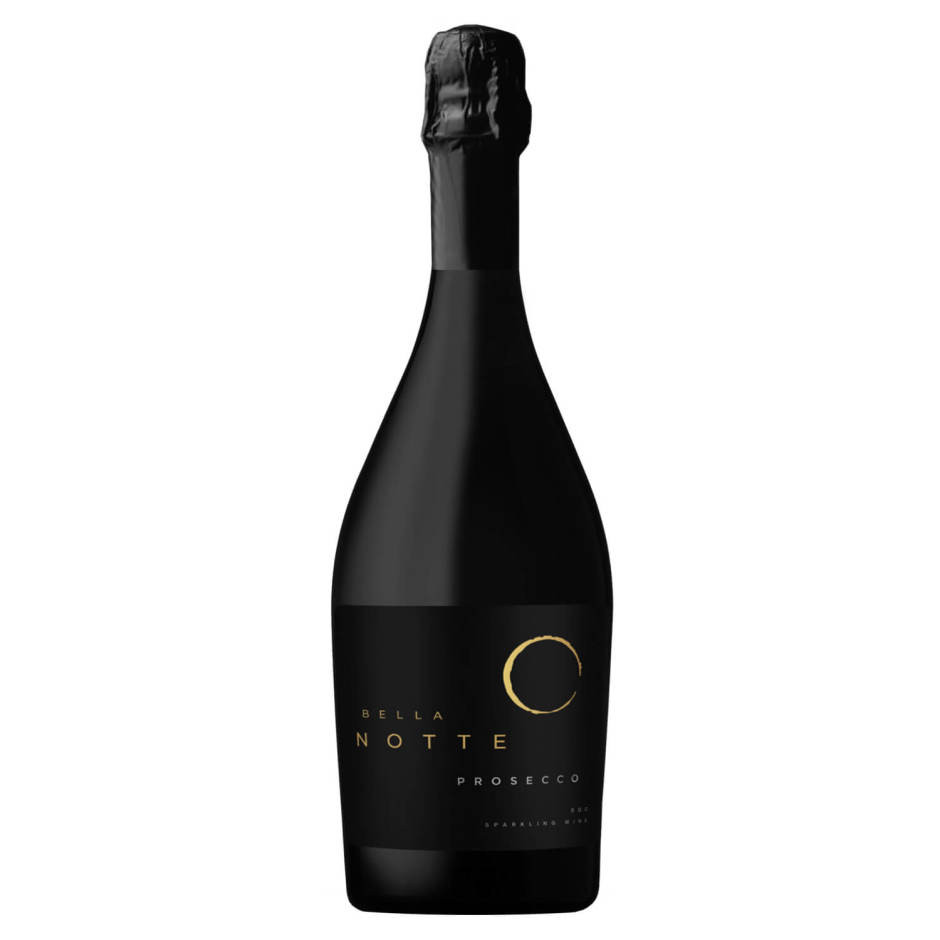
If you want to add some fizz to your sangria, sparkling wine is your best friend. Prosecco or Cava works well, lending bubbles that make every sip feel festive.
Combine it with fresh berries, peach slices, and a bit of orange juice for a light and celebratory drink. This version is perfect for parties—how often do you get to toast with something so easy to make and so impressive?
Frequently Asked Questions
What Type Of Wine Is Best For Making Sangria?
Red wine is the most popular choice for sangria. Opt for a dry, fruity red like Tempranillo or Garnacha. These wines blend well with fruit and add depth without overpowering the drink.
Can White Wine Be Used For Sangria?
Yes, white wine makes a refreshing sangria variant. Choose a dry white like Sauvignon Blanc or Pinot Grigio. These wines provide crispness and lightness, perfect for summer sangria recipes.
Is It Necessary To Use Expensive Wine For Sangria?
No, expensive wine is not needed for sangria. Use affordable, good-quality table wine. The added fruit and mixers enhance the flavor, making the wine price less critical.
How Does Wine Choice Affect Sangria Flavor?
Wine choice impacts sangria’s taste and balance. Fruity, medium-bodied wines create a harmonious blend with fruits and sweeteners. Avoid overly tannic or oaky wines, which can overpower sangria’s refreshing profile.
Conclusion
Choosing the best wine makes your sangria taste great. Red wines like Tempranillo or Garnacha add rich flavor. White wines such as Sauvignon Blanc bring a fresh touch. Keep the wine light and fruity to balance the fruit juices. Remember, the right wine helps blend all ingredients smoothly.
Enjoy your sangria with friends or family anytime. Simple choices create a delicious, refreshing drink everyone will love. Try different wines to find your favorite sangria style. Cheers to tasty sangria moments!

Ethan Cole is a kitchen innovation enthusiast and food technology writer at DiningGadgets.com. With over 8 years of experience reviewing cookware, smart kitchen tools, and design trends, he helps readers discover gadgets that make cooking easier and dining more enjoyable. When he’s not testing the latest kitchen appliances, Ethan enjoys experimenting with recipes and sharing practical tips for modern homes.