

Working in a kitchen means you need to be clean and safe. Aprons help protect your clothes from food spills. They also help keep food safe by stopping dirt and germs. But do you know when to take off your apron? This article will tell you when a food handler’s apron must be removed. It will help you keep food safe and follow good kitchen rules.
Why Use an Apron in the Kitchen?
An apron is a piece of clothing worn over clothes. It keeps your clothes clean and stops germs from spreading. When you work with food, it is important to wear an apron. It stops dirt, dust, and germs from your clothes going into the food. Aprons also protect you from hot liquids and stains.
But an apron is not clean forever. It can get dirty or have germs. If you keep wearing a dirty apron, you might spread germs to the food. This can make people sick.

Credit: www.scribd.com
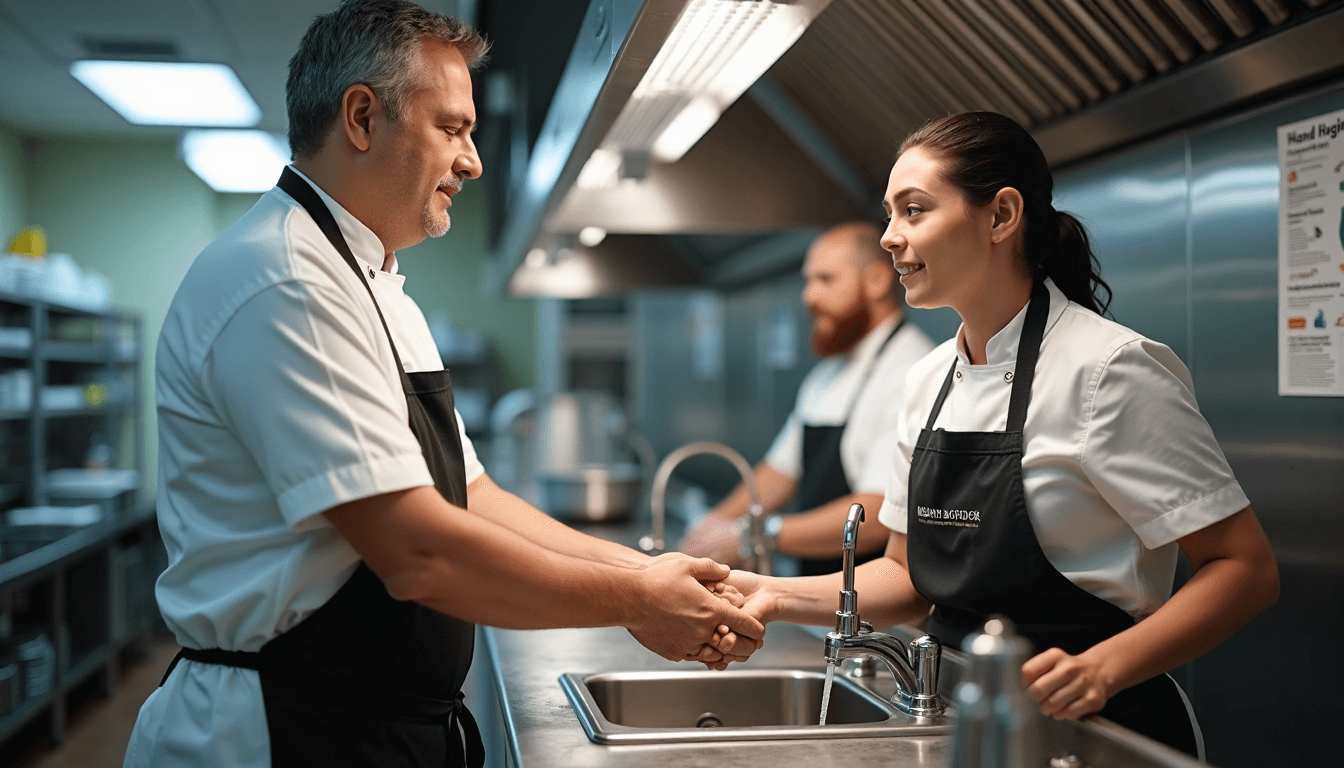
Credit: probeit.ca
When Must a Food Handler Remove Their Apron?
There are many times when you must take off your apron. Let’s look at these times one by one. This will help you know the right time to remove your apron.
1. After Finishing Food Preparation
When you finish cutting, cooking, or mixing food, it is time to remove your apron. Food preparation can make your apron dirty. It might have food stains or germs. Taking off the apron after work keeps the kitchen clean.
2. Before Leaving The Kitchen
Never wear your apron outside the kitchen. If you leave the kitchen to go to the restroom or take a break, remove your apron first. This stops germs from spreading to other places.
3. After Touching Garbage Or Trash
If you touch trash, your hands and apron can get dirty. Always remove and clean your apron after handling garbage. This keeps food safe and the kitchen clean.
4. When You Touch Your Face Or Hair
Touching your face or hair can put germs on your apron. If you do this, take off your apron and wash your hands. This helps stop spreading germs to the food.
5. After Cleaning Tasks
Cleaning the kitchen or washing dishes can make your apron wet or dirty. Remove it before cleaning. Wear a clean apron if you need to go back to food work.
6. When Your Apron Becomes Wet Or Soiled
A wet or dirty apron can spread germs. Remove it and change to a clean one. Always keep your apron dry and clean while working.
7. Before Using The Restroom
Always take off your apron before you use the restroom. This stops germs from going to the restroom and back to the kitchen.
8. When Changing Work Areas
If you move from a dirty area to a clean one, remove your apron. For example, moving from the trash area to food prep. This stops germs from spreading.
How to Remove Your Apron Safely
Removing an apron might seem easy. But you need to do it carefully. If you do not, germs might spread. Follow these steps for safe apron removal:
- Step 1: Untie or unclip the apron straps carefully.
- Step 2: Hold the apron by the straps only.
- Step 3: Pull the apron away from your clothes without touching the front.
- Step 4: Fold or roll the apron with the dirty side inside.
- Step 5: Put the apron in the laundry bin or wash it right away.
- Step 6: Wash your hands with soap and water after removing the apron.
Why Is It Important to Remove Aprons Properly?
Proper apron removal helps stop germs. Germs can stick to aprons and spread to food. This can cause food poisoning. Food poisoning makes people feel sick. It can cause stomach pain, vomiting, or worse.
Removing aprons correctly also helps keep the kitchen clean. A clean kitchen means safe food. It also means customers or family will trust the food you make.
What Happens If You Don’t Remove Your Apron at the Right Time?
If you keep your apron on too long, germs can spread. The apron can get dirty and carry bacteria. This can make the food unsafe.
Also, you might spread germs to other areas. For example, if you wear an apron to the restroom, germs can move there. Then, when you go back to the kitchen, germs come back with you. This is not safe.
How to Keep Your Apron Clean
Keeping your apron clean is very important. Here are some simple tips:
| Tip | Explanation |
|---|---|
| Use a clean apron every day | Start your work with a fresh, clean apron. |
| Wash aprons often | Wash after each use or at least daily. |
| Use hot water and detergent | Hot water kills germs better than cold. |
| Store aprons in a clean place | Keep aprons away from dirt and dust. |
| Do not share aprons | Each person should have their own apron. |
Summary: When to Remove Your Apron
- After finishing food work
- Before leaving the kitchen
- After touching trash
- After touching your face or hair
- Before cleaning or after cleaning
- When apron is wet or dirty
- Before using the restroom
- When moving from dirty to clean areas
Remember, a clean apron helps keep food safe. Always remove your apron at the right time. Wash your hands after removing it. Follow these rules to stay safe and healthy in the kitchen.
Final Thoughts
Aprons are important in food work. But they can also carry germs. Knowing when to remove your apron is key. It helps protect you and others.
Keep aprons clean and change them often. Remove them after certain tasks. This keeps food fresh and safe. It also keeps your kitchen clean.
Good kitchen habits make food better. They keep customers and family happy and healthy. So, always remember to remove your apron when needed. It is a simple step that makes a big difference.
Frequently Asked Questions
Why Must Food Handlers Remove Aprons When Leaving Food Prep Areas?
Aprons can carry germs. Removing them prevents contamination outside the kitchen.
When Should Food Handlers Remove Their Aprons?
Before leaving the food prep area. This keeps the dining area clean.
Is It Necessary To Remove Aprons For Restroom Breaks?
Yes, aprons should be removed before restroom breaks to maintain hygiene.
Should Aprons Be Removed Before Eating Or Drinking?
Yes, to avoid transferring bacteria to food and drinks.
Ethan Cole is a kitchen innovation enthusiast and food technology writer at DiningGadgets.com. With over 8 years of experience reviewing cookware, smart kitchen tools, and design trends, he helps readers discover gadgets that make cooking easier and dining more enjoyable. When he’s not testing the latest kitchen appliances, Ethan enjoys experimenting with recipes and sharing practical tips for modern homes.