

Imagine opening a lunch box that feels like a little piece of Japan, carefully crafted just for you. If you’ve ever wished your midday meal could be both delicious and beautifully presented, you’re about to discover something special.
A company making Japanese-style lunch boxes is changing how you experience lunch—turning a simple break into a moment of joy and balance. Curious to know how these lunch boxes can brighten your day and nourish your body? Keep reading, because this could transform your daily routine in ways you didn’t expect.
Japanese Lunch Boxes Tradition
The tradition of Japanese lunch boxes, or bento, is more than just a way to carry food. It reflects a deep cultural appreciation for balance, presentation, and nutrition. Understanding this tradition can change how you view your own meals and inspire you to bring more care and creativity into your lunch routine.
History Of Bento
Bento dates back to the Kamakura period (1185–1333), when people started packing meals for travel or work. Originally, it was simple rice wrapped in leaves or packed in wooden boxes. Over centuries, the bento evolved alongside Japanese society, becoming a staple for students, workers, and travelers alike.
By the Edo period (1603–1868), bento boxes were more elaborate and often featured multiple compartments. These compartments separated different foods, ensuring both variety and visual appeal. Have you ever noticed how your lunch feels more satisfying when it offers different tastes and textures? That idea started here.
Cultural Significance
Bento is about more than just eating; it’s a way to show care and thoughtfulness. Parents often prepare bento for their children with cute designs and balanced nutrition. This small act speaks volumes about love and attention to detail.
The careful arrangement also reflects a cultural respect for food itself. Each ingredient is chosen and placed to create harmony, respecting both flavor and appearance. Could this level of mindfulness improve your daily meals and even your mood?
Modern Evolution
Today, bento has moved beyond traditional wooden boxes to include plastic and eco-friendly materials. Convenience stores in Japan sell ready-made bento that cater to busy lifestyles. Despite this, homemade bento remains popular, especially for those who want to control ingredients and presentation.
Modern bento also embraces global influences, mixing Japanese staples with international flavors. This evolution keeps the tradition alive and relevant. What new ingredients could you add to your lunch box to make it both healthy and exciting?

Credit: creators.yahoo.com
Crafting Authentic Flavors
Crafting authentic flavors is the heart of making Japanese-style lunch boxes. Each bite tells a story of tradition and care. The company uses time-honored techniques to keep the genuine taste alive. Every ingredient and recipe is chosen to reflect true Japanese cuisine. The goal is to deliver a meal that feels both comforting and exciting.
Key Ingredients
Freshness matters most in Japanese lunch boxes. Rice is the foundation, often short-grain and sticky. Seafood, like salmon and shrimp, offers delicate flavors. Vegetables such as daikon, carrots, and spinach add color and crunch. Seasonings include soy sauce, mirin, and miso, giving depth and umami. Using natural, high-quality items ensures every bite tastes just right.
Signature Recipes
Signature recipes blend tradition with simple cooking. Popular dishes include teriyaki chicken, tamagoyaki (rolled omelet), and pickled vegetables. Each recipe balances subtle sweetness and savory notes. The company focuses on clear, clean flavors that feel familiar. These recipes reflect regional tastes and family favorites, capturing Japan’s culinary spirit in every box.
Balancing Taste And Nutrition
Japanese lunch boxes aim to nourish the body and please the palate. Meals combine protein, carbs, and fiber in balanced portions. Vegetables provide vitamins and natural sweetness. The company avoids heavy sauces or excess oil. This approach keeps meals light but satisfying. Careful balance means customers enjoy healthful and tasty food every day.
Meal Presentation
Meal presentation plays a key role in Japanese-style lunch boxes. It enhances the dining experience and makes the food more enjoyable. The way food looks affects appetite and satisfaction. A company crafting these lunch boxes pays close attention to how each meal is displayed. This focus helps create visually appealing and balanced meals that attract customers.
Aesthetic Appeal
Japanese lunch boxes use colors and shapes to create beauty. Bright vegetables and neatly arranged items catch the eye. Each ingredient is placed carefully to form a pleasing pattern. The goal is to make the meal look fresh and inviting. Simple designs highlight the natural beauty of the food.
Portion Control
Portion control is important for health and taste. Each compartment holds the right amount of food. This prevents overeating and keeps the meal balanced. Smaller portions of various foods give variety without excess. It also helps customers enjoy different flavors in one box.
Packaging Techniques
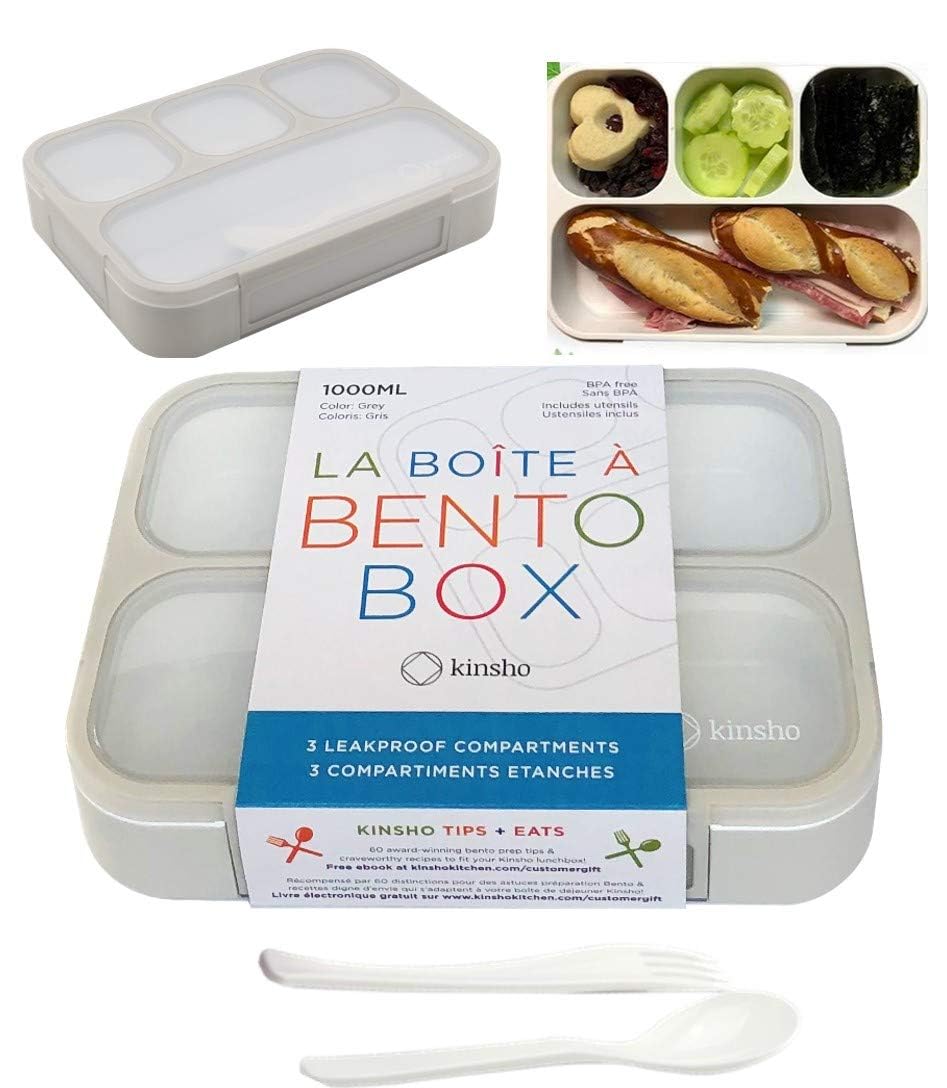
Packaging must keep the meal fresh and intact. Lunch boxes use dividers to separate foods and avoid mixing. The materials are often eco-friendly and easy to carry. Sealing methods ensure no spills or leaks occur. The design also focuses on convenience for the user.
Credit: www.amazon.ca
Customer Experience
Customer experience shapes how people feel about a brand. This company focuses on making each lunch box special. They create meals that fit tastes and needs. The goal is to bring joy with every bite. Careful attention goes into every step of the process.
Customization Options
Customers can choose ingredients for their lunch boxes. Options include rice types, proteins, and vegetables. They can select portion sizes to match their appetite. Special dietary needs like gluten-free or vegetarian are supported. This flexibility helps each person enjoy a perfect meal.
Feedback And Improvement
Customer opinions guide the company’s changes. Surveys and reviews collect honest thoughts from buyers. The company listens closely and updates menus often. New flavors and recipes appear based on suggestions. This ongoing improvement builds trust and satisfaction.
Delivery And Freshness
Meals arrive quickly to keep them fresh and tasty. Packaging is designed to maintain temperature and quality. Delivery staff handle orders with care and punctuality. Customers receive their lunch boxes in prime condition. Freshness is a priority that enhances the eating experience.
Sustainability Practices
Japanese-style lunch boxes, or bento, reflect a deep respect for nature. Many companies making these meals follow strong sustainability practices. These efforts help protect the environment and support local communities. They also reduce waste and use resources wisely. This section highlights key green actions these companies take.
Eco-friendly Packaging
Packaging is important for bento boxes. Many companies choose materials that break down naturally. They avoid plastics that harm oceans and soil. Paper, bamboo, and reusable containers are common choices. These materials reduce pollution and keep food fresh. Customers appreciate packaging that is kind to Earth.
Sourcing Local Ingredients
Using local ingredients supports farmers nearby. It also cuts down on transportation emissions. Fresh vegetables, rice, and fish come straight from local markets. This practice keeps meals tasty and nutritious. It also helps the community grow stronger and more sustainable.
Waste Reduction Efforts
Reducing food and packaging waste is a top priority. Companies plan portions carefully to avoid leftovers. Leftover food is composted or donated. Packaging is designed to be minimal and recyclable. These actions lower landfill waste and save resources. Waste reduction helps protect the planet for future generations.

Credit: www.ebay.com
Expanding The Market
Expanding the market for Japanese-style lunch boxes means reaching new customers and places. It involves understanding who will enjoy these lunch boxes and how to let them know about the product. Growth depends on smart marketing and finding fresh opportunities. The company focuses on these key areas to grow its presence and sales.
Target Audience
The company aims at people who love Japanese food and healthy meals. Busy workers and students want quick, tasty lunch options. Families appreciate convenient, balanced meals for their kids. Food lovers who try new tastes also show interest. Understanding these groups helps the company tailor its products and messages well.
Marketing Strategies
- Use social media to share appealing photos and stories.
- Partner with local stores and cafes to offer samples.
- Attend food fairs and events to meet new customers.
- Create easy online ordering with fast delivery options.
- Highlight the freshness, quality, and cultural aspects.
These strategies build trust and attract a loyal customer base.
Future Growth Opportunities
Expanding to new cities and countries is a key goal. Collaborations with corporate offices can boost daily orders. Seasonal menus and limited editions keep customers curious. Offering catering services for events can add revenue streams. Exploring eco-friendly packaging attracts environmentally aware buyers.
Frequently Asked Questions
What Is A Japanese-style Lunch Box?
A Japanese-style lunch box, or bento, is a single-portion meal packed in a container. It typically includes rice, fish or meat, and vegetables. Bentos are known for their balanced nutrition and artistic presentation. They are popular for their convenience and are often used in schools, workplaces, and picnics in Japan.
Why Are Japanese Lunch Boxes Popular?
Japanese lunch boxes are popular for their convenience and balanced nutrition. They offer a variety of foods in one meal, making them ideal for a busy lifestyle. The artistic presentation also adds appeal. Many people appreciate the tradition and care involved in preparing a bento.
How Do Companies Make Bento Boxes?
Companies make bento boxes by focusing on quality ingredients and presentation. They use fresh produce, meats, and rice. The meals are designed to be visually appealing and nutritionally balanced. Some companies also offer customizable options to cater to different dietary needs and preferences.
What Are Common Ingredients In Bento Boxes?
Common ingredients in bento boxes include rice, fish, chicken, tofu, and a variety of vegetables. Fruits may also be included as a dessert. The selection often depends on the season and regional preferences. Each ingredient is chosen to provide a balanced and nutritious meal.
Conclusion
Japanese-style lunch boxes offer fresh, balanced meals every day. They bring taste and tradition to your table. This company crafts each box with care and quality. Perfect for busy people who want healthy food fast. Enjoy variety and nutrition without extra effort.
Simple, tasty, and made just for you. Try one and feel the difference yourself. A small meal, big on flavor and culture. Lunch can be easy and special at the same time.

Ethan Cole is a kitchen innovation enthusiast and food technology writer at DiningGadgets.com. With over 8 years of experience reviewing cookware, smart kitchen tools, and design trends, he helps readers discover gadgets that make cooking easier and dining more enjoyable. When he’s not testing the latest kitchen appliances, Ethan enjoys experimenting with recipes and sharing practical tips for modern homes.