How to Design a Commercial Kitchen: Expert Tips for Success
Designing a commercial kitchen is an exciting task. It’s also a big challenge. The kitchen must be safe and efficient. People need to move around easily. A well-designed kitchen saves time and money. Let’s learn how to design a great kitchen.
Understand the Space
The first step is to know your space. Measure the kitchen area. Know where the doors and windows are. Is there enough light? Is there proper ventilation? These details matter. They help in planning the layout.
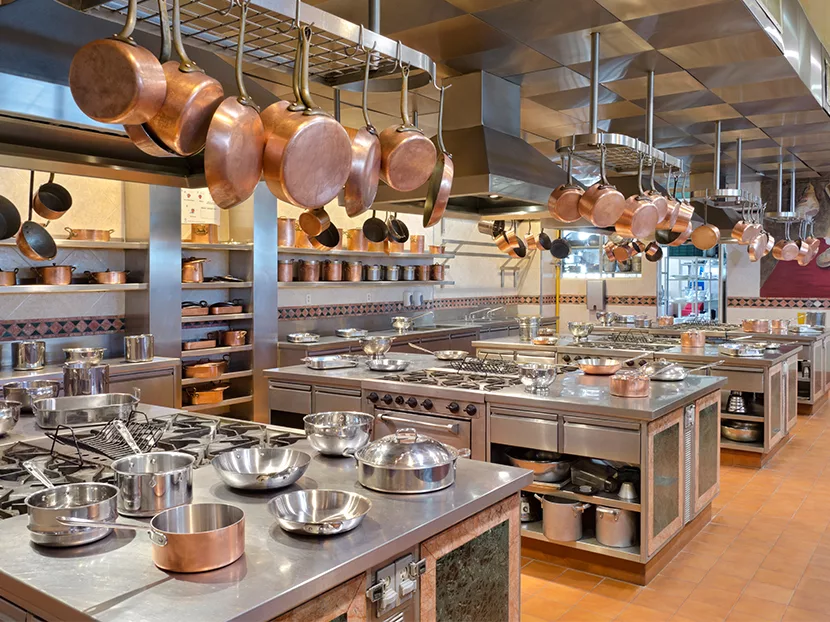
Credit: www.phcppros.com
Plan the Layout
Next, think about the layout. There are different types of layouts. The most common ones are:
- Assembly Line: Good for fast food. Everything moves in a straight line.
- Island: Equipment is in the center. Chefs work around it.
- Zone Style: Different areas for different tasks. For example, a baking area and a frying area.
- Open Kitchen: Customers can see the cooking. It makes the kitchen look inviting.
Choose a layout that fits your needs. Think about how many people will work there. Also, consider the type of food you will make.
Choose the Right Equipment
Equipment is very important. It must match the kitchen’s needs. Here are some common kitchen equipment:
- Ovens: For baking and roasting.
- Stoves: For boiling and frying.
- Refrigerators: To keep food fresh.
- Sinks: For washing dishes and hands.
- Freezers: For storing frozen food.
Ensure the equipment is energy-efficient. This will save money. Also, think about the size. It should fit in the space available.
%20(1).jpeg "How to Design a Commercial Kitchen: Expert Tips for Success 3")
Credit: www.contekpro.com
Focus on Safety
Safety is key in a commercial kitchen. There must be enough space to move. Floors should be non-slip. This prevents accidents. Fire extinguishers should be nearby. Smoke detectors are also important.
Good ventilation is a must. It removes smoke and heat. Fresh air is always better. It keeps the kitchen cool and safe.
Plan the Workflow
Think about how people will work in the kitchen. The workflow should be smooth. There should be clear paths. People should not bump into each other. Each task should have its own space.
For example, food preparation, cooking, and plating. These tasks should have separate areas. This reduces confusion and speeds up work.
Ensure Good Lighting
Lighting is very important. A well-lit kitchen is safer. It helps in seeing everything clearly. Use bright lights. Place them above work areas. Natural light is a plus. It saves energy and looks nice.
Think About Storage
Storage is essential in a kitchen. There must be enough space to store ingredients and tools. Use shelves and cabinets wisely. Store heavy items at waist level. This prevents injuries.
Label everything. It makes finding items easier. Use clear containers. This helps in seeing what’s inside.
Consider Cleaning Needs
Cleaning is a big part of kitchen work. The design should make cleaning easy. Use materials that are easy to clean. Stainless steel is a great choice. It is durable and easy to wipe.
Ensure there are enough sinks. This helps in cleaning dishes quickly. Trash bins should be near work areas. This keeps the kitchen tidy.
Comply with Health Regulations
Always follow health regulations. They ensure the kitchen is safe. Check local laws and guidelines. Follow them closely. This prevents problems later.
Involve the Team
Talk to the people who will work in the kitchen. They know what they need. Their feedback is valuable. It helps in making the design better.
Ask them about their needs and ideas. This ensures the kitchen will work well for everyone.
Test the Design
Once the design is ready, test it. Use the kitchen for a few days. See how it works. Make changes if needed. Testing helps in finding problems early.
Frequently Asked Questions
What Are The Key Zones In A Commercial Kitchen Design?
Key zones include preparation, cooking, cleaning, and storage areas for smooth workflow.
How Much Space Is Needed For A Commercial Kitchen?
Space depends on the kitchen size and menu but usually starts at 300 sq ft.
Why Is Kitchen Ventilation Important In Commercial Kitchens?
Good ventilation removes heat, smoke, and odors, keeping air clean and workers safe.
What Type Of Flooring Works Best In Commercial Kitchens?
Non-slip, durable, and easy-to-clean flooring like quarry tile or vinyl is best.
Conclusion
Designing a commercial kitchen takes time and effort. But it’s worth it. A well-designed kitchen is safe and efficient. It makes work easier for everyone. Follow these steps to create a great kitchen. Happy cooking!

Ethan Cole is a kitchen innovation enthusiast and food technology writer at DiningGadgets.com. With over 8 years of experience reviewing cookware, smart kitchen tools, and design trends, he helps readers discover gadgets that make cooking easier and dining more enjoyable. When he’s not testing the latest kitchen appliances, Ethan enjoys experimenting with recipes and sharing practical tips for modern homes.