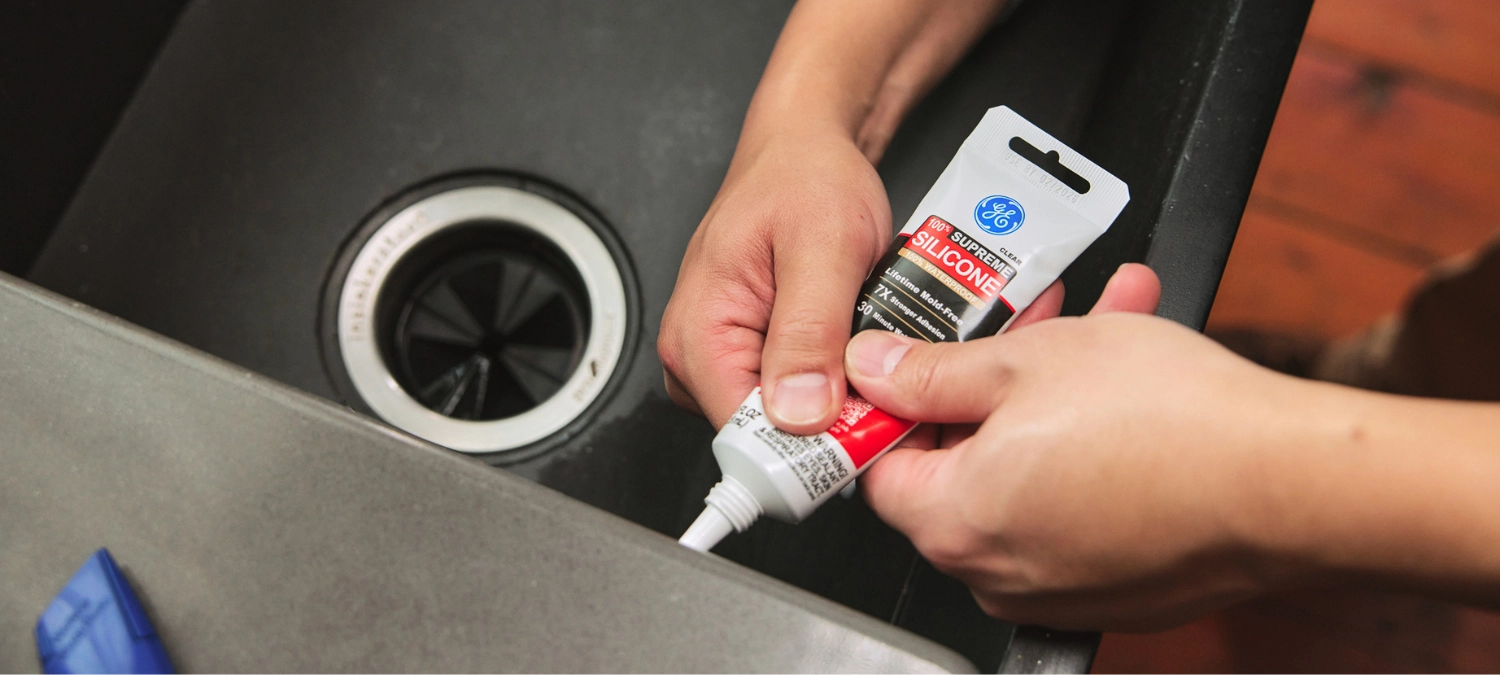
How to Caulk Kitchen Counter to Wall: Easy Steps for a Perfect Seal
Your kitchen is one of the busiest spots in your home, and keeping it clean is a must. But have you noticed gaps between your countertop and the wall?
Those small cracks can let water, crumbs, and dirt sneak in, leading to stains and even mold. Caulking this gap is a simple fix that can make a big difference in keeping your kitchen fresh and tidy. If you want a neat, professional-looking finish without hiring a pro, this guide will show you exactly how to caulk your kitchen counter to the wall with ease.
Let’s get started and make your kitchen look flawless!

Credit: www.reddit.com
Tools And Materials Needed
Caulking the kitchen counter to the wall creates a clean, sealed edge. This prevents water damage and keeps your kitchen looking neat. Having the right tools and materials makes the job easier and ensures a smooth finish. Gather everything you need before starting.
Types Of Caulk
Choosing the right caulk matters for durability and appearance. Here are common types used in kitchens:
- Silikon-based caulk:Waterproof and flexible. Perfect for wet areas.
- Acrylic latex caulk:Easy to apply and clean. Paintable for a neat look.
- Siliconized acrylic caulk:Combines benefits of silicone and acrylic. Good for kitchen counters.
Pick a caulk that resists mold and mildew for hygiene.
Essential Tools
Having the right tools saves time and improves results. Prepare these items:
- Caulk gun – holds and applies the caulk smoothly
- Utility knife – trims old caulk and opens new tubes
- Caulk smoothing tool or finger – shapes the caulk bead
- Painter’s tape – protects surfaces and creates clean lines
- Cleaning cloths – wipes away excess caulk and dirt
- Rubbing alcohol – cleans the area before caulking
Preparing Your Workspace
Clean workspace improves caulk adhesion and finish. Follow these steps:
- Remove old caulk using a utility knife carefully.
- Clean the area with rubbing alcohol to remove grease.
- Dry the surface fully before applying new caulk.
- Use painter’s tape along edges for straight lines.
- Clear the counter of any items and protect nearby surfaces.

Credit: www.tilemountain.co.uk
Preparing The Surface
Preparing the surface before caulking your kitchen counter to the wall is crucial for a smooth and lasting finish. Skipping this step can lead to poor adhesion and messy results. Taking the time to clean, remove old caulk, and inspect the area sets you up for success and saves you from redoing the work later.
Cleaning The Gap
Start by removing any dirt, grease, or food residue from the gap between the counter and the wall. Use a mild detergent and a sponge or cloth to wipe the area thoroughly. Don’t rush this step—residual grime can prevent new caulk from sticking properly.
Have you noticed how even a small crumb can affect the seal? Paying attention to these details makes a big difference.
Removing Old Caulk
Old caulk often cracks or peels, which compromises the seal. Use a utility knife or a caulk removal tool to carefully scrape away the old material. Be gentle to avoid scratching your counter or wall surface.
If you’ve ever tried to paint over old caulk, you know it rarely looks clean. Removing it fully ensures your new caulk adheres well and looks neat.
Drying And Inspection
After cleaning and removing old caulk, make sure the area is completely dry. Use a clean cloth to speed up drying or wait a few hours if needed. Moisture trapped under the new caulk can lead to mold or peeling.
Inspect the gap for any damage like cracks or gaps that need filling before caulking. Addressing these issues now prevents future problems and ensures your caulk job lasts longer.
Applying Painter’s Tape
Applying painter’s tape is a crucial step before caulking the kitchen counter to the wall. It helps create clean, straight lines and protects surfaces from excess caulk. Proper use of painter’s tape ensures a neat and professional finish.
Why Use Painter’s Tape
Painter’s tape prevents caulk from spreading onto unwanted areas. It keeps the wall and counter edges clean and tidy. The tape also saves time by reducing the need for touch-ups. Without tape, caulk can look messy and uneven.
Proper Tape Placement
Place painter’s tape along both edges of the joint you want to caulk. Leave a small gap where the caulk will go. Press the tape firmly to avoid caulk seeping underneath. Remove the tape right after smoothing the caulk for sharp lines.
Cutting The Caulk Tube
Cutting the caulk tube correctly sets the foundation for a smooth, professional finish when sealing your kitchen counter to the wall. A clean, precise cut controls the flow of caulk, helping you avoid messy squeezes or uneven lines. Taking a moment to get this right saves you time and frustration during application.
Choosing The Right Nozzle Size
The size of the nozzle opening directly affects the bead width of your caulk line. If the opening is too large, you risk applying excess caulk, leading to waste and a sloppy look. Too small, and you might struggle to cover gaps properly or slow down your work.
Think about the gap you need to fill. For typical kitchen counter gaps, a 1/8-inch to 1/4-inch opening usually works best. You can always trim the nozzle a bit at a time to get the perfect size, so start smaller and adjust as you go.
Making A Clean Cut
Use a sharp utility knife or a pair of scissors to cut the nozzle tip at a 45-degree angle. This angle helps guide the caulk smoothly into the joint and gives you better control. Cutting too close to the base can cause the caulk to squeeze out unevenly, so measure carefully before cutting.
Try holding the nozzle against the gap to visualize the bead size before you cut. This simple step helped me avoid multiple messy attempts. A clean cut leads to a neat application and less cleanup afterward.
Applying The Caulk
Applying the caulk to the kitchen counter and wall junction requires care and attention. Proper application ensures a neat, waterproof seal that lasts long. The right technique prevents mess and uneven lines. Focus on controlling the caulking gun and keeping steady pressure. This section guides you through the essential steps for a smooth finish.
Holding The Caulking Gun
Hold the caulking gun like a pistol for better control. Keep your dominant hand on the trigger. Support the front with your other hand to guide the tube. Position the nozzle close to the gap, about a quarter inch away. This grip helps you move steadily along the seam.
Applying Steady Pressure
Apply even pressure on the trigger to release caulk smoothly. Avoid squeezing too hard to prevent blobs. Too little pressure causes gaps in the line. Keep your hand steady to maintain a constant flow. Move the gun forward slowly and consistently.
Filling The Gap Evenly
Fill the gap completely with a continuous bead of caulk. Do not stop and start frequently; it creates uneven spots. Aim for a bead slightly wider than the gap. Use your finger or a caulk smoothing tool to press the caulk in. This seals the joint and gives a clean look.
Smoothing The Caulk
Smoothing the caulk is a key step for a neat and lasting seal between your kitchen counter and wall. It shapes the caulk bead, removing excess and filling gaps. Proper smoothing improves both the look and performance of the caulk.
Doing it right ensures water won’t seep behind surfaces. It also prevents dirt buildup and keeps your kitchen looking fresh. The process requires simple tools and steady hands. Below are the essentials for smooth, clean caulk lines.
Tools For Smoothing
- Caulk finishing tool – designed to shape and smooth caulk beads.
- Plastic spoon or spatula – a handy alternative for shaping caulk.
- Finger – the most common tool, used with water or soapy water.
- Paper towels or cloth – to wipe away excess caulk quickly.
- Masking tape – to protect surfaces and create straight edges.
Techniques For A Clean Finish
- Apply steady pressure to push the caulk into gaps.
- Use a wet finger or smoothing tool for a smooth bead.
- Keep your tool or finger moist to prevent sticking.
- Work in one continuous motion for even lines.
- Remove masking tape before the caulk dries to avoid tearing.
- Clean up excess caulk promptly with a damp cloth.
Removing Tape And Cleanup
Removing tape and cleaning up after caulking your kitchen counter to the wall are crucial steps to achieve a neat, professional finish. If done right, these steps prevent messy edges and ensure the caulk sets smoothly. Handling this process with care will save you time and effort in fixing mistakes later.
When To Remove Tape
Removing the painter’s tape at the right moment is key. Pull the tape off while the caulk is still wet but starting to set—usually within 5 to 10 minutes after application.
If you wait too long, the caulk may dry and peel away with the tape, ruining your clean lines. On the other hand, removing it too soon can smudge the caulk. So, keep a close eye on the texture and gently lift a corner to test.
Cleaning Excess Caulk
Cleaning up excess caulk quickly prevents hardened blobs that are tough to remove. Use a damp cloth or a sponge dipped in warm water to wipe off extra caulk immediately after removing the tape.
For stubborn spots, a plastic putty knife can gently scrape without damaging surfaces. Avoid harsh scrubbing that could ruin your freshly sealed edges or countertop finish.
Have you ever rushed this step and regretted it? Taking a few extra minutes now makes your kitchen look sharp and saves cleanup headaches later.
Credit: www.amazon.ca
Curing And Maintenance
After you’ve applied the caulk between your kitchen counter and the wall, curing and maintenance are key to keeping that joint clean and watertight. This process ensures the caulk sets properly and continues to protect against water damage and mold buildup. Paying attention to these details can save you from costly repairs down the line.
Drying Time
Caulk needs time to dry completely before it can do its job effectively. Most silicone-based caulks require at least 24 hours to cure fully, but some might take up to 48 hours depending on humidity and temperature.
Try to avoid using the sink or splashing water near the sealed area during this period. If you rush this step, the caulk might crack or peel prematurely, leaving gaps.
Have you noticed caulk peeling off soon after application? It’s often because the drying time was cut short. Patience here pays off.
Maintaining The Seal
Once the caulk is cured, regular maintenance keeps the seal strong and your kitchen looking fresh. Check the caulk line every few months for cracks, discoloration, or peeling.
If you spot any damage early, remove the old caulk and apply a new bead to prevent water infiltration. Kitchen counters face constant exposure to moisture and heat, so don’t ignore these signs.
- Clean the caulk line gently with a mild detergent and a soft cloth.
- Avoid harsh scrubbing or abrasive cleaners that can damage the seal.
- Consider resealing every few years as part of your kitchen upkeep.
How often do you inspect your kitchen seals? Making it a habit can extend the life of your counters and walls significantly.
Frequently Asked Questions
How Do I Prepare The Surface Before Caulking Kitchen Counters?
Clean the counter and wall junction thoroughly. Remove old caulk and dirt. Dry the area completely before applying new caulk. This ensures better adhesion and a smooth finish for your kitchen counter caulk.
What Type Of Caulk Is Best For Kitchen Counters?
Use a silicone or acrylic-latex caulk labeled for kitchens or bathrooms. These types resist moisture and mildew. They provide flexibility and durability, perfect for sealing gaps between kitchen counters and walls.
How Long Does Kitchen Counter Caulk Take To Dry?
Caulk usually takes 24 hours to fully cure. Drying time varies by brand and humidity. Avoid water contact during this period to ensure a strong and lasting seal.
Can I Use Painter’s Tape For Cleaner Caulking Lines?
Yes, apply painter’s tape along edges before caulking. It creates sharp, straight lines and prevents messy edges. Remove tape immediately after smoothing the caulk for best results.
Conclusion
Caulking your kitchen counter is easy with the right steps. First, gather your tools. Clean the area well. Apply the caulk smoothly along the gap. Use a damp finger to press and shape it. Let it dry completely. Regular checks help maintain a neat look.
A clean seal keeps your kitchen protected from water damage. Practice these tips for a tidy and long-lasting finish. Remember, patience leads to better results. You can achieve a professional look without much hassle. Enjoy your freshly caulked kitchen!