How to Remove Wall Mounted Kitchen Cabinets: Easy Step-by-Step Guide
Are your kitchen cabinets looking outdated or damaged? Removing wall-mounted kitchen cabinets might seem like a tough job, but with the right steps, you can do it yourself without stress.
Imagine the satisfaction of clearing space for a fresh new look or making repairs on your own. In this guide, you’ll learn simple, clear methods to safely take down your cabinets without causing damage to your walls or yourself. Keep reading, and you’ll gain the confidence to handle this project like a pro.

Credit: www.create-enjoy.com
Tools Needed
Removing wall mounted kitchen cabinets requires the right set of tools to make the job smooth and safe. Having everything ready before you start saves you from unnecessary frustration and potential damage to your walls or cabinets.
Basic Tools
Start with a sturdy screwdriver, either a flathead or a Phillips, depending on your cabinet screws. A cordless drill with screwdriver bits speeds up the process and reduces hand strain.
You’ll also need a pry bar or a putty knife to gently loosen the cabinets from the wall without tearing the drywall. A utility knife helps cut through caulking or paint sealing the edges of the cabinet to the wall.
Don’t forget a tape measure to check cabinet dimensions if you plan to reuse or replace them. A stud finder is crucial to locate the wall studs, so you know where the cabinets are anchored.
Safety Gear
Protect your eyes with safety goggles. Dust and debris can easily cause irritation, and you want to keep your vision clear throughout the project.
Wear work gloves to protect your hands from splinters, nails, or sharp edges. It’s common to encounter rough surfaces or hidden staples behind cabinets.
Consider a dust mask if you’re working with older cabinets that might have accumulated grime or if your walls have old paint that could chip off. Breathing in dust is never a good idea, especially in enclosed kitchen spaces.

Credit: www.diychatroom.com
Prepare The Area
Preparing the area is the first key step before removing wall mounted kitchen cabinets. This helps avoid damage and keeps the work safe and clean. Taking time to prepare saves effort later and makes the process smoother.
Clear Surroundings
Remove all items from the cabinets. Take down any decorations or appliances near the work area.
Move furniture and rugs away from the wall. Create a wide space to work comfortably and safely.
Keep children and pets out of the room. This reduces distractions and prevents accidents.
Protect Surfaces
Cover countertops and floors with drop cloths or old sheets. This protects against dust, dirt, and scratches.
Use painter’s tape to secure coverings in place. This stops them from slipping during work.
Place cardboard or foam sheets behind cabinet doors to shield walls. This prevents dents or holes from tools.
Turn Off Utilities
Before you begin removing wall-mounted kitchen cabinets, it’s crucial to turn off all related utilities. This step ensures your safety and prevents any damage to your home’s electrical and plumbing systems. Skipping this can lead to shocks, leaks, or costly repairs, which no one wants during a simple cabinet removal.
Shut Off Power
Start by cutting the power to the kitchen area. Locate your circuit breaker panel and switch off the breakers that control the kitchen’s electrical outlets and lighting. This action stops any risk of electric shock while you’re working near wiring or appliances connected to the cabinets.
Double-check by using a voltage tester on outlets near the cabinets. If you don’t have one, a simple plug-in device can tell you if power is still flowing. Taking these precautions protects you and your tools from unexpected jolts.
Close Water Valves
If your cabinets house a sink or dishwasher, water lines are likely nearby. Find the water shut-off valves under the sink or near the appliance and turn them clockwise to close them. This step prevents water from leaking or flooding your kitchen once you start loosening pipes or disconnecting fittings.
Not sure which valve controls your water? Turn off the main water supply to your home to be safe. It’s better to stop all water flow temporarily than to risk a sudden leak that could ruin your renovation project.
Remove Cabinet Doors And Shelves
Removing the cabinet doors and shelves is the first step to safely take down wall-mounted kitchen cabinets. This makes the cabinets lighter and easier to handle. It also prevents damage to the doors and shelves during removal.
Unscrew Hinges
Locate the screws holding the hinges to the cabinet frame. Use a screwdriver to carefully remove these screws. Keep the screws in a small container to avoid losing them. Gently pull the door away from the cabinet once all screws are out. Set the doors aside on a soft surface to avoid scratches.
Take Out Shelves
Check how the shelves are held in place. Most shelves rest on small pegs or clips inside the cabinet. Lift the shelves slightly and tilt to remove them from the pegs. If shelves are fixed with screws, unscrew them before lifting out. Store shelves safely to prevent any chips or cracks.
Locate Fasteners
Locating fasteners is a crucial step before removing wall mounted kitchen cabinets. These fasteners hold the cabinets securely to the wall. Identifying their exact location makes removal easier and prevents damage to the wall or cabinet structure. Take time to inspect the cabinet carefully. Use a flashlight if needed to spot any hidden screws or nails. Understanding where the fasteners are will save effort and reduce frustration during the removal process.
Find Screws And Nails
Look along the cabinet edges and inside the cabinet frame for screws. Screws often hold the cabinet to wall studs. Check the top, bottom, and sides of the cabinet for visible screws. Nails may be harder to see but listen for a slight metal sound when tapping the surface. Use a screwdriver or drill to remove screws carefully. Avoid forcing them to prevent stripping or breaking.
Check For Hidden Supports
Some cabinets have hidden supports for extra strength. These may include brackets, clips, or anchors inside the cabinet. Open all doors and drawers to check inside. Remove shelves if possible to gain better access. Use a flashlight to spot metal or plastic brackets behind the cabinet. Removing these supports requires extra care. Use the right tools to avoid damage during removal.
Detach Cabinets From Wall
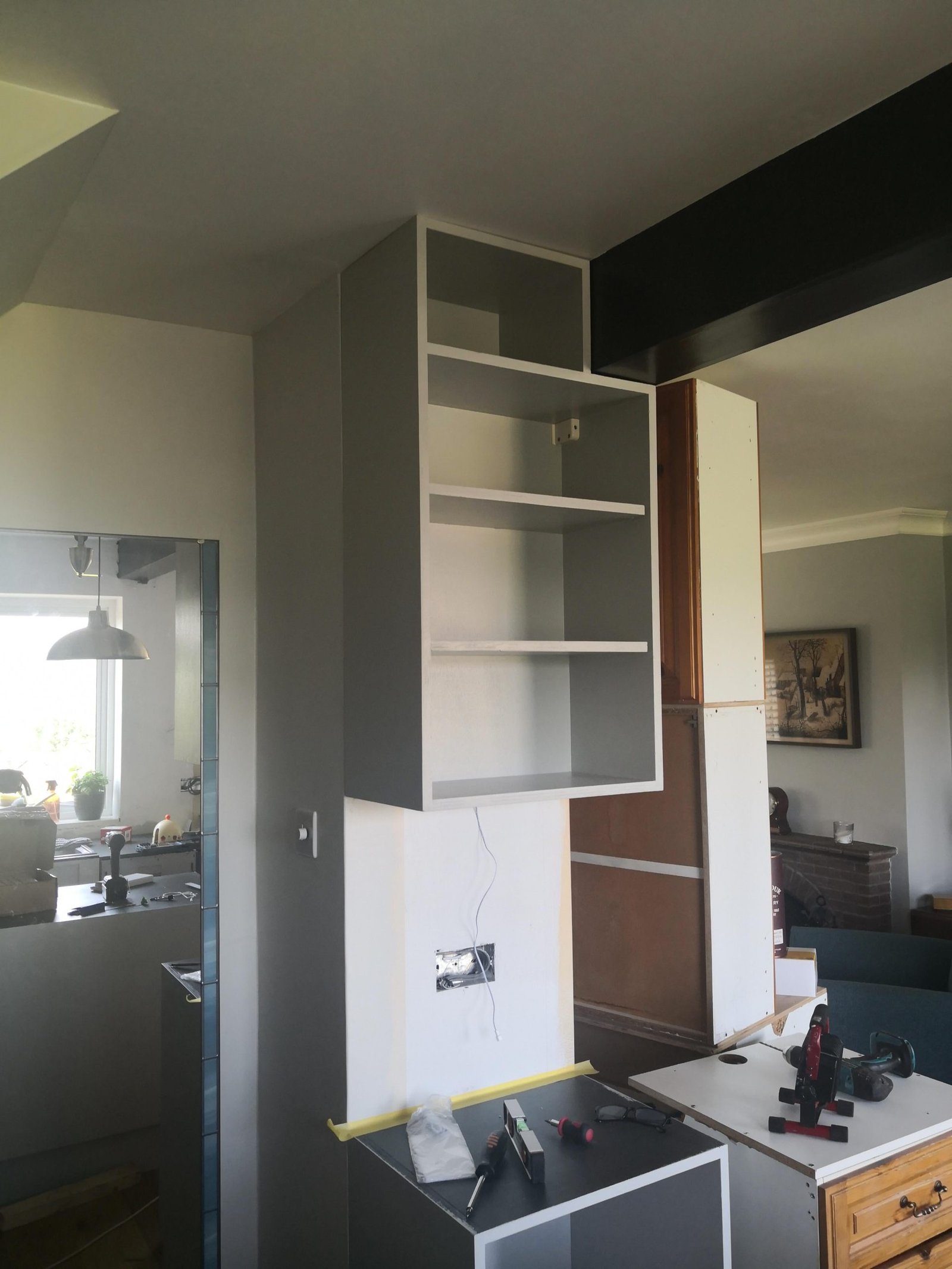
Detaching wall mounted kitchen cabinets requires care and the right tools. Cabinets are usually fixed with screws or bolts, making removal straightforward. Start by preparing the area and gathering a screwdriver or drill. Take your time to avoid damaging the wall or cabinet. Safety is important, so wear gloves and protect your eyes.
Use Screwdriver Or Drill
Locate the screws holding the cabinet to the wall. Screws are often inside the cabinet frame or along the edges. Use a screwdriver or a drill with a suitable bit to turn the screws counterclockwise. Keep the cabinet steady as you work to prevent it from falling. Remove each screw fully before trying to pull the cabinet away from the wall.
Handle Stubborn Fasteners
Some screws may be hard to remove if they are old or rusted. Apply a small amount of lubricant on the screw to loosen it. Let the lubricant sit for a few minutes. Use a drill with high torque to carefully remove the screw. If a screw is stripped, try using a rubber band for extra grip. Avoid forcing screws, as this can damage the wall or cabinet.
Remove Cabinets Safely
Removing wall mounted kitchen cabinets requires care and attention. Safety is key to avoid damage and injury. Proper support and handling make the process smooth and secure. Follow clear steps to keep the cabinets stable and protect yourself.
Support Cabinet Weight
Before loosening screws, hold the cabinet firmly. Use a helper or a sturdy prop to support its weight. This prevents the cabinet from falling suddenly. Check that the support is steady and placed correctly.
A strong brace or a wooden beam works well. Place it under the cabinet’s bottom edge. Keep your hands and body clear of pinch points. Taking this step protects you and the cabinet.
Lift And Set Aside
Once all screws and fasteners are removed, lift the cabinet carefully. Keep your back straight and bend your knees. Hold the cabinet close to your body for balance.
Move slowly to avoid hitting walls or counters. Set the cabinet down gently on a soft surface. Use blankets or foam to prevent scratches. Clear the area before moving cabinets to avoid tripping hazards.

Credit: www.familyhandyman.com
Repair Wall Surface
After removing your wall-mounted kitchen cabinets, the wall surface often looks rough and damaged. Fixing it properly is key to making your kitchen look fresh and clean again. Taking the time to repair the wall will save you from future headaches and give you a smooth canvas for painting or installing new fixtures.
Patch Holes
Start by examining the wall for any holes or dents left by screws and anchors. Use a putty knife to apply spackling compound or wall filler directly into the holes. Press firmly to fill the gaps completely and smooth the surface as much as possible.
Let the filler dry according to the product instructions. Sometimes it shrinks a little, so you might need to apply a second layer. Don’t rush this step—proper drying ensures a stronger, more even repair.
Sand And Paint
Once the filler is dry, gently sand the patched areas with fine-grit sandpaper. The goal is to make the patch level with the surrounding wall without leaving scratches. Run your hand over the surface to check for smoothness before moving on.
Next, clean off the dust with a damp cloth. Then, apply primer if needed, especially if the patched area is large or the wall has a glossy finish. Finally, paint over the repaired spots with matching wall paint to blend everything seamlessly.
Have you ever skipped sanding and ended up with uneven paint? Taking these few extra minutes ensures your wall looks flawless and ready for whatever comes next.
Frequently Asked Questions
How Do I Safely Remove Wall Mounted Kitchen Cabinets?
Turn off power near cabinets with electrical fixtures. Use a screwdriver to remove screws securing the cabinet. Carefully pry the cabinet from the wall, avoiding damage. Support the cabinet’s weight while detaching to prevent accidents.
What Tools Are Needed To Remove Kitchen Cabinets?
Essential tools include a screwdriver, pry bar, drill, and utility knife. A stud finder helps locate wall studs. Gloves and safety glasses protect during removal. Having a helper can make the process safer and easier.
Can I Reuse Kitchen Cabinets After Removal?
Yes, if cabinets remain undamaged and structurally sound. Carefully remove them to avoid cracks or breaks. Clean thoroughly before reinstalling or donating. Inspect for loose joints or hardware needing repair.
How Do I Handle Plumbing Or Electrical Fixtures During Removal?
Turn off water and electricity before starting. Disconnect plumbing fixtures carefully to avoid leaks. Label electrical wires and use proper tools to detach. Consult a professional if unsure about handling utilities.
Conclusion
Removing wall mounted kitchen cabinets can seem daunting. But it’s manageable. With the right tools and steps, you can do it. Safety should always be a priority. Wear protective gear and handle tools carefully. Follow the guide step-by-step for best results.
Don’t rush; take your time. Ask for help if needed. Two sets of hands make the job easier. After removal, clean the space thoroughly. Plan your next steps for the kitchen. New cabinets or a fresh look? The choice is yours.
Enjoy your revamped kitchen space!