How to Clean Old Grease off Kitchen Walls: Easy & Effective Tips
Are your kitchen walls covered in stubborn old grease that just won’t come off? You’re not alone.
Grease build-up not only makes your kitchen look dirty but can also attract more grime and even affect the air quality. The good news is, you don’t need expensive cleaners or special tools to get your walls sparkling again. You’ll discover simple, effective ways to remove that old grease quickly and safely.
Keep reading, and you’ll be amazed at how easy it is to bring your kitchen walls back to life.
Credit: www.fooddocs.com
Causes Of Grease Buildup
Grease buildup on kitchen walls happens gradually but can become a stubborn problem if ignored. Understanding what causes this buildup helps you tackle it more effectively. Let’s look at where the grease comes from and how it affects your kitchen walls over time.
Common Kitchen Sources
Grease mainly comes from cooking oils and fats released during frying, sautéing, and roasting. When you cook, tiny droplets of oil escape into the air and settle on nearby surfaces, including your walls.
Other contributors include steam mixed with grease particles, smoke, and even splatters from pans. If your kitchen lacks proper ventilation, these greasy particles hang around longer and stick to walls more easily.
- Frying and cooking with oils
- Cooking on high heat causing smoke and steam
- Using butter or animal fats
- Grease splatters from pots and pans
- Insufficient kitchen ventilation
Effects On Walls
Grease buildup makes walls look dull, sticky, and stained. It attracts dust and dirt, which worsens the appearance and makes cleaning harder. Over time, the grease can cause paint to peel or discolor.
Have you noticed how greasy walls often smell unpleasant? This odor lingers because grease traps food particles and bacteria. If you don’t clean it regularly, it can affect your kitchen’s air quality and hygiene.
Ignoring grease buildup might also damage your wall surfaces, leading to costly repairs. So, paying attention to these causes can save you time and money in the long run.
Essential Cleaning Tools
Cleaning old grease off kitchen walls needs the right tools to work well. Using proper equipment saves time and effort. It also protects your walls from damage. Gathering the essential cleaning tools first makes the process smoother.
Types Of Cleaners
- Degreasing sprays break down tough grease easily.
- Dish soap mixed with warm water offers gentle cleaning.
- Baking soda paste acts as a natural scrub for stubborn spots.
- Vinegar solutions help remove grease and disinfect surfaces.
Scrubbing Tools
- Soft sponges prevent wall surface scratches.
- Non-abrasive scrub brushes reach textured or uneven areas.
- Microfiber cloths absorb grease without spreading it around.
- Old toothbrushes clean corners and edges effectively.
Protective Gear
- Rubber gloves protect skin from harsh chemicals.
- Safety goggles keep cleaner splashes away from eyes.
- Old clothes or aprons prevent stains on your clothing.
- Ventilate the area well to avoid inhaling fumes.
Preparation Steps
Before diving into scrubbing those stubborn grease stains off your kitchen walls, it’s crucial to prepare your space and test your cleaning solutions properly. Preparation can save you time and prevent damage to your walls. Taking a few simple steps upfront sets you up for success and a cleaner kitchen.
Clearing The Area
Start by removing anything that could get in the way or be damaged by cleaning. Take down pictures, wall-mounted decorations, and kitchen utensils close to the greasy spots.
Cover your countertops and floors with old towels or plastic sheets to catch drips and protect surfaces. This also helps keep your cleaning process neat and stress-free.
Have your cleaning tools—like sponges, brushes, and cloths—within easy reach. This keeps you focused and prevents unnecessary interruptions.
Testing Cleaning Solutions
Not all cleaning solutions are safe for every wall surface. Before applying any cleaner broadly, test it on a small, hidden area of your wall.
Apply a small amount, wait for a few minutes, then wipe it off to check for discoloration or damage. This simple test can save you from costly repairs.
If your walls pass the test, you’re good to go. If not, look for gentler alternatives or homemade solutions like diluted vinegar or mild dish soap.
Effective Cleaning Methods
Old grease on kitchen walls can be tough to remove. It builds up over time and makes your kitchen look dirty. Choosing the right cleaning method helps restore your walls quickly. Use safe and effective ways to get rid of grease without harming the paint or wall surface.
Using Vinegar And Baking Soda
Vinegar and baking soda create a natural cleaning solution. Vinegar breaks down grease, while baking soda scrubs dirt away.
- Mix equal parts white vinegar and water in a spray bottle.
- Spray the solution on greasy areas and let it sit for 10 minutes.
- Sprinkle baking soda on a damp sponge and scrub gently.
- Wipe the wall with a clean, damp cloth to remove residue.
This method is gentle on walls and safe for most paints.
Commercial Degreasers
Commercial degreasers are designed to cut through tough grease fast. They often work better on thick, old stains.
- Choose a degreaser suitable for painted walls.
- Follow the label instructions carefully for safety.
- Apply the product to the greasy spots using a sponge or cloth.
- Allow it to sit a few minutes, then wipe clean with a damp cloth.
- Rinse the area with water to remove leftover chemicals.
Test the product on a small area before full use to avoid damage.
Steam Cleaning
Steam cleaning uses hot steam to loosen grease and grime. It works without harsh chemicals.
- Use a handheld steam cleaner or steam mop with a wall attachment.
- Hold the steam close to the wall but avoid soaking it.
- Move the steam cleaner slowly over greasy areas.
- Wipe the wall with a dry cloth to remove loosened dirt.
Steam cleaning is eco-friendly and safe for many wall surfaces.
Handling Stubborn Grease Spots
Stubborn grease spots on kitchen walls can be tough to remove. They often stay even after regular cleaning. These spots need special care and patience. Using the right methods helps avoid damage to the paint or wall surface. Focus on gentle but effective cleaning to restore your kitchen walls.
Repeated Cleaning Techniques
Sometimes, one cleaning is not enough for stubborn grease. Try cleaning the spot several times with warm, soapy water. Use a soft cloth or sponge to avoid scratching the wall. Let the cleaner sit for a few minutes before wiping. This helps break down the grease. Repeat this process until the stain fades. Avoid harsh scrubbing to protect the paint.
Using Magic Erasers
Magic erasers work well on tough grease stains. Wet the eraser slightly to activate it. Gently rub the grease spot using small circular motions. Test on a small hidden area first to check for paint damage. Stop if the paint starts to fade. Rinse the wall with clean water after using the eraser. Dry the surface with a soft towel to prevent streaks.
Preventing Future Grease Buildup
Preventing future grease buildup on your kitchen walls is key to keeping your cooking space fresh and easy to clean. Once you remove the old grease, the next step is to stop it from coming back. Small daily habits and smart adjustments can make a big difference in maintaining a grease-free kitchen.
Regular Maintenance Tips
Cleaning your kitchen walls regularly prevents grease from settling and hardening. Wiping down walls with a mild detergent or a vinegar-water solution after cooking can keep grease at bay.
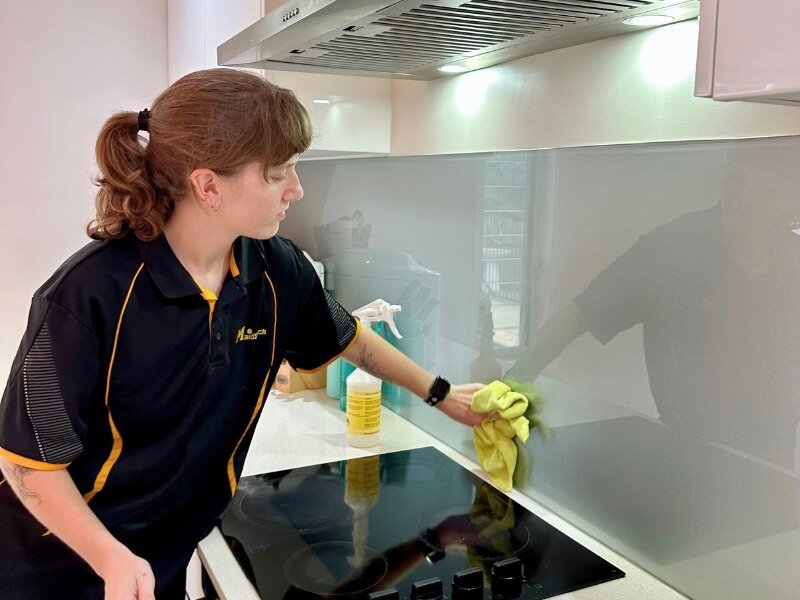
Try to clean the walls at least once a week, especially around the stove and cooking areas. A microfiber cloth works great because it traps grease without spreading it around.
- Keep a spray bottle with a gentle cleaner handy.
- Wipe splatters immediately after cooking.
- Don’t forget to clean behind appliances occasionally.
Have you noticed how a quick wipe after cooking saves hours of scrubbing later? It’s a simple habit that pays off fast.
Ventilation Improvement
Good ventilation helps remove grease particles from the air before they settle on your walls. Installing or upgrading your kitchen hood fan can drastically reduce grease buildup.
If your kitchen lacks proper airflow, consider adding an exhaust fan or opening windows during cooking. This moves greasy steam outside, not onto your walls.
- Check if your hood fan is powerful enough for your stove.
- Clean the fan filters regularly to keep them effective.
- Use a timer on your exhaust fan to run it a few minutes after cooking.
Have you ever felt the difference in air quality after turning on your kitchen fan? That fresh airflow is your best defense against sticky grease.
Safety Tips During Cleaning
Cleaning old grease off kitchen walls can be tough work, but it’s important to prioritize safety while you do it. Grease cleaners often contain strong chemicals that can irritate your skin, eyes, or lungs if you’re not careful. Taking the right safety measures helps protect your health and keeps your walls looking great without damage.
Ventilation And Protective Measures
Always open windows and doors to let fresh air circulate while cleaning. Good ventilation reduces the buildup of fumes from cleaning products, making the process safer and more comfortable. If your kitchen doesn’t have good airflow, consider using a fan to help move the air around.
Wear gloves to protect your hands from harsh chemicals and greasy residue. I once skipped gloves and ended up with itchy skin that took days to heal—don’t make the same mistake. Eye protection is also important, especially if you’re spraying cleaners; goggles or safety glasses can prevent accidental splashes from causing irritation.
Avoiding Damage To Wall Surfaces
Not all wall surfaces react the same way to cleaning agents. Test any cleaner on a small hidden spot first to check for discoloration or peeling paint. This simple step saved me from ruining a freshly painted wall during one cleaning session.
Use gentle tools like soft sponges or microfiber cloths instead of abrasive scrubbers. Rough materials can scratch or damage the wall finish, making the problem worse. If your wall has wallpaper or delicate paint, opt for mild, non-abrasive cleaners and avoid soaking the surface to prevent peeling or bubbling.

Credit: www.youtube.com

Credit: www.thekitchn.com
Frequently Asked Questions
How Do I Remove Stubborn Grease Stains?
To remove stubborn grease stains, use a mixture of baking soda and water. Apply the paste to the stain, let it sit for 15 minutes, and scrub with a soft cloth. Rinse with warm water to remove any residue.
Can Vinegar Clean Kitchen Grease Effectively?
Yes, vinegar is effective for cleaning kitchen grease. Mix equal parts of vinegar and water in a spray bottle. Spray the solution onto the greasy area and wipe with a damp cloth. The acidity in vinegar helps break down grease effectively.
What Household Products Remove Grease From Walls?
Household products like baking soda, vinegar, and dish soap can remove grease. Baking soda and water paste, vinegar-water spray, or a few drops of dish soap in warm water can effectively tackle grease. Gently scrub with a soft cloth for best results.
Is It Safe To Use Baking Soda On Painted Walls?
Yes, it is safe to use baking soda on painted walls. Baking soda is a mild abrasive, making it effective yet gentle for cleaning. Always test a small area first to ensure it doesn’t damage the paint.
Conclusion
Cleaning old grease from kitchen walls is simple with the right steps. Use gentle cleaners and soft cloths to avoid damage. Regular cleaning keeps your kitchen fresh and bright. Don’t let grease build up over time. Try these tips to make your walls look like new.
A clean kitchen feels more welcoming and healthy. Start small and work carefully for best results. Your walls will thank you.