How to Mount Kitchen Wall Cabinets: Easy Steps for Perfect Installation
Are you ready to transform your kitchen and add valuable storage space? Mounting wall cabinets might seem tricky, but with the right steps, you can do it yourself and save money.
Imagine having sturdy, perfectly aligned cabinets that make your kitchen look neat and organized. In this guide, you will learn simple, clear instructions to mount your kitchen wall cabinets safely and efficiently. Keep reading—you’re just a few easy steps away from giving your kitchen a fresh, new look!

Credit: www.youtube.com
Preparing The Space
Preparing the space before mounting kitchen wall cabinets is key for a smooth installation. This stage ensures safety and precision. It sets the foundation for the entire project. Taking time to prepare prevents mistakes and damage.
Start by organizing the area and making sure you have a clean, clear workspace. Then, measure the wall carefully to know the exact size and shape. Finally, find the wall studs. Cabinets must be anchored to these solid points for strong support.
Clearing The Area
Remove all items from the countertop and nearby shelves. Clear away furniture or appliances that could get in the way. Sweep the floor to avoid slipping or tripping hazards. A tidy workspace helps you move freely and focus on the task.
Measuring Wall Dimensions
Use a tape measure to get the width and height of the wall. Measure from floor to ceiling and side to side. Mark key points with a pencil for cabinet placement. Double-check measurements to avoid errors during installation.
Locating Wall Studs
Wall studs provide the strongest support for cabinets. Use a stud finder to locate them behind the drywall. Mark each stud with a pencil along the wall. Studs usually sit 16 or 24 inches apart. Secure cabinets only into these solid points for safety and durability.
Gathering Tools And Materials
Before you start mounting your kitchen wall cabinets, gathering the right tools and materials is crucial. Having everything on hand saves time and prevents frustrating interruptions. It also ensures you can work safely and efficiently, which makes the whole process smoother.
Essential Tools
Make sure you have a reliable drill with multiple drill bits. A stud finder is indispensable for locating wall studs to securely anchor your cabinets. Don’t forget a level to keep your cabinets perfectly straight—crooked cabinets can ruin your kitchen’s look.
- Power drill with drill bits
- Stud finder
- Level (preferably a laser level)
- Measuring tape
- Clamps to hold cabinets while fastening
- Screwdriver (manual or electric)
- Pencil for marking
I once tried installing cabinets without clamps and spent extra hours adjusting them. Trust me, clamps are a small investment that saves a lot of hassle.
Required Hardware
The hardware you use must be appropriate for your wall type and cabinet weight. Heavy-duty screws or lag bolts work best for stud mounting. If mounting on drywall without studs, toggle bolts or anchors designed for heavy loads are necessary.
| Hardware | Use Case |
|---|---|
| 3-inch wood screws | Securing cabinets into wood studs |
| Toggle bolts | Mounting on drywall without studs |
| Metal brackets | Extra support under cabinets if needed |
Choosing the wrong screws once cost me a cabinet falling off the wall. Always check your wall type and pick hardware accordingly.
Safety Equipment
Safety might be overlooked when you’re eager to get started. Protect your eyes with safety glasses. Gloves can protect your hands from splinters and sharp edges.
- Safety glasses
- Work gloves
- Dust mask if drilling into drywall or plaster
- Hearing protection when using loud tools
Have you ever had a drill bit slip? Wearing safety gear prevents injuries that could delay your project or worse. Prioritize your safety before anything else.
Marking Cabinet Placement
Marking the placement of your kitchen wall cabinets is a crucial step that sets the foundation for a smooth installation. Accurate marks ensure your cabinets hang straight, align perfectly, and are securely anchored. Taking your time here saves you from costly adjustments later.
Setting Height Guidelines
Start by deciding how high you want your cabinets to sit above the countertop. A common height is 54 inches from the floor to the bottom of the cabinet, but this can vary based on your kitchen layout and ceiling height.
Use a tape measure to mark this height on the wall at several points along the cabinet run. These marks will guide the overall cabinet placement and ensure consistency.
Drawing Level Lines
Once you have your height marks, use a level to draw a straight, horizontal line connecting them. This line acts as a visual guide to hang your cabinets evenly.
Don’t rely on just one mark; the level line helps avoid cabinets slanting downward or upward. If your walls are uneven, this line will help you adjust for a professional look.
Marking Stud Locations
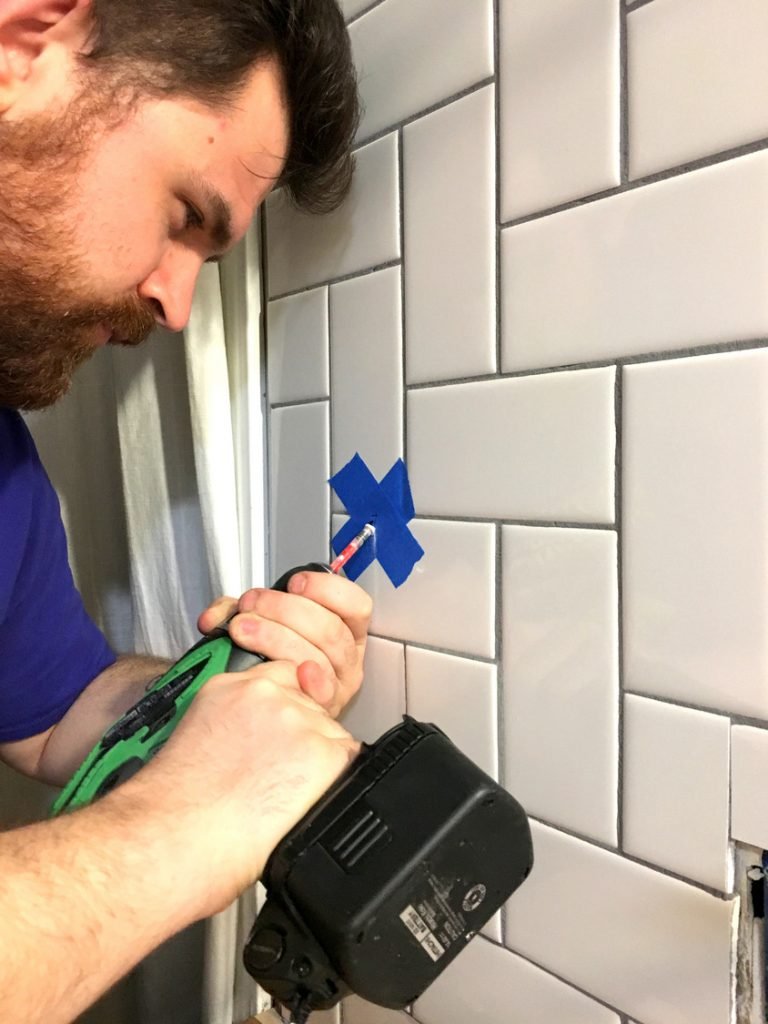
Finding and marking studs is essential for securing your cabinets safely. Use a stud finder to locate the studs along the wall where the cabinets will be installed.
Mark each stud with a pencil at the level line you drew earlier. These marks show where you’ll drill screws to ensure your cabinets are firmly attached.
Have you ever struggled with cabinets that felt loose or unsafe? Missing the studs during installation is often the cause. Take the time to mark these spots carefully, and your cabinets will stay put for years.

Credit: www.familyhandyman.com
Securing The Cabinets
Securing kitchen wall cabinets is a crucial step that ensures your cabinets stay firmly in place for years. If cabinets aren’t properly secured, they can shift, causing damage or even falling. Taking the time to do this right will save you from future headaches and keep your kitchen looking sharp and safe.
Lifting Cabinets Safely
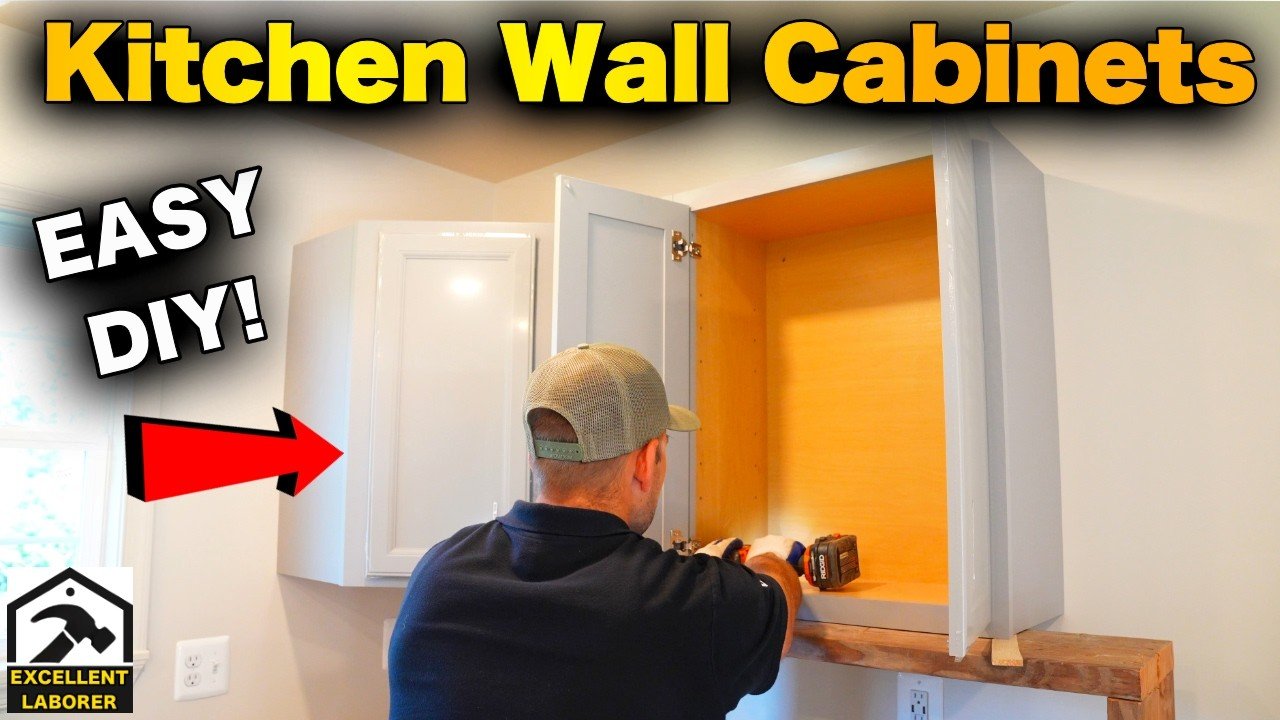
Before you start, make sure you have a helper. Cabinets can be heavy and awkward to handle alone, increasing the risk of injury or damage. Use a sturdy step stool or ladder to reach the mounting height comfortably.
Hold the cabinet level and steady as you lift it onto the wall. If you’ve pre-installed temporary supports or cleats, rest the cabinet on them to free your hands for securing screws. This small trick makes the process much safer and easier.
Aligning Cabinets On Wall
Take a moment to check that your cabinet is perfectly level and aligned with any adjacent cabinets. Use a level tool horizontally and vertically to avoid any tilting that could cause doors to swing open or uneven gaps.
Adjust the cabinet position by gently shifting it side to side or tilting slightly until it lines up with your markings or reference points. Have you ever noticed how a tiny misalignment can become very obvious later? Catching it now saves a lot of frustration.
Attaching Cabinets To Studs
Securing cabinets to wall studs is essential for strength. Use a stud finder to locate the studs behind your drywall if you haven’t marked them yet. Screwing directly into studs ensures your cabinets won’t pull away from the wall under weight.
Drive long, sturdy screws through the cabinet’s mounting rail into each stud you’ve located. Tighten them firmly but avoid overtightening, which can damage the cabinet. If your cabinets are particularly heavy, consider using additional brackets or anchors for extra support.
Joining Multiple Cabinets
Joining multiple kitchen wall cabinets securely and neatly is key to creating a seamless look. When cabinets are mounted side by side, they should align perfectly without gaps or uneven edges. This process requires careful clamping, screwing, and constant checking to ensure your kitchen looks professional and functions well.
Clamping Cabinets Together
Start by positioning the cabinets side by side on a flat surface. Use clamps to hold the cabinet edges tightly together. This prevents any shifting while you work and helps maintain a flush seam between them.
Choose clamps that are easy to adjust and strong enough to keep the cabinets steady. You might need to swap them out if the cabinets are heavy or if the edges don’t align right away. Have you noticed how even a small gap can make the whole installation look off? Clamping solves that problem early.
Screwing Cabinets Side By Side
Once the cabinets are clamped, drill pilot holes through the cabinet sides to avoid splitting the wood. Use long screws designed for cabinet assembly to join the cabinets securely. Drive the screws slowly to keep the cabinets flush and avoid pushing them apart.
Be careful to place screws where they won’t damage the cabinet’s interior or interfere with shelving. If the cabinets have face frames, screw through the frames for extra strength. This step not only holds the cabinets together but also strengthens the entire installation.
Checking For Level And Alignment
After screwing, double-check the cabinets for level and alignment. Use a carpenter’s level horizontally and vertically along the joined cabinets. Make adjustments by loosening screws slightly and repositioning if needed.
Look closely at the cabinet fronts—are the doors and drawer fronts lining up smoothly? You want no gaps or uneven edges that catch your eye. Taking this extra moment ensures your kitchen cabinets look polished and work perfectly, saving you from future headaches.
Finishing Touches
Finishing touches can make or break the look and function of your kitchen wall cabinets. After the heavy lifting of mounting, these final steps add polish and ensure everything works smoothly. Paying attention here saves you from future headaches and gives your kitchen that professional feel.
Installing Doors And Hardware
Attach the cabinet doors carefully to avoid misalignment. Use a level and adjust the hinges so the doors sit flush and open without sticking. Installing handles or knobs last lets you see exactly where they feel most comfortable to use.
Think about your daily kitchen habits. Would you prefer handles that are easy to grab with a full hand or simple knobs for quick access? Your choice affects usability more than you might expect.
Sealing Gaps
Small gaps between the cabinets and walls or ceiling can let dust and moisture sneak in. Use paintable caulk to seal these spaces neatly. This step not only improves appearance but also protects your cabinets in the long run.
Check for uneven edges or tiny spaces after mounting. Even a thin bead of caulk, smoothed with a damp finger, can make the installation look seamless and last longer.
Cleaning Up Workspace
Remove dust, wood shavings, and any leftover screws from your workspace immediately. A clean area prevents accidents and lets you spot any missed adjustments. Use a vacuum and a damp cloth to get rid of fine dust.
Have you noticed how a tidy workspace makes the finishing process feel less stressful? Taking a few extra minutes here makes your kitchen ready to use and enjoy without delay.
Troubleshooting Common Issues
Mounting kitchen wall cabinets can be tricky, and even small mistakes show quickly. You might notice doors that don’t close right or cabinets that don’t sit flush against the wall. These issues can be frustrating, but they’re fixable with the right approach and tools.
Fixing Uneven Cabinets
Uneven cabinets often result from walls that aren’t perfectly straight or from inaccurate measurements. Start by checking your level across the cabinet face and between adjacent cabinets. If you spot gaps or tilts, use shims behind the cabinet to create a flat surface against the wall.
Don’t rush to drill new holes immediately. Adjusting with shims is less invasive and often solves the problem quickly. If the problem persists, double-check your stud placements to ensure the cabinet is anchored securely and evenly.
Reinforcing Weak Attachments
Cabinets that feel loose or pull away from the wall indicate weak attachments. First, verify that you’re screwing into studs, not just drywall. Drywall anchors won’t hold the weight of a loaded cabinet.
If you missed a stud, add a horizontal wooden cleat between studs to create a solid backing. Then, screw the cabinet into the cleat for extra support. Using longer, thicker screws designed for cabinet installation also makes a big difference in strength and stability.
Adjusting Door Alignment
Doors that don’t line up or rub against each other can ruin the look of your cabinets. Most hinges have small screws to adjust the door side-to-side, up-and-down, or in-and-out. Take your time tweaking these to get perfect gaps and smooth operation.
If adjusting the hinges doesn’t fix the problem, check that the cabinet box itself is square. Sometimes the frame can be slightly warped, and you might need to loosen screws, reposition, and retighten. Have you noticed how tiny shifts in door alignment can affect the entire kitchen’s feel? Small fixes here create a big impact.

Credit: www.create-enjoy.com
Frequently Asked Questions
How Do I Start Mounting Kitchen Wall Cabinets?
Begin by locating the wall studs using a stud finder. Mark their positions for secure cabinet installation. Then, measure and mark the desired height for the cabinets. It’s crucial to have a helper for support. Install the ledger board to temporarily hold the cabinets during installation.
What Tools Do I Need For Mounting Cabinets?
You’ll need a drill, level, stud finder, tape measure, and screwdriver. Additionally, have a pencil for marking, clamps for stability, and safety goggles. These tools ensure a smooth and safe installation process, helping you achieve a professional-looking result.
How To Ensure Cabinets Are Level?
Use a carpenter’s level to check the alignment. Adjust as necessary before securing the cabinets. Installing a ledger board can help maintain level during installation. Consistently check after securing each cabinet to maintain a uniform appearance across the kitchen.
Can I Mount Cabinets Alone?
It’s possible but not recommended. Cabinets can be heavy and awkward to handle alone. Having an extra pair of hands ensures safety and precision. If working alone, consider using cabinet jacks or a temporary ledger board for support.
Conclusion
Mounting kitchen wall cabinets takes careful steps and patience. Start by measuring and marking the wall clearly. Use a level to keep cabinets straight and secure them firmly to studs. Take your time with each cabinet to avoid mistakes. Proper tools make the job easier and safer.
Once installed, your kitchen looks neat and organized. Enjoy the extra storage and a fresh kitchen feel. This simple project improves your home’s function and style. You can do it!