How to Keep a Lunch Box Cold: Easy Tips for Fresh Meals
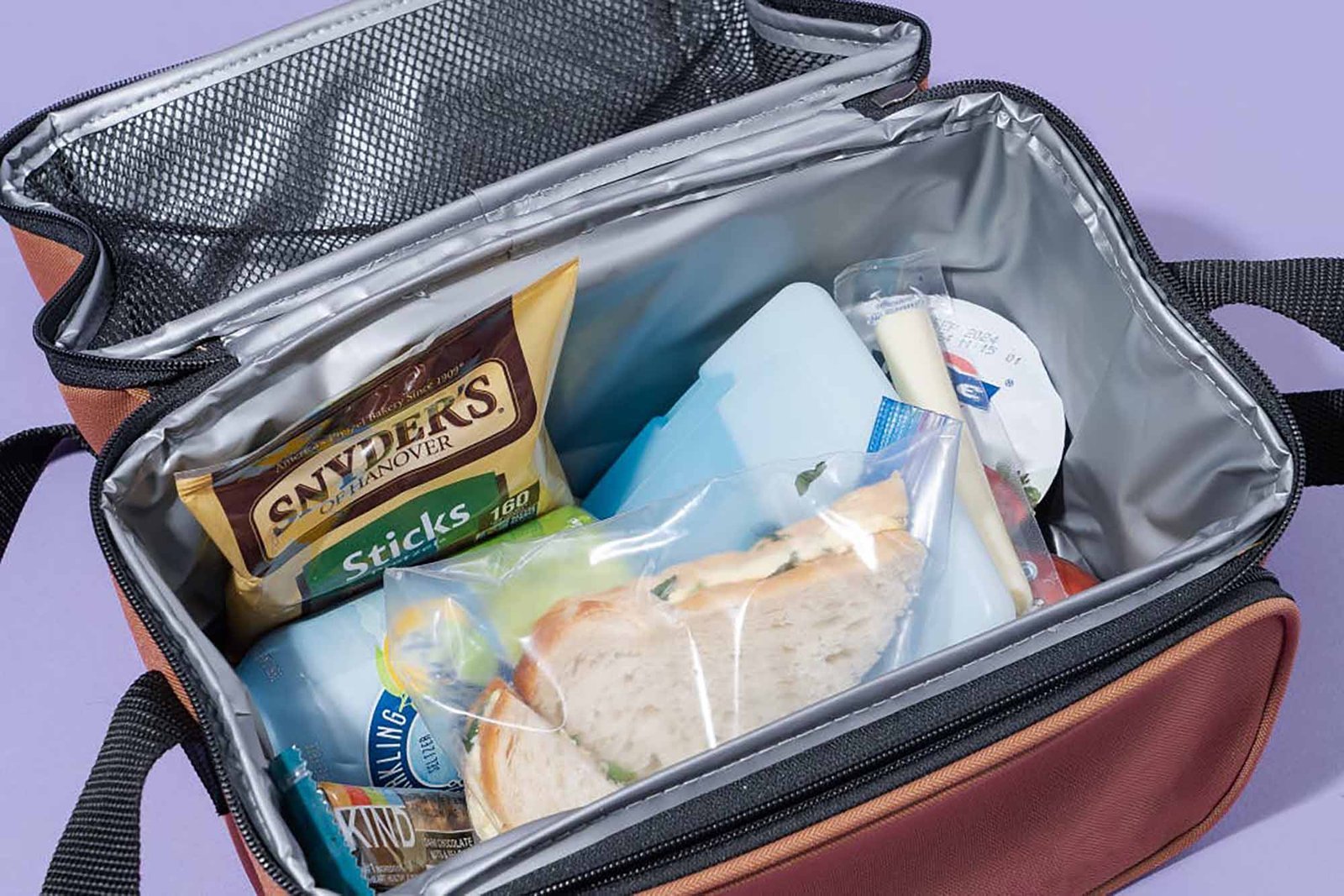
Do you ever open your lunch box only to find your carefully packed meal has turned lukewarm? Keeping your lunch cold is not just about enjoying fresh food; it’s also crucial for maintaining food safety.
No one wants to risk a bout of food poisoning from a warm chicken salad. Imagine reaching for your lunch and finding it just as crisp and cool as when you packed it. Sounds ideal, right? In this guide, you’ll discover simple yet effective tips to ensure your lunch stays cold and safe to eat.
Stick around, because your lunch is about to get a refreshing upgrade!
Choose The Right Lunch Box
Choosing the right lunch box can make a big difference in keeping your food fresh and cold throughout the day. It’s not just about style or size; the design and material play key roles in temperature retention. Let’s look at what features you should prioritize to keep your lunch cool and enjoyable.
Insulated Lunch Boxes
Insulation is the most important feature for keeping your lunch cold. Look for lunch boxes with thick insulation layers made from materials like foam or gel. These help trap cold air inside and prevent heat from seeping in.
I once used a regular plastic container that left my yogurt warm by lunchtime. Switching to an insulated lunch box made a noticeable difference—the yogurt stayed chilled and fresh much longer.
Material Matters
The type of material affects both insulation and durability. Stainless steel lunch boxes are excellent at keeping food cold and are easy to clean. On the other hand, high-quality BPA-free plastic can be lightweight but may not retain cold as long.
Consider a lunch box with a waterproof lining to prevent leaks and keep moisture away from your food. This small detail can save your bag and keep your lunch safer.
Size And Compartments
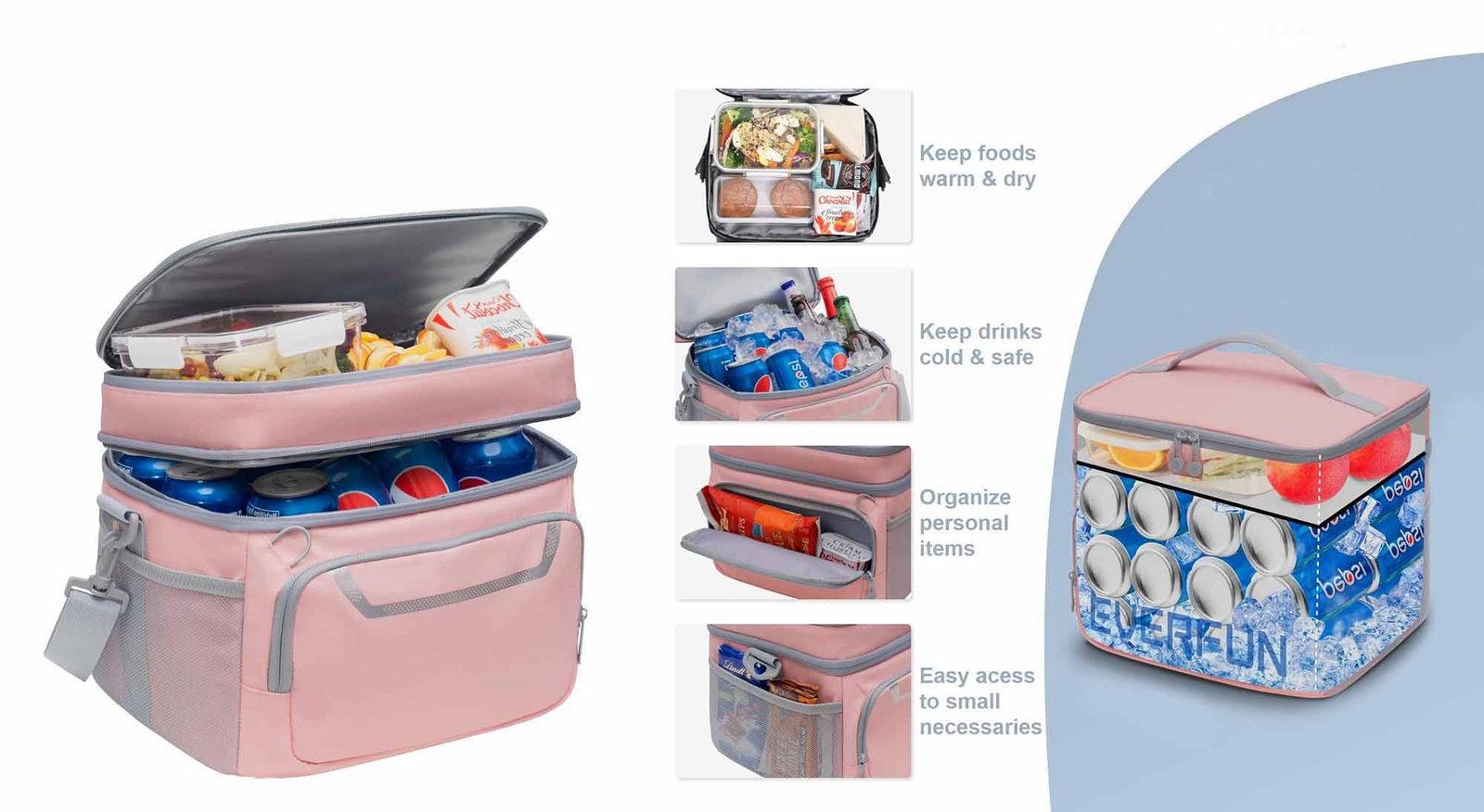
Choosing the right size matters because too much empty space can let cold air escape quickly. Opt for a lunch box that fits your food snugly without cramming it.
Compartments help separate different foods, preventing mixing and keeping items like salads crisp. Plus, compartments make it easier to add ice packs or frozen gel packs strategically, enhancing the cooling effect.
Ask yourself: Does your current lunch box hold your food securely and fit your cooling packs well? If not, it might be time to upgrade.
Credit: coraggiobag.com
Use Ice Packs Effectively
Keeping your lunch box cold is easier with ice packs. They help keep food fresh and safe. Using ice packs correctly can make a big difference. This section explains different types of ice packs, how to place them, and which kind to choose.
Types Of Ice Packs
- Gel Packs:Flexible and stay cold for hours.
- Hard Ice Packs:Solid and last longer but less flexible.
- Instant Ice Packs:Use chemicals to get cold fast. Good for emergencies.
- Homemade Ice Packs:Use frozen water bottles or bags of ice cubes.
Placement Tips
Place ice packs close to the food for better cooling. Put one at the bottom and one on top if possible. Avoid direct contact with delicate items like bread to stop sogginess. Wrap ice packs in a thin cloth to protect food from frost. Keep the lunch box closed tightly to keep the cold air inside.
Reusable Vs Disposable
| Type | Pros | Cons |
|---|---|---|
| Reusable | Cost-effective and eco-friendly. Can use many times. | Needs freezing before use. May wear out over time. |
| Disposable | Convenient for one-time use. No need to freeze. | More waste. Usually more expensive long-term. |
Pre-chill Your Lunch Box
Keeping your lunch box cold starts before you pack your food. Pre-chilling your lunch box helps keep meals fresh and safe. It creates a cool environment inside the container. This simple step can make a big difference during warm days.
Benefits Of Pre-chilling
- Maintains a low temperature for longer periods.
- Prevents food from warming up quickly.
- Reduces the risk of bacteria growth.
- Helps keep delicate items like yogurt and salads fresh.
- Improves overall taste and texture of cold meals.
How To Pre-chill Properly
- Place the empty lunch box in the refrigerator for at least 30 minutes.
- Use the freezer for a quick chill, about 10-15 minutes, but don’t freeze it solid.
- Keep the lid off or slightly open to let cold air circulate inside.
- Pre-chill any ice packs or cold packs before placing them inside the lunch box.
- Pack your lunch immediately after pre-chilling to keep the temperature low.
Pack Cold Foods Wisely
Packing cold foods smartly is key to keeping your lunch box fresh and cool. Choosing the right ingredients and packing them carefully helps maintain the chill. Small actions make a big difference in keeping food safe and tasty until lunchtime.
Choose Fresh Ingredients
Select fresh fruits and vegetables with high water content. Items like cucumbers, berries, and lettuce stay crisp longer. Avoid ingredients that spoil quickly or lose texture fast. Fresh ingredients keep the lunch box cool naturally.
Avoid Heat Sources
Keep cold foods away from warm items. Do not pack hot meals or warm snacks in the same box. Warm foods raise the temperature inside, risking food safety. Use separate containers or packs to prevent heat transfer.
Keep Moisture In Check
Too much moisture can make food soggy and spoil faster. Use paper towels or small absorbent pads inside the lunch box. Wrap wet foods separately to stop moisture from spreading. Dry foods stay fresh longer and keep the lunch cool.
Consider Frozen Water Bottles
Keeping your lunch box cold can be tricky, especially on warm days or when you don’t have access to a fridge. Frozen water bottles offer a simple and effective solution. Not only do they keep your food chilled, but they also serve another purpose that can make your lunch experience more enjoyable and convenient.
Dual Purpose Cooling
Frozen water bottles act as natural ice packs. They keep your lunch cold without the mess of melting ice cubes. Once lunchtime arrives, you also get a refreshing drink as the bottle thaws.
This dual purpose saves space in your bag since you don’t need separate ice packs and water bottles. Plus, it’s a great way to stay hydrated throughout the day. Have you ever noticed how carrying two items takes up more room and adds weight? Using frozen water bottles solves that problem neatly.
Placement For Maximum Effect
Where you place the frozen bottle inside your lunch box affects how well it keeps everything cool. Ideally, position it next to perishable items like sandwiches or salads. This direct contact helps keep those foods colder longer.
If your lunch box has compartments, put the bottle in the main section. Avoid placing it near the lid since cold air sinks and will stay better around your food. Also, try wrapping the bottle in a thin cloth to prevent condensation from dripping inside your lunch box.
Have you tried shifting the bottle’s position during the day to see if it makes a difference? Small tweaks like this can improve cooling without extra effort.

Credit: www.gentlepk.com
Store Lunch Boxes Correctly
Storing lunch boxes correctly plays a big role in keeping food fresh and cold. Proper storage stops bacteria growth and keeps meals safe to eat. Simple storage habits can extend the freshness of your food and keep it tasty throughout the day.
Use Refrigeration When Possible
Placing lunch boxes in the refrigerator is the best way to keep food cold. Refrigeration slows down bacteria growth and keeps food fresh longer. If you pack your lunch the night before, store it in the fridge until it is time to leave.
Using a fridge at work or school can also help maintain cold temperatures. Make sure your lunch box fits and is sealed tightly to avoid spills or smells.
Avoid Direct Sunlight
Sunlight quickly warms up food and spoils it faster. Always keep lunch boxes out of windows or places where the sun shines directly. This simple step helps keep the food cold and safe.
Find shaded or covered spots to place your lunch box during the day. Even a small bit of shade can make a big difference in temperature.
Keep In Cool Spots
Choose cool areas to store lunch boxes if refrigeration is not available. Spots like air-conditioned rooms or cool corners work well. Avoid leaving lunch boxes near heat sources like ovens or heaters.
Using an insulated lunch bag can also help maintain cooler temperatures. Fill it with ice packs or frozen gel packs to keep food cold for hours.
Additional Cooling Hacks
Keeping your lunch box cold throughout the day can be a challenge, especially when you’re on the go. Beyond the usual ice packs, there are clever tricks you can try to maintain that refreshing chill. These additional cooling hacks can make a real difference in keeping your meal fresh and enjoyable.
Use Frozen Grapes Or Veggies
Frozen grapes or veggies act like natural ice packs. They stay cold longer and slowly thaw, keeping your lunch cool without watering it down. Plus, once they thaw, they become a tasty, refreshing snack or side.
Have you ever tried frozen cucumber slices or carrot sticks? They not only keep your food cold but add a crisp texture to your meal. This simple hack saves space and adds a burst of flavor.
Wrap With Aluminum Foil
Aluminum foil reflects heat, helping keep your lunch box cooler for longer. Wrapping your food or even the entire lunch box in foil creates an extra barrier against outside warmth. This is especially helpful on hot days or during outdoor activities.
Try combining foil wrapping with an ice pack for a double layer of protection. You might be surprised how much longer your food stays chilled with this easy trick.
Use Cooling Towels
Cooling towels aren’t just for workouts—they can also help keep your lunch box cold. Wet a cooling towel, wring it out, and wrap it around your lunch container. As the water evaporates, it pulls heat away, lowering the temperature inside.
This method is lightweight and reusable, perfect if you don’t want to carry bulky ice packs. Have you ever noticed how your skin feels cooler after using a damp towel? The same principle keeps your lunch fresh.

Credit: happymoneysaver.com
Frequently Asked Questions
How Can I Keep My Lunch Box Cold All Day?
Use ice packs or frozen gel packs inside the lunch box. Insulated containers help maintain low temperatures longer. Store the lunch box in a cool, shaded place. Avoid opening it frequently to keep the cold air inside.
What Are The Best Lunch Boxes For Keeping Food Cold?
Look for lunch boxes with built-in insulation and compartments for ice packs. Stainless steel or hard plastic models with good seals work well. Choose ones designed specifically for temperature control to ensure freshness and safety.
Can I Use Frozen Water Bottles To Keep Lunch Cold?
Yes, frozen water bottles act as effective ice packs. They keep the lunch box cold and provide a refreshing drink as they thaw. Use bottles that fit well inside your lunch container to maximize cooling.
How Long Can A Lunch Box Stay Cold With Ice Packs?
A lunch box with quality ice packs can stay cold for 4 to 6 hours. Insulated containers and minimal opening extend cooling time. For longer durations, use multiple ice packs or a cooler bag.
Conclusion
Keeping a lunch box cold is simple with the right steps. Use ice packs or frozen gel packs to stay cool. Choose insulated lunch bags for better temperature control. Pack foods that handle cold well and avoid warm items. Check the lunch box before leaving to ensure it is sealed tight.
These easy tips help keep your food fresh and safe to eat. Enjoy your cold lunch anywhere, anytime. Stay prepared and keep your meals tasty all day long.

Sophia Martinez is a culinary lifestyle writer and product reviewer for DiningGadgets.com. Passionate about blending style with functionality, she explores the latest dining essentials, kitchen décor, and cleaning hacks that transform everyday cooking spaces. With a background in home organization and design, Sophia brings readers expert advice on creating beautiful, practical kitchens that truly feel like the heart of the home.