How to Keep Lunch Hot in Lunch Box: Easy Tips That Work!
Are you tired of opening your lunch box only to find a lukewarm meal instead of the piping hot dish you anticipated? Keeping your lunch hot can be a tricky challenge, especially if you’re busy with work, school, or other activities.
Imagine savoring a delicious, warm meal right in the middle of your day, giving you that comforting, home-cooked feel no matter where you are. This simple pleasure can boost your mood and energy levels, making your day much more enjoyable.
In this blog post, you’ll discover effective strategies and tips to keep your lunch hot in your lunch box, ensuring that your meals are as delightful as they are when they leave your kitchen. Keep reading to unlock the secrets of maintaining the perfect lunch temperature, and transform your everyday lunch experience!

Credit: www.goodhousekeeping.com
Choose The Right Lunch Box
Choosing the right lunch box plays a big role in keeping your food hot. A good lunch box holds heat well and stops your meal from cooling down quickly. Not all lunch boxes are the same. Some are better at keeping food warm than others.
Consider the type and material of the lunch box. These factors affect heat retention. Picking the right lunch box means your lunch stays warm until you eat it.
Insulated Lunch Boxes
Insulated lunch boxes have layers that trap heat inside. The insulation slows down heat loss. They keep your food warm for hours. Many insulated lunch boxes have a soft or hard shell with a thick lining inside. This lining keeps warmth sealed in. A zipper or tight lid helps keep the heat from escaping.
Thermal Containers
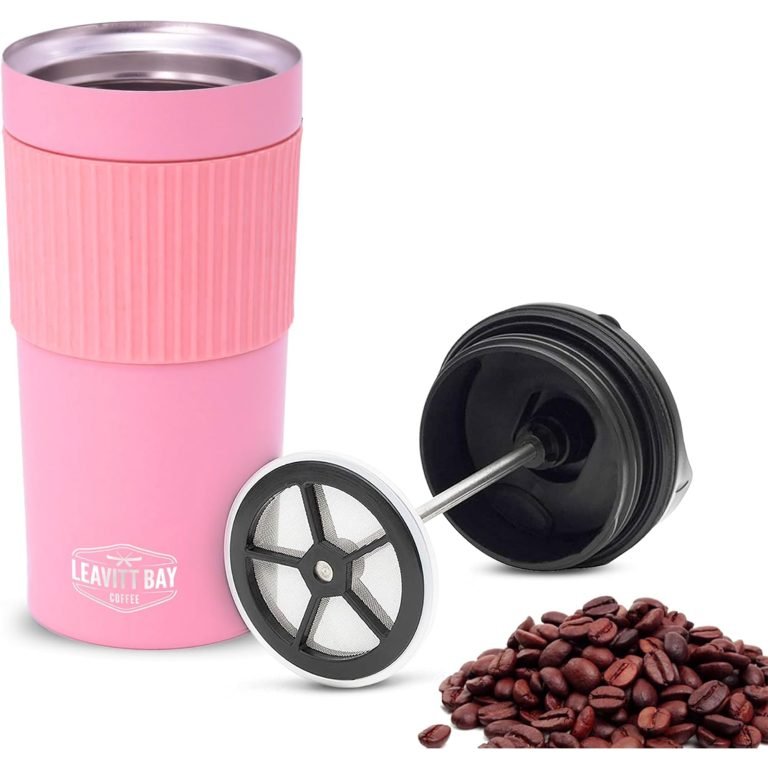
Thermal containers are perfect for soups and hot meals. These containers are like small thermos bottles. They use vacuum sealing to lock in heat. The air between the walls is removed to stop heat from escaping. Thermal containers keep liquids hot for many hours. They are easy to carry and leak-proof. This makes them great for hot lunches on the go.
Material Matters
The material of your lunch box affects heat retention. Metal lunch boxes, especially stainless steel, hold heat well. Plastic lunch boxes can be insulated but usually don’t keep food hot as long. Silicone and fabric lunch bags offer some insulation but are best for short times. Choose a lunch box made of materials that trap heat efficiently. This helps keep your food warm until lunchtime.

Credit: www.goodhousekeeping.com
Preheat Your Lunch Box
Keeping your lunch hot starts before packing the food. Preheating your lunch box helps maintain warmth longer. This simple step reduces heat loss and keeps meals enjoyable. Two easy ways to preheat your lunch box work well and save time.
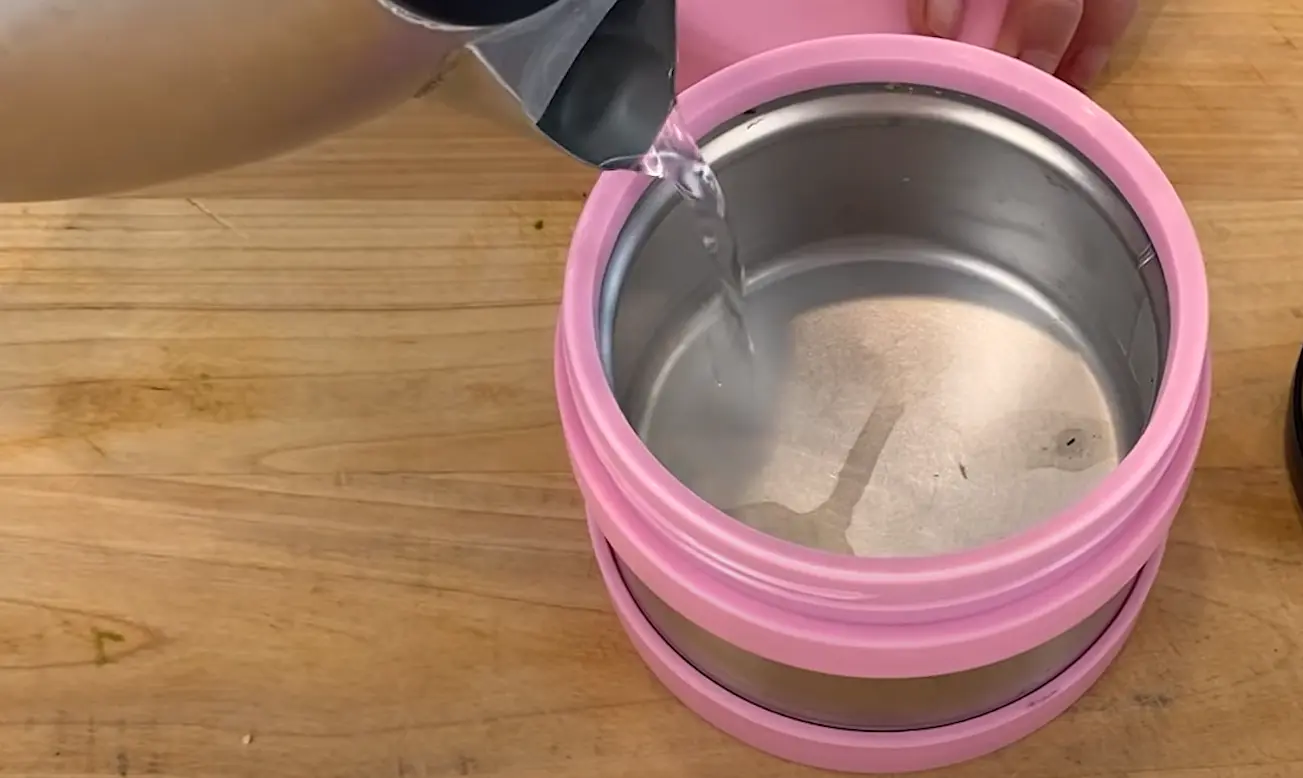
Warm Water Method
Fill your lunch box with hot water. Let it sit for a few minutes. The heat warms the inside walls of the box. Pour out the water before adding your food. This makes the lunch box warm and ready. It helps your food stay hot longer during the day.
Microwave Tips
Check if your lunch box is microwave-safe. Heat it empty in the microwave for 30 seconds. This warms the container evenly. Be careful not to overheat or melt plastic boxes. Use a microwave-safe cover to avoid spills. After warming, pack your hot food inside quickly. This keeps the heat trapped and your lunch warm.
Pack Hot Food Properly
Packing hot food properly is key to keeping your lunch warm until you’re ready to eat. If you don’t pack it right, heat escapes quickly, leaving your meal cold and unappetizing. You want to make sure the warmth stays locked in, so every bite feels fresh and satisfying.
Use Sealed Containers
Choose containers with tight-fitting lids to trap heat inside. Plastic containers with silicone seals or stainless steel lunch boxes with locking clips work best. Avoid containers that don’t close properly—they let heat slip away fast.
I once packed a stew in a regular plastic container without a proper seal. By lunchtime, it was barely warm. After switching to a vacuum-sealed stainless steel container, the stew stayed hot and tasted just like it did at home.
Avoid Overpacking
It might seem like filling your lunch box to the brim keeps food warmer longer, but it actually backfires. Overpacking restricts airflow and can squish your containers, causing lids to pop open or seals to break.
Leave a little space between containers to let heat circulate evenly. This way, your food stays hot without risking spills or soggy bites. Can you imagine a lunch box that keeps your food hot but also avoids mess? That’s what proper packing does.
Use Heat Retaining Accessories
Keeping your lunch hot throughout the day can be a challenge, especially if you don’t have access to a microwave. Using heat retaining accessories is a smart way to maintain the warmth of your food without much hassle. These tools are designed to trap heat and release it slowly, ensuring your meal stays enjoyable until you’re ready to eat.
Hot Packs And Heat Pads
Hot packs and heat pads are compact and easy to use. Simply heat them up in boiling water or the microwave, then place them inside your lunch box. They act like a warm hug for your food, keeping everything hot for several hours.
One tip: wrap the hot pack in a cloth to avoid direct contact with your food container, which can sometimes cause condensation. Have you tried using reusable gel packs? They’re great because you can reheat them quickly and they don’t leak.
Thermal Bags
Thermal bags are designed with insulating materials that slow down heat loss. They come in various sizes and styles, making it easy to fit your lunch box and even a hot pack together. Using a thermal bag doubles the heat retention by creating a warm environment around your meal.
Think about how often you carry a cold drink in a thermal bag to keep it cool—same idea works for heat. If you want to boost the effect, pre-warm the bag by filling it with hot water for a few minutes before placing your lunch inside. Would you consider switching from a regular lunch bag to a thermal one for hotter meals?
Keep Lunch Box In Warm Places
Keeping your lunch box warm throughout the day improves the taste and safety of your food. Placing the lunch box in warm spots helps maintain heat. This simple tip can make a big difference in your meal experience.
Avoid Cold Surfaces
Cold surfaces quickly absorb heat from your lunch box. Avoid placing it directly on tile, metal, or concrete floors. Instead, use a cloth, a wooden table, or a countertop to keep warmth longer. This small step helps keep your lunch hot for hours.
Use Insulated Lunch Bags
Insulated lunch bags are designed to hold heat inside. They have thick walls that prevent heat loss. Choose bags with good insulation materials like foam or thermal lining. These bags keep your food warm and fresh until lunchtime.
Reheat Tips Before Packing
Reheating food before packing helps keep your lunch hot longer. It reduces the time your meal stays cold inside the lunch box. Proper reheating also keeps the food safe and tasty. Follow these simple tips to warm your food effectively.
Microwave Reheating
Use a microwave-safe container for reheating. Cover the food with a microwave lid or paper towel. Heat the food in short bursts of 30 seconds. Stir between intervals for even warmth. Avoid overheating to keep the texture good. Let the food sit for a minute before packing.
Stovetop Warming
Place the food in a pan over low heat. Stir often to prevent burning or sticking. Add a small splash of water or broth to keep moisture. Heat gently until the food is warm but not boiling. Remove from heat and pack immediately to retain heat.
Foods That Stay Hot Longer
Choosing the right foods can make a big difference in keeping your lunch hot for hours. Some dishes naturally retain heat better because of their moisture content and density. Knowing which foods stay warm longer helps you enjoy a satisfying meal even hours after packing.
Soups And Stews
Soups and stews are excellent for retaining heat. Their high liquid content holds warmth well, especially when packed in insulated containers. Thick stews with chunks of meat or vegetables keep heat longer than thin broths.
Consider using a vacuum-insulated thermos to keep your soup hot. It traps heat effectively and prevents spills. Have you noticed how a hot bowl of stew can feel comforting even after a long day? That’s the power of moisture and density at work.
Rice And Pasta Dishes
Rice and pasta dishes hold heat well when they are cooked properly and packed tightly. Adding a bit of sauce or gravy helps lock in moisture, which slows down cooling. Dry rice or pasta cools quickly, so don’t forget the sauce.
Try packing dishes like risotto or pasta with a rich tomato sauce. These stay warm longer and taste better reheated. Have you ever felt disappointed by a cold, dry pasta lunch? Keeping moisture in your dish solves that problem fast.
Avoid Common Mistakes
Avoiding common mistakes is key to keeping your lunch hot for hours. Small errors can cause your meal to cool down faster than you expect. Paying attention to these pitfalls will help you enjoy a warm, satisfying lunch every day.
Packing Cold Ingredients
Adding cold items directly into your lunch box lowers the overall temperature quickly. Think about a fresh salad or chilled fruit placed next to hot soup—they bring down the heat fast. Instead, try packing these cold ingredients separately or at the bottom of the container, away from hot food.
Have you noticed your lunch cooling faster after adding cold sides? I once packed a thermos of hot pasta but placed a cold yogurt cup inside the same bag. By lunchtime, the pasta was lukewarm. Keeping cold ingredients separate helped me keep meals hotter for longer.
Opening Lunch Box Frequently
Every time you open your lunch box, warm air escapes and cold air rushes in. This simple action can drop the temperature inside by several degrees. Resist the urge to peek multiple times before eating.
Ask yourself: do you really need to check your lunch repeatedly? Try waiting until you’re ready to eat before opening it. This small discipline keeps your food warmer and more enjoyable.

Credit: www.amazon.ca
Frequently Asked Questions
How Can I Keep Lunch Hot In A Lunch Box?
Use an insulated lunch box to retain heat. Preheat the container with hot water before packing food. Wrap food tightly and use heat packs if possible.
What Materials Are Best For Hot Lunch Boxes?
Stainless steel and vacuum-insulated containers are best. They maintain temperature longer and are durable. Avoid plastic as it retains less heat.
Can I Use A Thermos To Keep Lunch Hot?
Yes, thermoses are excellent for hot meals and soups. Preheat the thermos with boiling water before adding food to keep it warm longer.
How Long Does Food Stay Hot In A Lunch Box?
Food typically stays hot for 3 to 5 hours in a good insulated lunch box. Using heat packs can extend this time.
Conclusion
Keeping your lunch hot in a lunch box is simple with the right steps. Use insulated containers to hold heat longer. Preheat the box with warm water before packing food. Wrap food in foil or cloth for extra warmth. Place a small heat pack inside if allowed.
Pack meals that stay warm well, like soups or stews. These tips help your food stay tasty and warm until lunch. Enjoy your meal just like it was freshly cooked!

Sophia Martinez is a culinary lifestyle writer and product reviewer for DiningGadgets.com. Passionate about blending style with functionality, she explores the latest dining essentials, kitchen décor, and cleaning hacks that transform everyday cooking spaces. With a background in home organization and design, Sophia brings readers expert advice on creating beautiful, practical kitchens that truly feel like the heart of the home.