How to Keep Food Warm in a Lunch Box: Easy Tips That Work
Ever packed a delicious lunch for work or school, only to open it hours later and find it’s gone cold? It’s frustrating, isn’t it?
Keeping your food warm in a lunch box is not just about comfort; it’s about ensuring that your meal remains appetizing and enjoyable. Imagine biting into your lunch and savoring the warmth and flavors just as if it were freshly made.
This is possible, and you’re about to discover how. Whether you’re concerned about maintaining the taste, texture, or even the nutritional value of your meals, there are simple yet effective strategies you can use. Let’s explore how you can transform your lunch experience, ensuring every bite is as satisfying as the moment it was prepared. Keep reading, and unlock the secrets to warm, delicious lunches every day.

Credit: www.amazon.com
Choose The Right Lunch Box
Choosing the right lunch box plays a big role in keeping food warm. The right container holds heat longer and keeps meals fresh. Picking a lunch box depends on how long you want the food warm and what type of food you carry. Understanding different features helps make a smart choice.
Insulated Vs Non-insulated Options
Insulated lunch boxes have special layers that trap heat inside. They keep food warm for hours without extra help. Non-insulated boxes do not keep heat well. They work best for cold meals or short periods. Insulated boxes usually cost more but offer better warmth.
Material Matters
Lunch boxes come in many materials like plastic, stainless steel, and fabric. Stainless steel keeps heat longer than plastic. Plastic is lightweight but less warm. Fabric lunch bags often have insulation inside to help hold heat. Choosing the right material depends on your needs and budget.
Size And Compartments
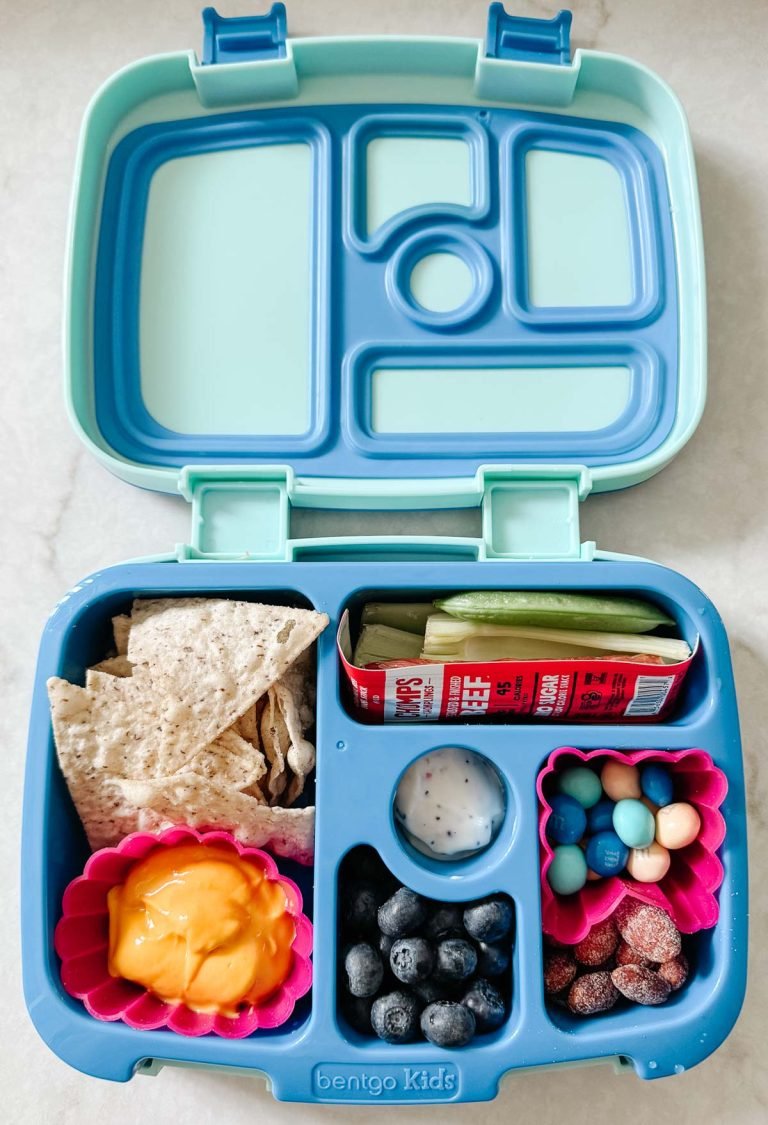
Size affects how well a lunch box keeps food warm. Smaller boxes hold heat better than large ones. Compartments help separate hot and cold foods. They stop heat from mixing and keep meals fresher. Pick a size that fits your meal without extra space to lose heat.
Preheat Your Lunch Box
Preheating your lunch box helps keep your food warm longer. It creates a warm environment inside the container. This step is simple but effective. It prevents your meal from cooling too fast. You can use easy methods to preheat your lunch box. These methods work well for different types of containers.
Using Hot Water
Fill your lunch box with hot water. Let it sit for a few minutes to warm the container. This heats the walls and keeps food warmer. Empty the water before adding your food. Dry the lunch box quickly with a clean towel. This method works best for metal and insulated boxes.
Microwave Techniques
Use the microwave to warm your lunch box if it is microwave-safe. Heat the empty container for about 30 seconds. Check the temperature carefully to avoid overheating. Warming the box this way keeps your food warm longer. Avoid plastic boxes unless labeled microwave-safe to prevent damage.
Pack Food Properly
Packing food properly helps keep meals warm and fresh until lunchtime. It prevents heat loss and keeps flavors intact. Proper packing also avoids spills and sogginess inside the lunch box.
Use Heat-retentive Containers
Choose containers made of materials like stainless steel or insulated plastic. These hold heat longer and keep food warm. Vacuum-sealed containers work best for trapping heat inside. Pre-warm containers by filling them with hot water before adding food. This simple step keeps food warm for hours.
Avoid Overpacking
Fill containers just enough so food stays compact and warm. Overpacking traps steam and makes food soggy. Too much air inside causes heat to escape faster. Leave a small space for air circulation to keep temperature steady. Pack meals in small portions for easy reheating if needed.
Separate Hot And Cold Items
Keep hot and cold foods in different containers. Mixing them lowers the temperature of hot items quickly. Use insulated bags or compartments to separate items inside the lunch box. Cold foods stay fresh and hot foods keep their heat longer. This separation improves taste and food safety.
Add Heat Packs Or Warmers
Adding heat packs or warmers is a simple way to keep food warm in a lunch box. These small packs provide steady heat to maintain your meal’s temperature. They are easy to use and fit well inside most lunch containers. Heat packs are ideal for soups, rice, and other hot dishes that lose warmth quickly.
Types Of Heat Packs
- Microwavable Gel Packs:Heat in the microwave for a few seconds. They release heat slowly.
- Reusable Chemical Packs:Activated by bending or shaking. They provide warmth without electricity.
- Electric Heating Pads:Use battery power. They keep food warm for hours but need charging.
- Rice or Bean Packs:Homemade packs heated in the microwave. Natural and budget-friendly.
Safe Usage Tips
- Check the temperature before placing heat packs with food. Avoid burns.
- Wrap packs in cloth or a small towel. Prevent direct contact with food.
- Do not use damaged or leaking heat packs. They can be unsafe.
- Follow manufacturer instructions carefully for heating times.
- Keep heat packs away from children and pets when hot.
Wrap Food In Foil Or Cloth
Keeping your lunch warm until it’s time to eat can be tricky, especially if you don’t have access to a microwave or heating device. Wrapping your food in foil or cloth is a simple yet effective way to retain heat inside your lunch box. This approach creates a mini-insulation layer, helping your meal stay cozy for longer periods.
Benefits Of Foil Wrapping
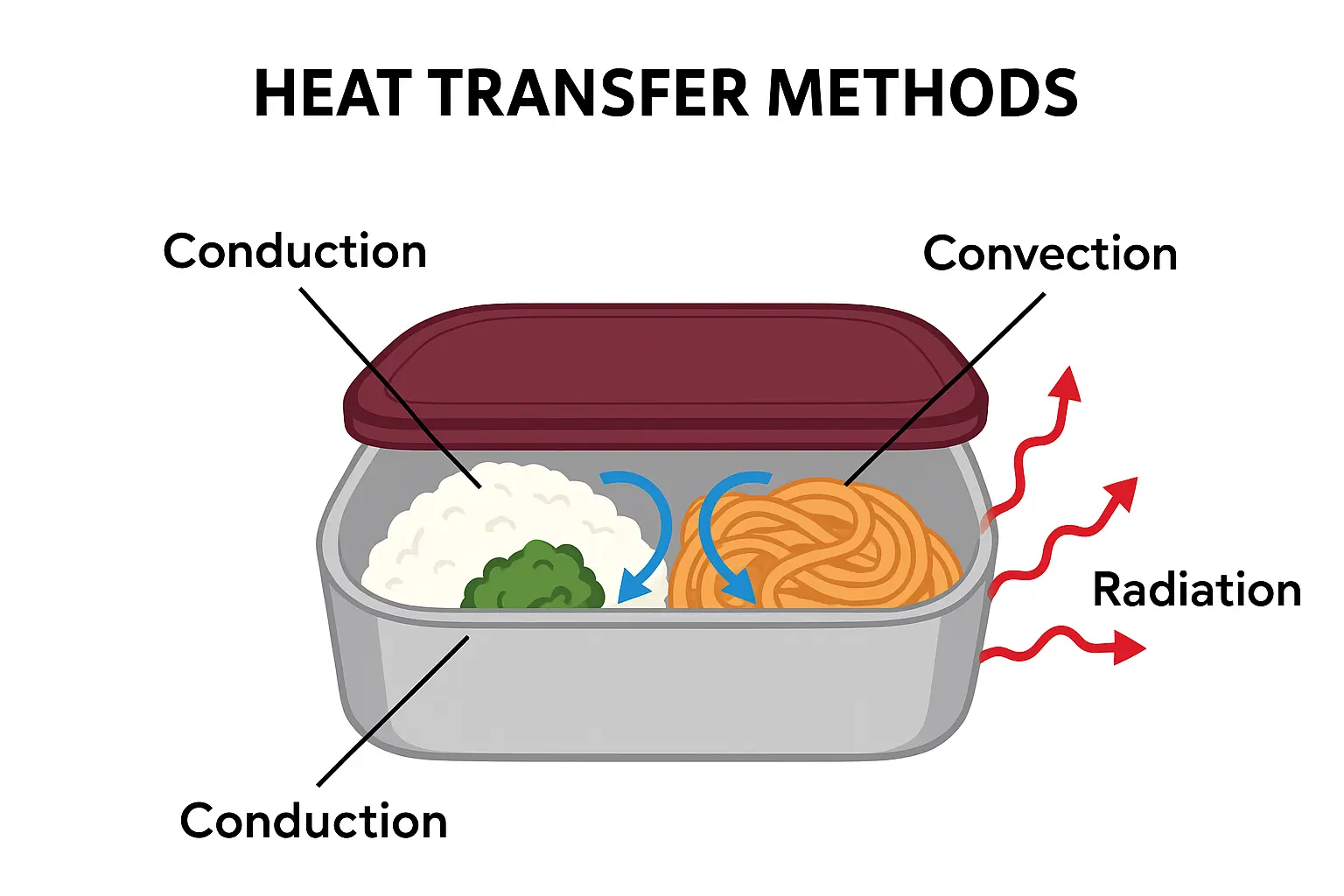
Foil wrapping locks in heat by reflecting thermal energy back toward the food. This means your sandwich or pasta remains warm, not losing heat to the surrounding air.
It also keeps moisture in, preventing your meal from drying out. I once wrapped leftover curry in foil, and hours later, it tasted just as fresh and warm as when I packed it.
Another plus is that foil is lightweight and easy to shape around different foods, making it a versatile choice for any lunch box.
Using Cloth For Insulation
Cloth acts as a natural insulator by trapping air around the food. Wrapping your lunch in a clean kitchen towel or napkin can keep heat from escaping quickly.
You can combine cloth with foil for extra warmth—wrap the food in foil first, then cover it with cloth. This double layer works wonders if you need your meal warm for several hours.
Plus, cloth is reusable and eco-friendly. Have you tried using a cloth wrap instead of disposable plastic? It not only helps keep food warm but also reduces waste.

Credit: www.amazon.com
Store Lunch Box In A Warm Place
Keeping your lunch warm until it’s time to eat can make a huge difference in how enjoyable your meal is. One simple trick is to store your lunch box in a warm place. This prevents your food from cooling down too quickly and helps maintain that fresh-from-the-kitchen taste.
Avoid Refrigeration
It might seem natural to pop your lunch box in the fridge, but this can work against you. Refrigeration cools your food rapidly, which means your warm meal turns cold before you even start eating. Instead, try to keep your lunch out of the fridge if you plan to eat it within a few hours.
Think about your daily routine—do you have access to a warm spot at work or school? If you do, avoid chilling your lunch unnecessarily and rely on that warm environment to keep your food cozy.
Ideal Storage Spots
Finding the right warm spot for your lunch box can be easier than you think. Places like near a sunny window, on top of a warm appliance (like a microwave or a radiator), or inside an insulated lunch bag can help keep your food warm.
At home, I often place my lunch box on the kitchen counter near the oven while it’s cooling down after cooking. This simple habit keeps my food warm longer without extra effort. Where can you find a warm spot in your daily environment?
- Near a sunny window with indirect sunlight
- On a warm countertop or appliance
- Inside an insulated or thermal lunch bag
- Wrapped in a thick towel or cloth to retain heat
Use Thermos Containers
Using thermos containers is one of the most effective ways to keep your food warm in a lunch box. These containers are designed to maintain the temperature of your meals for hours, making them perfect for busy days or long trips. You don’t have to settle for cold, unappetizing food when you can enjoy a warm meal anytime.
How Thermos Keeps Food Warm
Thermos containers work by using vacuum insulation. This means there is a space between two walls of the container where air is removed. Without air, heat cannot easily escape, so your food stays hot for hours.
The container also reflects heat back inside, preventing it from cooling down quickly. This design keeps the temperature steady without needing electricity or reheating. Have you ever noticed how your coffee stays hot in a thermos? The same principle applies to food.
Best Practices For Filling
To get the most out of your thermos, preheat it before adding your food. Pour boiling water into the empty container, close it, and let it sit for a few minutes. Then, empty the water and add your hot meal.
Fill the thermos completely to avoid air gaps, which cause heat to escape faster. If your meal has multiple parts, use separate smaller containers that fit inside the thermos to keep flavors fresh and avoid mixing.
- Pack hot soups or stews for best heat retention
- Use thick liquids rather than thin ones, as they hold heat longer
- Seal the lid tightly to prevent heat from escaping
By following these steps, you ensure your food remains warm and delicious until you’re ready to eat. Would you try these tips for your next lunch?
Additional Tips For Maintaining Warmth
Keeping your food warm in a lunch box can be tricky, but a few extra tips can make a big difference. These strategies help lock in heat longer so your meal stays enjoyable until it’s time to eat. Let’s dive into some practical advice that can improve your lunch experience.
Timing Your Preparation
Prepare your food as close to your departure time as possible. The longer your food sits before packing, the more heat it loses. Heating your meal right before packing ensures it starts off warm, giving it a better chance to stay that way.
If you can, pack hot dishes into pre-warmed containers. Pouring boiling water into your lunch box container before adding food can help maintain temperature. Just be sure to dry the container thoroughly before adding your meal.
Avoid Opening The Box Frequently
Every time you open your lunch box, heat escapes quickly. Resist the urge to peek inside, especially within the first hour after packing. Keeping the box sealed helps preserve the warmth and keeps your food fresh longer.
Think about how often you check your lunch at work or school. Could you wait until the designated eating time instead? This small change can keep your meal warm enough to enjoy and reduce the risk of soggy or cold food.

Credit: www.gentlepk.com
Frequently Asked Questions
How Can I Keep Food Warm In A Lunch Box?
Use insulated lunch boxes or thermal containers. Preheat the container with hot water before packing. Wrap food in foil or use heat packs for longer warmth.
What Materials Retain Heat Best In Lunch Boxes?
Stainless steel and insulated plastic containers retain heat best. Vacuum-sealed containers prevent heat loss. Avoid glass or thin plastic as they cool food quickly.
Are Heat Packs Safe For Keeping Food Warm?
Yes, heat packs designed for food use are safe. Follow manufacturer instructions carefully. Avoid direct contact with food by placing packs outside the container.
How Long Can Food Stay Warm In A Lunch Box?
Insulated lunch boxes keep food warm for 4 to 6 hours. The exact time depends on container quality and initial food temperature.
Conclusion
Keeping food warm in a lunch box is simple with the right steps. Use insulated containers to hold heat longer. Preheat your lunch box with hot water for better results. Wrap food in foil or cloth to keep warmth inside.
Avoid opening the lunch box often to keep heat from escaping. These easy tips help your meal stay warm and tasty until lunchtime. Enjoy your food fresh, warm, and ready to eat every day. Small efforts make a big difference in your lunch experience.

Sophia Martinez is a culinary lifestyle writer and product reviewer for DiningGadgets.com. Passionate about blending style with functionality, she explores the latest dining essentials, kitchen décor, and cleaning hacks that transform everyday cooking spaces. With a background in home organization and design, Sophia brings readers expert advice on creating beautiful, practical kitchens that truly feel like the heart of the home.