How to Keep Lunch Box Warm: Easy Tips for Hot, Fresh Meals
Imagine opening your lunch box, excited for the meal you packed, only to find it’s gone cold. Disappointing, right?
You deserve a warm, comforting lunch that feels fresh and inviting, no matter where you are. Keeping your lunch warm isn’t just a nice-to-have; it’s a way to ensure your meal is as enjoyable as it was when you first prepared it.
In this guide, we’ll reveal simple yet effective strategies to keep your lunch box warm until you’re ready to eat. These tips aren’t just about maintaining temperature; they’re about elevating your lunchtime experience. Stay with us, and you’ll discover how to transform your everyday lunch into something special, making you look forward to each meal break. Are you ready to enjoy your warm lunch like never before? Let’s dive in!
Credit: www.purecook.com
Choosing The Right Lunch Box
Choosing the right lunch box plays a key role in keeping your meals warm throughout the day. The right container not only preserves heat but also keeps your food fresh and appetizing. Consider your daily routine, the type of food you pack, and how long you need it to stay warm before making a choice.
Insulated Lunch Boxes
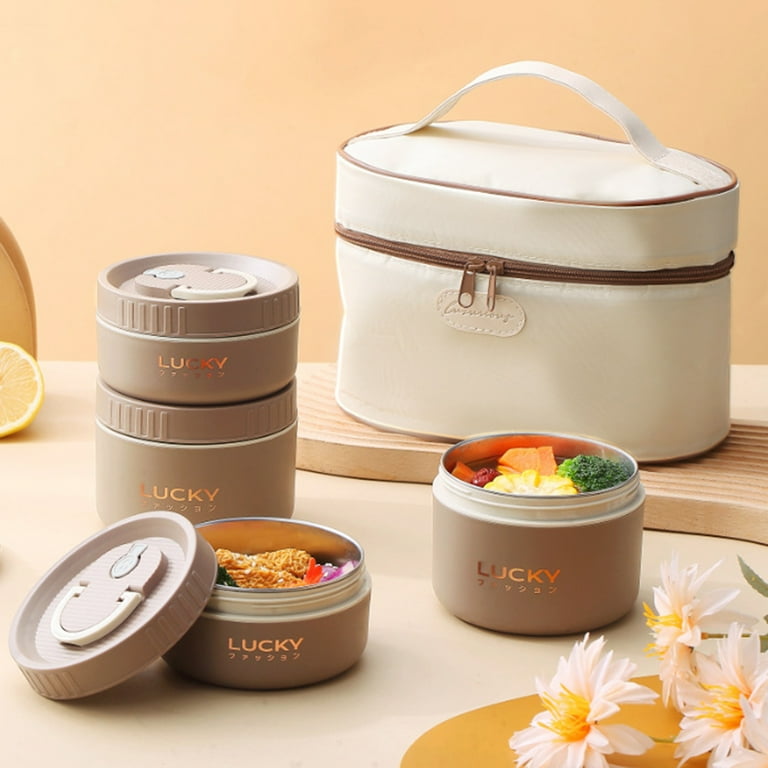
Insulated lunch boxes are designed with layers that trap heat inside. These boxes often have foam or fabric insulation that slows down heat loss. If you carry dishes like pasta or soups, an insulated box can keep them warm for several hours.
Look for lunch boxes with tight-sealing lids to avoid heat escaping. Some models come with separate compartments to keep different foods warm without mixing flavors. Have you noticed how a good seal can make all the difference in your lunch experience?
Thermal Containers
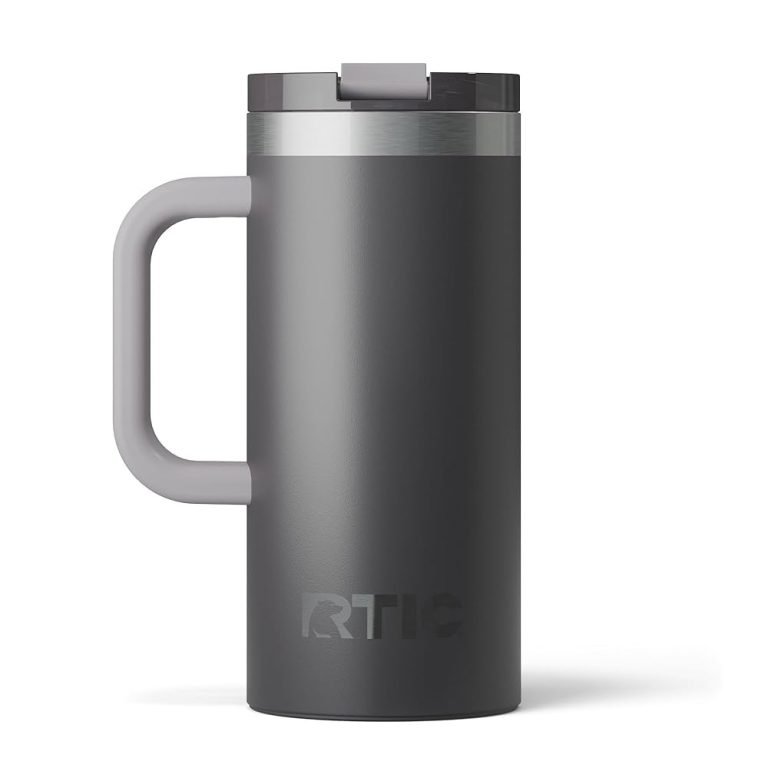
Thermal containers, often made from stainless steel, use vacuum insulation to keep food hot. These containers work best for liquids and stews but can also hold solid foods well. They maintain temperature longer than regular containers, sometimes up to 8 hours.
They are usually compact and easy to carry, making them perfect for quick lunches. Consider if you prefer eating directly from the container or transferring food to a plate when choosing this option. Have you tried a thermal container and noticed how your soup stays steaming hot?
Material Matters
The material of your lunch box affects heat retention and durability. Stainless steel is excellent at keeping heat but can be heavier. Plastic lunch boxes are lighter but might not keep food warm as long unless insulated.
Silicone and fabric lunch bags add another layer of insulation but usually need an inner container to hold the food. Think about your daily activities—do you need something lightweight and flexible or sturdy and heat-tight? Your choice of material can make or break your warm lunch experience.
Preheating Techniques
Preheating your lunch box is a simple trick that can make a big difference in keeping your meal warm throughout the day. By warming the container before adding your food, you reduce the temperature drop that happens when hot food meets a cold surface. This small step helps maintain the heat longer, making your lunch more enjoyable.
Warm Your Container
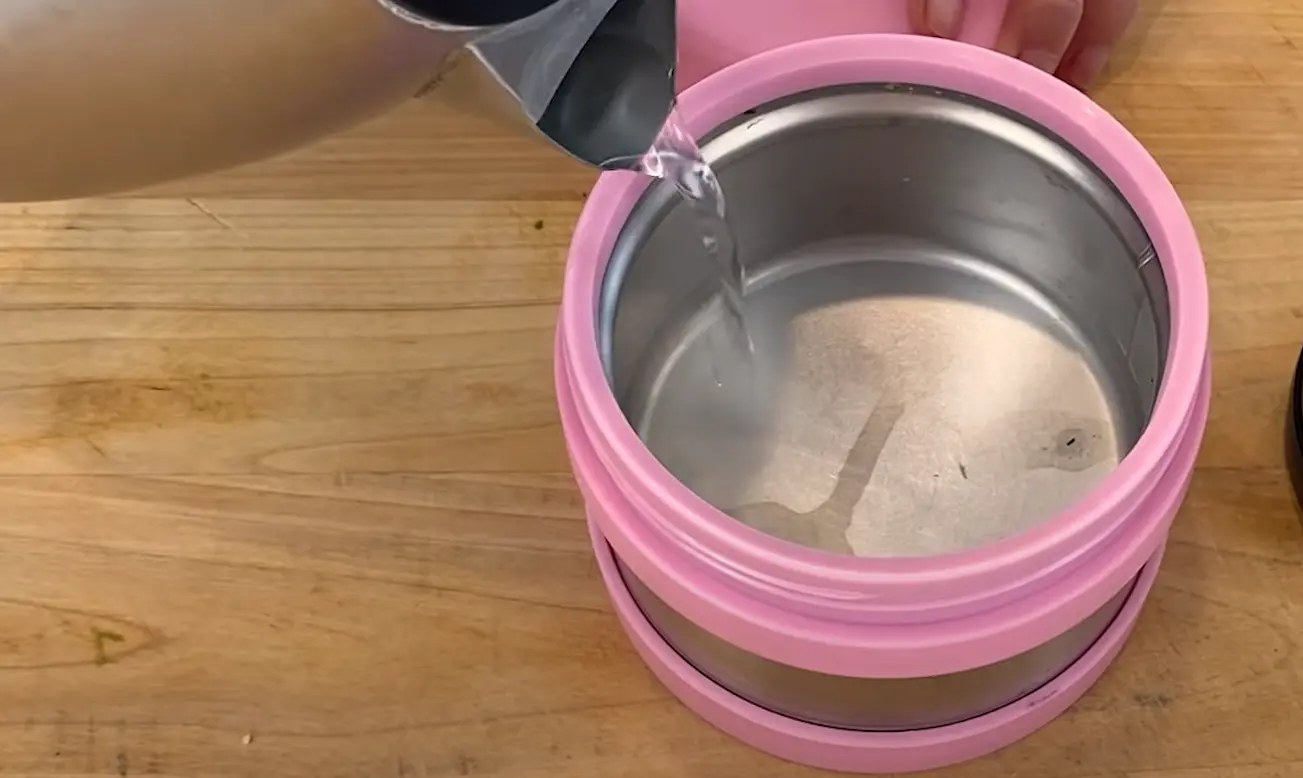
Before packing your food, try warming your lunch box container with hot water. Fill it up and let it sit for a few minutes, then empty and dry it quickly. This raises the internal temperature and creates a cozy environment for your meal.
I once skipped this step and noticed my soup cooled down too fast. After warming the container first, the soup stayed hot for much longer. It’s a quick habit that doesn’t take extra time but improves your lunch experience.
Use Hot Packs
Hot packs are a great addition to your lunch box to keep food warm. These reusable packs can be heated in hot water or a microwave and placed alongside your container.
They provide consistent heat and are especially useful if you have multiple food items or a thermos that doesn’t hold heat well. Have you tried hot packs before? They might just be the solution to your cold lunch problem.
Packing Tips For Heat Retention
Keeping your lunch warm requires smart packing. Heat escapes quickly if air gaps exist inside containers. Using the right techniques can hold warmth longer. Small changes make a big difference in temperature retention.
Fill Containers Fully
Fill lunch containers as much as possible. Empty space cools food faster. A full container holds heat better. It also stops food from moving around. This keeps your meal fresh and warm until lunchtime.
Layering Foods Strategically
Place dense or hotter foods at the bottom. Softer or cooler items go on top. This method traps heat within the layers. Foods closer to the container walls lose heat slower. It helps maintain temperature evenly throughout your meal.
Sealing For Freshness
Seal containers tightly with lids. Use airtight containers to block cold air. Wrap containers in foil or a cloth for extra insulation. This prevents heat from escaping. Proper sealing keeps food warm and tasty longer.
Using Heat Packs And Warmers
Keeping your lunch warm can make a big difference in how enjoyable your meal is. Using heat packs and warmers is a simple and effective way to maintain that cozy temperature. These tools are easy to use and can fit right inside your lunch box, giving you warm food even hours after packing it.
Types Of Heat Packs
There are several types of heat packs you can choose from, each with its own benefits:
- Microwavable Gel Packs:These packs heat quickly in the microwave and stay warm for a good amount of time. They are reusable and flexible.
- Disposable Heat Packs:Often used for outdoor activities, these single-use packs activate when exposed to air and provide heat for several hours.
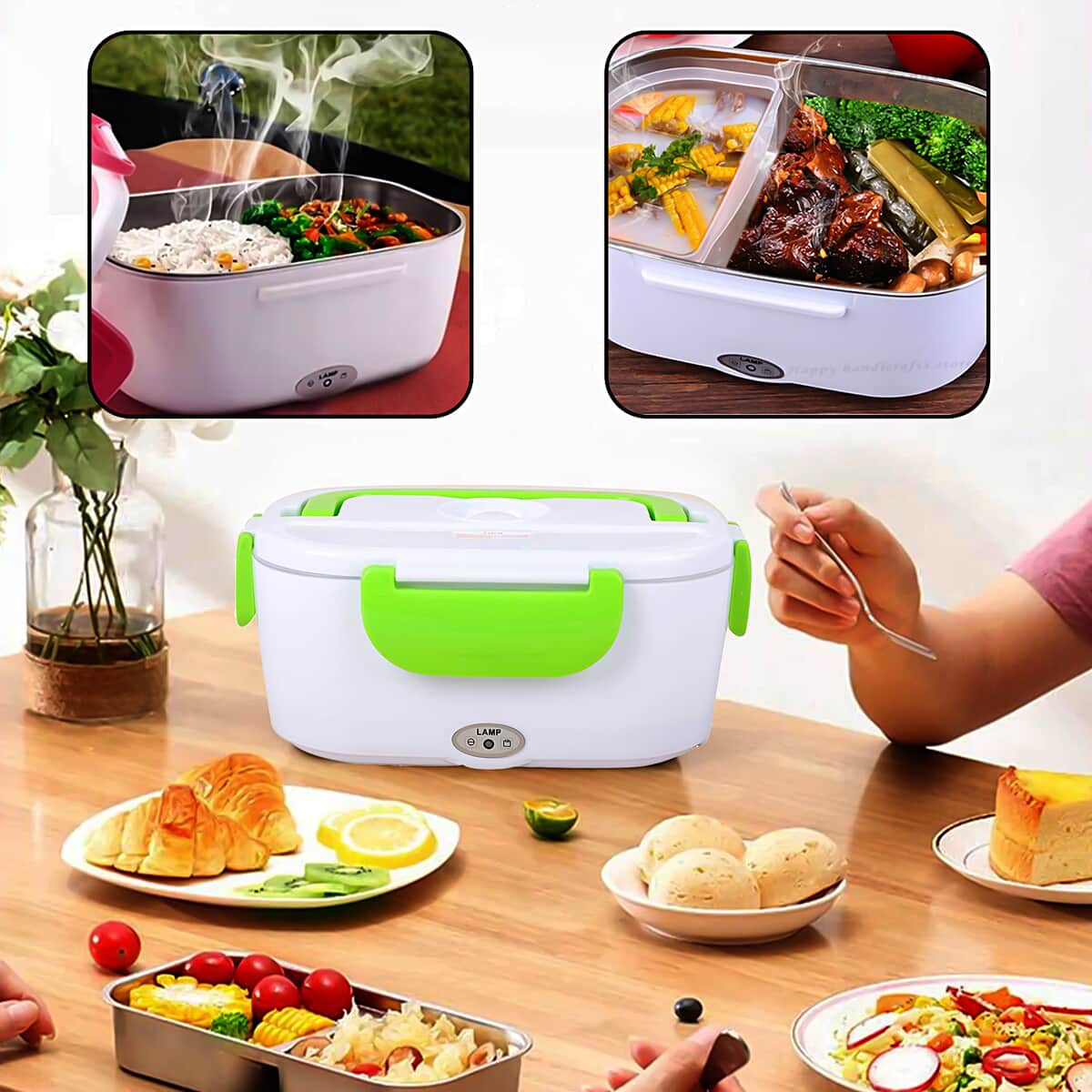
- Electric Lunch Box Warmers:These plug-in devices keep your food warm by heating the container directly. Perfect if you have access to power at work or school.
- Hot Water Bottles:A simple option where you fill a small bottle with hot water and place it inside your lunch bag to keep food warm.
Choosing the right type depends on your routine and how long you want your food to stay warm.
Safe Usage Guidelines
Safety is key when using heat packs to avoid burns or damage to your lunch box:
- Always follow the instructions on the heat pack packaging for heating times and methods.
- Use a cloth or cover around hot packs to prevent direct contact with your skin or food container.
- Check heat packs regularly to ensure they are not leaking or damaged.
- Never leave electric warmers unattended while plugged in.
- Make sure your lunch box material can handle heat without melting or warping.
Have you ever had your food ruined because it got too hot or too cold? Using heat packs correctly can prevent that problem and make your lunch break more enjoyable.
Diy Hacks To Keep Food Warm
Keeping your lunch warm without fancy gadgets is simple with a few clever tricks. These DIY hacks use everyday items to hold heat and make your meal tasty and cozy. They fit perfectly into any lunch routine and save money.
Aluminum Foil Wraps
Aluminum foil is a great heat keeper. Wrap your food tightly to trap warmth inside. It reflects heat back to the food, slowing down cooling.
- Wrap hot food in foil immediately after cooking.
- Seal edges well to keep steam inside.
- Use multiple foil layers for extra insulation.
This simple wrap keeps your meal warm for hours. It also prevents spills and mess in your lunch box.
Towel Or Cloth Insulation
Wrap your lunch container with a thick towel or cloth. This adds an extra barrier against cold air. The cloth holds heat and slows down cooling.
- Choose a clean, dry towel or cotton cloth.
- Wrap the lunch box snugly and secure it with a rubber band.
- Use a thermal bag over the towel for better results.
This method is easy and reusable. It works well for all food types and sizes of containers.
Credit: www.bluestonelandscape.ca
Microwave And Reheating Options
Keeping your lunch warm and ready to enjoy often means relying on microwaves and reheating methods. These options are quick and convenient, especially when you’re at work or school. However, reheating food properly is essential to maintain taste and ensure safety.
Safe Reheating Practices
Always use microwave-safe containers to avoid harmful chemicals leaching into your food. Avoid metal or foil containers in the microwave as they can cause sparks or fires. Cover your food with a microwave-safe lid or a damp paper towel to keep moisture in and prevent drying out.
Stir your food halfway through reheating to distribute heat evenly. This reduces cold spots where bacteria might survive. Check the temperature after reheating; your food should be steaming hot, at least 165°F (74°C), to be safe to eat.
Best Foods For Reheating
Some foods reheat better than others. Soups, stews, and pasta dishes hold moisture well and heat evenly without losing flavor. Rice and cooked vegetables also reheat nicely if covered properly to retain steam.
Foods like fried items or crispy snacks may become soggy when reheated in a microwave. Instead, try reheating them in an oven or toaster oven if you have access. Think about what you’re packing—does it reheat well, or will it lose its appeal? Your lunch will taste better if you plan with reheating in mind.
Maintaining Food Safety
Keeping your lunch box warm is great, but ensuring the food stays safe to eat is even more important. Food safety means preventing harmful bacteria from growing and causing illness. Even a perfectly heated meal can turn risky if not stored at the right temperature.
Temperature Guidelines
Hot foods should be kept at or above 140°F (60°C) to prevent bacteria from multiplying. Cold foods must stay below 40°F (4°C) to stay safe. Using insulated containers or thermal bags can help maintain these temperatures for several hours.
Have you checked your lunch box’s insulation? Some containers come with temperature indicators, which can be very handy. If your meal cools down too much, reheating it thoroughly before eating is crucial.
Avoiding Bacterial Growth
Bacteria multiply quickly between 40°F and 140°F. This range is often called the “danger zone.” Avoid leaving your lunch out at room temperature for more than two hours, or just one hour if it’s hot outside.
Think about packing items that spoil quickly, like dairy or meat. These need extra care. You can add small ice packs to keep cold foods chilled, or use a thermos to keep soups and stews hot.
Also, always wash your hands before handling your food or lunch box. This simple step reduces the chance of contamination and keeps your meal safe to enjoy.
Credit: bidebitartekoop.com
Frequently Asked Questions
How Can I Keep My Lunch Box Warm All Day?
Use insulated lunch boxes or thermal containers to retain heat. Preheat the container with hot water before packing. Wrap the lunch box in a thick cloth or use heat packs for extra warmth.
What Materials Are Best For Warm Lunch Boxes?
Stainless steel and insulated plastic are ideal materials. They maintain temperature longer and resist spills. Avoid thin plastic containers that cool down quickly.
Can I Use Heat Packs To Warm My Lunch Box?
Yes, heat packs are effective. Activate them before placing inside or around the lunch box. They provide consistent warmth for hours without electricity.
Is It Safe To Keep Food Warm In Lunch Boxes?
Yes, as long as the food is properly heated and stored. Use insulated containers to maintain safe temperatures above 140°F (60°C) to prevent bacteria growth.
Conclusion
Keeping your lunch box warm is simple with the right steps. Use insulated containers or wraps to hold heat. Preheat your lunch box by adding hot water first. Avoid opening the box too often to keep warmth inside. These small tips help your food stay tasty and fresh.
Enjoy warm meals wherever you go, without extra hassle. Try these easy methods and see the difference yourself. Warm lunches make eating more enjoyable every day.

Sophia Martinez is a culinary lifestyle writer and product reviewer for DiningGadgets.com. Passionate about blending style with functionality, she explores the latest dining essentials, kitchen décor, and cleaning hacks that transform everyday cooking spaces. With a background in home organization and design, Sophia brings readers expert advice on creating beautiful, practical kitchens that truly feel like the heart of the home.