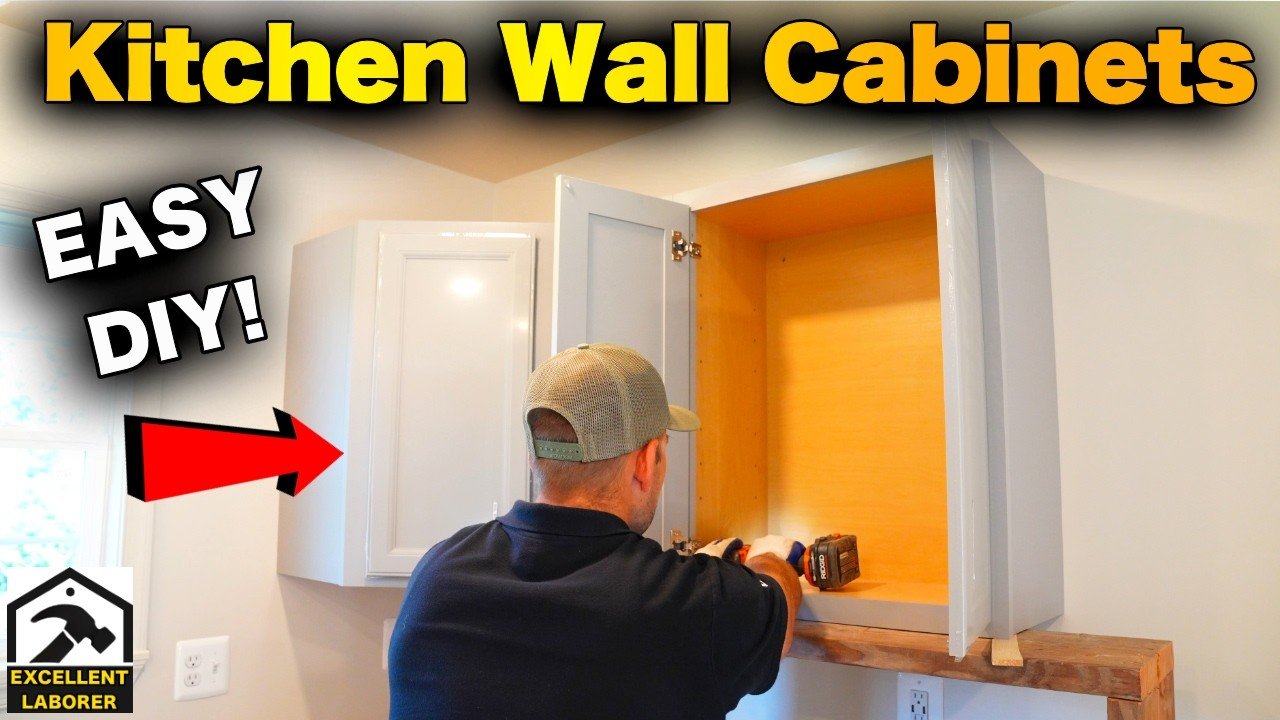
How to Fix Kitchen Cabinets to Wall: Easy Steps for a Secure Mount
Are your kitchen cabinets loose or wobbly? Fixing them to the wall might seem tricky, but it doesn’t have to be.
With the right steps, you can secure your cabinets quickly and safely. Imagine your kitchen looking neat and sturdy, without any fear of cabinets coming loose. In this guide, you’ll learn exactly how to fix kitchen cabinets to the wall with simple tools and clear instructions.
Keep reading—you’re just minutes away from a stronger, safer kitchen setup.
Tools And Materials Needed
Fixing kitchen cabinets to the wall requires the right tools and materials. Using proper equipment makes the job safer and easier. It also ensures a strong and lasting hold.
This section lists the essential tools and recommended materials for the task. Prepare these items before starting the installation.
Essential Tools
- Power drill with drill bits
- Stud finder
- Level
- Measuring tape
- Socket wrench or screwdriver
- Clamps
- Pencil or marker
- Safety goggles
- Step ladder
Recommended Materials
- Cabinet mounting screws (3-inch wood screws)
- Wall anchors (for drywall installations)
- Shims (for leveling cabinets)
- Wood glue (optional for extra strength)
- Protective gloves
- Masking tape (to mark drill points)

Credit: www.create-enjoy.com
Preparing The Wall And Cabinets
Preparing the wall and cabinets is a crucial part of fixing kitchen cabinets securely. This stage ensures that your cabinets will be stable and properly aligned, preventing future damage or accidents. Taking your time here saves you from headaches down the road.
Locating Wall Studs
Wall studs provide the strongest support for your cabinets. Use a stud finder to locate them behind the drywall. Mark each stud with a pencil so you know exactly where to drill.
If you don’t have a stud finder, try tapping the wall gently and listen for a solid sound or knock near electrical outlets, which are usually attached to studs. Have you ever hung something heavy only to find it fell because you missed the stud? Avoid that frustration by double-checking your marks.
Measuring And Marking
Measure the height where the cabinets will hang carefully, considering your countertop and backsplash height. Use a level to draw a horizontal line across the wall at this height. This line will act as a guide for mounting your cabinets evenly.
Mark the cabinet edges on the wall to see how they will fit together. It’s helpful to measure twice and mark once—accuracy here means easier installation later. Are your measurements precise enough to keep your cabinets perfectly aligned?
Clearing The Area
Clear the workspace around the wall where you’ll be installing the cabinets. Remove any furniture, appliances, or decorations that might get in the way. This makes it safer and gives you enough room to maneuver large cabinets.
Also, protect your floors with a drop cloth to catch dust or debris. A tidy workspace helps you stay focused and efficient. Have you noticed how a cluttered area can slow down your work or cause mistakes?
Mounting The Cabinets
Mounting kitchen cabinets to the wall is a key step in any kitchen installation. It requires care and precision to ensure the cabinets stay secure and look great. Proper mounting keeps the cabinets stable, supports the weight of your kitchen items, and helps maintain alignment.
Positioning The Cabinets
Start by placing the cabinet against the wall. Align it with the marks or the cabinet layout on the wall. Use a helper to hold the cabinet in place. Check that the cabinet is flush with the wall and ceiling. Make small adjustments to avoid gaps or uneven spacing.
Securing With Screws
Find the wall studs using a stud finder. Drive long screws through the cabinet back panel into the studs. Use screws that are strong enough to hold the cabinet weight. Screw slowly and firmly, but avoid over-tightening. Secure the cabinet at the top and bottom for better support.
Checking Level And Alignment
Use a level tool on the cabinet’s top edge. Adjust the cabinet up or down until it is perfectly level. Check side-to-side alignment with neighboring cabinets. Make sure doors and drawers will close evenly. Tighten all screws after confirming proper position and level.
Handling Different Wall Types
Fixing kitchen cabinets to the wall demands attention to the type of wall you’re working with. Different walls require different tools, anchors, and techniques to ensure your cabinets stay secure. Understanding these differences can save you time and prevent damage to both your cabinets and walls.
Drywall Walls
Drywall is common in many homes but isn’t strong enough on its own to hold heavy cabinets. You’ll need to locate the wall studs behind the drywall using a stud finder. Attach your cabinets directly to these studs for maximum support.
If studs are not perfectly aligned with your cabinet mounting points, use heavy-duty anchors designed for drywall. Avoid just screwing into drywall alone—it often leads to cabinets pulling away over time. Have you checked if your studs are evenly spaced before starting?
Concrete Or Brick Walls
Concrete and brick walls are sturdy but require specialized tools to fix cabinets properly. Use a hammer drill with masonry bits to make pilot holes for your anchors. Plastic or metal anchors designed for masonry will hold screws firmly in place.
Make sure you choose anchors rated for the weight of your cabinets. If you skip this step, your cabinets might loosen and fall, causing damage and safety hazards. Do you have the right drill bits and anchors ready for this kind of wall?
Plaster Walls
Plaster walls can be tricky because the material can crack if you’re not careful. First, locate the studs behind the plaster using a stud finder. Drill pilot holes slowly to avoid cracking the plaster.
Use toggle bolts if you can’t align your cabinets directly with studs. These bolts expand behind the wall and provide strong support. Have you tested your drill speed and pressure on a small spot to prevent damage?
Common Mistakes To Avoid
Fixing kitchen cabinets to the wall might seem straightforward, but skipping key details can cause serious problems. Avoiding common mistakes saves you time, effort, and potential damage. Let’s look at the pitfalls you should watch out for during installation.
Improper Stud Detection
Locating studs accurately is crucial. Cabinets need to be anchored to studs, not just drywall, for a secure hold.
Many DIYers rely on magnets or guesswork, which leads to cabinets pulling away or sagging. Have you ever hung something heavy only to find it loose days later? A good stud finder is worth the investment. Tap the wall lightly to listen for solid versus hollow sounds, but don’t rely on this alone.
Mark your stud locations clearly before starting. Double-check by drilling a small pilot hole to confirm you hit wood. This step prevents unnecessary patching and repairs later.
Using Incorrect Fasteners
Choosing the wrong screws or anchors undermines your cabinet’s stability. Thin drywall screws or short nails won’t hold the weight.
Use long, heavy-duty wood screws designed for studs—typically 2.5 to 3 inches long. Avoid drywall anchors for cabinet mounting; they are not strong enough.
Remember, the strength of your mounting depends on the fasteners’ quality and size. Don’t skimp here to save a few dollars. Your cabinets will thank you with a firm, lasting hold.
Ignoring Weight Support
How much weight will your cabinets carry? Ignoring this can lead to costly repairs.
Consider the contents you plan to store—heavy pots, dishes, or pantry items add significant load. If your cabinets are large or heavy themselves, you might need extra support like mounting rails or brackets.
Test the cabinet’s stability by gently applying pressure once mounted. If it feels loose or wobbly, reinforce it immediately. Supporting weight properly prevents accidents and protects your walls.
Finishing Touches
Finishing touches make your kitchen cabinets look polished and professional. These final steps improve function and appearance. Pay close attention to small details. They create a clean and complete result.
Sealing Gaps
Fill gaps between cabinets and walls with caulk. Use a paintable silicone caulk for durability. Smooth the caulk with a wet finger or tool. This prevents dust and moisture from entering. Sealing gaps also gives a neat, finished look.
Adjusting Doors And Drawers
Check cabinet doors and drawers for proper alignment. Adjust hinges to make doors even and flush. Tighten or loosen screws to fix any misalignment. Ensure drawers slide smoothly without sticking. Proper adjustment improves usability and cabinet lifespan.
Cleaning Up
Remove dust and debris from the cabinet surfaces. Use a soft cloth to wipe down all areas. Clean up excess caulk or paint carefully. Clear the work area to reveal your fresh kitchen look. A tidy space highlights your hard work.
Tips For Safety And Efficiency
Fixing kitchen cabinets to the wall requires care and attention. Safety and efficiency help you finish the job without problems. Using the right safety gear, having help, and keeping tools ready speeds up the process. Here are key tips to stay safe and work well.
Using Protective Gear
Always wear safety glasses to protect your eyes from dust and debris. Gloves keep your hands safe from sharp edges and splinters. A dust mask helps you avoid breathing in fine particles. Wear sturdy shoes to protect your feet from falling tools or heavy cabinets.
Working With A Helper
A helper makes the task easier and safer. They can hold cabinets in place while you secure them. This prevents accidents and keeps cabinets level. Communicate clearly with your helper to avoid mistakes. Two people working together reduce the risk of injury.
Maintaining Tools
Check tools before starting. Sharp drill bits and clean screwdrivers work better and faster. Keep cords untangled to avoid trips. Store tools in a safe place when not in use. Proper tool care saves time and prevents accidents during the job.

Credit: www.youtube.com

Credit: www.familyhandyman.com
Frequently Asked Questions
How Do I Securely Fix Kitchen Cabinets To The Wall?
Locate wall studs using a stud finder. Use screws that match cabinet thickness. Drill pilot holes and fasten cabinets tightly to studs for stability and safety.
What Tools Are Needed To Install Kitchen Cabinets?
You need a drill, stud finder, level, screwdriver, tape measure, and screws. These tools ensure accurate alignment and secure fixing of the cabinets.
Can I Fix Kitchen Cabinets To Drywall Only?
No, drywall alone cannot support cabinet weight. Always anchor cabinets to studs or use proper wall anchors for safety and durability.
How High Should Kitchen Cabinets Be Mounted On The Wall?
Mount upper cabinets 54 inches above the floor or 18 inches above the countertop. This height ensures comfortable access and optimal kitchen workflow.
Conclusion
Securing kitchen cabinets to the wall ensures safety and stability. Follow basic steps carefully to achieve the best results. Start by gathering necessary tools and materials. Accurately measure and mark positions before drilling. Use sturdy screws and brackets for a firm hold.
Regular checks prevent loose fittings over time. A well-fixed cabinet enhances kitchen functionality and appearance. With patience and attention, you can handle this task. Safety first, always. Ensure everything is secure before loading your cabinets. Enjoy your organized and safe kitchen space.
Your efforts will definitely pay off with a neat kitchen!