How to Keep Food Cold in Lunch Box: Easy Tips That Work!
Are you tired of opening your lunch box only to find lukewarm sandwiches and wilted salads? Keeping your food cold in a lunch box can feel like a daily battle, especially on hot days.
But what if there was a way to ensure your meals stay fresh and crisp until it’s time to eat? Imagine biting into a chilled, refreshing salad or a perfectly cool yogurt, even hours after packing them. This isn’t just a dream—it’s entirely possible.
Discover the secrets to maintaining the perfect temperature in your lunch box, ensuring your meals are as delightful as they were when you packed them. Keep reading to learn how you can transform your lunchtime experience with simple, effective techniques.
Choose The Right Lunch Box
Choosing the right lunch box plays a key role in keeping your food cold. The right container helps maintain temperature and freshness. Not all lunch boxes work well for cold storage. Some are better at insulation, while others focus on durability and safety. Understanding these differences helps you pick a lunch box that fits your needs.
Insulated Lunch Boxes
Insulated lunch boxes are designed to keep food cold for hours. They have layers of material that trap cold air inside. This slows down the warming process. Many insulated boxes include ice packs or gel packs for extra cooling. These lunch boxes are perfect for salads, fruits, and dairy products. They keep your meal fresh until lunchtime.
Material Matters
The material of your lunch box affects its cooling ability. Common materials include plastic, stainless steel, and fabric. Plastic boxes are lightweight but may not keep food cold long. Stainless steel is durable and has better insulation properties. Fabric lunch bags often have insulated linings but need ice packs to stay cool. Choose a material that matches your daily routine and cooling needs.
Use Ice Packs Effectively
Keeping your lunch cold is essential to enjoy fresh and safe food throughout the day. Ice packs are a simple yet powerful tool to maintain that chill inside your lunch box. Using them effectively can make a huge difference in how long your meal stays cool and appetizing.
Types Of Ice Packs
Ice packs come in various shapes and sizes, each designed for specific needs. Gel packs are popular because they stay cold for hours and are reusable. You’ll also find solid ice packs filled with water or other cooling substances that freeze solid and provide longer-lasting cold.
Some ice packs are flexible, allowing you to wrap them around containers or fit into tight spaces. Others are rigid and better for stacking or placing at the bottom of your lunch box. Choosing the right type depends on your lunch box size and what you’re packing.
Placement Tips
Where you put your ice pack inside the lunch box matters just as much as the type you choose. Place the ice pack either on top of or underneath your food containers to maximize the cooling effect. Have you noticed how cold air sinks? Putting the pack on top cools everything below.
Use small ice packs between items to keep cold air circulating around your meal. If your lunch box has compartments, position the ice pack to cool the section with perishable food. Avoid placing ice packs directly against delicate items like bread, which might get soggy.
Pre-chill Your Lunch Box
Keeping your lunch cold starts before packing your food. Pre-chilling your lunch box lowers its temperature. This helps keep food fresh longer. A cold lunch box slows down warming from outside heat. It creates a cool environment for your meal.
Pre-chilling is easy and effective. It requires simple steps and little time. This method works well with insulated lunch boxes and regular containers.
Place Lunch Box In Refrigerator Or Freezer
Put your empty lunch box in the fridge or freezer. Let it sit for 15 to 30 minutes. This cools the container inside and out. Avoid leaving it too long in the freezer to prevent damage. A cold container keeps your food chilled longer during the day.
Use Cold Packs Or Ice Packs Inside
Add cold packs or ice packs to your lunch box. Pre-chill these packs in the freezer. Place them around your food containers. This creates a mini-cool zone inside your lunch box. Your food stays fresh and safe to eat.
Chill Food Before Packing
Cool your food in the fridge before packing it. Warm food raises the lunch box temperature quickly. Pre-chilled food helps maintain the overall cold environment. Pack food in airtight containers to avoid moisture buildup.

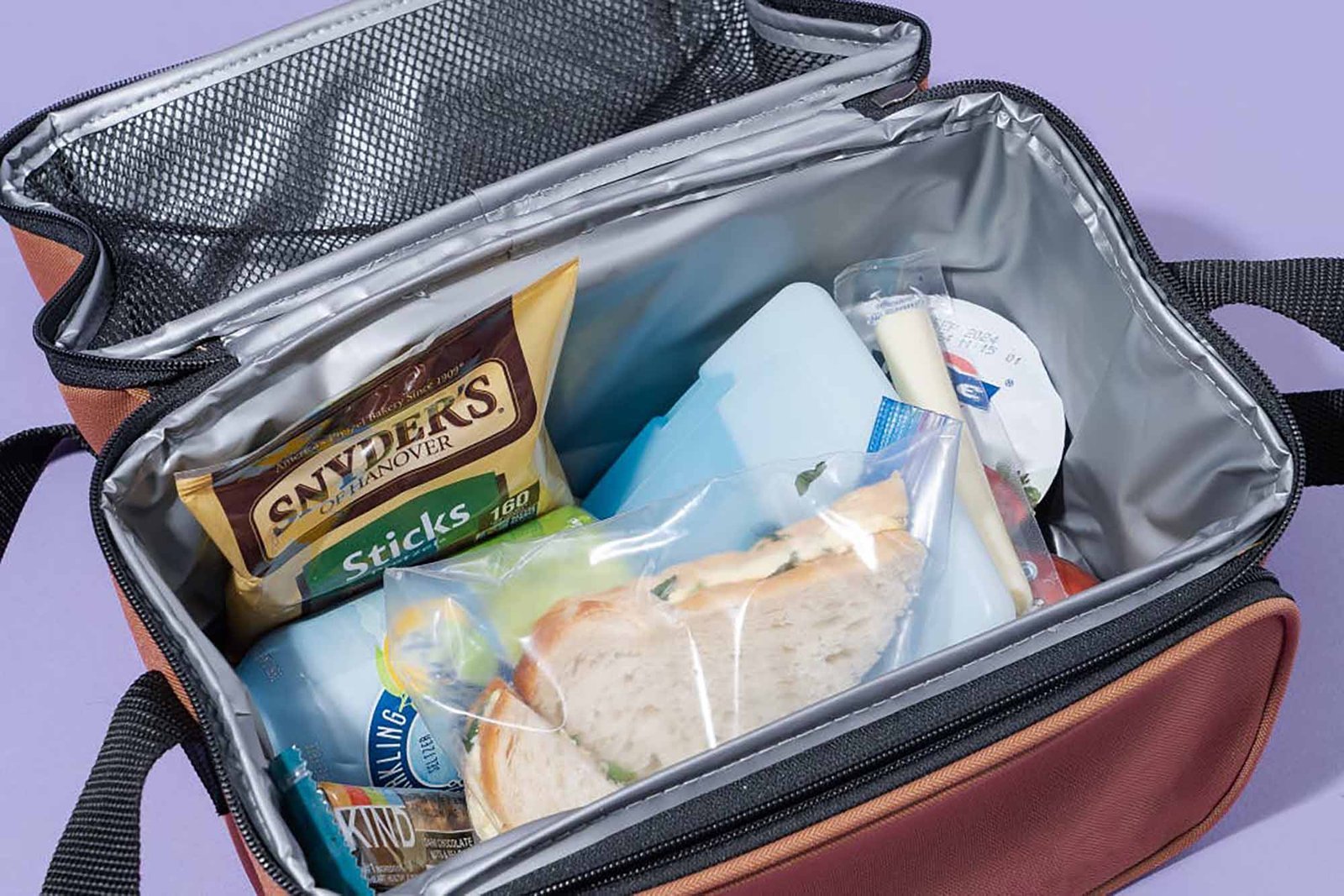
Credit: packit.com
Pack Cold Foods First
Packing cold foods first in your lunch box is a simple habit that makes a big difference. By placing chilled items at the bottom, you create a cold base that helps keep everything fresh longer. This technique prevents warmer foods from warming up the cold ones and helps maintain a safe temperature for your meal.
Start With A Cold Base
Begin by placing cold items like yogurt, cheese, or salads at the bottom of your lunch box. These foods act as a cooling layer and keep the temperature low inside the container. This helps prevent spoilage and keeps your lunch fresh until you’re ready to eat.
Use Insulated Containers
Put cold foods in insulated containers before adding them to your lunch box. These containers trap cold air and stop heat from sneaking in. You’ll notice your sandwiches or fruits stay cooler for hours when stored this way.
Chill Your Lunch Box Before Packing
Try putting your empty lunch box in the fridge for a while before packing. A cold lunch box holds the chill from cold foods better. This small step extends the freshness of your lunch throughout the day.
Place Ice Packs Around Cold Foods
Arrange ice packs next to or under cold foods you packed first. This helps keep the cold layer consistent and prevents temperature spikes. Do you find your lunch warms up too quickly during long days? This trick can help fix that.
Separate Hot And Cold Items
Keeping food cold in a lunch box requires smart packing. Hot and cold foods need different care. Placing hot items next to cold ones can raise the temperature inside. This can cause cold foods to spoil faster. Separate hot and cold foods to keep everything fresh and safe.
Use Separate Containers
Place hot foods in one container. Put cold foods in another. This prevents heat from warming cold items. Use insulated containers for hot foods to keep heat inside. Use airtight containers for cold foods to keep them cool and fresh.
Use Dividers Or Lunch Box Inserts
Dividers create a barrier inside the lunch box. They stop heat from touching cold foods. Some lunch boxes have built-in compartments for this. If not, use small containers or silicone cups as dividers. This keeps foods separate and maintains their temperature.
Pack Cold Foods With Ice Packs
Ice packs keep cold foods chilled longer. Place ice packs next to cold food containers. Avoid direct contact with hot foods. This helps maintain a low temperature inside the lunch box. Choose slim ice packs to save space and keep food cold.
Wrap Hot Foods Properly
Wrap hot foods in foil or thermal wraps. This keeps heat contained. It stops the warmth from spreading to cold items. Use thick wraps for better insulation. This method helps hot foods stay warm longer without affecting cold foods.
Keep Lunch Box Out Of Heat
Keeping your lunch box out of heat is key to preserving food freshness. Heat can quickly raise the temperature inside the lunch box. This causes food to spoil faster and lose its taste. Taking simple steps to avoid heat helps keep your meals safe and enjoyable.
Storage Suggestions
Store the lunch box in a cool place away from warm areas. Use insulated bags for extra protection. A small ice pack inside the lunch box can keep food cool longer. Choose a spot indoors, like a fridge or a shaded shelf. Avoid leaving your lunch in a hot car or near heaters.
Avoid Direct Sunlight
Direct sunlight heats up the lunch box quickly. Always place it in the shade or inside a bag. Sunlight can cause food to spoil and lose freshness. A shaded area keeps your lunch cooler and safer. Carrying a lunch bag with reflective material also helps block sunlight.
Use Frozen Water Bottles
Frozen water bottles keep your lunch box cold for hours. They act as natural ice packs and stay cold longer than ice cubes. Using them is simple and practical. They also provide a drink once melted, reducing waste.
Choose The Right Bottle Size
Select bottles that fit your lunch box space. Small bottles cool small spaces better. Larger bottles hold more cold but take more room. Balance size and space for best results.
Freeze Bottles Completely
Fill bottles with water and freeze them fully. Partially frozen bottles melt faster. Solid ice keeps food cold longer. Freeze overnight for best effect.
Use Multiple Bottles For Better Cooling
Place two or more frozen bottles inside the lunch box. They distribute cold evenly around the food. This helps keep all items fresh. Avoid crowding to allow air circulation.
Wrap Bottles To Prevent Condensation
Wrap frozen bottles with a thin cloth or towel. It stops water drops from making the lunch wet. This keeps food dry and fresh. Use a breathable fabric for best results.
Place Bottles Strategically
Put frozen bottles on top or sides of food containers. Cold air sinks, so top placement cools better. Keep bottles away from delicate items like bread. This prevents sogginess and spoilage.
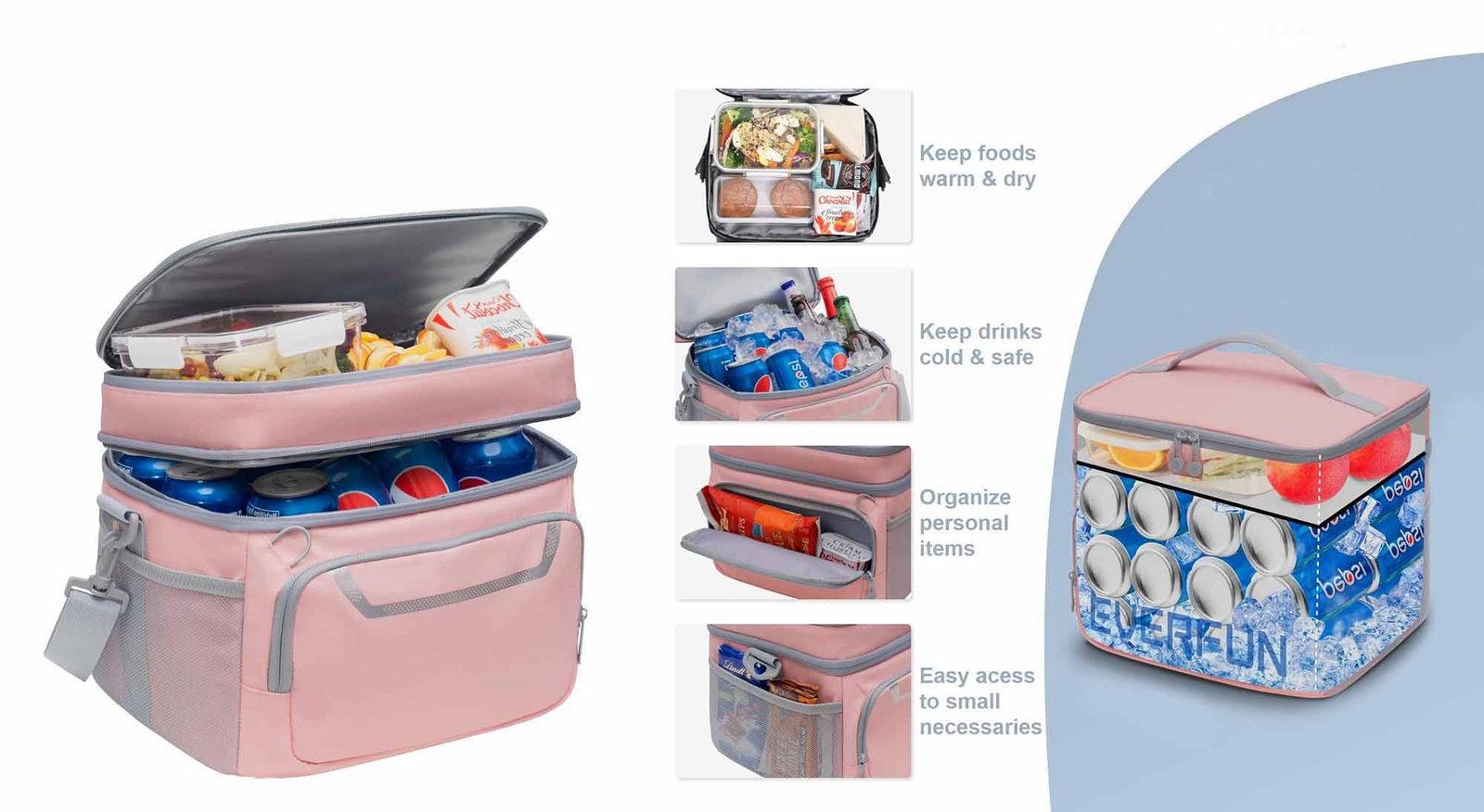
Credit: coraggiobag.com
Wrap Foods In Foil Or Cloth
Wrapping foods in foil or cloth is a simple way to keep your lunch fresh and cold. These materials act as a barrier to protect food from warm air. They help maintain the cool temperature inside your lunch box for longer periods.
Foil is great for sealing in moisture and cold. Cloth wraps, like cotton or linen, provide insulation and can absorb any moisture. Both options are reusable and easy to carry, making them ideal for daily use.
Benefits Of Using Foil For Wrapping Food
- Blocks heat and light, keeping food cold
- Seals tightly to prevent air exposure
- Easy to mold around different food shapes
- Prevents spills and leaks inside the lunch box
- Lightweight and disposable if needed
Advantages Of Cloth Wraps For Lunch
- Natural insulation keeps food cooler longer
- Absorbs moisture, reducing sogginess
- Reusable and eco-friendly option
- Breathable fabric helps avoid condensation
- Can be tied or folded securely around food
Tips For Wrapping Food Effectively
- Wrap food tightly to minimize air pockets
- Use foil for wet or sticky items
- Choose cloth for dry or solid foods
- Layer wraps for extra insulation if needed
- Pair with ice packs for best cooling results
Select Foods That Stay Fresh
Choosing the right foods for your lunch box can make a big difference in how fresh and cold your meal stays throughout the day. Not all foods handle being packed and stored in a lunch box the same way. Picking items that naturally stay fresh and cool helps you avoid soggy sandwiches or spoiled salads.
Best Cold Foods
Foods that stay fresh and cold are usually those with low moisture content or that are naturally chilled. Think about adding these to your lunch box:
- Fresh fruits:Apples, grapes, and berries stay crisp and juicy without getting mushy.
- Vegetables:Carrot sticks, cucumber slices, and cherry tomatoes hold up well and add crunch.
- Dairy:Cheese cubes or yogurt in a small container keep cool and provide protein.
- Protein:Hard-boiled eggs, cold grilled chicken strips, or hummus are great options.
- Whole grains:Brown rice salads or quinoa mix well with veggies and keep their texture.
These foods not only taste better cold but also stay safer to eat without refrigeration for several hours.
Foods To Avoid
Some foods don’t hold up well in a lunch box and can spoil or turn soggy quickly. Avoid packing:
- Mayonnaise-based salads:Potato or pasta salads with mayo can become unsafe without proper cooling.
- Leafy greens:Lettuce or spinach tends to wilt and get slimy when packed too early.
- Cut melons and soft fruits:These can become mushy and attract bacteria fast.
- Cooked rice or noodles:Unless kept very cold, they may develop bacteria quickly.
- Delicate pastries:Items with cream or custard fillings spoil quickly without refrigeration.
Have you noticed your sandwich getting soggy by lunchtime? It might be time to rethink what you’re packing. Choosing foods that stay fresh can save you from disappointing meals and keep your lunch enjoyable every day.

Credit: www.amazon.com
Frequently Asked Questions
How Can I Keep My Lunch Box Food Cold Longer?
Use ice packs or frozen gel packs inside your lunch box. Choose insulated containers to maintain low temperatures. Keep the lunch box in a cool, shaded place to avoid heat exposure. Pre-chill the lunch box before packing for best results.
What Are The Best Containers For Cold Lunch Storage?
Insulated stainless steel or plastic containers are ideal. They prevent heat transfer and keep food cold longer. Leak-proof lids help maintain freshness and avoid spills. Double-walled containers with vacuum insulation offer superior cold retention.
Can I Use Frozen Water Bottles To Keep Food Cold?
Yes, frozen water bottles act as natural ice packs. They keep food cold and provide hydration once melted. Use bottles that fit snugly in your lunch box to maximize cooling efficiency. This method is eco-friendly and cost-effective.
How Often Should I Replace Ice Packs In Lunch Boxes?
Replace ice packs daily for optimal cold retention. Reuse only if they remain fully frozen and intact. Overused or damaged packs lose cooling ability and can cause leaks. Always check packs before packing your lunch box.
Conclusion
Keeping food cold in a lunch box is simple with the right steps. Use ice packs or frozen gel packs to stay cool. Choose an insulated lunch box to keep the cold inside. Pack foods that do not spoil quickly.
Keep the lunch box in a cool, shaded place. Check the food before eating to ensure freshness. Small efforts help meals stay fresh and tasty all day. Try these tips for a cool, safe lunch every time.

Sophia Martinez is a culinary lifestyle writer and product reviewer for DiningGadgets.com. Passionate about blending style with functionality, she explores the latest dining essentials, kitchen décor, and cleaning hacks that transform everyday cooking spaces. With a background in home organization and design, Sophia brings readers expert advice on creating beautiful, practical kitchens that truly feel like the heart of the home.