Tool to Tighten Kitchen Sink Faucet: Ultimate Guide for Easy Fixes
A loose faucet can cause many problems. It can leak water. It can make noise. It can even damage your sink. But don’t worry. You can fix it.
Why Does a Faucet Get Loose?
Faucets are used many times every day. Over time, they can become loose. This happens because of movement. Water pressure can also make them loose. When this happens, you need to tighten it.
What Do You Need?
You need a few tools to tighten your faucet. Let’s see what they are:
- Wrench: A wrench helps turn nuts and bolts. It is very useful.
- Screwdriver: A screwdriver helps remove screws. You might need it.
- Flashlight: A flashlight helps you see in dark places. The area under the sink is dark.
- Towel: A towel can soak up water. You might need it.
Steps to Tighten the Faucet
Follow these steps to tighten your faucet. It is easy and quick.
Step 1: Clear The Area
Remove any items under the sink. You need space to work. Make sure the area is clean.
Step 2: Turn Off The Water
Find the valves under the sink. Turn them off. This stops water from flowing.
Step 3: Locate The Nut
Look under the sink. You will see a nut holding the faucet. Use your flashlight to see it clearly.
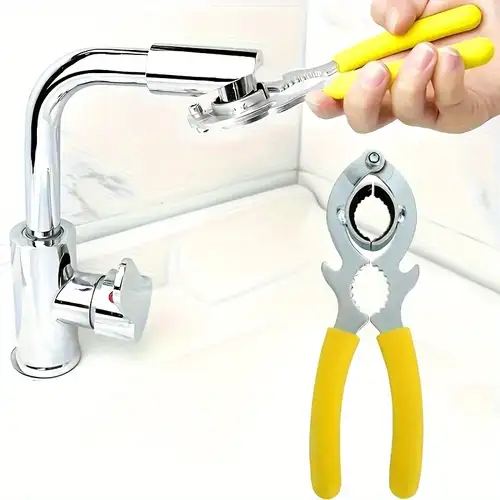
Step 4: Use The Wrench
Take your wrench. Place it around the nut. Turn the wrench clockwise. This will tighten the nut.
Step 5: Check The Faucet
Once the nut is tight, check the faucet. Move it gently. It should not move much.
Step 6: Turn On The Water
Turn the valves back on. Let the water run. Check for leaks. If it leaks, tighten the nut more.
Credit: www.temu.com
Why Tighten Your Faucet?
Tightening your faucet has many benefits. It stops leaks. This saves water. It also stops annoying noises. This makes your kitchen quieter.
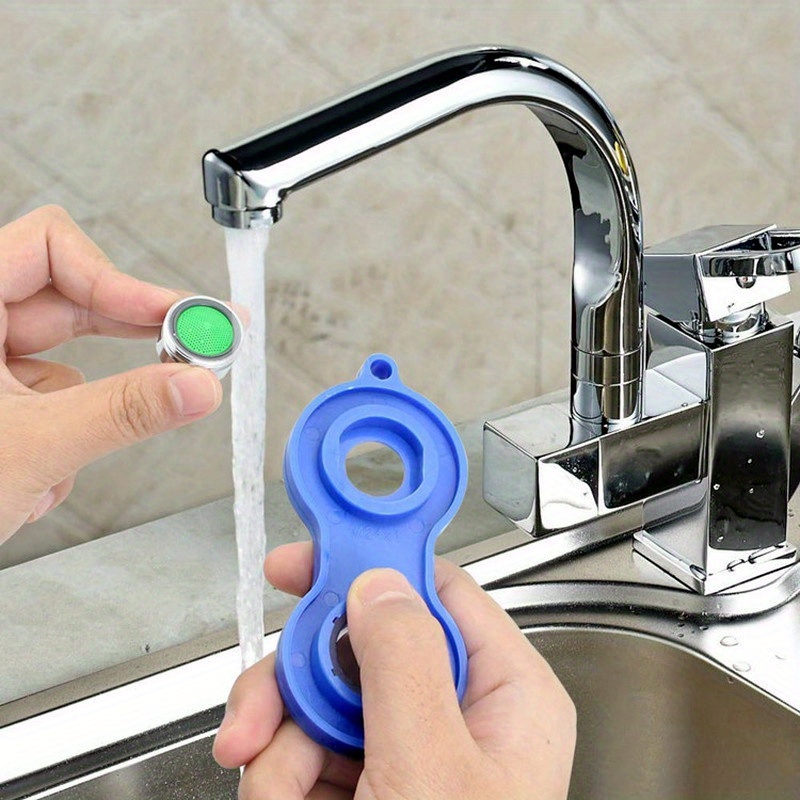
Credit: www.temu.com
When to Call a Professional?
Sometimes, you can’t fix it yourself. If the faucet is very loose, call a plumber. They have special tools. They know what to do.
How to Prevent a Loose Faucet?
Prevention is better than fixing. Follow these tips:
- Do not move the faucet too much.
- Check the faucet regularly.
- Tighten it as soon as it feels loose.
Frequently Asked Questions
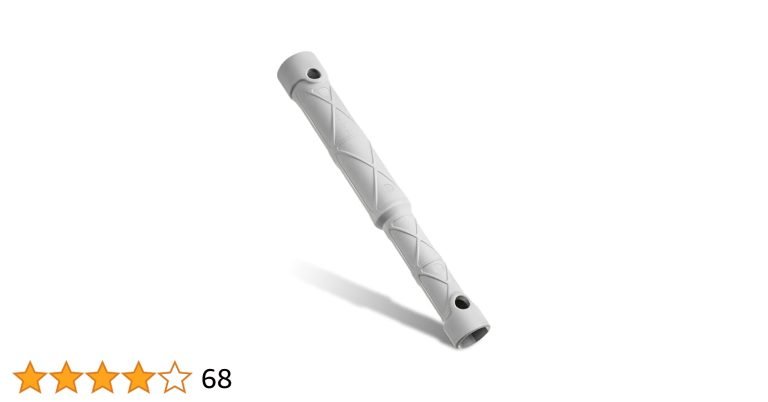
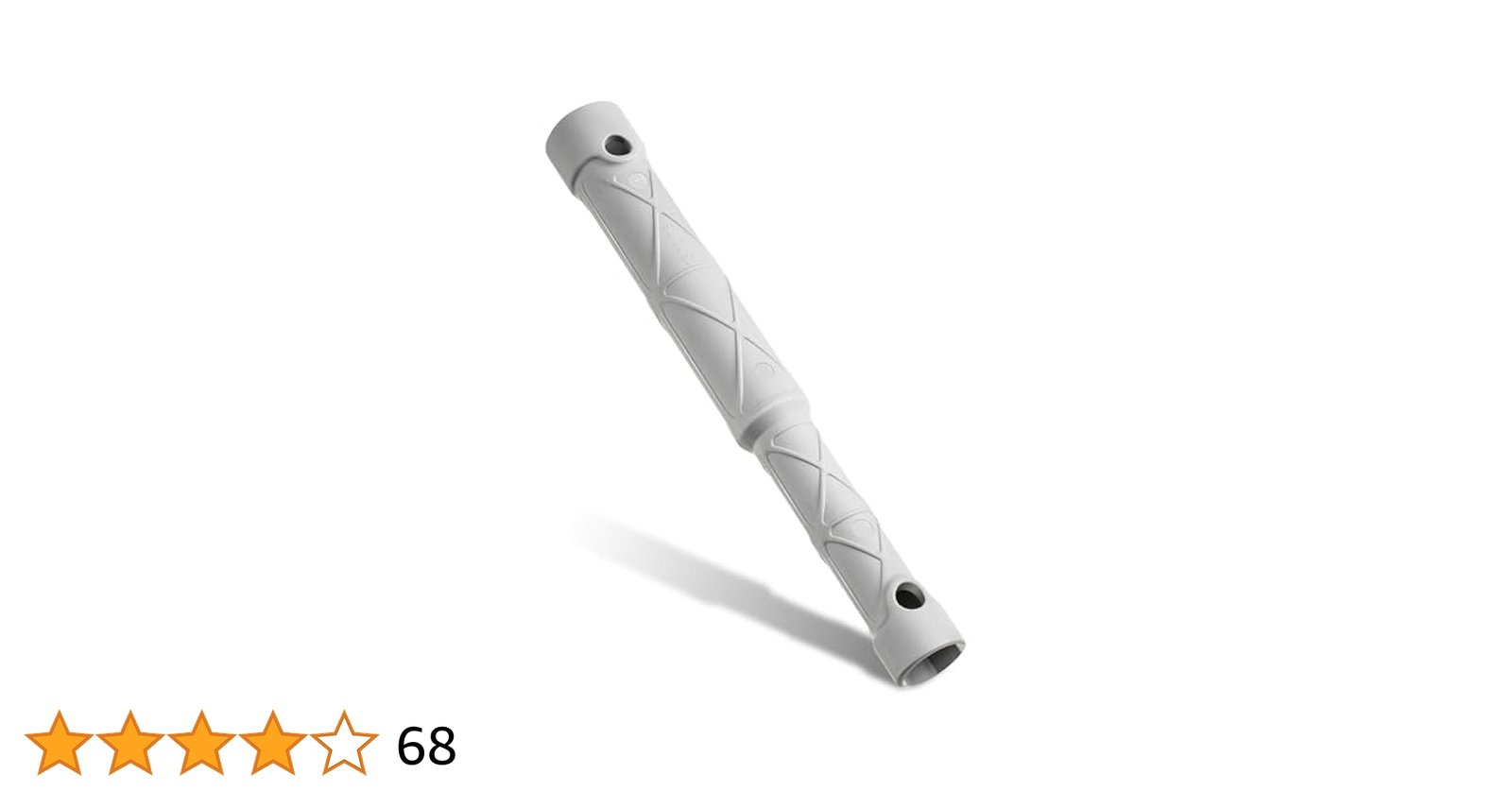
What Tool Is Best For Tightening A Kitchen Sink Faucet?
A basin wrench works best to reach and tighten faucet nuts under sinks.
Can I Use Pliers To Tighten A Kitchen Faucet?
Pliers can work but may slip or damage fittings. A basin wrench is safer.
How Do I Know If My Faucet Is Loose?
Look for wobbling or water leaks at the base of the faucet.
Is A Basin Wrench Hard To Use For Beginners?
No, it’s designed for easy use in tight, hard-to-reach spaces.
Conclusion
Tightening a kitchen sink faucet is easy. You need a few tools and a little time. Follow the steps carefully. Your faucet will work well. No more leaks. No more noise.
Final Thoughts
Always take care of your faucet. Regular checks can prevent problems. A little effort goes a long way. Keep your kitchen happy and dry.
| Tool | Purpose |
|---|---|
| Wrench | Tighten nuts and bolts |
| Screwdriver | Remove screws |
| Flashlight | See in dark areas |
| Towel | Soak up water |
Now you know how to tighten a kitchen sink faucet. You can do it easily. Save water and enjoy a quiet kitchen.

Sophia Martinez is a culinary lifestyle writer and product reviewer for DiningGadgets.com. Passionate about blending style with functionality, she explores the latest dining essentials, kitchen décor, and cleaning hacks that transform everyday cooking spaces. With a background in home organization and design, Sophia brings readers expert advice on creating beautiful, practical kitchens that truly feel like the heart of the home.