Tools Needed to Install Kitchen Faucet: Essential Must-Have Tools
Introduction
Installing a kitchen faucet might seem hard. But, with the right tools, it becomes easier. This guide helps you understand the tools needed. You can do it yourself. Save time and money. Let’s learn together.
Basic Tools Required
Before you start, gather all the tools. Having them ready helps a lot. Below is a list of basic tools:
- Adjustable Wrench: It helps tighten and loosen nuts.
- Channel Lock Pliers: Useful for gripping and turning pipes.
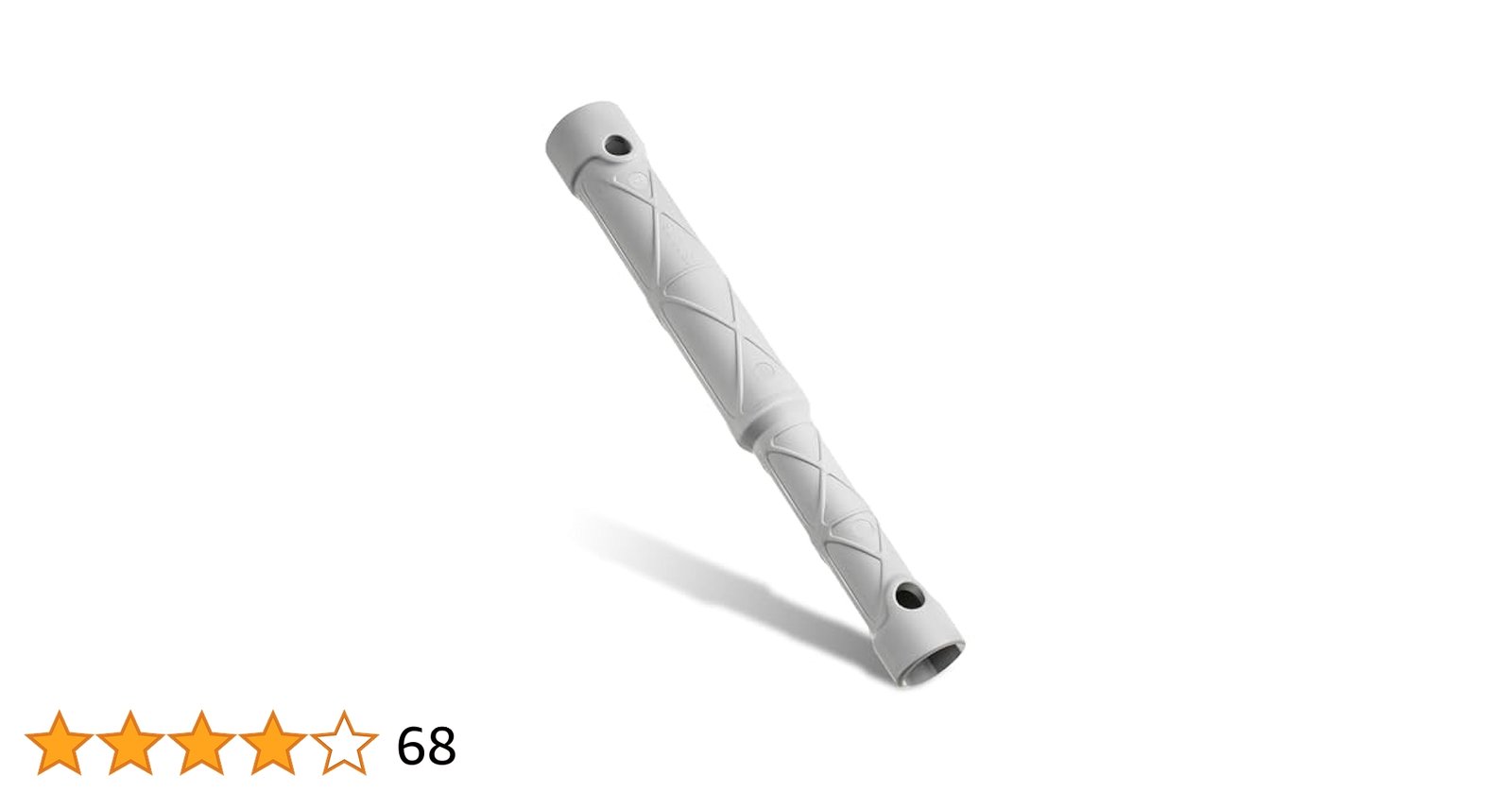
- Basin Wrench: It reaches tight spaces under the sink.
- Screwdriver: Different types help with screws.
- Teflon Tape: Stops leaks at connection points.
- Bucket: Catches any water that spills.
- Towel or Rag: Keeps the area dry and clean.
Understanding Each Tool
Let’s understand each tool. Knowing their use helps in handling them well.
Adjustable Wrench
An adjustable wrench has a moveable jaw. You can adjust it to fit different sizes. This tool helps loosen or tighten nuts and bolts.
Channel Lock Pliers
These pliers have long handles. They grip pipes and fittings well. You can adjust the size too.
Basin Wrench
A basin wrench is special. It reaches difficult areas under the sink. It grips nuts in tight spaces.
Screwdriver
Screwdrivers come in different types. Common types are flat-head and Phillips. They help in loosening or tightening screws.
Teflon Tape
This tape is thin and white. Wrap it around threads to prevent leaks. It helps form a tight seal.
Bucket
A bucket catches water when you remove old faucets. It prevents water from spilling on the floor.
Towel Or Rag
Keep a towel handy. It helps clean and dry the area. Spills happen, so be ready.
Step-by-Step Installation Guide
Now, let’s move to the installation part. These steps will guide you:
Step 1: Turn Off Water Supply
Find the water valves under the sink. Turn them off. This stops water from flowing.
Step 2: Remove Old Faucet
Use the adjustable wrench or basin wrench. Loosen the nuts holding the old faucet. Remove the faucet carefully.
Step 3: Clean The Area
Clean the area with a towel. Make sure there is no dirt or debris.
Step 4: Install New Faucet
Place the new faucet in the holes. Secure it with nuts. Use the basin wrench to tighten them.
Step 5: Connect Water Supply Lines
Attach the water lines to the faucet. Use Teflon tape on threads. Tighten them with the adjustable wrench.
Step 6: Check For Leaks
Turn on the water supply. Check for any leaks. If you see leaks, tighten connections.
Step 7: Clean Up
Clean the area again. Remove any tools and debris. Enjoy your new faucet!

Credit: www.magnushomeproducts.com
Safety Tips
Safety is important. Here are some tips:
- Wear safety glasses to protect your eyes.
- Use gloves to protect your hands.
- Be careful with tools. Do not rush.
- Check water pressure before starting.

Credit: www.reddit.com
Frequently Asked Questions
What Basic Tools Do I Need To Install A Kitchen Faucet?
You need a wrench, screwdriver, plumber’s tape, and basin wrench for faucet installation.
Can I Install A Kitchen Faucet Without A Basin Wrench?
A basin wrench makes it easier under the sink, but other wrenches can work too.
Why Is Plumber’s Tape Important For Kitchen Faucet Installation?
Plumber’s tape helps seal pipe threads to stop water leaks around connections.
How Long Does It Take To Install A Kitchen Faucet?
Installation usually takes 30 minutes to an hour depending on experience and tools.
Conclusion
Installing a kitchen faucet is simple with the right tools. Follow the steps carefully. Make sure to check for leaks. Clean the area after finishing. Now you can enjoy your new kitchen faucet. You did a great job!

Sophia Martinez is a culinary lifestyle writer and product reviewer for DiningGadgets.com. Passionate about blending style with functionality, she explores the latest dining essentials, kitchen décor, and cleaning hacks that transform everyday cooking spaces. With a background in home organization and design, Sophia brings readers expert advice on creating beautiful, practical kitchens that truly feel like the heart of the home.