How to Use a Wine Aerator: Unlock Bold Flavors Instantly
Have you ever poured a glass of wine and wished it tasted richer, smoother, and more flavorful? That’s exactly what a wine aerator can do for you.
By simply letting your wine breathe, you unlock its full potential, turning every sip into a delightful experience. But how do you use a wine aerator the right way to get the best results? Keep reading, and you’ll discover easy steps that will transform your wine moments and impress your friends at your next gathering.
Why Use A Wine Aerator
Using a wine aerator improves the wine drinking experience. It helps the wine open up and reveal its true character. A simple tool, yet it changes how wine tastes and smells. Many wines benefit from aeration, especially reds and some whites. Understanding why to use an aerator helps you enjoy wine more fully.
Enhancing Wine Aroma
Wine aroma is vital to the tasting experience. Aerating wine releases its full bouquet. Air mixes with the wine, freeing hidden scents. These aromas include fruits, spices, and floral notes. A better aroma makes wine more enjoyable and inviting.
Softening Tannins
Tannins are natural compounds in wine that can taste bitter or harsh. Aerators help soften these tannins. The exposure to air smooths the wine’s texture. This makes the wine feel rounder and less astringent on the palate. Soft tannins create a more balanced and pleasant taste.
Boosting Flavor Profiles
Aeration enhances the wine’s flavors by blending and releasing complex tastes. It brings out fruitiness, sweetness, and subtle hints of herbs or oak. The wine becomes richer and more vibrant. This fuller flavor profile increases enjoyment with every sip.
Types Of Wine Aerators
Choosing the right wine aerator can change how you experience your favorite bottle. Each type of aerator offers a unique way to enhance the wine’s flavor and aroma. Understanding the differences helps you pick one that fits your style and routine perfectly.
Handheld Aerators
Handheld aerators are small, portable devices you hold over your glass or bottle. They let you aerate wine quickly as you pour, making them perfect for casual tastings or dinners. I once used one during a picnic, and it instantly softened the tannins in a young red, making it much more enjoyable.
These aerators often have built-in filters to catch sediment, so you get a smooth pour every time. If you want a fast, no-fuss way to improve your wine on the spot, a handheld aerator is a great choice.
In-bottle Aerators
In-bottle aerators fit directly into the neck of the wine bottle. They work by introducing air as you pour, without needing extra equipment. This type keeps your wine fresh longer because it stays in the original bottle.
Using an in-bottle aerator feels natural—you just pour as usual but with added flavor complexity. If you often enjoy a glass or two without finishing the bottle immediately, this might be your best option.
Decanter Styles
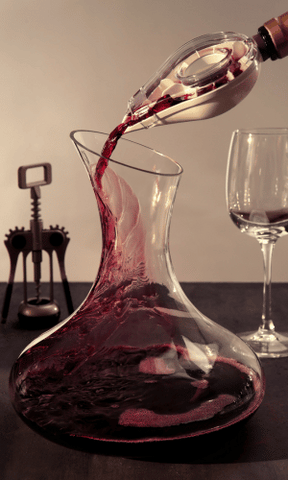
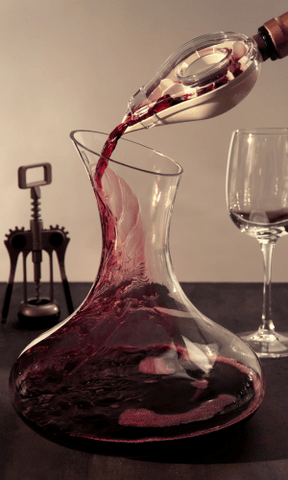
Decanters come in various shapes and sizes but all aim to expose wine to air in larger amounts. They are ideal for wines that benefit from longer aeration, like bold reds or older vintages. I remember pouring a 10-year-old Cabernet into a decanter and watching it open up beautifully over 30 minutes.
Decanters also serve as elegant table centerpieces, adding a touch of class to your wine experience. If you have time and want to savor every nuance, using a decanter is worth the wait.
Choosing The Right Aerator
Choosing the right wine aerator can make a big difference in how your wine tastes. Not every aerator works well with every type of wine, and factors like design and ease of use also play a role. Understanding these elements helps you pick an aerator that fits your wine preferences and lifestyle perfectly.
Considering Wine Type
Different wines respond differently to aeration. Red wines, especially full-bodied ones like Cabernet Sauvignon or Syrah, benefit from more exposure to air to soften tannins and release aroma.
White wines and lighter reds, such as Pinot Noir or Chardonnay, usually need less aeration. Think about the wines you drink most often—do you prefer bold reds or delicate whites? Choosing an aerator designed for your favorite wine type ensures the best flavor enhancement.
Ease Of Use
Some aerators are simple to use, while others require more effort or steps. If you often entertain or enjoy quick glasses, look for a model that fits easily over your bottle or glass without complicated setup.
Have you ever struggled with a messy pour or slow aeration? A straightforward design can save you frustration and keep your wine experience enjoyable. Consider how much time and effort you want to spend each time you open a bottle.
Material And Design
The material affects both durability and how the wine flows through the aerator. Glass or stainless steel aerators tend to be sturdy and easy to clean, while plastic options might be lighter but less durable.
Design also influences how well the aerator introduces air to your wine. Some use multiple chambers or layers, while others rely on a simple spout. Think about your storage space and cleaning habits—do you want something compact and dishwasher-safe?

Credit: snptt.com
Step-by-step Aeration Process
The step-by-step aeration process brings out the best flavors in your wine. It softens harsh tannins and releases fruity aromas. This process is simple and fast with a wine aerator.
Follow these clear steps to enjoy your wine at its finest. Each step helps improve your wine’s taste and smell.
Preparing The Wine
Choose a bottle of wine that needs aeration. Red wines benefit the most, especially young or full-bodied ones. Open the bottle carefully to avoid spilling.
Pour a small amount of wine into a glass to test before aerating. Check the temperature. Room temperature works best for aeration.
Using The Aerator Properly
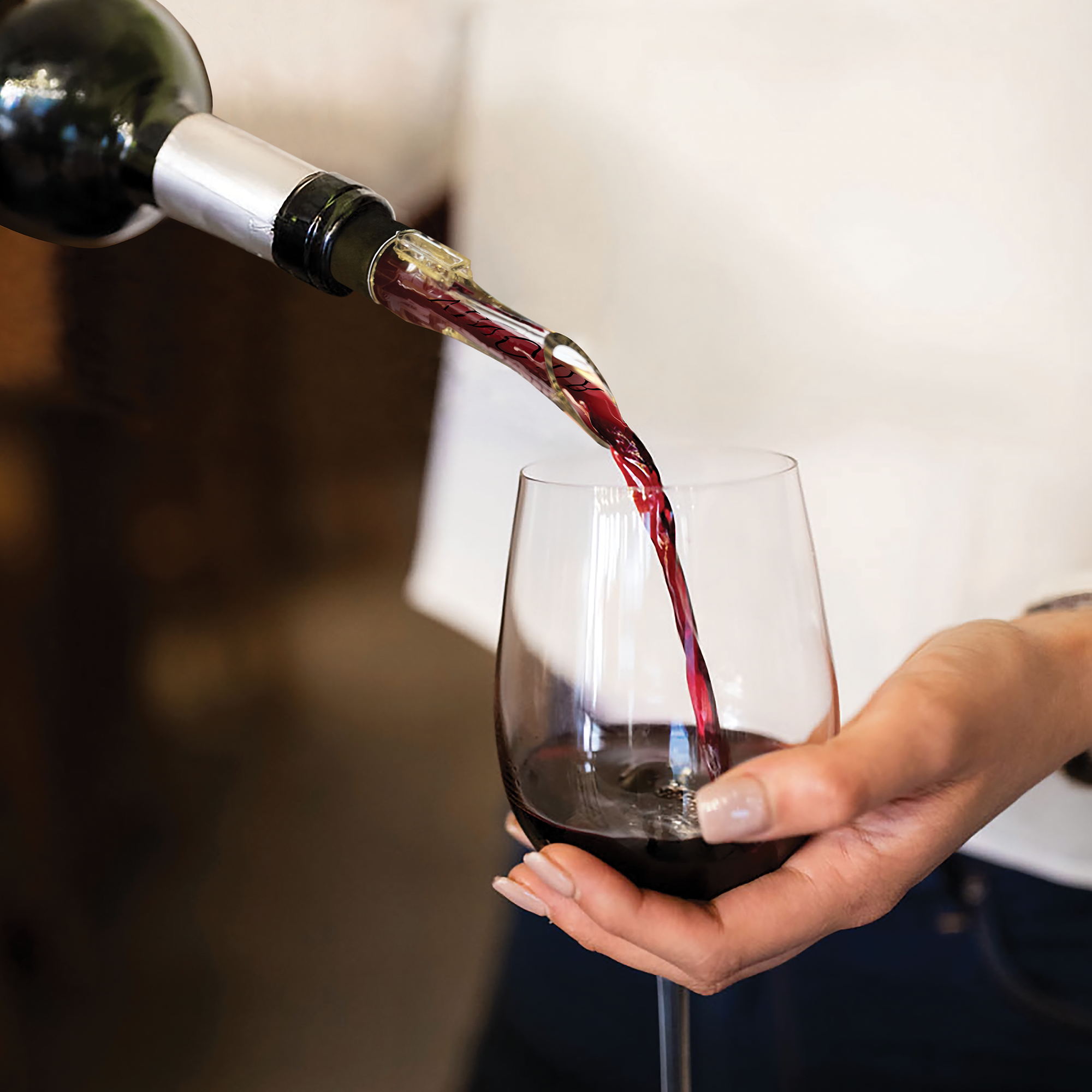
Hold the aerator above your glass or decanter. Slowly pour the wine through the aerator. Watch the wine flow and mix with air as it passes.
Make sure the aerator fits well on the bottle or glass. Avoid pouring too fast to prevent splashing. A steady pour helps oxygen reach the wine evenly.
Tasting For Desired Effect
Smell the wine first to notice the enhanced aromas. Take a small sip and let it cover your tongue. Notice the smoother taste and softer tannins.
Compare with the first sip before aeration. If needed, aerate more by pouring wine again through the aerator. Stop once you reach the flavor you like.
Tips For Best Results
Getting the most out of your wine aerator is easier than you think. A few simple tips can enhance your experience and bring out the best flavors in your wine. Paying attention to details like serving temperature and maintenance can make a noticeable difference.
Serving Temperature
Temperature plays a big role in how wine tastes after aeration. Reds are best served slightly below room temperature, around 60-65°F (15-18°C). If your wine is too warm, it might taste flat, and if it’s too cold, the flavors won’t fully open up.
Try chilling white wines just enough to take the chill off before aerating. This keeps the crispness while still letting the aromas come through. Have you ever noticed how a too-cold glass dulls the bouquet? Adjusting the temperature before aeration can solve that.
Cleaning And Maintenance
Keeping your aerator clean is key to preserving the pure taste of your wine. Rinse it with warm water right after use to prevent residue build-up. Avoid harsh soaps that might leave a scent affecting future pours.
For a deep clean, soak the aerator in a mixture of warm water and white vinegar once a month. This simple step can save you from off-flavors and extend the life of your tool. Think of it as a quick reset for your aerator’s performance.
When To Skip Aeration
Not every wine benefits from aeration. Very old or delicate wines can lose their subtle notes when exposed to too much air. If you’re dealing with a vintage bottle or a delicate white, taste it first before deciding to aerate.
Sometimes, a young, robust red might need a few minutes of breathing without an aerator instead. Have you tried sipping a wine both with and without aeration? You might be surprised how some wines shine best on their own.
Common Mistakes To Avoid
Using a wine aerator can enhance your wine experience. But some common mistakes can affect the results. Understanding these mistakes ensures you enjoy your wine as intended.
Over-aerating
Over-aerating can dull your wine’s flavors. This happens when air exposure is too long. Wine loses its vibrant taste. Always follow aerator guidelines. Aim for the recommended time for best results.
Using Aerators On Delicate Wines
Delicate wines need careful handling. Aerators may overwhelm these wines. Subtle notes can vanish, leaving a flat taste. Consider using an aerator sparingly on such wines. Sometimes, gentle swirling is enough.
Ignoring Wine Quality
Not all wines need aeration. Some lower-quality wines won’t improve much. Ignoring this can lead to disappointment. It’s best to assess the wine first. Use the aerator on medium to high-quality wines for noticeable changes.
Pairing Aerated Wine With Food
Pairing aerated wine with food can elevate your dining experience by highlighting flavors you might not notice otherwise. Using a wine aerator softens tannins and releases aromas, making the wine more expressive and enjoyable with your meal. How can you match these enhanced qualities to your dishes for the best taste?
Bold Reds And Hearty Dishes
Bold red wines like Cabernet Sauvignon or Syrah become smoother and more vibrant after aeration. This makes them perfect companions for rich, hearty dishes such as grilled steak, lamb, or beef stew.
The aeration reduces bitterness and opens up fruit flavors, which balance the intensity of fatty or spicy foods. Have you tried a glass of aerated red with a pepper-crusted ribeye? The wine’s softened tannins complement the spice and fat beautifully.
Light Whites And Fresh Flavors
Light white wines such as Sauvignon Blanc or Pinot Grigio gain a brighter, more aromatic profile after aeration. This fresh, lively character pairs well with dishes featuring citrus, herbs, and fresh vegetables.
Think of grilled shrimp with lemon or a simple salad with vinaigrette. Aerated whites bring out subtle floral and fruit notes that can enhance the crispness and freshness of these foods.
Cheese And Wine Combinations
Cheese and wine are classic partners, and aerated wine can change the game. Soft cheeses like Brie or Camembert work well with aerated light whites, as the wine’s brightness cuts through the creaminess.
For stronger cheeses, try aerated reds with sharp Cheddar or aged Gouda. The smoother tannins of aerated wine help balance the intensity and saltiness of these cheeses without overwhelming your palate.
Credit: www.corkpops.com

Credit: theargentino.com
Frequently Asked Questions
What Is The Purpose Of A Wine Aerator?
A wine aerator enhances wine flavor by exposing it to air. This process releases aromas and softens tannins, improving taste and bouquet instantly.
How Do You Use A Wine Aerator Properly?
Place the aerator on the wine glass or bottle. Pour wine slowly through it to mix air with the wine, unlocking its full flavor quickly.
Can A Wine Aerator Improve All Types Of Wine?
Aerators work best with young red wines and some whites. They soften harsh tannins but may not benefit delicate or aged wines.
How Long Should Wine Stay In An Aerator?
Wine usually needs 1 to 5 minutes in an aerator. This short time allows flavors to open without overexposing the wine to air.
Conclusion
Using a wine aerator brings out the best taste in your wine. It helps the wine breathe and improves flavor quickly. Just pour the wine through the aerator before drinking. This simple step makes your wine smoother and more enjoyable.
Anyone can use a wine aerator, no special skill needed. Try it with red or white wines to see the difference. Enjoy your wine the way it was meant to be tasted. Small effort, big flavor. Cheers to better wine moments!

Ethan Cole is a kitchen innovation enthusiast and food technology writer at DiningGadgets.com. With over 8 years of experience reviewing cookware, smart kitchen tools, and design trends, he helps readers discover gadgets that make cooking easier and dining more enjoyable. When he’s not testing the latest kitchen appliances, Ethan enjoys experimenting with recipes and sharing practical tips for modern homes.