How to Clean Ice Makers: Easy Steps for Sparkling, Germ-Free Ice
Is your ice maker not working like it used to? If your ice tastes funny or the machine seems slow, it’s time for a good clean.
Cleaning your ice maker isn’t just about keeping things fresh—it helps your machine last longer and gives you clear, tasty ice every time. In this guide, you’ll discover simple, step-by-step tips to clean your ice maker quickly and safely. Keep reading, and you’ll learn how to make your ice maker feel brand new again.

Credit: www.tokit.com
Why Clean Ice Makers
Cleaning your ice maker isn’t just about keeping it looking nice. It plays a crucial role in ensuring the ice you use is safe, tastes fresh, and that your machine runs smoothly. Ignoring this task can lead to health risks, poor ice quality, and costly repairs that you could easily avoid.
Health Risks Of Dirty Ice
Dirty ice makers can harbor bacteria, mold, and other harmful microorganisms. These contaminants can transfer to your ice, putting your health at risk every time you take a sip of a cold drink.
Have you ever noticed an unusual taste or smell in your ice? That’s often a sign that bacteria or mold are present. Regular cleaning helps protect you and your family from illnesses caused by contaminated ice.
Impact On Ice Quality
Ice that looks cloudy or has an off-taste is usually a direct result of a dirty machine. Minerals, dirt, and scale buildup can affect the clarity and flavor of your ice cubes.
Imagine serving guests ice that tastes stale or smells musty—definitely not the impression you want to make. Clean ice makers produce clear, fresh-tasting ice that enhances every beverage.
Preventing Mechanical Issues
Residue buildup inside your ice maker can cause it to work harder, leading to wear and tear. Over time, this strain can result in breakdowns or costly repairs.
Keeping your ice maker clean helps maintain its efficiency and extends its lifespan. Would you rather spend time cleaning or dealing with an unexpected repair bill?
Tools And Supplies Needed
Cleaning an ice maker requires specific tools and supplies. Having the right items makes the job easier and more effective. Preparation is key to a smooth cleaning process.
Cleaning Solutions
- White vinegar: natural and safe for removing mineral buildup
- Dish soap: gentle for cleaning surfaces without damage
- Baking soda: helps eliminate odors and mild stains
- Commercial ice machine cleaner: designed for heavy-duty cleaning
- Distilled water: prevents new mineral deposits during rinsing
Scrubbing Tools
- Soft-bristle brush: cleans tight corners without scratching
- Microfiber cloths: absorb moisture and polish surfaces
- Toothbrush: reaches small, hard-to-clean areas
- Sponge: useful for general wiping and scrubbing
- Plastic scraper: removes stubborn ice or debris gently
Protective Gear
- Rubber gloves: protect hands from cleaning chemicals
- Safety goggles: shield eyes from splashes
- Apron: keeps clothes clean and dry
- Mask: prevents inhaling fumes from strong cleaners
Preparing The Ice Maker
Preparing your ice maker before cleaning is crucial to ensure a safe and effective process. Taking time to get everything ready will help you avoid damage and keep your appliance running smoothly. Let’s walk through the essential steps you need to take before you start scrubbing.
Turning Off Power
Safety should be your top priority. Always switch off the power to your ice maker before you begin cleaning. This prevents any electrical accidents and protects the internal components from water damage.
You can do this by unplugging the unit or turning off the circuit breaker that controls it. Have you ever tried cleaning an appliance without cutting the power first? It’s risky and not worth it.
Emptying Ice Bin
Next, clear out all the ice from the bin. Leaving ice inside can interfere with your cleaning and may cause water to freeze again before you finish. Plus, old ice often contains dust or odors that you want to remove.
Dispose of the ice properly or use it for your drinks if it looks clean. This small step makes your cleaning more thorough and helps keep your ice fresh after the process.
Removing Components
Take out removable parts like the ice bin, trays, and water filters if possible. This allows you to clean these pieces separately and more thoroughly. It also gives you better access to the interior of the ice maker.
Handle these components carefully to avoid breakage. Have you noticed how a simple removal can reveal hidden buildup that you never knew was there?

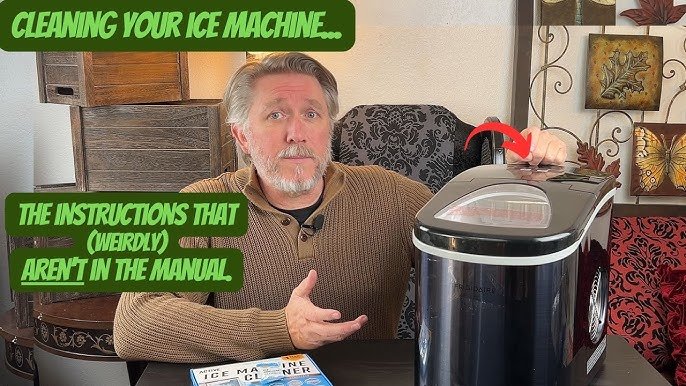
Credit: parade.com
Cleaning The Ice Maker
Cleaning your ice maker is essential to keep the ice fresh and your appliance running smoothly. Dirt, mold, and mineral buildup can affect the taste of your ice and reduce the machine’s efficiency. Regular maintenance not only improves ice quality but also extends the life of your ice maker.
Wiping Interior Surfaces
Start by unplugging the ice maker to ensure safety. Use a soft cloth dampened with warm, soapy water to wipe down all interior surfaces. Pay special attention to corners and crevices where grime tends to accumulate.
Avoid harsh chemicals that could damage the plastic or metal parts. After wiping, rinse with a cloth soaked in clean water to remove any soap residue. Dry the surfaces thoroughly to prevent mold growth.
Scrubbing Ice Trays
Ice trays often collect mineral deposits and bacteria, so scrubbing them is crucial. Remove the trays and soak them in a mixture of warm water and vinegar for about 10 minutes. This helps dissolve stubborn stains and kills germs.
Use a soft brush or sponge to scrub each compartment gently. Avoid abrasive tools that might scratch the trays, creating spots for bacteria to hide. Rinse well with water and let them air dry completely before putting them back.
Sanitizing Water Lines
Water lines can harbor bacteria and mineral buildup that affect ice quality. Disconnect the water supply and run a sanitizing solution, such as diluted bleach or a commercial ice machine cleaner, through the lines. This clears out any hidden contaminants.
Flush the lines thoroughly with fresh water afterward to remove any chemical traces. Think about how often you drink that ice—doesn’t it deserve the cleanest water possible? Keeping the water lines clean ensures every cube is pure and safe.
Rinsing And Drying
Rinse the ice maker thoroughly with clean water to remove cleaning solution and dirt. Dry all parts completely to prevent mold and odors. Ensure no moisture remains before reassembling for the best ice quality.
Cleaning your ice maker ensures it produces safe, fresh ice. After removing dirt and debris, rinsing and drying are crucial. These steps prevent residue and moisture build-up, ensuring optimal performance.Flushing With Clean Water
Begin by flushing the ice maker with clean water. Use a clean container to pour water through the machine. This helps remove any leftover cleaning solution. Ensure the water flows through all parts. Repeat the process until the water runs clear. This step ensures no residue remains in the machine.Drying All Parts Thoroughly
After rinsing, dry all parts thoroughly. Use a clean, dry cloth to wipe each component. Pay special attention to corners and crevices. Moisture can lead to mold growth. Ensure every part is completely dry before reassembly. Leave the ice maker open for a few hours. This allows any residual moisture to evaporate.Reassembling And Testing
After cleaning your ice maker, reassembling and testing are crucial steps. This ensures your machine works properly and produces clean ice. Taking time to put parts back correctly prevents future problems. Testing confirms the cleaning was effective and the machine runs smoothly.
Putting Components Back
Start by placing all cleaned parts in their original spots. Align each piece carefully to avoid damage. Check for any seals or gaskets and fit them snugly. Use the manufacturer’s guide if unsure about placement. Tighten screws and clips firmly, but do not over-tighten. Make sure no parts are left loose or missing.
Powering On The Machine
Plug the ice maker back into the power source. Turn on the machine using the main switch or control panel. Listen for normal operating sounds such as the water filling or ice freezing. Watch for error lights or unusual noises. If the machine does not start, double-check connections and parts.
Checking Ice Production
Allow the ice maker to complete a full cycle. Observe the ice quality and size for any irregularities. Check for leaks or water pooling around the unit. Taste the ice to ensure it tastes fresh and clean. If problems appear, re-inspect parts and repeat cleaning if needed.
Maintenance Tips
Keeping your ice maker in top shape requires more than just occasional cleaning. Regular maintenance helps avoid breakdowns and ensures every cube tastes fresh and pure. Let’s dive into some practical tips that you can easily add to your routine.
Regular Cleaning Schedule
Set a clear cleaning routine for your ice maker. Depending on your usage, cleaning every one to three months works well for most households.
Use a mixture of warm water and mild detergent or a specialized ice machine cleaner. Make sure to clean both the ice bin and the water reservoir thoroughly to prevent mold and mineral buildup.
Have you ever noticed a strange taste in your ice? That’s a sign your machine needs cleaning sooner than expected.
Water Filter Replacement
The water filter plays a crucial role in the quality of your ice. Change it regularly—usually every six months or as recommended by the manufacturer.
Failing to replace the filter can cause clogging and reduce water flow, leading to smaller or misshapen ice cubes. It also increases the risk of bad odors and tastes.
Keep a reminder in your calendar or use a filter replacement app to stay on track. Your ice will thank you!
Avoiding Common Issues
Watch out for simple mistakes that can cause big problems. For example, never use harsh chemicals or abrasive tools that could damage your ice maker’s components.
Also, ensure the water supply line is clear and free from kinks, which can interrupt water flow. If your machine is noisy or slow, check for ice jams or mineral deposits.
Do you know how often you inspect your ice maker? Taking a few minutes to check can prevent costly repairs and keep your ice tasting fresh.

Credit: www.amazon.ca
Frequently Asked Questions
How Often Should I Clean My Ice Maker?
Clean your ice maker every 3 to 6 months to prevent buildup. Regular cleaning ensures fresh, odor-free ice and maintains appliance efficiency.
What Materials Do I Need To Clean An Ice Maker?
Use warm water, mild detergent, and a soft cloth or sponge. Avoid harsh chemicals to protect your ice maker’s components and finish.
Can Vinegar Be Used To Clean Ice Makers?
Yes, a vinegar solution effectively removes mineral deposits and disinfects. Rinse thoroughly afterward to prevent vinegar taste in the ice.
How Do I Clean The Ice Maker’s Water Reservoir?
Empty the reservoir, wipe it with a mild soap solution, then rinse well. Keeping it clean prevents mold and keeps ice fresh.
Conclusion
Cleaning your ice maker keeps ice fresh and safe to use. Regular care stops bad smells and clogs. Use simple steps and mild cleaners for best results. Clean every few months to keep your machine working well. A clean ice maker saves money and time in the long run.
Easy to follow, these tips help you enjoy clear, tasty ice anytime. Your ice maker will last longer with proper care. Try these steps today for better ice tomorrow.

Ethan Cole is a kitchen innovation enthusiast and food technology writer at DiningGadgets.com. With over 8 years of experience reviewing cookware, smart kitchen tools, and design trends, he helps readers discover gadgets that make cooking easier and dining more enjoyable. When he’s not testing the latest kitchen appliances, Ethan enjoys experimenting with recipes and sharing practical tips for modern homes.