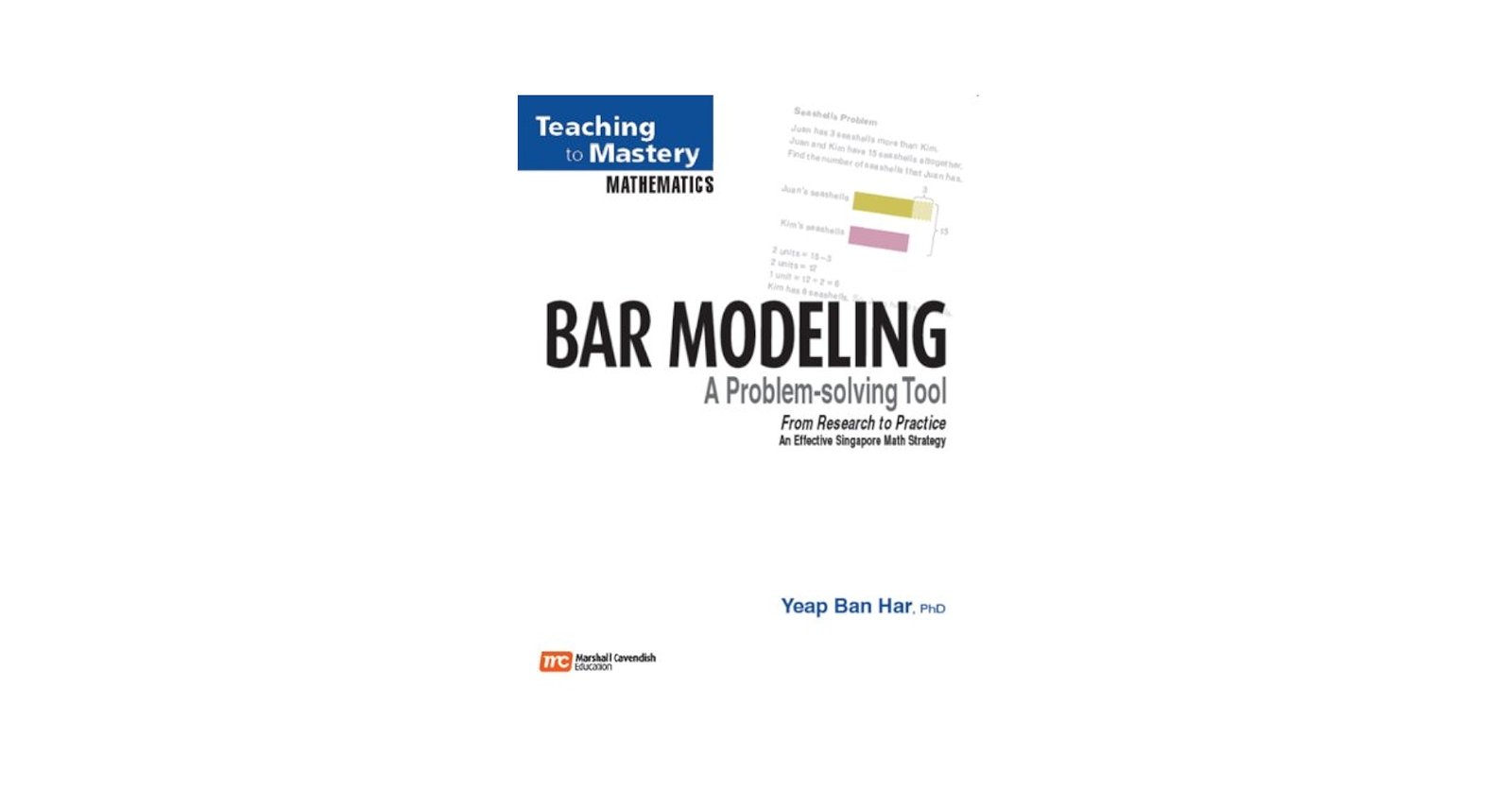
Bar Modelling a Problem Solving Tool: Unlock Math Success
Have you ever faced a tough problem and wished there was a simple way to see the solution clearly? Bar modelling could be the key you’ve been missing.
This powerful tool turns complex problems into easy-to-understand visuals, helping you solve them faster and with less stress. Imagine breaking down tricky questions step-by-step, making your path to the answer obvious. If you want to sharpen your problem-solving skills and gain confidence in tackling challenges, keep reading—bar modelling might just change how you think forever.
Credit: medium.com
What Is Bar Modelling
Bar modelling is a simple tool that helps solve math problems. It uses bars to show parts of a problem clearly. This makes it easier to understand the problem and find the answer. Bar modelling works well for problems with addition, subtraction, multiplication, and division.
Basic Concept
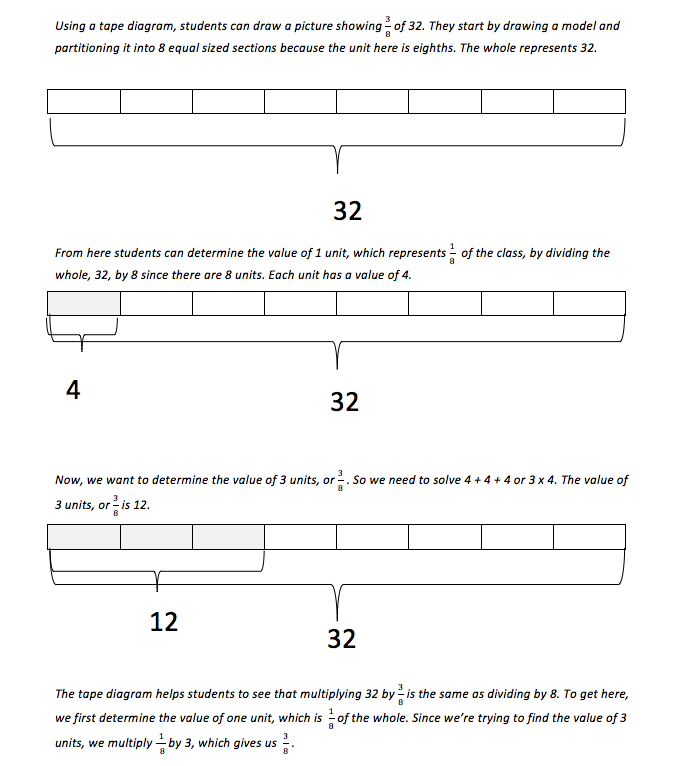
Bar modelling uses bars to represent numbers or quantities. Each bar stands for a part of the problem. Bars can be split or joined depending on the problem’s needs. The goal is to show how different parts relate to each other. This helps to break down the problem into smaller, easier pieces.
Visual Representation
Bars are drawn as rectangles of different lengths. Longer bars show bigger numbers. Bars placed side by side show addition. Bars stacked or split show subtraction or parts of a whole. This visual form helps to see the problem clearly. It makes it easier to compare numbers and find missing information.
Credit: businessmap.io
Why Use Bar Modelling
Bar modelling is a visual tool that helps solve math problems easily. It breaks down numbers and relationships into bars. This method makes tricky problems clear and manageable. Using bar models builds confidence and understanding. It suits learners of all ages and skill levels.
Simplifying Complex Problems
Bar modelling turns hard problems into simple pictures. It uses bars to show parts of a problem. This makes it easy to see what to do next. Instead of guessing, learners can follow the model step-by-step. It helps in understanding word problems and number relations.
Enhancing Logical Thinking
Bar modelling trains the brain to think clearly. It shows how numbers connect and change. This strengthens reasoning skills and decision-making. Learners learn to spot patterns and solve problems logically. It encourages thinking in a structured and organized way.
Types Of Bar Models
Bar models come in different types, each designed to help you visualize and solve problems more clearly. Understanding these types lets you pick the right approach for the problem at hand. Let’s look at the main kinds of bar models you can use to break down complex information into simple, manageable parts.
Part-whole Models
Part-whole models help you see how different parts make up a whole. They are great for problems where you need to add or subtract quantities. Imagine you have 5 apples and 3 oranges; a part-whole model visually shows how these parts combine to make 8 fruits in total.
Have you noticed how seeing the parts side by side makes it easier to understand the total? You can quickly spot missing pieces or check if the numbers add up correctly. This model works well when you want to split a total into smaller groups or find one missing part.
Comparison Models
Comparison models are perfect when you want to compare two quantities. Instead of just numbers, you see how much bigger or smaller one amount is compared to another. Say you have 7 pencils and your friend has 4; the model clearly shows the difference of 3 pencils.
Using this model can help you decide which option is better or by how much one value exceeds another. It’s a practical way to answer questions like “How many more?” or “How much less?” Have you ever struggled to compare two sets of data? This model makes it straightforward.
Ratio Models
Ratio models let you understand the relationship between parts in terms of proportion. If you want to mix paint colors in a 2:3 ratio, this model visually represents those parts so you get the balance right. It’s not just about totals but about maintaining the correct relationship between numbers.
Have you ever mixed ingredients and ended up with a strange taste? Ratio models help avoid that by showing exactly how much of each part you need. They are useful in recipes, maps, and any situation where balance is key.
Steps To Create A Bar Model
Creating a bar model helps solve math problems clearly. It breaks complex data into simple parts. Each step builds on the last to form a full picture. Follow these easy steps to draw an effective bar model.
Identify Key Information
Read the problem carefully. Pick out important numbers and facts. Focus on what you know and what you need to find. Separate data into parts that relate to each other. This step sets the base for your model.
Draw Bars Accurately
Use straight lines to draw bars representing each part. Make the length of each bar match the value it shows. Keep bars proportional to show differences clearly. Draw bars side by side or stacked to compare.
Label And Calculate
Write numbers and names on each bar. Labels help explain what each bar means. Use the model to perform calculations like addition or subtraction. Check your work by comparing totals in the model.
Common Math Problems Solved With Bar Models
Bar models help solve many common math problems. They make math easier by showing numbers visually. Students use bars to compare and find answers quickly. Bar models work well for addition, subtraction, multiplication, division, and word problems.
Addition And Subtraction
Bar models show parts and totals clearly. For addition, bars represent each part, combined to find the whole. For subtraction, the whole bar shows the total, and a smaller bar shows the part removed. This helps find the missing part easily.
Multiplication And Division
Bars can group numbers to explain multiplication. Equal bars represent repeated addition. For division, the total bar splits into equal parts. This shows how many groups or how many in each group. Bar models make these operations simple and visual.
Word Problems
Word problems become less confusing with bar models. They break down the problem into smaller parts. Bars show relationships between numbers clearly. This helps understand what the problem asks and find the right solution step-by-step.
Bar Modelling In Different Age Groups
Bar modelling adapts well to different age groups, helping students solve problems visually. It makes math concepts clearer by breaking down information into simple bars. Each age group uses bar models in ways that fit their learning needs and skills.
Primary School Applications
Young learners use bar models to understand basic math facts. They see addition and subtraction as parts of a whole. Bar models help with:
- Simple addition and subtraction problems
- Understanding number relationships
- Solving word problems step-by-step
Visual bars make abstract ideas easier for children to grasp. They build confidence with math by seeing how numbers fit together.
Secondary School Challenges
Older students use bar models to tackle complex problems. They apply bars to algebra and ratios. Bar models help in:
- Breaking down multi-step problems
- Visualizing equations and inequalities
- Understanding proportions and percentages
Bars turn tough problems into manageable parts. This visual aid supports deeper thinking and problem-solving skills.
Tips To Master Bar Modelling
Mastering bar modelling takes more than just understanding the basics. It requires consistent effort and smart strategies to make the process intuitive and effective. Here are some practical tips to help you sharpen your bar modelling skills and solve problems more confidently.
Practice Regularly
Regular practice builds familiarity and speed with bar modelling. Try to solve different types of problems every day, even if it’s just for 10-15 minutes. This steady repetition helps you recognize patterns and strengthens your ability to visualize relationships quickly.
Don’t shy away from challenging questions—they push you to think creatively and improve. How often do you set aside time specifically to practice bar models?
Use Real-life Examples
Applying bar modelling to everyday situations makes the concept more relatable and easier to grasp. For example, you can model budgeting your weekly expenses or dividing a pizza among friends. These real-life problems provide context, helping you see the practical value of bar models.
When you connect abstract concepts to things you encounter daily, your understanding deepens. What common tasks around you could be turned into bar modelling exercises?
Seek Visual Resources
Visual aids like videos, interactive apps, and worksheets can accelerate your learning. They offer step-by-step demonstrations and allow you to practice drawing bar models accurately. Sometimes, watching someone else work through a problem reveals techniques you might miss on your own.
Look for resources that break down complex problems into simple bar diagrams. Are you using any tools or platforms that help you visualize math problems more clearly?
Credit: www.twinkl.co.uk
Bar Modelling And Exam Success
Bar modelling is a powerful tool for solving math problems in exams. It helps students see the problem clearly and organize information step by step. This visual method makes tricky questions easier to understand and answer. Using bar models can lead to better exam results by building strong problem-solving skills.
Boosting Confidence
Bar modelling breaks down problems into simple parts. Students feel less stressed with a clear plan. Confidence grows as they practice drawing and using bars. This calm approach helps students stay focused during tests. Confidence often leads to better performance and fewer mistakes.
Improving Problem Accuracy
Bar models show all parts of the problem visually. This reduces confusion and helps check each step carefully. Students spot errors quickly and correct them before answering. The clear structure supports accurate calculations and logical thinking. Accuracy improves as students use bar models regularly in their practice.
Frequently Asked Questions
What Is Bar Modelling In Problem Solving?
Bar modelling is a visual method using bars to represent numbers. It helps break down complex problems into simpler parts. This technique improves understanding and speeds up solving math problems, especially in word problems.
How Does Bar Modelling Improve Problem Solving Skills?
Bar modelling enhances problem solving by making abstract concepts concrete. It clarifies relationships between numbers and simplifies calculations. This method promotes logical thinking and helps learners organize information effectively.
Which Math Problems Benefit Most From Bar Modelling?
Bar modelling works best with ratio, proportion, addition, subtraction, and comparison problems. It is ideal for word problems involving multiple steps or unknown values. This tool is especially helpful in primary and middle school math.
Can Bar Modelling Be Used In Real-life Scenarios?
Yes, bar modelling applies to real-life situations like budgeting, sharing, and planning. It visually organizes data, making decisions easier and faster. This method bridges theoretical math with practical, everyday problem solving.
Conclusion
Bar modelling helps break down math problems into simple parts. It shows the relationship between numbers clearly. Students can see what to do step by step. This method builds confidence and makes solving easier. Practicing bar models improves problem-solving skills fast.
Try using bar models for better understanding today. It’s a helpful tool for learners of all ages. Simple, visual, and effective—bar modelling works well.
Ethan Cole is a kitchen innovation enthusiast and food technology writer at DiningGadgets.com. With over 8 years of experience reviewing cookware, smart kitchen tools, and design trends, he helps readers discover gadgets that make cooking easier and dining more enjoyable. When he’s not testing the latest kitchen appliances, Ethan enjoys experimenting with recipes and sharing practical tips for modern homes.