Dinnerware Not Made in China: Discover Global Alternatives
Are you looking for dinnerware that stands out from the crowd? Maybe you want pieces that tell a story, support local artisans, or simply avoid products made in China.
Choosing dinnerware not made in China can make a big difference—not just for your table, but for your values and style. You’ll discover where to find beautiful, high-quality dinnerware from other parts of the world. You’ll learn how to pick sets that suit your taste and needs, while feeling confident about your choice.
Keep reading to transform your dining experience with dinnerware that truly reflects you.

Credit: hfcoors.com
Why Avoid Dinnerware Made In China
Choosing dinnerware is more than just picking a pretty set. You want pieces that are safe, durable, and align with your values. Many people are asking: why avoid dinnerware made in China? Understanding the reasons behind this question can help you make smarter choices for your home and health.
Concerns Over Quality And Safety
Not all dinnerware made in China meets the same quality standards. Some products have been found to contain harmful substances like lead or cadmium, which can leach into your food. This poses a real risk to your health, especially if you use the dinnerware daily.
Even if a set looks beautiful, it may chip or crack easily, making it less practical. Have you ever bought dishes that stained or lost their glaze quickly? This happens more often than you’d expect with some imports.
Environmental And Ethical Factors
Production processes in some factories may not follow strict environmental rules. This leads to pollution and waste that harm local communities and ecosystems. When you buy dinnerware made elsewhere, you might be supporting greener and more ethical manufacturing.
Labor conditions can also be a concern. You might want to consider if the workers making your dinnerware are treated fairly and paid properly. Supporting brands with transparent and humane practices can make a difference.
Consumer Preferences Shifting
More buyers today want dinnerware that tells a story—crafted locally or from trusted sources. There is growing interest in handmade or artisanal pieces that offer uniqueness and durability. This shift reflects a desire for quality and responsibility over just low prices.
Are you ready to explore dinnerware options that match your lifestyle and values? Choosing alternatives to dinnerware made in China can give you peace of mind and a better dining experience.
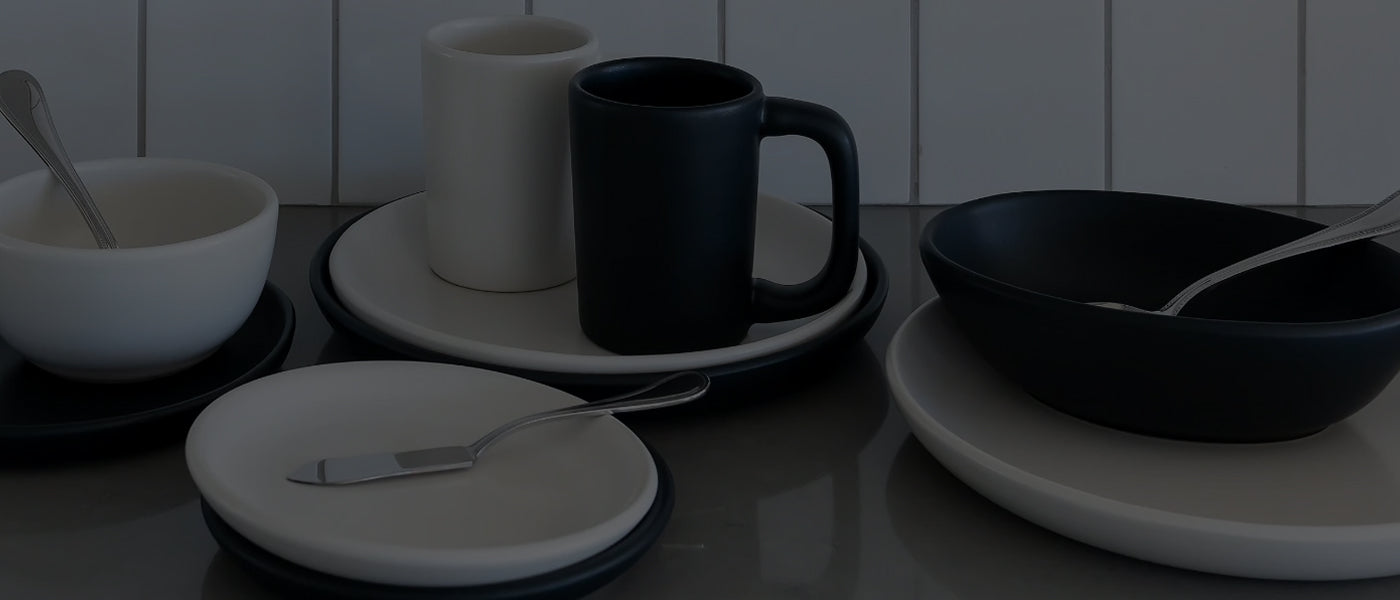
Credit: hfcoors.com
Top Countries Producing Dinnerware
Choosing dinnerware not made in China opens a world of craftsmanship and tradition from other top-producing countries. Each country offers unique styles and techniques that can add character to your dining experience. Understanding these origins helps you select pieces that align with your taste and values.
Italy’s Artisan Ceramics
Italy is famous for its vibrant and hand-painted ceramics, especially from regions like Tuscany and Deruta. These pieces often feature colorful patterns inspired by centuries-old traditions. If you want dinnerware that tells a story with every meal, Italian ceramics deliver both charm and authenticity.
Japan’s Porcelain Craftsmanship
Japanese porcelain combines simplicity with precision. Makers use fine materials and detailed glazing methods to create elegant, minimalistic designs that suit modern and traditional settings. Have you noticed how Japanese dinnerware turns even a simple meal into a mindful experience?
Portugal’s Traditional Pottery
Portugal produces durable and beautifully rustic pottery, especially from the towns of Caldas da Rainha and Alcobaça. Their dinnerware often features hand-painted motifs and earthy tones that bring warmth to your table. These pieces are perfect if you want something both practical and visually inviting.
Germany’s Durable Stoneware
Germany’s stoneware is known for its robustness and timeless design. Brands like Villeroy & Boch create dinnerware that withstands daily use while keeping an elegant appearance. If you need something reliable without sacrificing style, German stoneware might be the perfect fit.
Materials Used In Global Dinnerware
Choosing dinnerware that isn’t made in China can lead you to discover a variety of materials used around the world, each offering unique qualities. Understanding these materials helps you pick the right set for your needs, whether it’s durability, style, or environmental impact. Let’s look at some popular options and what makes them special.
Porcelain And Bone China
Porcelain and bone china are prized for their elegance and durability. Porcelain is fired at high temperatures, making it strong and resistant to chips. Bone china contains bone ash, giving it a translucent, lightweight feel that many find luxurious.
These materials often come from countries like Japan and England, where craftsmanship is highly regarded. If you want dinnerware that looks delicate but lasts long, these are excellent choices. Have you ever noticed how a finely crafted porcelain plate can elevate the entire dining experience?
Stoneware And Earthenware
Stoneware is dense and sturdy, fired at lower temperatures than porcelain but still tough enough for everyday use. Earthenware is more porous and less durable but offers a rustic charm with its handcrafted appearance.
Many artisans in Europe and the Americas produce beautiful stoneware and earthenware pieces. These materials can handle daily wear and tear and often feature unique glazes and textures. Do you appreciate the warmth and character that handmade stoneware adds to your table?
Glass And Crystal Options
Glass dinnerware can range from simple tempered glass to luxurious crystal. Tempered glass is practical, dishwasher safe, and often affordable. Crystal, on the other hand, is known for its sparkle and is typically used for special occasions.
European countries like Italy and France have a rich history of glass and crystal production. These options let you add a touch of sophistication without worrying about fragility if you choose well-made tempered glass. What’s your take on mixing casual and elegant pieces on the same table?
Eco-friendly Bamboo And Wood
Bamboo and wood dinnerware is gaining popularity for its sustainability and natural appeal. Bamboo grows quickly and requires fewer resources, making it an eco-friendly choice. Wooden plates and bowls add warmth and texture to your dining setup.
These materials are common in Southeast Asia and parts of Africa, where traditional craftsmanship meets modern needs. They’re lightweight and often biodegradable, perfect if you want to reduce your environmental footprint. Have you tried using bamboo or wooden plates for outdoor meals or casual gatherings?
Where To Buy Non-chinese Dinnerware
Finding dinnerware not made in China can feel like searching for a needle in a haystack. Yet, there are several reliable places where you can discover beautiful, quality pieces crafted elsewhere. Knowing where to look helps you support diverse artisans and enjoy unique tableware that tells a story beyond mass production.
Specialty Retailers And Boutiques
Specialty retailers often focus on curated collections from countries like Japan, Italy, and Portugal. These shops offer dinnerware that highlights traditional craftsmanship and modern design.
Visiting a boutique allows you to see and feel the quality before buying. You might find hand-painted ceramics from Spain or fine porcelain from Germany, each with distinct character and heritage.
Online Marketplaces With Global Selection
Online marketplaces open up access to dinnerware from all corners of the world. Platforms like Etsy, eBay, and specialty e-commerce sites list products made in countries other than China.
You can filter by origin, style, or material to find exactly what fits your taste. Plus, reading customer reviews gives insight into the product’s durability and authenticity.
Local Artisans And Craft Fairs
Supporting local artisans means investing in handmade, often one-of-a-kind dinnerware. Craft fairs and farmers’ markets are treasure troves for discovering these unique pieces.
Meeting the makers adds value to your purchase and ensures transparency about the production process. Have you ever considered how owning a handcrafted plate changes your dining experience?
Caring For Your Global Dinnerware
Caring for your global dinnerware requires attention to its unique materials and craftsmanship. Each piece has special needs to keep its beauty and function. Proper care helps preserve your collection for years. Small daily habits protect the finish and prevent damage. Follow simple steps tailored to different dinnerware types.
Cleaning Tips For Different Materials
- Ceramics:Use mild soap and warm water. Avoid abrasive pads that scratch surfaces.
- Porcelain:Hand wash preferred to keep glaze intact. Dishwasher safe on gentle cycles.
- Stoneware:Clean with soft sponge. Avoid sudden temperature changes to prevent cracks.
- Glass:Use non-abrasive cleaners and rinse thoroughly. Dry with soft cloth to avoid spots.
- Wood:Wipe with damp cloth. Do not soak. Apply food-safe oil to maintain finish.
Storage And Maintenance Advice
- Stack plates with soft liners between to prevent scratches.
- Store cups and bowls in dry, ventilated areas to avoid moisture buildup.
- Keep wooden pieces away from direct sunlight to prevent fading.
- Check regularly for chips or cracks and handle damaged items carefully.
- Use padded storage boxes for fragile or antique dinnerware.
Extending Durability And Appearance
- Avoid extreme heat or cold to protect fragile materials.
- Use gentle cleaning agents to maintain surface shine.
- Dry items immediately after washing to prevent water marks.
- Handle each piece with care to avoid accidental drops.
- Rotate use to reduce wear on favorite pieces.
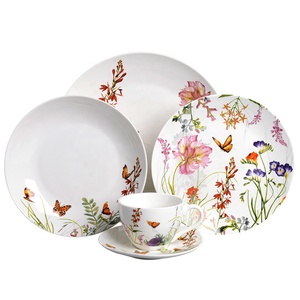
Credit: www.alibaba.com
Frequently Asked Questions
Where Can I Buy Dinnerware Not Made In China?
You can find dinnerware not made in China at specialty stores, local artisans, and online retailers. Look for brands from Europe, Japan, or the USA that focus on quality craftsmanship and non-Chinese production. Check product descriptions to confirm the country of origin before purchasing.
Why Choose Dinnerware Not Made In China?
Choosing dinnerware not made in China supports local or alternative global manufacturers. It may offer higher quality, unique designs, and better labor standards. This choice also reduces reliance on Chinese imports and can appeal to those seeking ethically made or environmentally friendly products.
Which Countries Produce High-quality Dinnerware?
Countries like Japan, Germany, Italy, and the USA are known for high-quality dinnerware. These countries emphasize craftsmanship, durability, and unique design styles. Their products often meet strict manufacturing standards and use premium materials for long-lasting dinnerware sets.
Are Non-chinese Dinnerware Options More Expensive?
Dinnerware not made in China can be more expensive due to higher labor and material costs. However, the price often reflects better quality, craftsmanship, and ethical production. Investing in these products can result in longer-lasting and more aesthetically pleasing dinnerware.
Conclusion
Choosing dinnerware not made in China supports diverse craftsmanship worldwide. Many countries offer high-quality, beautiful options that suit different tastes. These choices often come with unique styles and strong traditions. Buying globally helps small businesses and artisans grow. It also encourages variety on your dining table.
Quality and design matter more than origin alone. Explore options from Europe, Japan, or local makers near you. Enjoy meals with dinnerware that tells a story and feels special. Your table deserves pieces that bring joy and lasting value.

Ethan Cole is a kitchen innovation enthusiast and food technology writer at DiningGadgets.com. With over 8 years of experience reviewing cookware, smart kitchen tools, and design trends, he helps readers discover gadgets that make cooking easier and dining more enjoyable. When he’s not testing the latest kitchen appliances, Ethan enjoys experimenting with recipes and sharing practical tips for modern homes.