What Height are Kitchen Wall Units: Ideal Measurements for Style & Comfort
Are you planning a kitchen makeover and wondering about the perfect height for your wall units? Getting this right can transform your cooking space from awkward to amazing.
Too high, and you’ll struggle to reach your favorite mugs; too low, and your kitchen might feel cramped. You’ll discover the ideal height that suits your needs, improves functionality, and makes your kitchen look balanced. Keep reading to find out how to make your kitchen wall units work perfectly for you.
Standard Wall Unit Heights
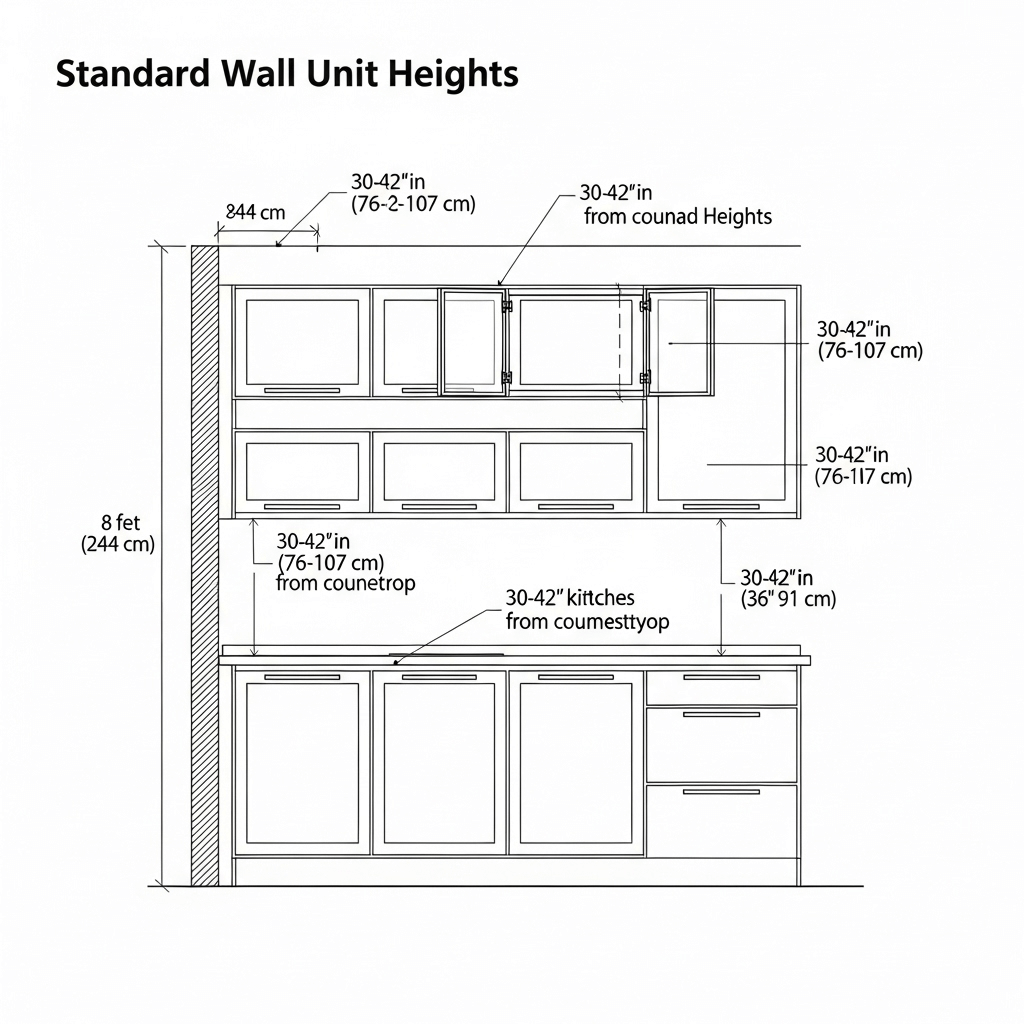
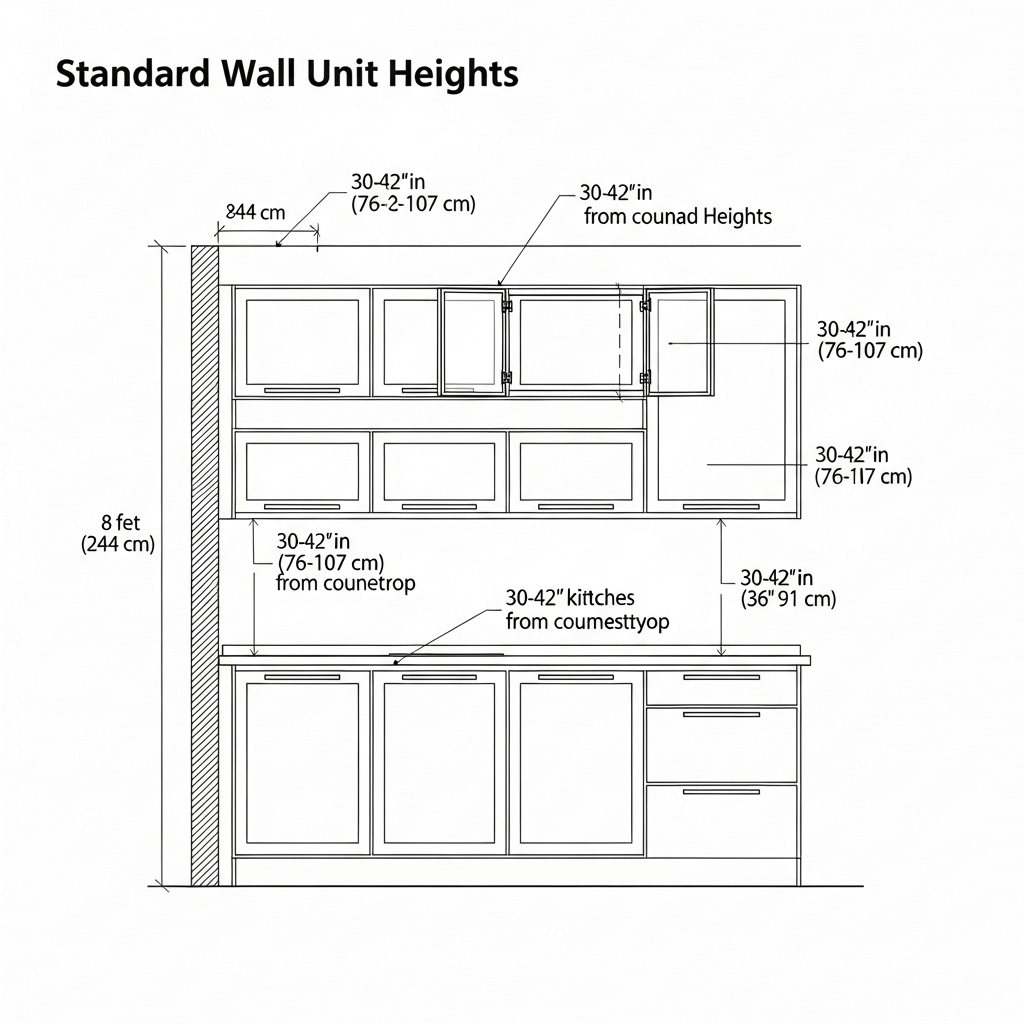
Standard wall unit heights help create a balanced and functional kitchen space. These units sit above the countertop and store items within easy reach. Choosing the right height makes kitchens safer and more comfortable to use. The height depends on several factors including ceiling height and user preference.
Common Measurements
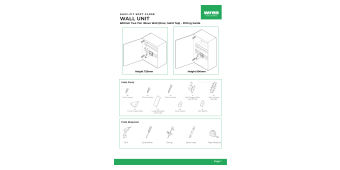
Most kitchen wall units have a height between 30 and 42 inches. The typical distance from the countertop to the bottom of the wall unit is around 18 inches. This space allows enough room for appliances and work areas below. Wall units usually have a depth of 12 inches, keeping them compact and practical.
- Standard height: 30 to 42 inches
- Distance from countertop: about 18 inches
- Depth: typically 12 inches
These measurements fit most kitchens and users. They provide enough storage without overcrowding the space. Easy to reach and clean, these units improve kitchen usability.
Variations By Region
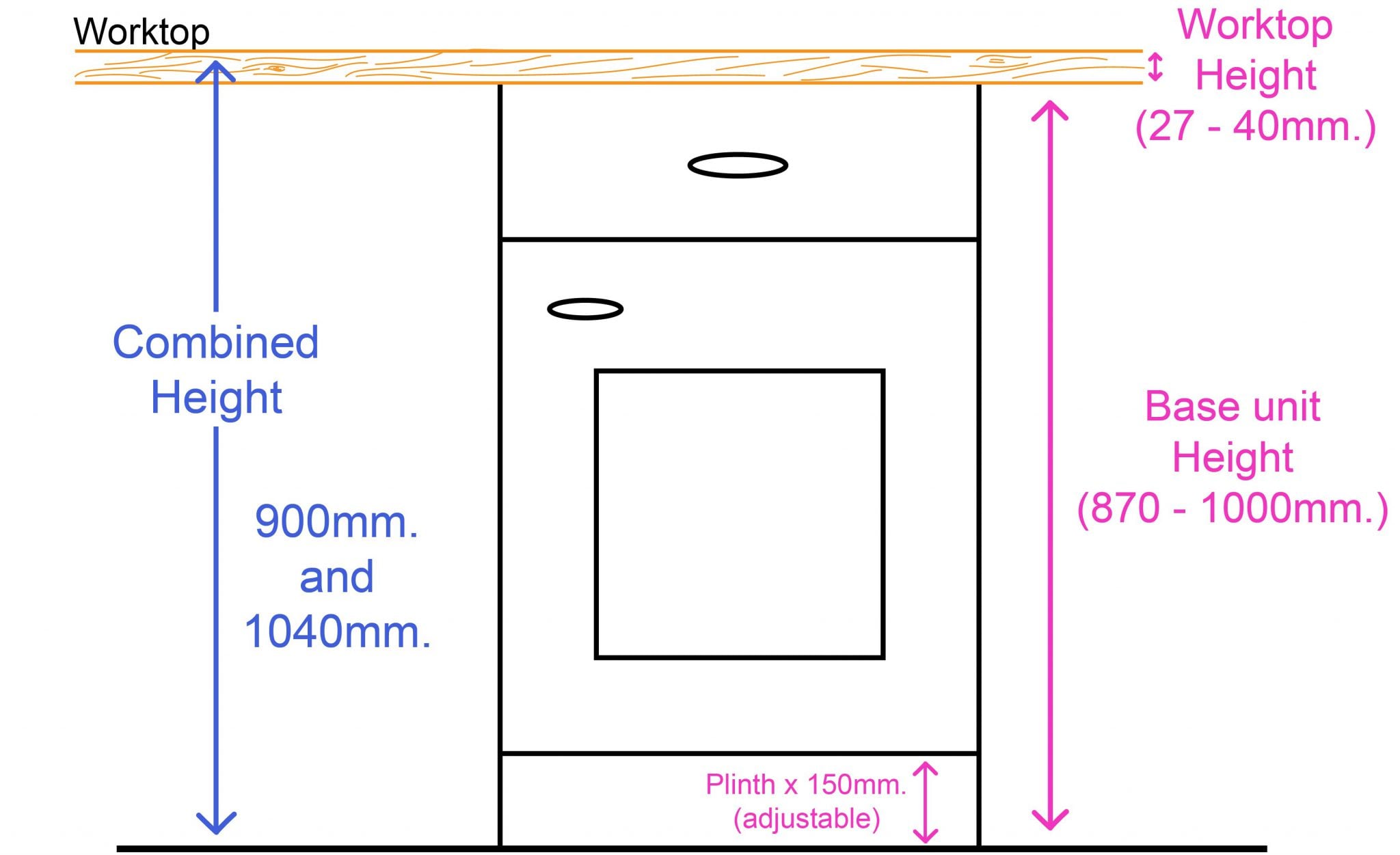
Kitchen wall unit heights vary across countries and regions. In Europe, units tend to be slightly lower, around 30 inches. North American kitchens often use taller units, reaching up to 42 inches. Ceiling height and kitchen design trends influence these differences.
In some Asian countries, wall units may be placed higher to accommodate cooking styles. Custom kitchens adapt heights based on user needs and kitchen layout. Regional building codes and standards also affect unit dimensions.
Credit: houseofworktops.co.uk
Factors Influencing Wall Unit Height
Several factors affect the height of kitchen wall units. These elements ensure the units are both practical and comfortable. Proper height helps in easy access and efficient use of kitchen space. Understanding these factors aids in designing a kitchen that fits user needs and room specifics.
User Height And Comfort
User height plays a key role in setting wall unit height. Cabinets should be reachable without stretching or bending. Comfort increases when units match the user’s average height. This reduces strain during cooking and cleaning tasks. Adjustable options work well for shared kitchens with different users.
Ceiling Height
Ceiling height limits how tall wall units can be. High ceilings allow for taller or extra cabinets. Low ceilings require shorter units to avoid crowding the room. Proper spacing keeps the kitchen open and airy. It also ensures safety by preventing head bumps and clutter.
Countertop Dimensions
The distance between the countertop and wall units matters. Standard space is usually between 18 and 24 inches. This gap provides enough room for appliances and workspace. It also helps avoid a cramped feeling in the kitchen. Measuring counters first ensures the right cabinet height.
Choosing The Right Height For Style
Choosing the right height for kitchen wall units shapes both style and function. It influences how your kitchen feels and works every day.
Wall unit height varies by design style. It affects the kitchen’s look and usability. Measuring the right height helps your kitchen stay balanced and practical.
Modern Vs Traditional Designs
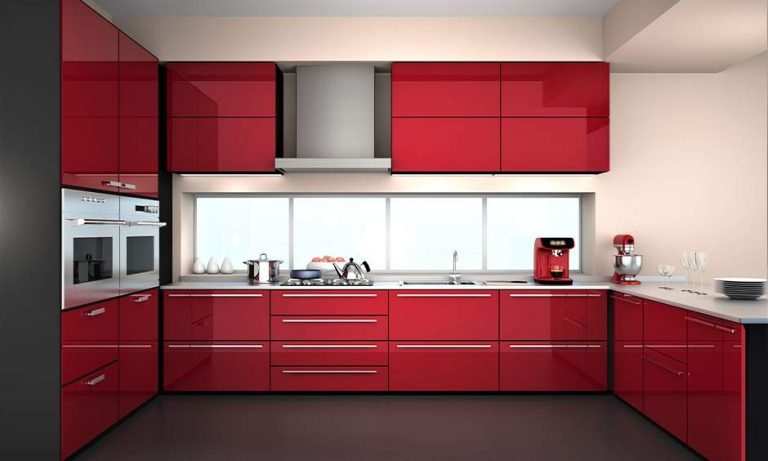
Modern kitchens often use higher wall units. They create a clean, sleek look with more storage space. Modern designs favor uniform heights for simplicity.
Traditional kitchens use varied heights. This adds charm and character. Cabinets might be shorter or taller to fit decorative moldings or open spaces.
Choosing height depends on the kitchen style you want. Modern styles favor wall units 54 to 60 inches above the floor. Traditional styles may range from 48 to 72 inches.
Open Shelving Vs Closed Units
Open shelves create an airy, spacious feel. They usually sit a bit lower for easy reach. Height depends on what you display on these shelves.
Closed units offer a neat, tidy look. They often start around 54 inches from the floor. This height keeps contents hidden but accessible.
Mixing open shelves and closed units works well. Place open shelves lower for daily items. Set closed units higher for less-used storage.
Ergonomics In Kitchen Design
Ergonomics in kitchen design is about making your space comfortable and efficient to use every day. It’s not just about looks; it’s about how you interact with your kitchen. Proper height for kitchen wall units plays a key role in reducing strain and making your cooking routine smoother.
Reachability And Accessibility
Think about how often you reach for spices, plates, or glasses. If your wall units are too high, you might need a step stool or stretch uncomfortably. This can slow you down and cause frustration.
Ideal wall unit height lets you grab items without strain. A common recommendation is to install cabinets so the bottom edge is about 18 inches above the countertop. This keeps everything within easy reach for most people.
Consider who uses your kitchen the most. If you’re shorter or have children helping out, lower cabinets can improve accessibility. Adjustable shelves inside the units also help you organize items better, making everything easier to find.
Safety Considerations
Safety matters just as much as convenience. Heavy or sharp objects stored too high can be dangerous if they fall. Placing frequently used items at a reachable height reduces the chance of accidents.
Think about the weight of what you store. Heavy pots and pans should stay in lower cabinets, while lighter items like glasses and spices belong higher up. This simple practice prevents injuries and keeps your kitchen safe.
Also, ensure there’s enough clearance between the countertop and the wall units. Too little space can cause bumps or bruises when you work. About 18 to 20 inches clearance strikes a good balance between safety and style.
Customizing Wall Unit Heights
Customizing the height of kitchen wall units helps fit your space and needs perfectly. It creates a comfortable and functional kitchen environment. Adjusting the height can improve access and maximize storage. Different users and kitchen styles call for different wall unit heights.
Adjustable Units
Adjustable wall units offer flexibility in kitchen design. They allow changing the height after installation. These units often have shelves that move up or down. This feature helps store items of various sizes easily. Adjustable units suit kitchens with changing needs or multiple users.
Tailoring For Specific Needs
Custom heights match individual preferences and kitchen layouts. Taller people may want higher units for better reach. Shorter users benefit from lower units to avoid stretching. Kitchens with appliances require wall units to fit around them. Tailoring height improves safety and ease of use.

Credit: aaadistributor.com
Installation Tips For Optimal Height
Getting the height of your kitchen wall units right is crucial for both comfort and style. If they’re too low, they can feel cramped and block your workspace. Too high, and reaching them becomes a daily struggle. Let’s look at some practical tips to help you install your cabinets at the perfect height, making your kitchen both functional and inviting.
Measuring And Marking
Start by deciding the ideal height based on your kitchen layout and your height. A common recommendation is to install wall units so the bottom edge is about 18 inches above the countertop. However, if you’re taller or shorter than average, adjust this distance to suit your reach and comfort.
Use a tape measure to mark this height across the wall. Make sure the marks are level by using a spirit level. Check multiple points along the wall to avoid cabinets being crooked later on.
Tools And Techniques
Gather essential tools before you start: a drill, screws, wall plugs, a stud finder, and a level. The stud finder will help you locate the wall studs, which are the best spots to anchor your heavy cabinets securely.
Once your marks are set, drill pilot holes into the studs. This prevents the wall from cracking and ensures the screws hold firmly. Hang a temporary ledger board at the marked height to support the cabinets during installation—it acts like a helpful extra hand.
As you fix each cabinet, double-check with your level to keep everything straight. Small adjustments early on save you from big headaches later. Have you noticed how a simple tool like a spirit level can make all the difference in achieving a professional finish?
Common Mistakes To Avoid
Choosing the right height for kitchen wall units is more than just a measurement task. Many people make avoidable mistakes that affect both the look and function of their kitchen. Understanding these pitfalls helps you create a space that’s comfortable and efficient.
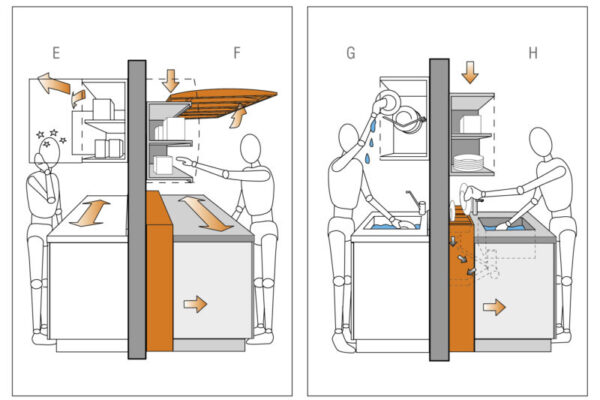
Too High Or Too Low Placement
Placing wall units too high can make it hard to reach everyday items. It often leads to frustration and even unsafe stretching or climbing. Conversely, setting them too low can crowd your countertop space and disrupt your kitchen’s flow.
Think about who will use the kitchen most often. Are you or your family members tall, short, or somewhere in between? Adjust the height so that the shelves are comfortably accessible without needing a stool or bending too much.
Ignoring Workflow In Kitchen
Installing wall units without considering your kitchen’s workflow can slow you down. Your storage should support how you cook and move around, not interrupt it. For instance, placing heavy items far from where you prep or cook forces unnecessary trips back and forth.
Ask yourself: Does the cabinet placement make grabbing spices quick and easy? Are plates near the dishwasher or dining area? Keeping these questions in mind will help you avoid a cluttered or inefficient setup.
Credit: www.valcucine.com
Frequently Asked Questions
What Is The Standard Height For Kitchen Wall Units?
The standard height for kitchen wall units is typically 54 inches from the floor. This height allows comfortable access while standing. It fits most countertop heights and provides efficient storage space above the work area. Adjustments can be made based on ceiling height and user needs.
How Far Should Kitchen Wall Units Hang Above Countertops?
Kitchen wall units usually hang 18 inches above the countertop. This distance offers enough workspace clearance and easy access to cabinets. It helps avoid collisions with appliances and provides a balanced look. Custom spacing may vary depending on kitchen design and user preferences.
Can Kitchen Wall Unit Height Be Customized?
Yes, kitchen wall unit height can be customized. It depends on ceiling height, user reach, and kitchen style. Taller units suit high ceilings, while lower units fit compact spaces. Custom heights improve ergonomics and kitchen functionality, enhancing overall usability and comfort.
Why Is The Height Of Kitchen Wall Units Important?
The height of kitchen wall units affects comfort and safety. Proper height ensures easy access to stored items without strain. It maximizes storage efficiency and complements kitchen aesthetics. Incorrect height can cause inconvenience and reduce workspace usability.
Conclusion
Choosing the right height for kitchen wall units is crucial. It impacts functionality and aesthetics. Standard heights work for most kitchens. But consider your ceiling height. Think about who will use the kitchen. Taller units offer more storage. Shorter ones make access easier.
Always measure your space accurately. Consult a professional if needed. This ensures a perfect fit. A well-planned kitchen enhances your cooking experience. It also adds value to your home. Prioritize both practicality and style. In the end, your kitchen should reflect your lifestyle.
Make informed choices for a harmonious kitchen design.