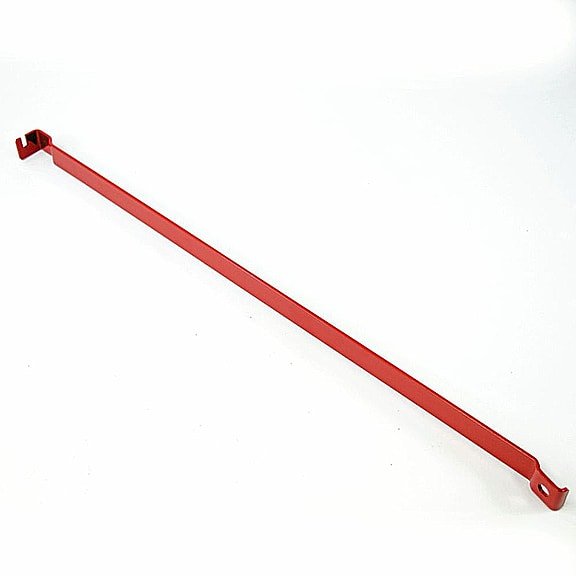
Locking Bar for Tool Box: Secure Your Tools Effectively
Are you tired of worrying about your tools getting lost or stolen? A locking bar for your toolbox is the simple solution you need to keep everything secure and organized.
Imagine having the peace of mind that your valuable tools are safe, whether you’re at home, on the job, or on the go. You’ll discover how a locking bar can protect your investment, improve your workspace, and save you time and stress.
Keep reading to find out why this small addition can make a big difference for you.

Credit: www.ebay.com
Types Of Locking Bars
Locking bars add security and stability to tool boxes. They come in various types to fit different needs and preferences. Choosing the right type helps protect tools from theft and damage. Understanding the differences makes selecting easier.
Steel Vs Aluminum Bars
Steel bars are strong and heavy. They resist bending and breaking well. Steel works best for heavy-duty use and rough handling.
Aluminum bars are lighter and rust-resistant. They are easier to carry and install. Aluminum suits users who want good strength with less weight.
Adjustable Locking Bars
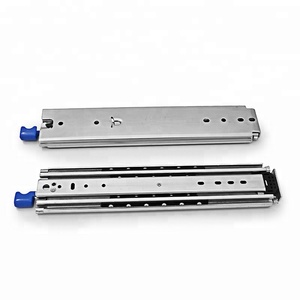
Adjustable bars fit different box sizes. They can be lengthened or shortened easily. This flexibility makes them ideal for various tool boxes.
These bars often have sliding mechanisms or extra holes. They allow quick adjustments without tools. This saves time and effort during installation.
Keyed Vs Combination Locks
Keyed locks use a physical key to open. They offer reliable security and are simple to use. Losing a key can be a drawback.
Combination locks open with a code. They remove the need to carry keys. Users must remember the code to avoid lockouts.
Both lock types protect tools well. Choice depends on convenience and personal preference.

Credit: www.searspartsdirect.com
Benefits Of Locking Bars
Locking bars are a smart addition to any tool box. They provide more than just a simple lock; they offer a robust layer of protection that can save you time, money, and stress. Understanding the benefits of locking bars can help you decide if this upgrade fits your needs.
Enhanced Security
Locking bars add a strong physical barrier that protects your tools from theft. Unlike standard locks, they secure the entire lid or door, making it harder for intruders to pry open your toolbox. If you’ve ever had a tool stolen, you know how frustrating it can be—and locking bars reduce that risk significantly.
Durability And Weather Resistance
Most locking bars are made from tough materials like steel, which resist rust and damage from outdoor elements. This means your toolbox remains secure even in harsh weather conditions. If you keep your tools outside or in a garage, this durability ensures long-lasting protection.
Ease Of Use
Locking bars are designed for quick and simple operation. You won’t waste time fiddling with complicated locks or keys—many models use a single latch or padlock. This makes accessing your tools faster and keeps your workflow smooth, especially on busy job sites.
Choosing The Right Locking Bar
Choosing the right locking bar for your tool box can make a big difference in keeping your tools secure and organized. It’s not just about picking any lock; you need one that fits perfectly, holds up against wear, and matches how you want to use it every day. Let’s break down what matters most so you can make the best choice for your needs.
Measuring Your Tool Box
Start by measuring the length and height of the area where you want the locking bar to sit. Don’t guess—use a tape measure to get exact dimensions. A lock bar that’s too short won’t secure properly, and one that’s too long might not fit or could be cumbersome to use.
Think about the placement too. Is your tool box wide or narrow? Does it have rounded edges or flat surfaces? These details can affect how the locking bar attaches and functions.
Material Considerations
Locking bars come in materials like steel, aluminum, and sometimes reinforced plastic. Steel is strong and tough, perfect for heavy-duty use, but it can rust if not treated well. Aluminum resists rust and is lighter, but it might not handle heavy force as well.
Ask yourself: Will your tool box face harsh weather or rough handling? If yes, choose a material that won’t wear down quickly. I once picked an aluminum bar for a metal tool chest used outdoors, and it held up well without rusting after months of rain.
Lock Mechanism Preferences
There are several lock types to consider: padlocks, integrated keyed locks, combination locks, and even electronic locks. Padlocks are simple and easy to replace if lost, but can be bulky. Integrated locks look sleek and save space but may be harder to change if keys are lost.
Think about how often you’ll need access. Do you want quick entry or maximum security? Combination locks free you from carrying keys but require remembering codes. If you’ve ever struggled with lost keys, a combination or electronic lock might suit you better.
Installation Tips
Installing a locking bar on your toolbox improves security and keeps tools safe. Proper installation ensures the bar works smoothly and lasts longer. Follow these tips to avoid issues and get the best results.
Tools Needed
- Measuring tape
- Drill with bits
- Screwdriver (Phillips or flat-head)
- Wrench or socket set
- Pencil or marker
- Safety glasses
- Level
Step-by-step Installation
Start by measuring the toolbox to find the perfect spot for the locking bar. Mark the drill holes carefully with a pencil. Use a level to keep the bar straight. Drill holes on the marks, making sure not to go too deep. Attach the locking bar with screws or bolts provided. Tighten all fasteners firmly but avoid over-tightening. Test the locking mechanism to ensure it works smoothly. Adjust if necessary for better fit and function.
Common Installation Mistakes
- Incorrect measurements causing misalignment
- Using the wrong drill bit size
- Not leveling the locking bar before fixing
- Over-tightening screws, damaging the toolbox
- Failing to check the lock operation after installation
- Ignoring safety gear during drilling and installation
Maintaining Locking Bars
Maintaining locking bars is essential for a secure and long-lasting toolbox. Regular care keeps them functioning smoothly and prevents unexpected failures. Simple steps can extend the life of locking bars and maintain their reliability.
Cleaning And Lubrication
Keep locking bars free from dirt and rust by cleaning them regularly. Use a soft cloth to wipe away dust and grime. Apply a light lubricant to moving parts to reduce friction and wear. Avoid heavy grease that can attract more dirt. Proper lubrication ensures smooth operation and prevents sticking.
Inspecting For Damage
Check locking bars often for signs of damage or wear. Look for bends, cracks, or rust spots. Test the bars by moving them to detect stiffness or looseness. Early detection of issues helps prevent bigger problems. Replace or repair damaged parts before they affect security.
Replacing Worn Parts
Worn parts reduce the effectiveness of locking bars. Replace parts like handles, bolts, or hinges that show heavy wear. Use parts made for your specific toolbox model. Proper replacement restores full function and keeps the locking mechanism strong. Regular replacement helps avoid costly repairs later.
Popular Brands And Models
Finding the right locking bar for your tool box can make a big difference in security and convenience. Popular brands offer a range of options designed to fit various needs, whether you’re after durability, affordability, or top-notch features. Understanding the strengths of each model helps you choose a locking bar that matches your daily work demands and budget.
Top Rated Locking Bars
Brands like DEWALT and Craftsman often top customer reviews for their reliable locking bars. These models usually feature sturdy steel construction and smooth locking mechanisms that stand up to frequent use. Many users appreciate how these bars provide peace of mind without complicating access to tools.
Have you noticed how a well-made locking bar can reduce your toolbox tampering worries? Products like the DEWALT TSTAK locking bar not only secure multiple drawers but also offer easy installation. This level of quality can save you time and frustration on the job.
Budget-friendly Options
If you’re looking to protect your tools without breaking the bank, brands such as Husky and Keter offer solid locking bars at lower prices. These options might not have all the bells and whistles but still deliver effective security for everyday use. They’re a smart choice when you want to lock down your toolbox without overspending.
Choosing a budget-friendly locking bar doesn’t mean sacrificing safety. Many models include key lock systems and durable materials that deter casual theft. Ask yourself if you really need the most expensive option or if a straightforward lock will do the job.
Heavy-duty Choices
For those working in harsh environments, heavy-duty locking bars from brands like Milwaukee and Snap-on offer robust protection. These bars often use hardened steel and reinforced locks designed to resist cutting and prying attempts. They’re built to last even under tough conditions.
Do you frequently work on construction sites or in areas with high theft risks? Investing in a heavy-duty locking bar might save you more than money—it can save your entire tool collection. Consider models with extra-wide bars and tamper-proof features for maximum security.
Credit: www.alibaba.com
Frequently Asked Questions
What Is A Locking Bar For A Tool Box?
A locking bar secures your tool box by reinforcing its lid. It prevents unauthorized access and theft. It adds an extra safety layer to protect your valuable tools efficiently.
How Does A Locking Bar Improve Tool Box Security?
It strengthens the locking mechanism and resists forced entry. The bar covers gaps and locks multiple points, making break-ins difficult. This ensures your tools stay safe during transport or storage.
Can I Install A Locking Bar Myself?
Yes, most locking bars come with easy-to-follow instructions. Basic tools like screwdrivers are usually sufficient for installation. DIY installation saves costs and allows quick security upgrades.
What Materials Are Locking Bars Made From?
Locking bars are typically made from durable steel or heavy-duty alloys. These materials resist cutting, bending, and rust. High-quality construction ensures long-lasting protection for your tool box.
Conclusion
A locking bar adds strong protection to your tool box. It keeps tools safe from theft and damage. Easy to install and use, it fits most boxes. Choose a durable lock for long-lasting security. This simple upgrade brings peace of mind every day.
Secure your tools with a reliable locking bar now.
Ethan Cole is a kitchen innovation enthusiast and food technology writer at DiningGadgets.com. With over 8 years of experience reviewing cookware, smart kitchen tools, and design trends, he helps readers discover gadgets that make cooking easier and dining more enjoyable. When he’s not testing the latest kitchen appliances, Ethan enjoys experimenting with recipes and sharing practical tips for modern homes.