Antique Blue And White Dinnerware: Timeless Elegance Unveiled
Imagine setting your table with dinnerware that tells a story—each piece rich with history and timeless charm. Antique blue and white dinnerware isn’t just about plates and bowls; it’s about creating an experience that draws your guests in and sparks conversation.
If you want to add elegance and a touch of nostalgia to your dining space, this style is perfect for you. Keep reading to discover how these classic designs can transform your meals into memorable moments and why they remain a favorite for collectors and home decorators alike.
History Of Blue And White Dinnerware
The history of blue and white dinnerware is rich and fascinating. These pieces are more than just table settings; they carry stories from centuries ago. Understanding their origins can deepen your appreciation and help you spot authentic antiques.
Origins In Ancient China
Blue and white porcelain first appeared during the Tang Dynasty, but it truly flourished in the Yuan and Ming Dynasties. The cobalt blue pigment was imported from Persia, giving the designs their vivid color. Craftsmen painted intricate patterns on white porcelain, creating durable and beautiful dinnerware that quickly became prized.
Imagine holding a piece that was admired by emperors and traders alike. This connection to ancient artistry adds a unique charm to every dish.
European Adaptations
When blue and white porcelain arrived in Europe, it sparked a wave of imitation. Dutch Delftware and English Wedgwood are famous examples of how European artisans reinterpreted Chinese designs. They added local motifs while keeping the iconic blue on white style.
This adaptation shows how cultural exchange influences art. Have you noticed how some antique pieces mix Asian and European elements? It’s a sign of their journey across continents.
Global Influence Over Centuries
Blue and white dinnerware has influenced many cultures around the world. From Japan’s Arita ware to the Middle East’s Iznik ceramics, each region put its own spin on the style. Today, these patterns continue to inspire modern designers and collectors.
When you use or collect blue and white dinnerware, you’re participating in a tradition that spans the globe. What stories could your own collection tell?
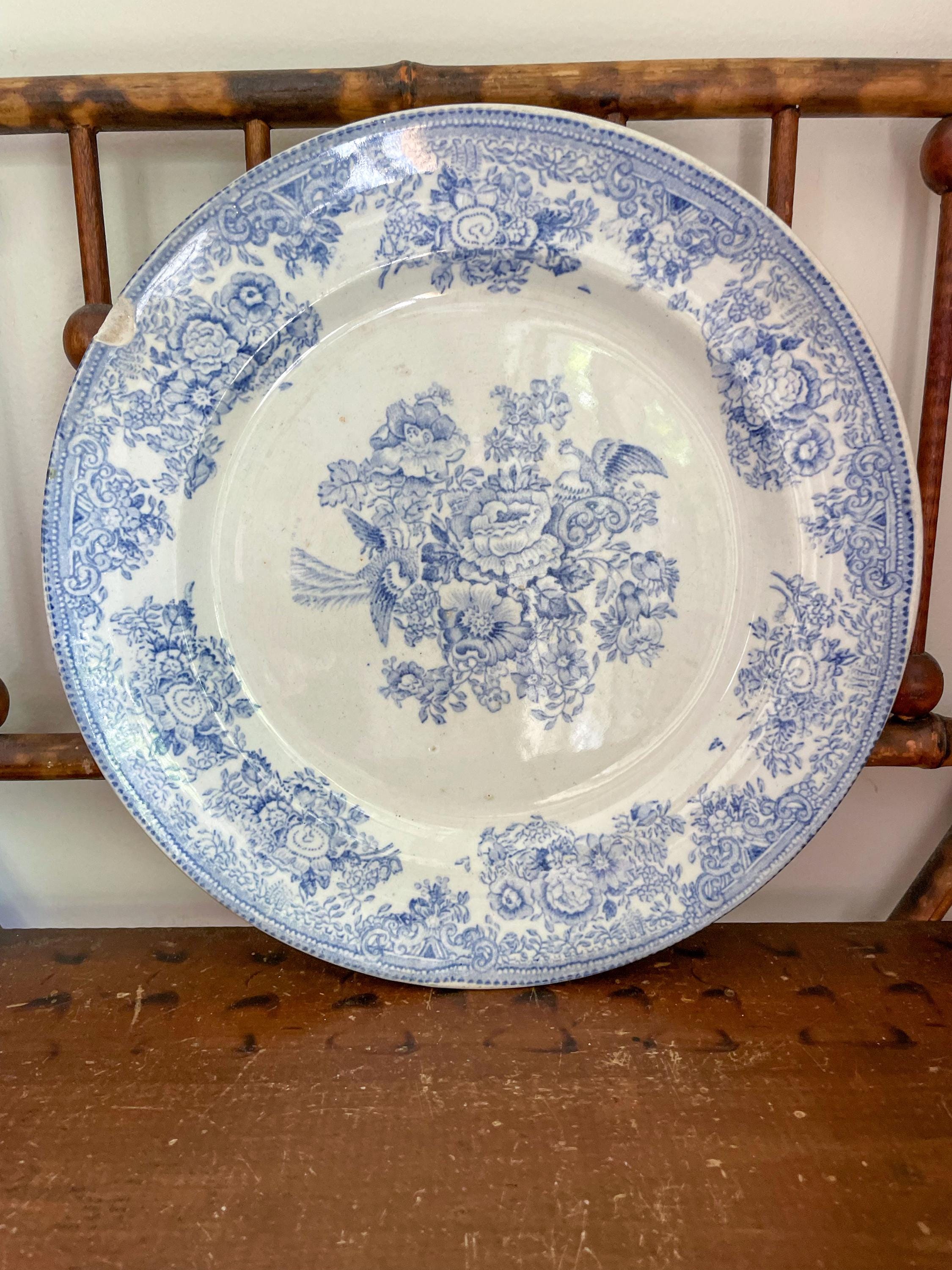
Credit: www.etsy.com
Distinctive Features And Patterns
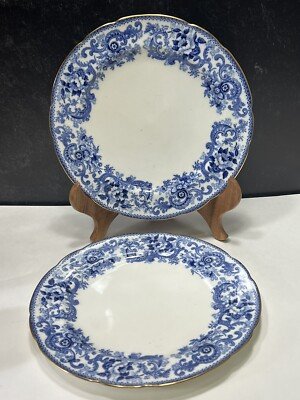
Antique blue and white dinnerware stands out for its timeless beauty and unique details. Each piece tells a story through its patterns and colors. These dinner sets often feature intricate designs that catch the eye and add charm to any table.
The distinctive features of antique blue and white dinnerware come from traditional motifs, expert crafting methods, and subtle color shifts. These elements combine to create pieces that feel both classic and elegant. Understanding these features helps appreciate the art behind each dish.
Common Motifs And Designs
Blue and white dinnerware often shows nature-inspired themes. Popular motifs include:
- Floral patterns with delicate petals and leaves
- Scenic landscapes with bridges, rivers, and trees
- Geometric shapes and repeating borders
- Mythical creatures like dragons or phoenixes
- Oriental symbols and traditional Asian art
These designs vary by region but always highlight fine details and balance. They create a peaceful and elegant feeling on the table.
Techniques Used In Crafting
Craftsmen apply multiple steps to make these dinnerware pieces. Techniques include:
- Hand-painting with cobalt blue pigment on white porcelain
- Transfer printing for precise and repeatable designs
- Glazing to protect and enhance the artwork
- Firing at high temperatures for durability
These careful methods ensure each piece is both beautiful and lasting.
Color Variations And Glazes
Blue hues range from deep navy to soft sky blue. The shade depends on the cobalt amount and firing time. Glazes can be glossy or matte, affecting the finish’s look and feel. Some pieces have crackled or textured glazes that add character. These subtle differences make each item unique and collectible.
Collecting Antique Blue And White Pieces
Collecting antique blue and white dinnerware offers a fascinating journey through history and artistry. Each piece tells a story, reflecting the culture and craftsmanship of its time. As you build your collection, understanding how to spot genuine items and care for them will make your experience more rewarding.
Identifying Authenticity
Authenticity is key when collecting antique blue and white dinnerware. Look closely at the patterns; hand-painted designs often have slight variations, unlike modern prints which appear uniform. Check for signs of age, such as crazing (fine cracks in the glaze) or wear on the base, which can indicate genuine vintage pieces.
Ask yourself: Does the piece feel too perfect? Many reproductions lack the subtle imperfections of authentic items. Holding the item under natural light can help reveal these details. Also, test the weight—older porcelain tends to be lighter yet sturdy.
Valuable Makers And Marks
Knowing which makers to look for can guide your collecting choices. Renowned names like Meissen, Wedgwood, and Royal Copenhagen are prized for their quality and history. Each often used distinctive marks on the bottom of their pieces, helping you identify their origin and approximate age.
Here’s a simple way to track valuable marks:
| Maker | Typical Mark | Period |
|---|---|---|
| Meissen | Crossed Swords | Early 18th Century to Present |
| Wedgwood | Stamped “Wedgwood” with date codes | 18th Century Onward |
| Royal Copenhagen | Three Wavy Lines | Since 1775 |
Before buying, research the mark using reputable sources or ask experts in antique forums. It helps you avoid costly mistakes and adds confidence to your purchases.
Caring For Your Collection
Proper care keeps your antique blue and white dinnerware looking beautiful for years. Avoid using harsh detergents or abrasive scrubbers that can wear down delicate patterns. Instead, wash pieces gently by hand with mild soap and lukewarm water.
Store items carefully to prevent chips and cracks. Using padded storage or individual cloth wraps protects them from accidental damage. Also, avoid exposing your collection to direct sunlight, which can fade the blue designs over time.
Have you ever wondered how a small chip might affect the value of a treasured piece? Even minor damage can lower its worth, so preventive care is crucial. Taking the time to maintain your collection shows respect for the craftsmanship and history behind each piece.
Credit: www.etsy.com
Incorporating Antique Dinnerware In Modern Decor
Antique blue and white dinnerware brings charm and history into modern homes. These classic pieces add a unique touch to contemporary decor. They blend tradition with today’s style, creating a warm and inviting space.
Using antique dinnerware in daily life or display makes a room feel special. These pieces tell stories from the past and show fine craftsmanship. They also brighten any table setting with their delicate patterns and colors.
Mixing Old And New Styles
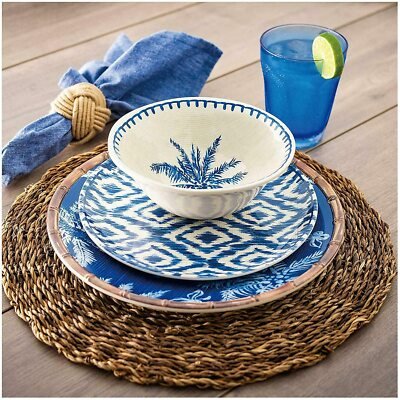
Combine antique dinnerware with sleek, modern furniture for contrast. Pair a rustic wooden table with blue and white plates for balance. Use simple glassware to keep the focus on the antique designs.
Mix patterns carefully. Antique floral plates work well with plain, solid-colored linens. Keep colors soft and neutral to let the dinnerware stand out. This mix creates an elegant but casual look.
Displaying And Storing Pieces
Show antique dinnerware on open shelves or glass cabinets. Arrange plates by size or pattern for visual appeal. Use plate stands to highlight special pieces on countertops or sideboards.
Store extra pieces safely in padded boxes or cloth wraps. Keep them away from direct sunlight to prevent fading. Label boxes to find items easily when needed.
Using Dinnerware For Special Occasions
Reserve antique blue and white dinnerware for holidays and celebrations. Use them to impress guests or make family meals memorable. Set the table with matching napkins and simple centerpieces.
Mix antique plates with modern serving dishes for variety. This adds freshness while respecting tradition. Clean pieces gently to keep them beautiful for years.
Where To Find Antique Blue And White Dinnerware
Finding authentic antique blue and white dinnerware can feel like a treasure hunt. The thrill of spotting a rare piece and knowing its history adds to the charm of collecting. Knowing where to look can save you time and help you discover unique items that fit your style and budget.
Antique Shops And Auctions
Antique shops often house carefully curated collections of blue and white dinnerware. Visiting local shops lets you inspect pieces closely and ask sellers about their provenance. Auctions are another excellent place to find rare sets, especially if you enjoy the excitement of bidding.
Keep an eye on auction catalogs online and attend preview events when possible. Sometimes, you may find an entire dinner service from a notable maker or period. Don’t hesitate to ask the auctioneer for details—they often have interesting stories behind the items.
Online Marketplaces
Online platforms like eBay, Etsy, and specialized antique websites open a world of options at your fingertips. You can compare prices, read seller reviews, and view detailed photos before making a decision. Be cautious of condition and authenticity; ask for close-up images if needed.
Set alerts for specific patterns or makers you love to stay updated. You might find pieces from distant places without leaving your home. Have you checked if your favorite online marketplace offers buyer protection?
Estate Sales And Fairs
Estate sales often reveal hidden gems, including vintage and antique dinnerware. These sales reflect the lifestyle and taste of previous owners, making each find unique. Arriving early gives you the best chance to grab high-quality items before others do.
Antique fairs bring together multiple sellers and collectors, offering variety in one location. You can negotiate prices face-to-face and learn from vendors who know their pieces well. How often do you explore local fairs for new additions to your collection?

Credit: www.ebay.ca
Frequently Asked Questions
What Defines Antique Blue And White Dinnerware?
Antique blue and white dinnerware features classic blue patterns on white ceramic. It often includes floral or scenic designs. These pieces are collectible and showcase historical craftsmanship from regions like China and Europe.
How Can I Identify Authentic Antique Blue And White Dinnerware?
Authentic pieces show signs of age, such as crazing or minor imperfections. Look for maker’s marks or stamps on the base. Genuine antiques have detailed hand-painted designs and a distinct porcelain texture.
Are Antique Blue And White Dinnerware Sets Valuable?
Yes, value depends on age, condition, rarity, and maker. Well-preserved sets from famous manufacturers or historical periods can be highly sought after by collectors and enthusiasts.
How Should I Care For Antique Blue And White Dinnerware?
Hand wash gently with mild soap and avoid harsh detergents. Do not use a dishwasher or microwave. Store carefully to prevent chips or cracks, preserving their beauty and value.
Conclusion
Antique blue and white dinnerware adds charm to any table. These pieces bring history and beauty together. They fit well with both old and new styles. Using them makes meals feel special and warm. Collectors and families enjoy their unique designs.
Each plate or cup tells a story. Choose carefully to find patterns you love. Keep these treasures safe for years to come. They brighten your dining space with simple elegance. A timeless choice for those who appreciate classic beauty.

Sophia Martinez is a culinary lifestyle writer and product reviewer for DiningGadgets.com. Passionate about blending style with functionality, she explores the latest dining essentials, kitchen décor, and cleaning hacks that transform everyday cooking spaces. With a background in home organization and design, Sophia brings readers expert advice on creating beautiful, practical kitchens that truly feel like the heart of the home.